By Rintaro Edgecombe, First Year, Film & English
Fjord (2026), which won the Palme d’Or at this year’s Cannes Film Festival, was a film I was able to watch early thanks to the BFI London Film Festival on Tour.
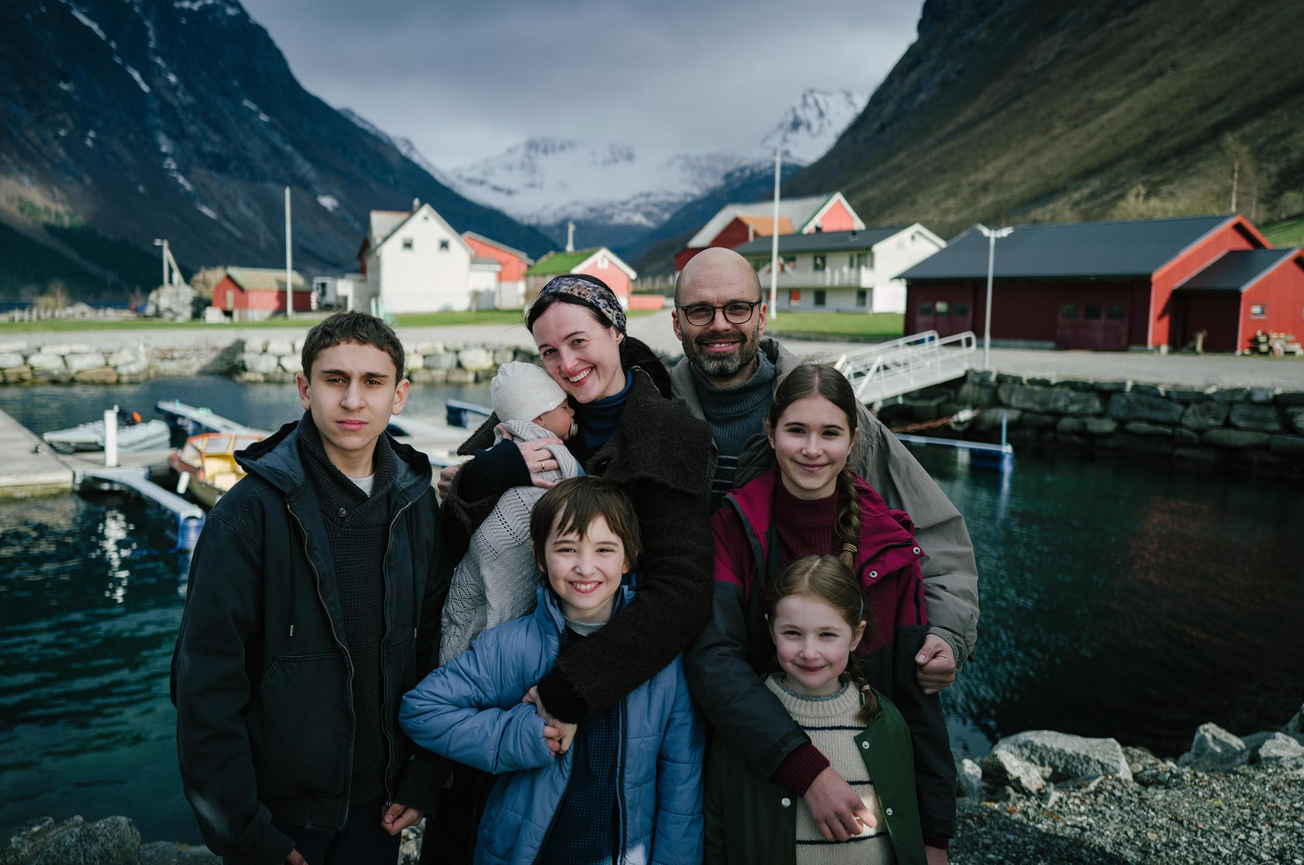
The story is that of an idyllic-looking Norwegian-Romanian family who move to the Norwegian village the matriarch (Renate Reinsve) comes from after the deaths of the patriarch’s (Sebastian Stan) family. Their lifestyle then becomes the subject of intense scrutiny when their eldest daughter Elia (Vanessa Ceban) shows up to school bruised.
This is a film which flourishes as it spends its time avoiding the facts. That ambiguity is what keeps the film going, keeping everything locked down firmly from the perspectives of the parents. We as the audience are never given the easily-swallowable truth. The Gheorgius simply live their lives, existing for us to transpose upon them our own biases and draw our own conclusion. There is a marked absence of visible child abuse and the familial dynamic appears to be loving enough that there is no presence of handholding towards a moral conclusion. This is all the more pronounced in the capturing of the unfurling story.
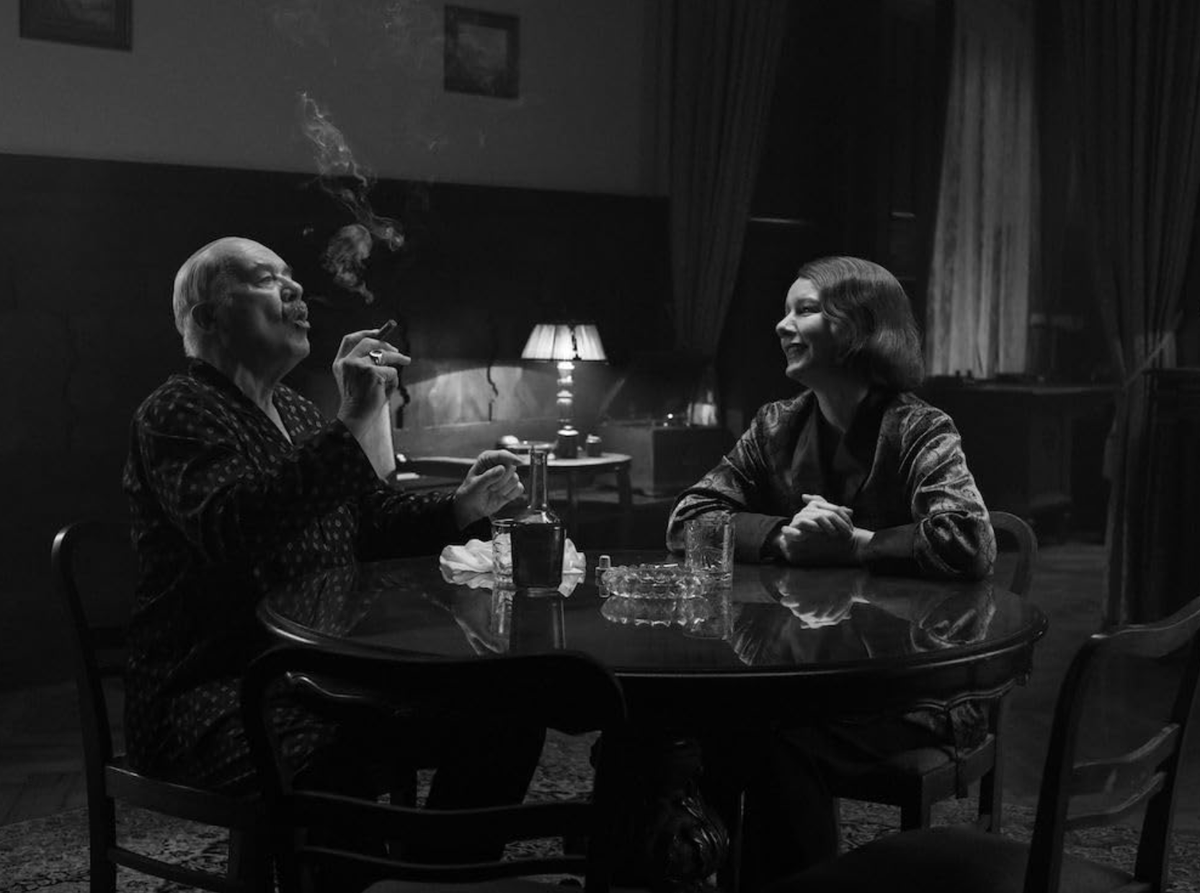
Where our audience perception could be moulded by the inherently emotive capabilities a camera possesses, the cinematography by Tudor Vladimir Panduru is specifically detached from the characters. Each scene is captured in a singular long take, favouring an objectivism instead of attempting to provide a more subjective look at these characters (a recurring trait in Cristian Mungiu’s films from what I’ve read). There are no close-ups to create emotional closeness to the performances.
It’s even slightly uncanny to see such big name talent as Stan and Reinsve in these performances which are so beholden to the camera. They act more like puppets within the oppressive judicial system that is made out to look inherently oppositional to their status as immigrants, religious outsiders and conservatives. In fact, Mihai referring to himself as a ‘conservative’ made me realise that I don’t think I’ve ever properly heard anyone refer to themselves as such. I’ve always thought of it more akin to an insult by more left-leaning individuals like myself.
By minimising the characters’ importance compared to the cinematography in which they are framed, the allegations of unsavoury behaviour loom above the characters as a genuine threat to their familial unit which plays with the audience’s own moral values. This is a really cold film but somehow, from that detachment, there is an undercurrent of warmth.
In the confines of the Mungiu’s framing, Stan and Reinsve are delivering understated, monumental performances that are able to transcend the claustrophobia present in how the camera refuses to apply meaning. They both need to deliver naturalistic performances that carry the heartbreak of being ostracised without that additional assistance provided by a closer camera. That they are able to still deliver these weighty performances despite that conceptually fundamental barrier (or it maybe because of it, considering what it is their characters are accused of) is engrossing.
Minute actions, which are easily glossed over, bring depth to the characters on a subconscious level, enriching them as fully well-rounded people without the need for or the intervention of dramatisation. Stan and Reinsve (especially Stan) both transform before the eye, no longer feeling quite so much like actors as they do vilified individuals who we are looking at in a moment of nuanced tragedy. Their performances compliment the film’s overall style. It elicits empathy for people who I tend to disagree with.
However, there is one narrative thread which rang a little melodramatic to me, especially when compared to the overall frigidity that Fjord boasts and operates best within. Noora (Henrikke Lund-Olsen), a friend of the two older Gheorghiu children, has moments in the first half of the narrative where the conventions of an angsty teen are played up to degrees that practically overtake the more interesting exploration of the conservative Christian family dynamic that is steadily built upon. Without spoiling much, her role is a complicated one.
She becomes a better character in the second half, fitting the narrative aesthetic later on once the morality play thoroughly takes centre stage. It’s just that the actions she performs early on come across as extreme even when taking into consideration how she’s acting out against her parents like a teenager who tries to be edgy. It’s a little bit of misplaced footing while the film is still establishing what exactly it is. While Fjord eventually recovers from this light stumble, it is quite noticeable and jarring in how it embraces the sensationalism that the rest of the film denies to degrade the moral questioning to.
 Blanka Gradziel
Although I can confidently say that I would not have selected this film to win such a prestigious honour as the Palme d’Or, I do still think that this is an especially interesting one to enter that historical lineup of films. Especially given the fact that, societally, it seems that we are becoming more myopic to other people’s perspective, it is commendable that this film is trying to expose this lack of empathy. It’s not suggesting to 100% side with the Gheorgius, but to think about it first in a nuanced fashion.
Featured image: IMDb / Fjord
Will you see Fjord when it gets a wide release this week?