By Rory Nell, Fourth Year, Postgraduate SPAIS
I’ve lived in Bristol for three years now and I’ve always struggled with the difference between here and my hometown. They’re very different in more ways than just political, but the political difference is one that I think shapes life in each place significantly.
For nearly ten years now, my family has lived on the edge of the Midlands just outside a town called Banbury. Most people know it as a stop on a railway line between London, Birmingham and beyond, but it's actually quite a large place. Home to over 50,000 people, the town is part of the Cherwell district and the county of Oxfordshire.
It’s rural, white, and post-industrial. Hence, it’s a pretty conservative place. Until the 2024 election, which saw major boundary changes to the constituency, the area had been represented in parliament by a Tory MP since 1922. However, Labour MP Sean Woodcock managed to squeeze into the gap between Reform and the Tories in 2024.
The local council has been predominantly Tory for decades, something which I think makes a lot more difference than most believe to an area. MPs don’t have that much say in a lot of local issues.
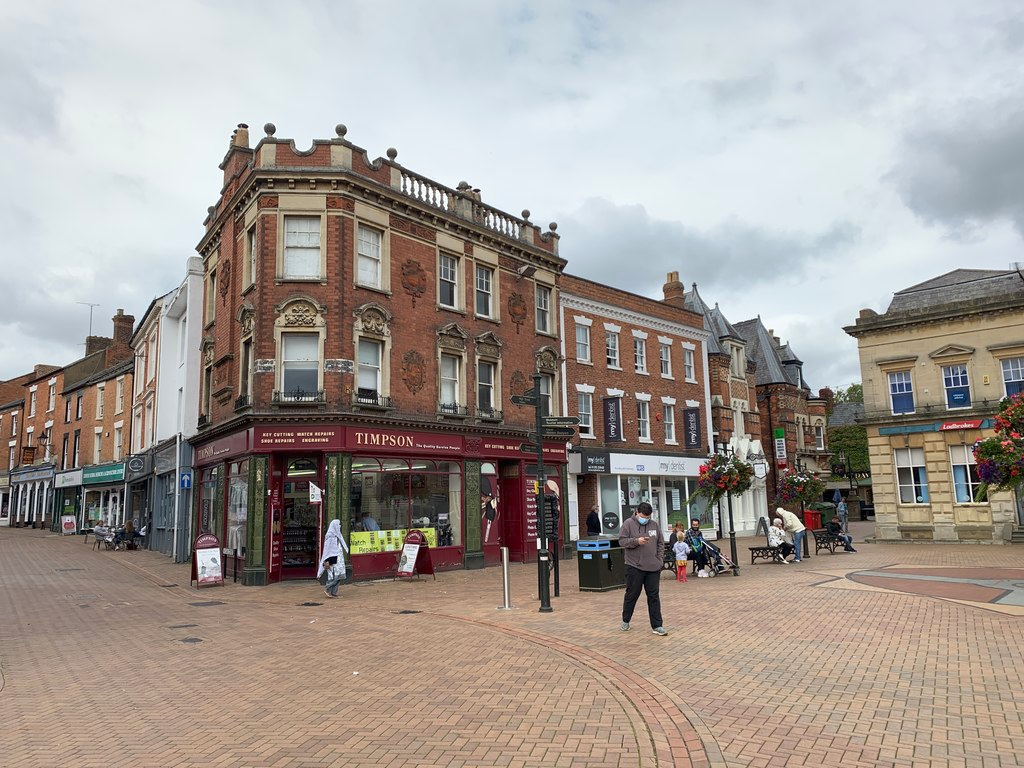
Speaking of issues, the dominant, vote-winning problems on the agenda in Banbury reflect its voting record. Countryside issues, immigration, crime and national defence frequently come up in local debates, making the area rich pickings for the surging but bigoted and intransigent Reform party who took six seats at the last local elections.
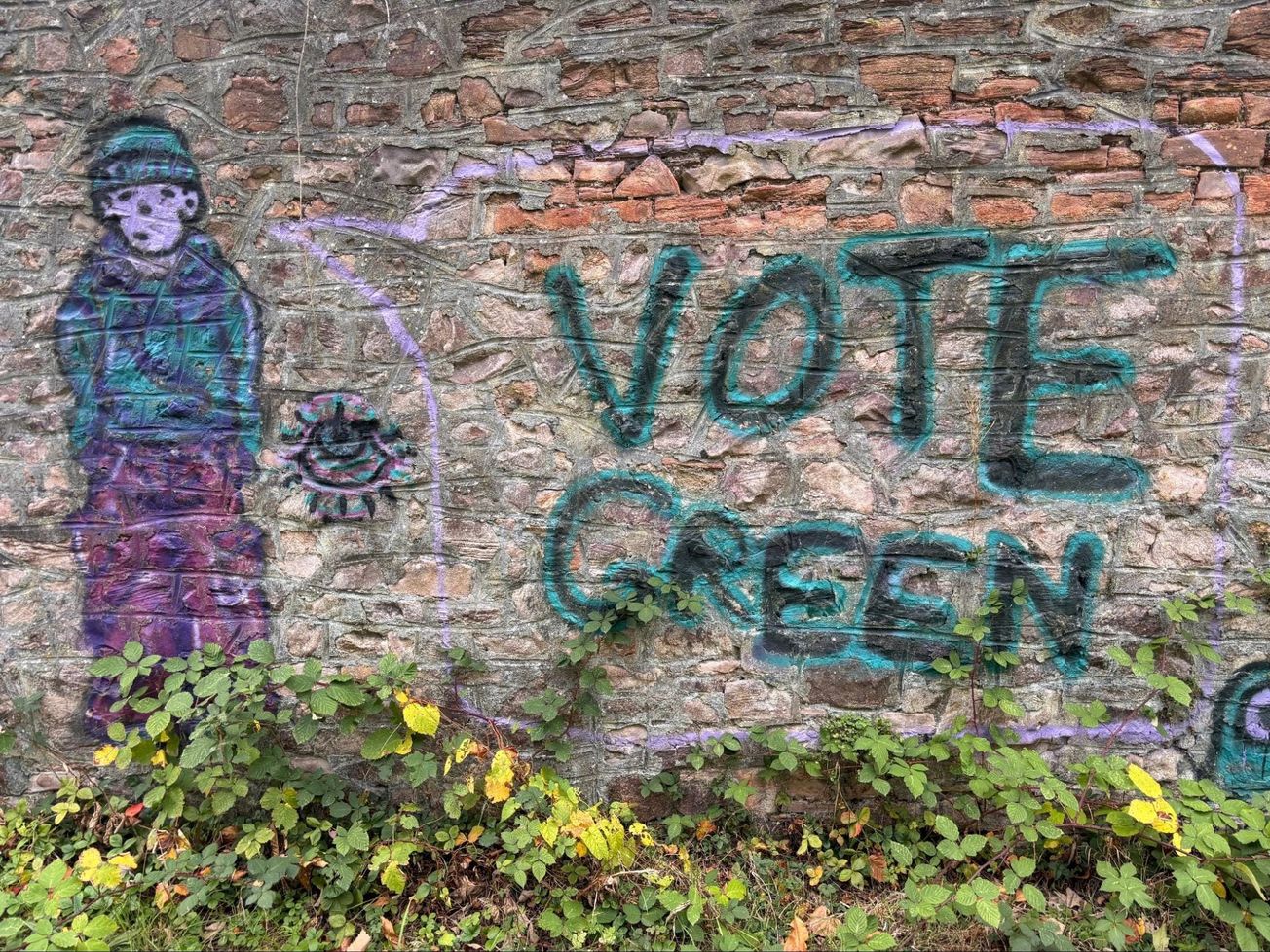
As I’m sure most of you who have been in Bristol longer than a few weeks know, this is in pretty sharp contrast to the cities’ values and politics. This can be seen clearly in both the city’s voting record and the high public turnout in support of progressive causes like the crisis taking place in Gaza and LGBTQ+ rights, which are not just student issues here, but truly public ones. Palestinian flags, peace symbols and pride flags abound across the walls and windows of the city, as well as street art commenting on power, politics and the environment.
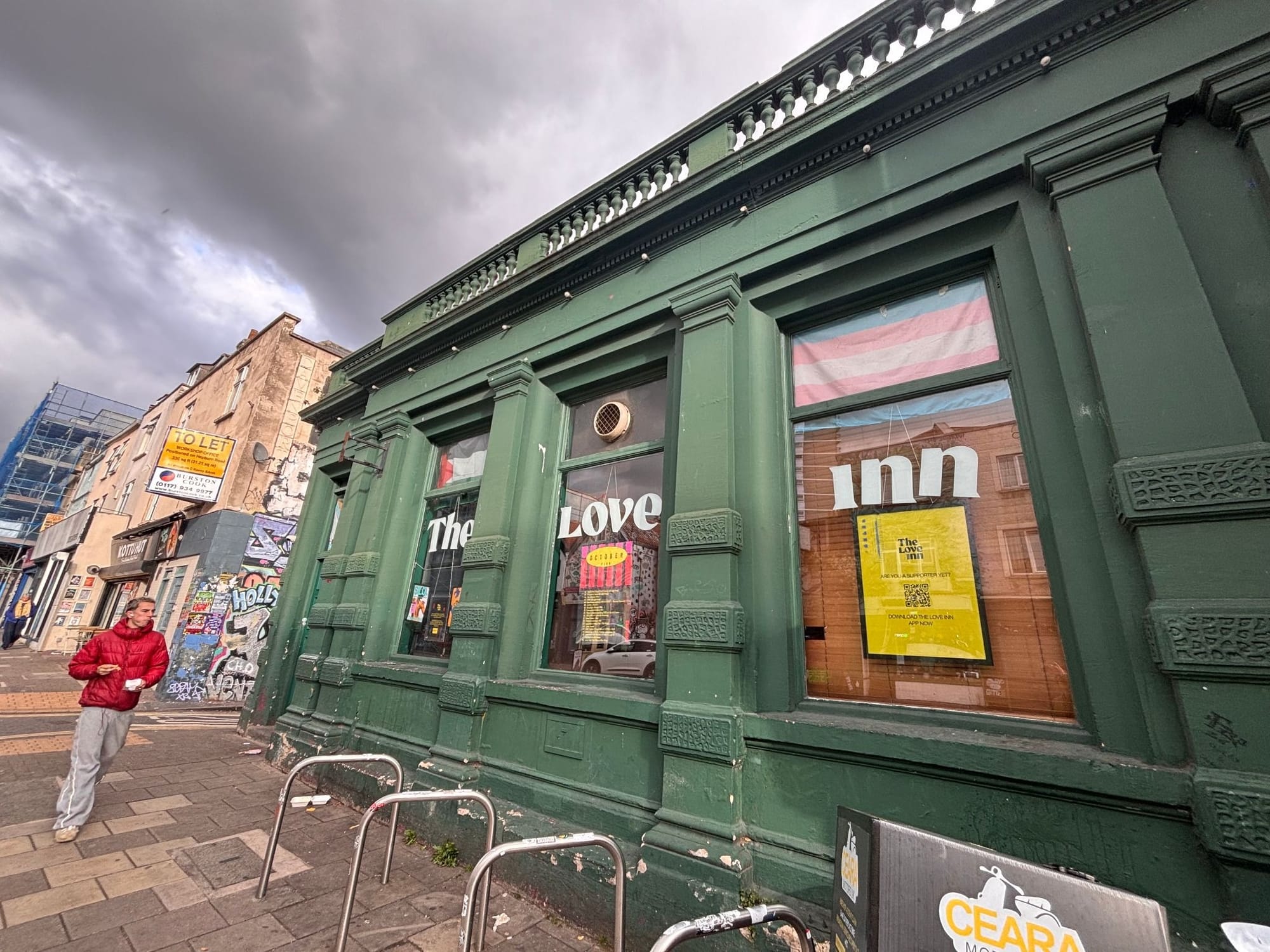
Bristol has been an important locus of support for some of the UK’s most liberal parties, most prominently the Green Party, who won the Bristol Central seat in 2024 and came second in every other constituency, always behind Labour. The city council is also dominated by the party, with 34 councillors, 15 more than their nearest rivals, Labour.
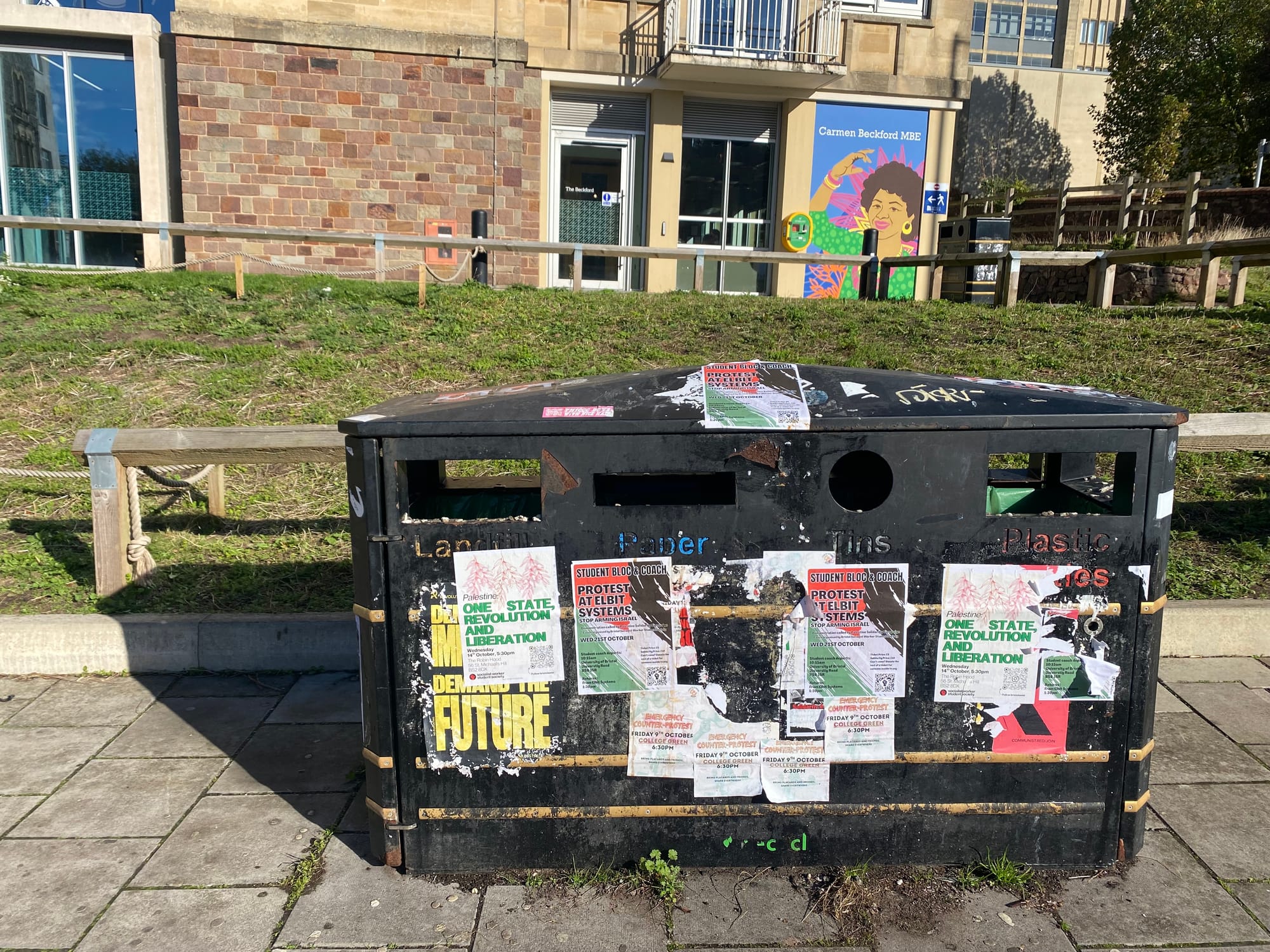
However, there are clearly some different political undercurrents in the Avon area. The West of England Combined Authority (WECA), which comprises Bristol and surrounding areas including Bath and South Gloucestershire, saw Reform UK’s Arron Banks come second in its 2025 Mayoral Election, with over 45,000 votes. The city has also seen considerable unrest caused by a group called Bristol Rises, which used to be called Bristol Patriots until its clumsy re-brand in March this year. This came after a disastrous excursion in Bristol city centre during which they were opposed heavily by local antifascist organisations. So, although Bristolian politics is mainly progressive, inclusive, peaceful, and future-oriented, it isn’t exclusively so.
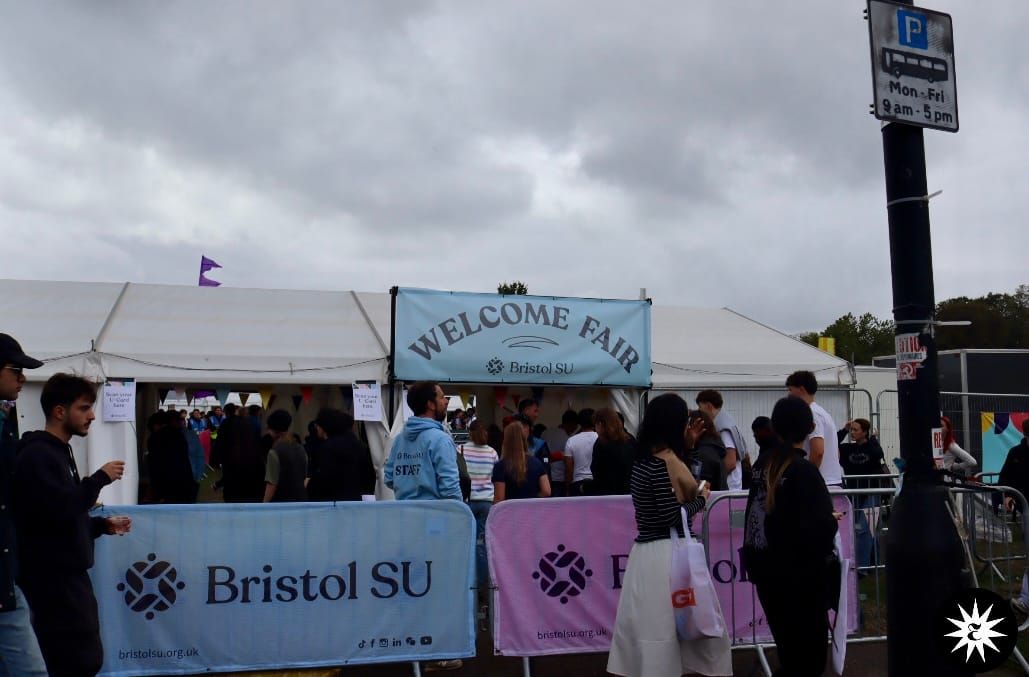
This isn’t quite the same for students, and is just one area where the city and students aren’t entirely aligned. There hasn’t been a Conservative Party affiliated student group with the Bristol Student Union since 2023.
On campus, you’re much more likely to be handed a leaflet advocating a socialist revolution than advertising a royalist tea-party or neo-liberal lecture.
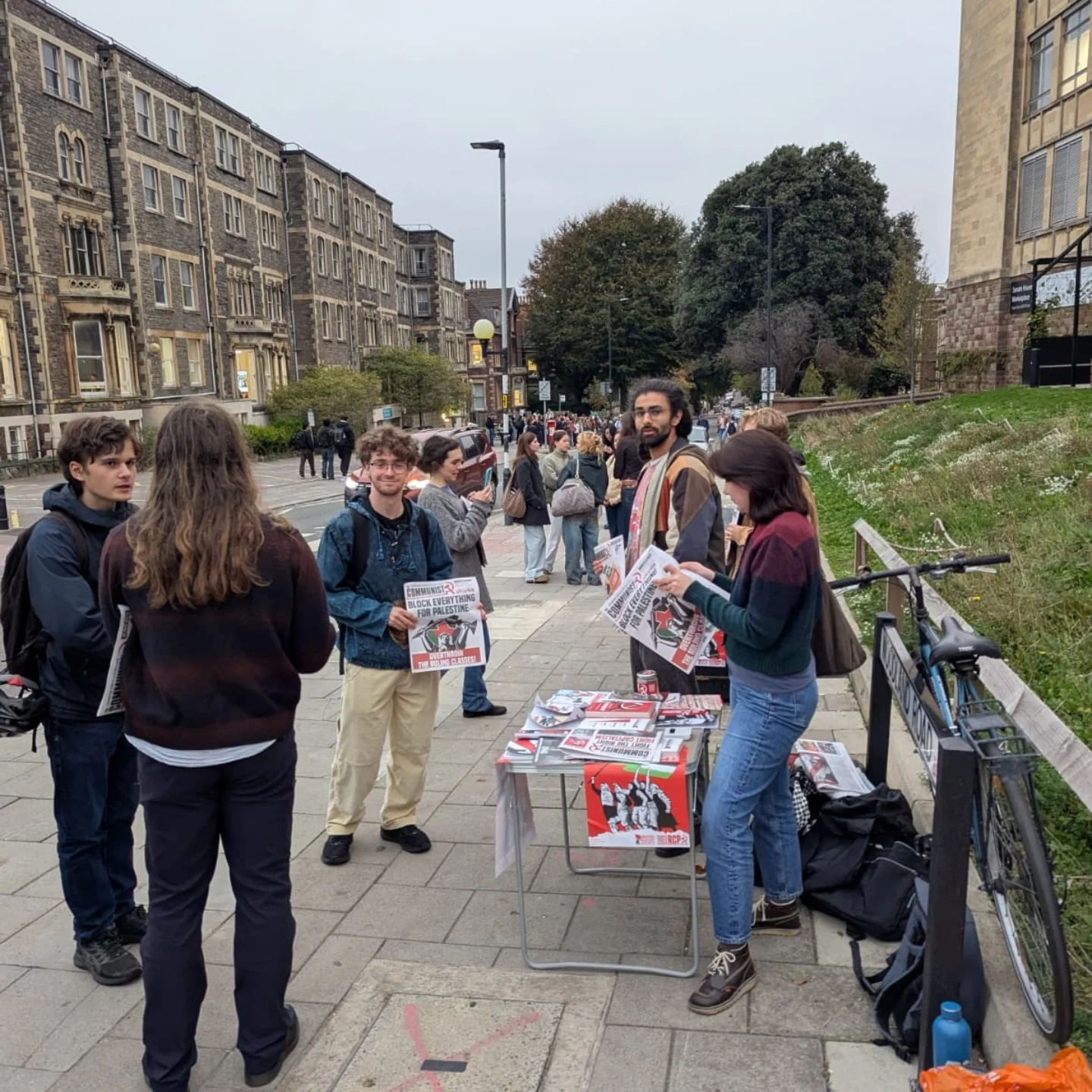
This state of affairs leaves many students in a bit of a lurch, stuck in a bit of a double life where home becomes an increasingly alien place as university progresses.
Over the course of my undergraduate degree I consistently found that the more I learnt at Bristol and the longer I lived in the city, the more I felt my hometown wasn’t quite getting things right. I began to feel more and more uncomfortable about the attitudes, politics and even the physical organisation of Banbury, which is astonishingly car-centric, and whose town centre has been decimated by the construction of shopping complexes next to the M40 motorway.
The situation has also taken a toll on my personal relationships with friends and family both at home and in Bristol. In each place, I often encounter vitriolic criticism of the way of life and perspectives of the people and place on the other side of the divide. Whether that’s with the farmers I’ve pulled pints for, my family, or my friends at home and in Bristol, it can be tricky, painstaking and stressful to navigate.
Nobody wants to alienate one half of their life or condemn their family. I’m sure I’m not the only person to encounter problems like this, and I’ll say my answer to the problem certainly isn’t going to work for everyone.
Ultimately, as you become more independent, I think it’s important to decide what you believe and stand behind those views. In my own case this has led me to choose to return to Bristol for a fourth year. My family and my hometown will always be important to me, but I have learnt to disagree agreeably with them and choose my own path, not only in politics but in other parts of life too.
 Ellen Paterson
 Katie Asha

Featured Image: ‘Vote Green Street Art’ | Epigram / Rory Nell
Have you encountered a shift in local politics moving to Bristol from your hometown?