By Lianne Ponferrada, Comment Subeditor
Like any Asian in the diaspora, I’ve struggled to reconcile my two cultures. Unable to converse in my parent’s mother tongues, I connect with my Filipino culture through food. Meanwhile, in an effort to prove how much I belonged in England, I dedicated myself relentlessly to knowing the ins-and-outs of English Literature. Studying English Literature was my expression of English culture– an acceptable form of patriotism amidst our fraught political landscape. Words were my sword; reading and writing was how I gained the respect of my white classmates. But, I feel as if the two needn't be so separate. This is why I wrote this haibun. Inspired by Ocean Vuong’s Immigrant Haibun, this prose-poem attempts to bridge the gap between my two facets of cultural identity– as frankly as possible.
The exhaust’s ostentatious hum stifles our yells. Sweet bolognese thickens in a wok. Lumpia rises and falls in hot oil, whilst the first ragged attempts are strewn across the table. I dab folded kitchen roll onto breaded thighs, breasts, and wings laid on battered foil trays (“disposable” and “one-time-use” are merely suggestions). The oven houses the ube cake, drowned in grated cheddar—the sickly smell of root vegetables, condensed milk, and garlic conjures an indulgent sickness.
She tries to teach me the ins and outs of arroz caldo: the thick, sticky rice immersed in a savoury broth, ginger nestling comfortably between each grain. That’s how she does it— My pot’s the cultural failure. I force my fork across brassy rice chunks and grow exasperated with my Mum’s accented lectures. Her tales of hardship inevitably misunderstood: the consequences of her grand sacrifice. Her verbal recipes: clumsily tumbling, never quite landing with me.
Then, a familiar but unpleasant warmth pulsates across my stomach. And, acrid vinegar lingers on my breath. A frigid sweat breaks out on my forehead. I rush to the toilet. My gut: the cultural battleground. Hypervigilant breaths suppress the emerging urge to vomit. The bathroom reeks of humidity and bitter soy sauce. My knees shake. I despise chicken adobo.
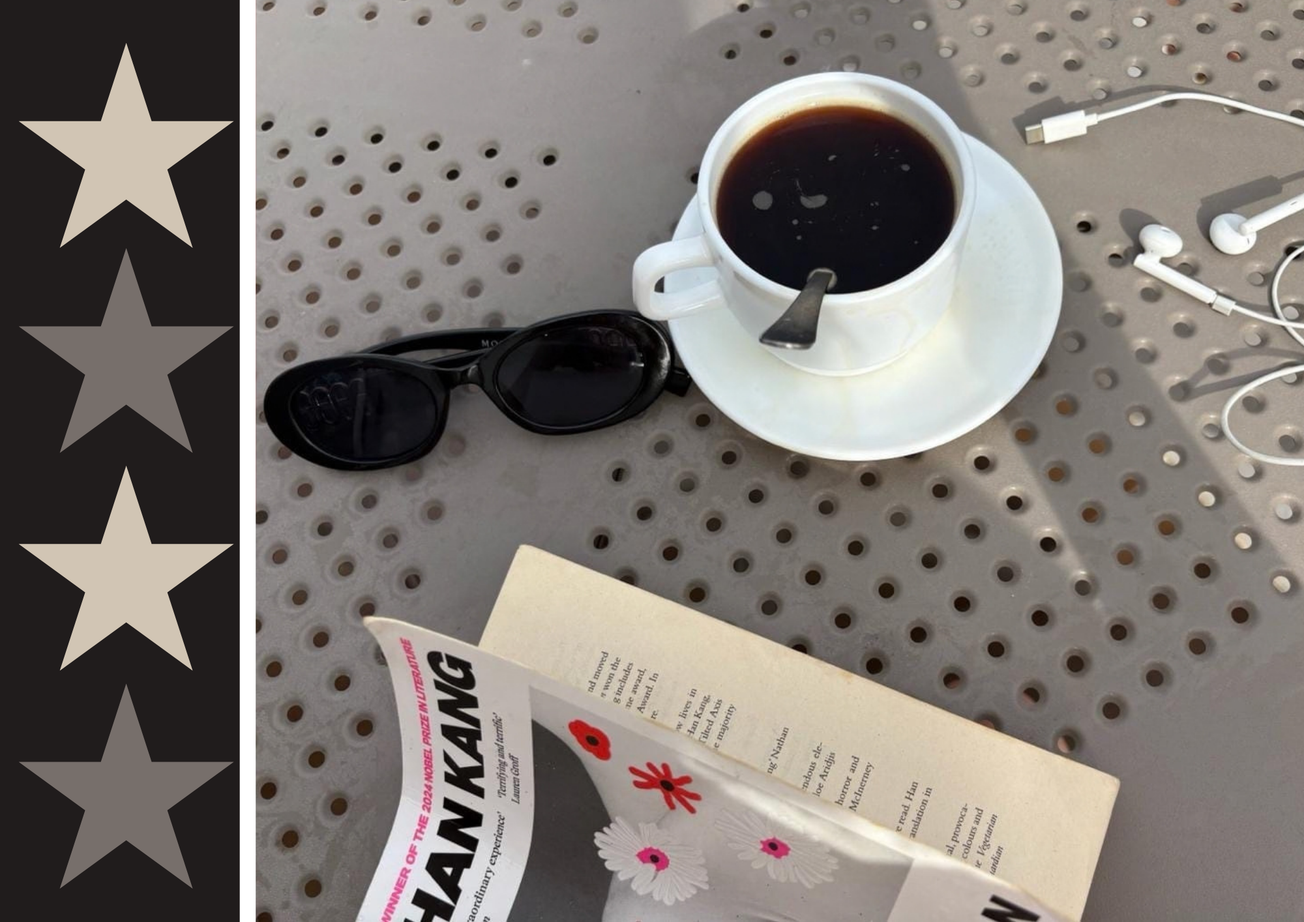
September. The British breeze whistles. Abalone light dances through the windows, teasing my bed sheets. My primrose duvet layers over my legs as I clutch onto Brontë’s Jane Eyre. The spine fractured with great affection. Every other page is dog-eared, and I continue to underline passages with smudgy pencil lines like it’s religious scripture. (Though, I still find myself pondering Bertha’s plight…)
Cold English autumns
And the splendid literary
Landscape unfolds.
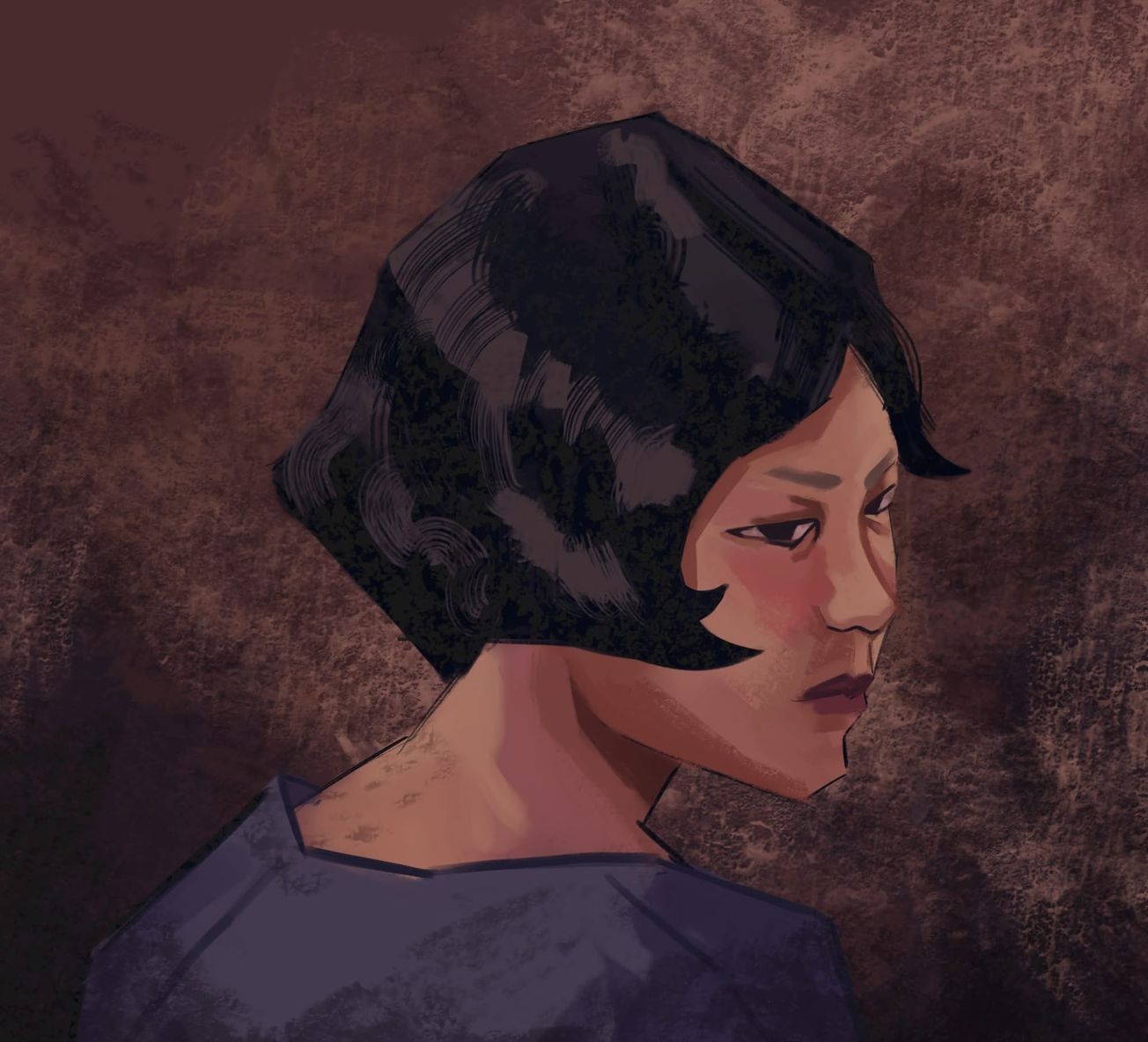
Reading The Bell Jar, I nervously bite my lip. Stumbling through similes involving “yellow Chinamen”, Esther finally peers at her reflection and sees the worst version of herself: the Asian woman whose eyes are drenched in smudgy kohl. I slam it shut. But I cannot inhibit my manic adoration for Plath. Mad Girl’s Love Song: my favourite villanelle. Lady Lazarus: the pulsating patriarchal call-out. Her sultry poetry readings; the elegant slur.
Throwing a plaid scarf over my tweed blazer, Ariel and my textbook on Tudor history rub against my pencil skirt. I kick wet leaves across the tarmac. I’m on my way to the library, excited to see him. We’ll talk about books. I’ll leer disapprovingly at his Churchill screensaver and disagree with his commendation of Orwell. I’ll subdue myself when he recognises Ted Hughes, but not Plath.
I won’t say anything.
Instead, I’ll cherish his precise accent.