By Lottie Merchant, Film and TV Deputy Editor
The South West’s largest celebration of African culture and cinema returns to Bristol from 19th to 22nd of November with a new director at the helm and a vibrant programme of films showing ahead of their UK release. Gwinyai Mparutsa, taking over from Annie Menter, has programmed eight feature-length films and two shorts for his first edition.
Founded in 2005 by Simon Bright and Ingrid Sinclair, Afrika Eye Film Festival encourages audiences of all ages and backgrounds to engage with African creativity, culture and history, whilst challenging myths and preconceptions of African cinema. The festival is based primarily at Watershed, with extra screenings at Easton Community Centre on Sunday 22nd of November.
This year’s tagline, 'First Look, Next Generation', reflects both the literal and thematic elements of the festival. ‘First Look’ refers literally to the timing of Afrika Eye:
‘Every feature in the programme is arriving fresh from the Cannes, Berlin and Toronto film festivals and showing here ahead of their UK release, so Bristol audiences will be among the first in the country to see them’
‘Next generation’ epitomises how they have ‘built the festival around the next generation: young people chasing their dreams through music, in the boxing ring, behind a camera, in stories of resilience, belonging and finding your voice’, says Mparutsa.
Mparutsa also examines how Bristol is an ideal home for the event: ‘Bristol has an audience like no other: a UNESCO City for Film with deep African and Caribbean roots, a huge student population and communities that don’t just watch films but carry the conversation on long after the credits roll. This festival is made for them’. (UNESCO stands for the United Nations Educational, Scientific and Cultural Organization. It’s a UN agency, founded in 1945 which recognises cities for their strength in areas like film, music literature and design. Bristol was designated a UNESCO City of Film in 2017).
The festival opens at Watershed on Thursday 19 November with Clarissa (2026), a reimagining of Virgina Woolf’s Mrs Dalloway set in Lagos. Directed by twin brothers Arie and Chuko Esiri, it stars Sophie Okonedo and David Oyeowo, alongside Ayo Edebiri (The Bear), India Amarteifio (Bridgerton) and Toheed Jimoh (Ted Lasso).
On Friday 20th November, the musical drama Congo Boy (2026), from the Central African republic will be showing. This is directed by award-winning Rafiki Fariala, who also contributes some of the music. The film follows a teenager who, despite civil war, his parents’ imprisonment and the responsibility of caring for his younger siblings, refuses to give up on a music career.
Saturday at Watershed begins with Crocodile (2026), in which a young Nigerian art collective makes sci-fi films with homemade equipment while documenting their lives. It won the Vison Award at Tribeca Festival. This is followed by a South African hip-hop double bill. Opening with the short Amigo the Griot (2026), which uses music, memory and stories to explore the life of a blind Afrikaans hip-hop storyteller. It is followed up by Notes from the Underground (2026), which looks at the recent history of Cape Town ‘s Cape flats through its underground music, art and mentorship scene. It features some of South Africa’s best-regarded hip-hop stars, and will be followed by a Q&A.
The final day starts at Watershed with Cotton Queen (2026), Suzannah Mirghani’s award winning debut feature from Sudan. It tells of a young cotton farmer whose simple life, and lessons in traditional ways from her grandmother, are upended by the arrival of a businessman with new ideas. Events then move over to Easton Community Centre, starting with Amazing Grace: Yoruba Worlds (2026). Co-written and narrated by Nobel laureate Wole Soyinka, the documentary reveals the ways Yoruba songs, stories and rhythms are kept alive by the descendants of those trafficked from Afrika to Brazil, with contributions from Afro-Brazilian icon Gilberto Gil. A Q&A follows.
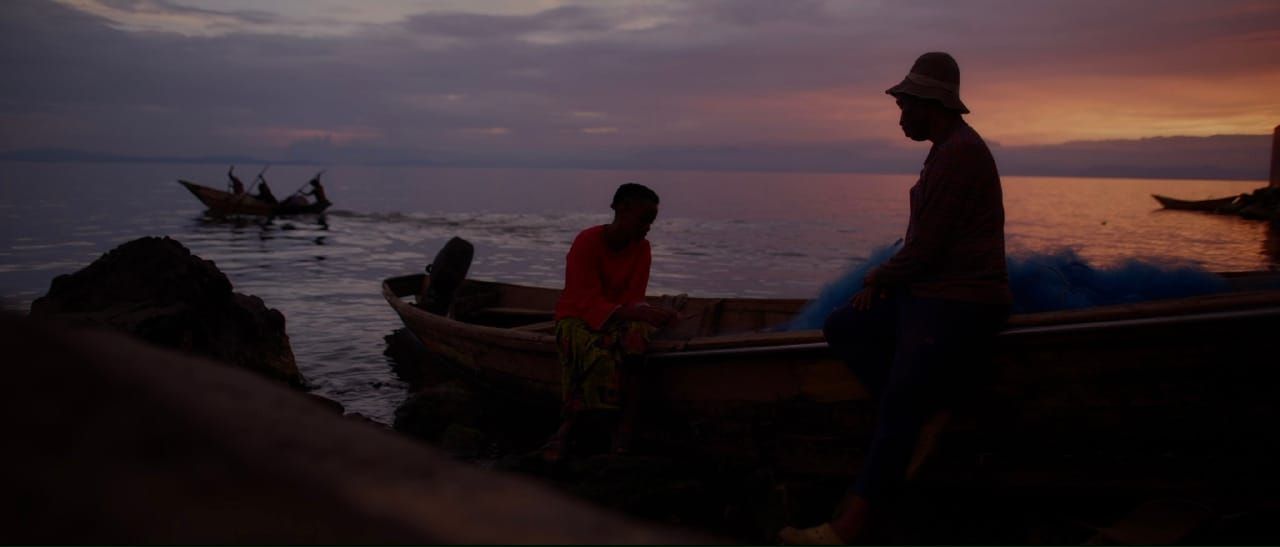
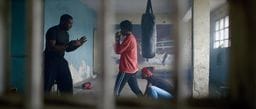
The festival closes at 6:45 with two boxing stories. Rise (2026), a short from Zimbabwe, follows a boy living on rubbish dump, who wants a local coach to teach him to protect himself. It is followed by Fight Like a Girl (2026), a feature only now available in the UK, inspired by the true story of a Congolese woman who escapes enforced labour in an illegal mine and builds a new life as a professional boxer, and this is also followed by a Q&A.
The festival is funded by Film Hub SW and The Morel Trust. It offers the chance to see African stories told by African filmmakers, on their own terms. In a city with deep African and Caribbean roots, the festival facilitates a way to see that heritage reflected on the screen. The 2026 festival is both a milestone for Afrika Eye and a reminder of what a UNESCO City of Film can bring to its community. As Mparutsa puts it, this is a festival for audiences who ‘carry the conversation on long after the credits roll’.
Featured Image: Afrika Eye Festival
Will you be attending some of Afrika Eye Film Festival's events?