By Alice Lewis, Third year, English and Film
CW: Discussions of sexual assault
‘Look to your left. Look to your right. It’s one of us.’
I looked to my left. The man beside me spent almost all of Prima Facie (2026) scrolling through Facebook while his partner stared at the screen. I already loved this story and, by the credits, I was furious. A film about a woman fighting to be heard, playing to a man who was not listening. If anything, Prima Facie is an educational spectacle that should be seen by all.
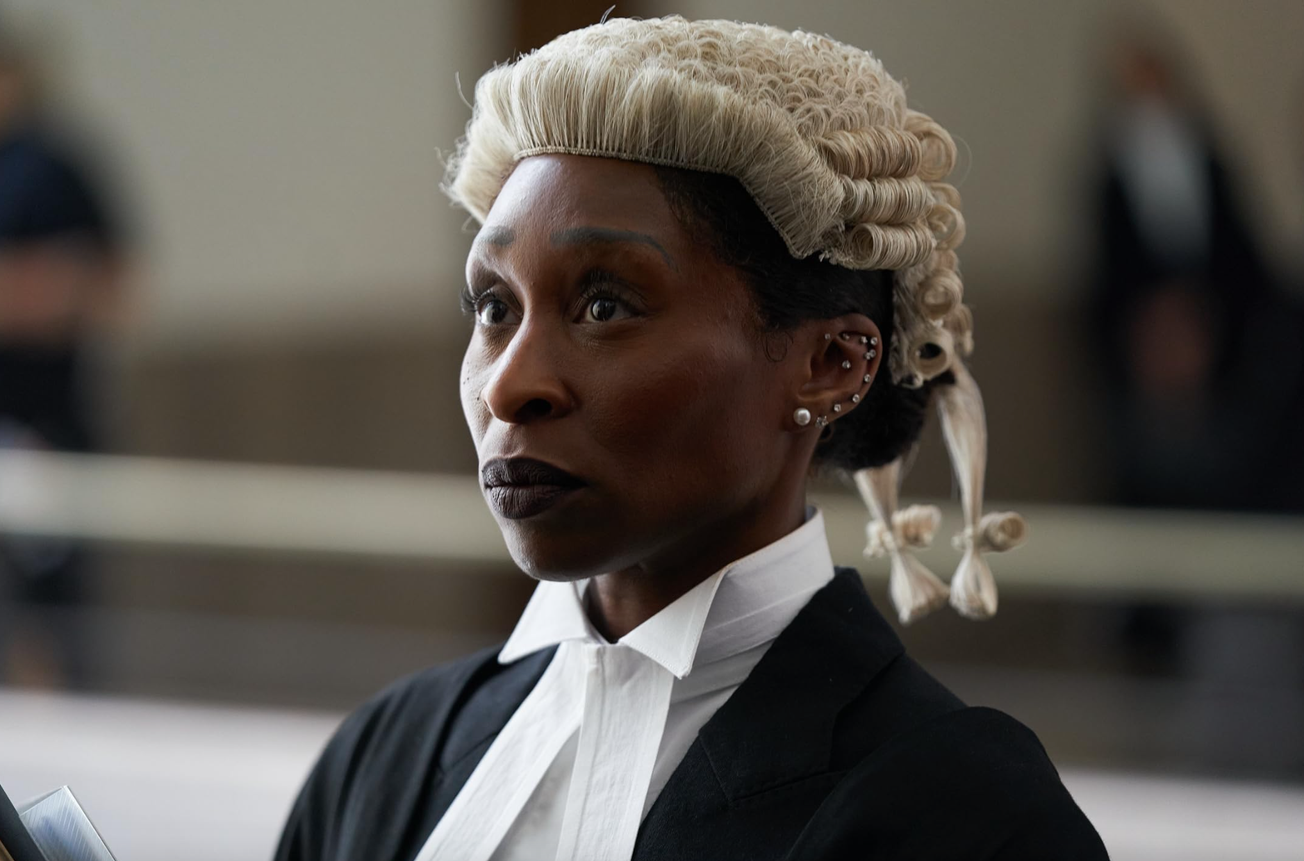
Tessa Ensler (Cynthia Erivo), a working-class criminal defence barrister in London, excels in representing her clients, particularly those accused of sexual assault. Tessa is then raped by her coworker Julian (Daniel Ings) after a romantic date and must face the courtroom as a victim on the other side. Prima Facie criticises the UK legal system that has been built and shaped by men and highlights the loopholes in the law that clear the defendant. With everything in the news recently around Russell Brand, this film is timelier than ever. The truth is, one in three women are sexually assaulted within their lifetime.
In my opinion, the original stage production of Prima Facie, written by Suzie Miller, is one of the best pieces of theatre to come out of the 21st century. Jodie Comer stars in a one-woman show and commands the stage for over an hour. For fan favourites like myself, seeing this beautiful piece of writing adapted for the screen by Miller is both daunting and undoubtedly exciting in the hope that its overarching message can reach a much larger audience than theatre fanatics.
Erivo must be commended for her harrowing performance. Tessa is a deeply complex character and she is played with enormous conviction. Trauma is navigated delicately in a difficult role for an actor to work on. Through the film’s framework, Erivo contrasts Tessa’s hubris before her trauma with her frustration and devastation in its aftermath. Where the stage gives Tessa a monologue, the film gives her a voiceover, which underscores the action and does much of the groundwork in conveying her inner conflict: something that is far easier to portray in theatre than on screen.
Whilst the acting can be commended, the camera work is less exciting. Much of the film pictures Erivo frequently walking in static shots, seemingly to nowhere, which weren’t so effective or creative as a motif. The visuals often lacked depth, falling back on cityscapes of a corporate London and I found myself asking whether this style was cinematic enough to be a film at all.
The bigger problem is time. 1,107 days pass between the assault and the trial yet the film marks this with nothing more than an intertitle and a montage time skip. In the courtroom, Tessa later tells us what she has lost since the assault but we never see it. Instead, time is marked by the ageing of her mother (Noma Dumezweni) and brother Jonny (Toheeb Jimoh), who act as foils to her own sharpness of character. Where Tessa is articulate and polished, her mother is quiet and measured.
 Rintaro Edgecombe
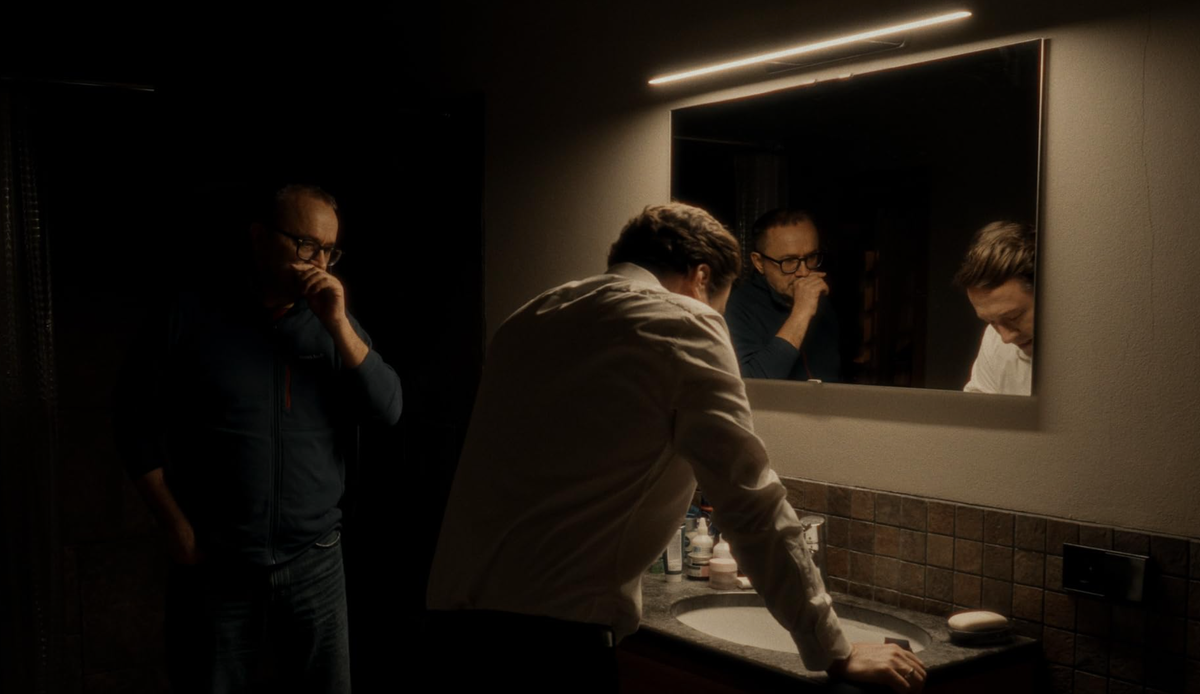
Film can go where a one-woman play cannot and this was the opportunity to show those consequences and add something new. Visual exposition would’ve heightened the film’s emotional depth. Instead, the film relies on Erivo’s screen presence and voiceover to carry it. We never see her wearing the pink shirt, which again left emotional threads unexplored. In the play, the gift highlights her mother’s pride and the class gap between home and chambers, whereas, in the film, it is lost into the mise-en-scène as a quick moment, which, in the play, is more significant and effective in communicating Tessa and her mother’s nuanced relationship.
That being said, this is an incredibly challenging adaptation to tackle and the producers were brave to do so. It is promising to live in a world where social issues, particularly those affecting women, are being shown on screen. Perhaps it is pretentious to say you should watch or read the play before the film but you should. This is a story for the ages. I only hope that, next time, the man to my left looks up.
Featured image: IMDb / Prima Facie
Do you think Prima Facie lives up to the stage version?