By Emma Coleman, Co Editor-in-Chief
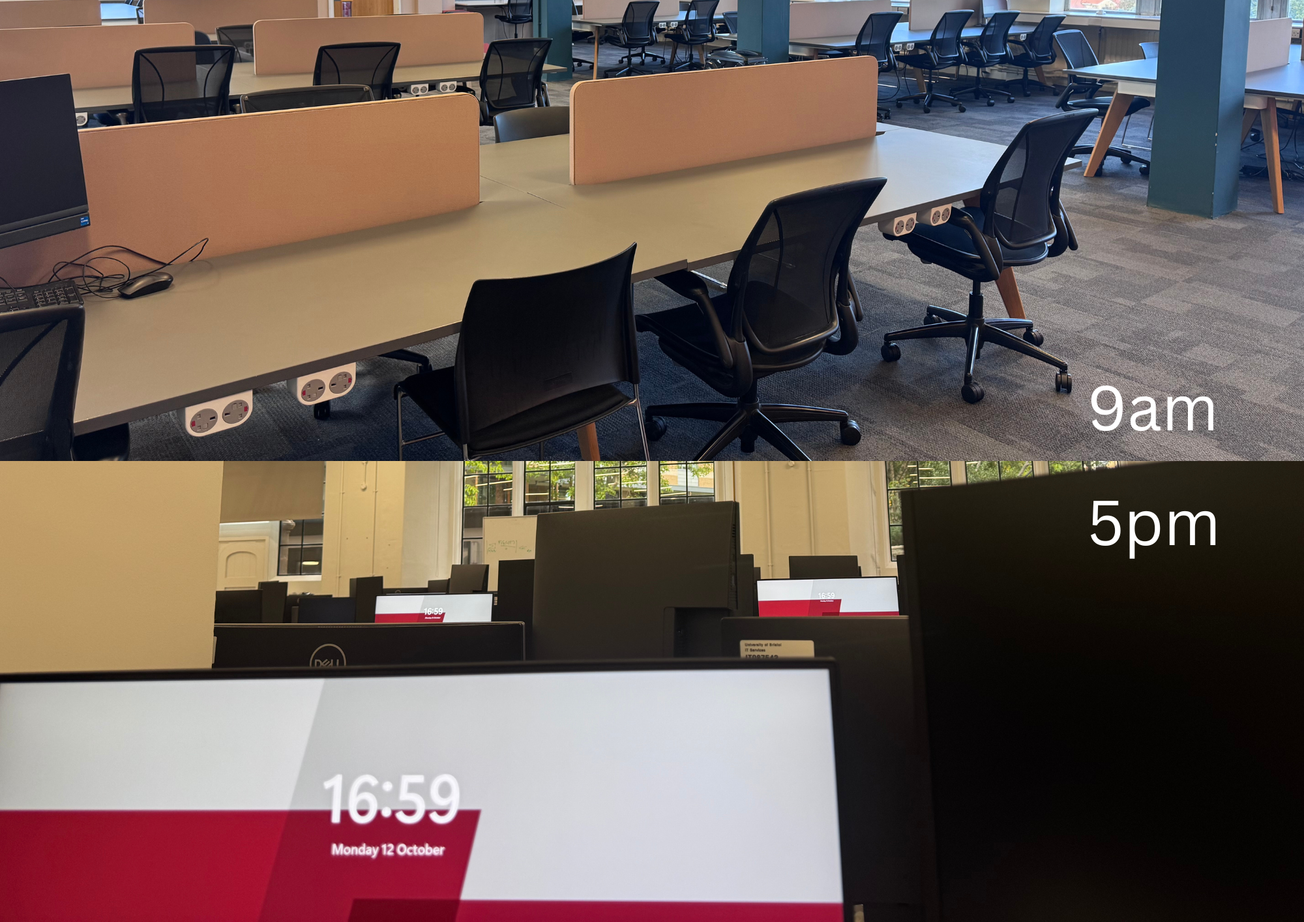
We often hear the advice to treat our university days like a 9-5. Whether this means being on campus between these hours, at a cafe, or at home, this structure is recommended to help you get more work done and provide a sense of routine. By containing your working hours this way it is also seen to prevent burnout by giving your evenings and weekends back - something I was direly in need of. After a week of treating my working hours like a 9-5, I bring you my thoughts.
Last Sunday I sat on my bed, drastically behind on my seminar work, barely having thought about my dissertation, group projects looming over me and a million things to do for my role as Co Editor-in-Chief. I was at a complete loss on how to turn this around. This is when I decided a 9-5 structure sounded much better than procrastinating during the day and spending late nights (sometimes turning into very early mornings) working. Sleep deprived and stressed, I needed to try something new.
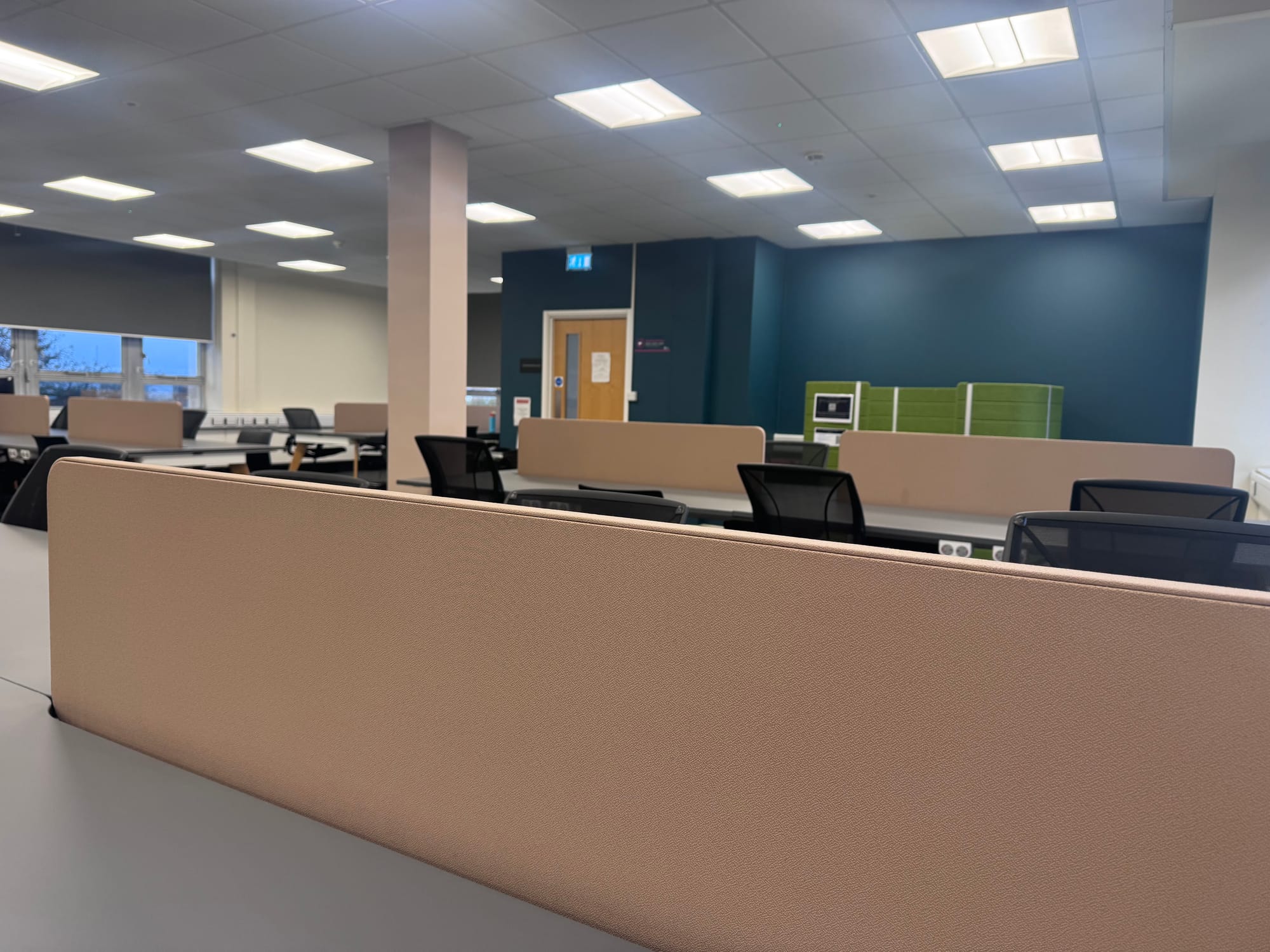
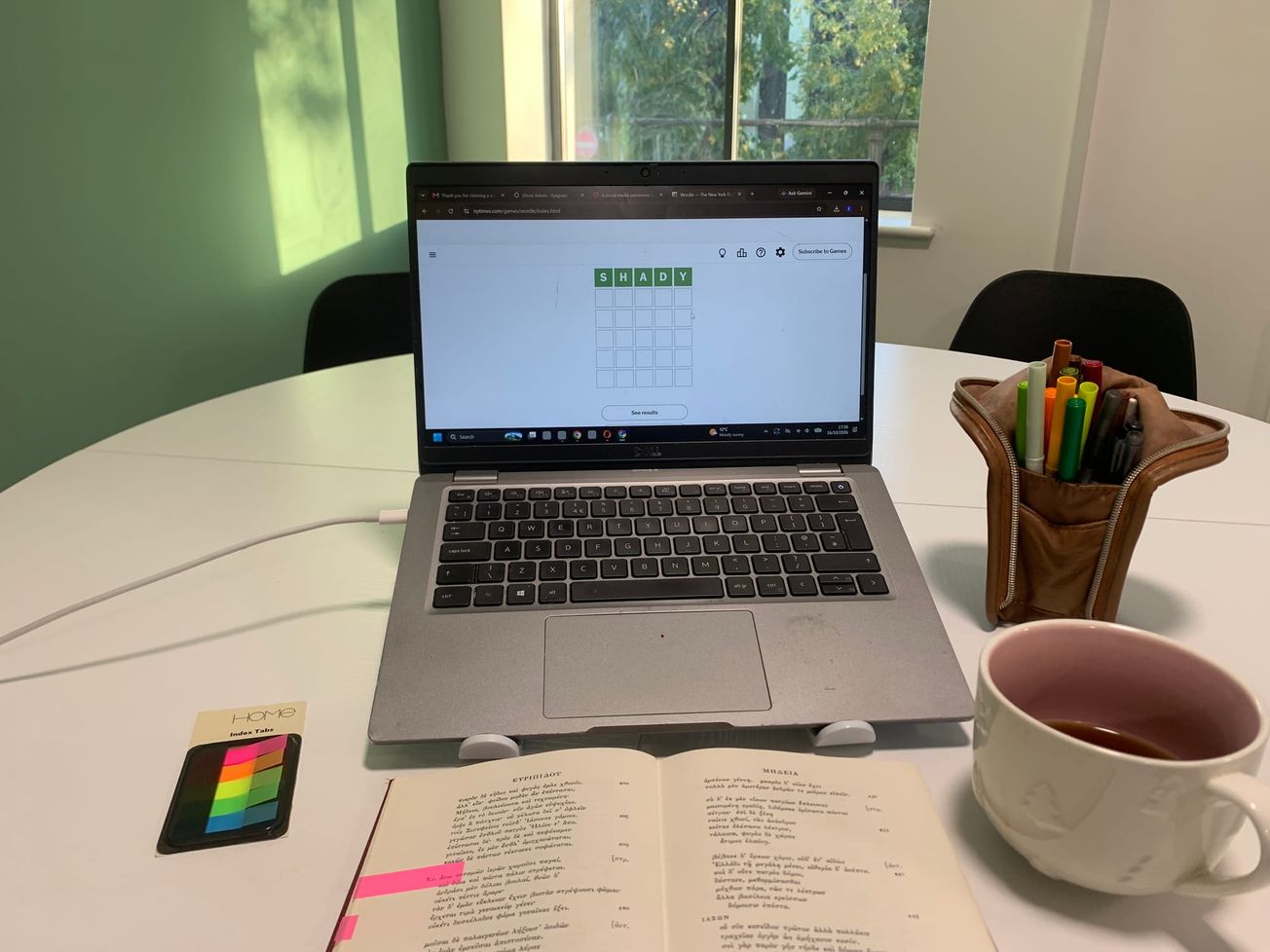
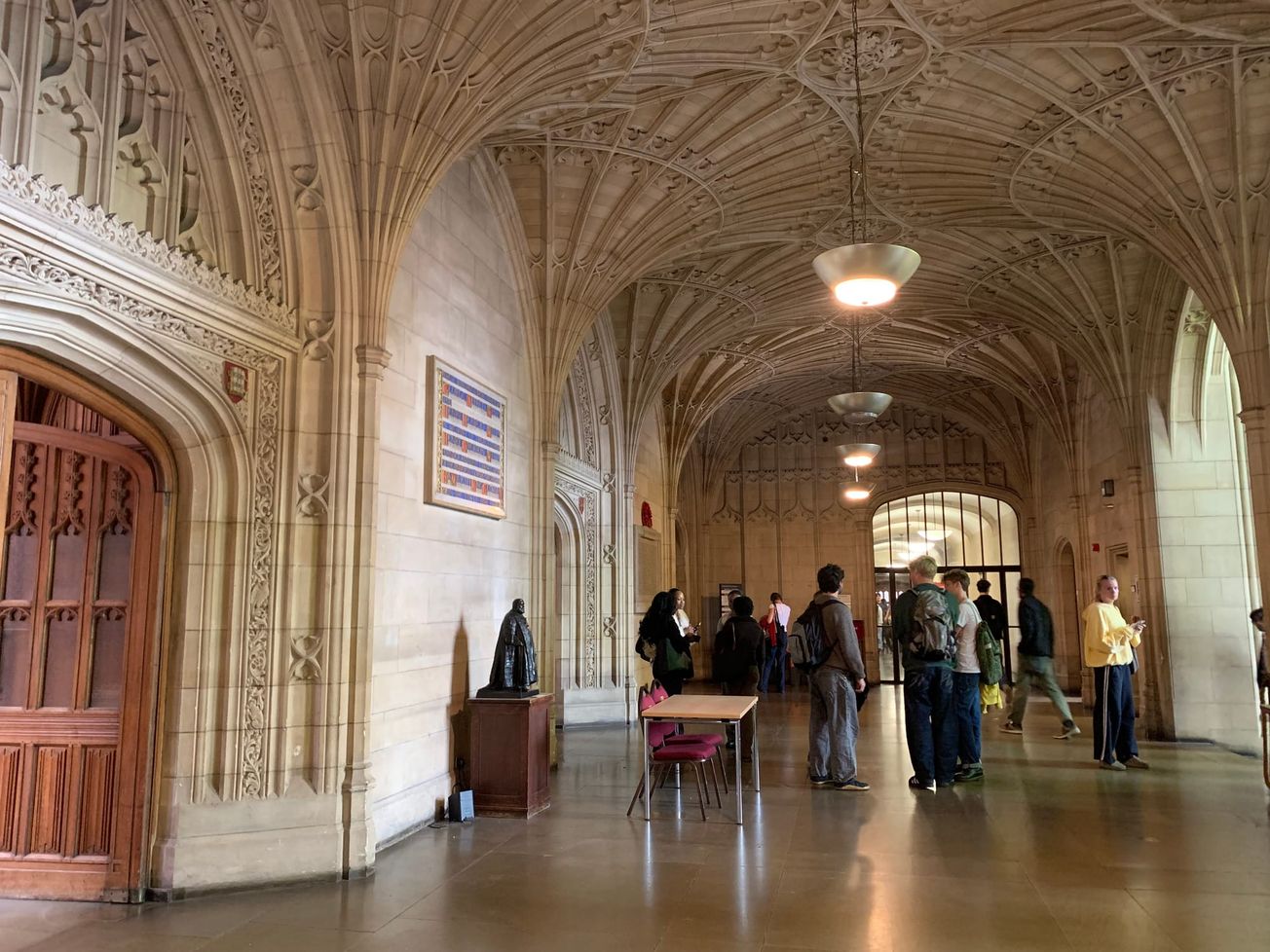
And so it began. On Monday I spent the entire eight hours on campus moving between Senate, Hawthorns and the ASSL. It felt great coming home at 5pm having done tons of work and feeling guilt free when taking the evening off. I made a nice dinner, watched a film and got to bed early at 10pm ready for tomorrow. I thought, this is revolutionary! Why haven’t I been doing this the entire time!
As you might have guessed, it went downhill from there… Tuesday was a breeze, once again a full day on campus with extreme levels of locking in. But, after an impromptu pub trip I just about made it to uni at 9:30am on Wednesday and felt too tired to stay past midday. Although I attempted to work at home I could not work as effectively or without distractions. Feeling demotivated, Thursday was far from a 9am start and far far later than a 5pm finish and I only made it at 9am on Friday as I had a lecture.
Overall, I do not think I got any more work done than in my average less-structured weeks and instead I felt incredibly burnt out by the end of the week and guilty when I could not stick to the plan. When waking up late I then self-imposed extra hours after 5pm that defeated the whole point of regaining some free time. I remained sleep-deprived and by the end of the week I was morphing into my usual patterns.
So, am I lazy, overworking myself or does the 9-5 structure simply not work for me?
When asking Epigram’s readers how they structure their day, only 24 per cent said they treat it like a 9-5 and instead 6 per cent said they work only in the mornings/evenings, 10 per cent said they work during the week but not the weekend, and 60 per cent (like me) just wing it. This just goes to show how different we all are in terms of our priorities and habits. For example, someone that enjoys a sports night is probably not going to be up and grinding at 9am on Thursday. In contrast, someone who values weekends, maybe you have a part time job or want to visit a friend, will have to dedicate more time during the week.
That is why a prescribed 9-5 cannot work for everyone. Instead, I see the value in taking the hours you are expected to work outside of contact time, dividing these between the days you are available to work at the times that suit you and ensuring you give yourself at least one day off a week. Structure is important but it must work for you individually - morning person or night owl, lover of sports night or Thekla saturday, homebody or library worker.
 Eve Macaulay
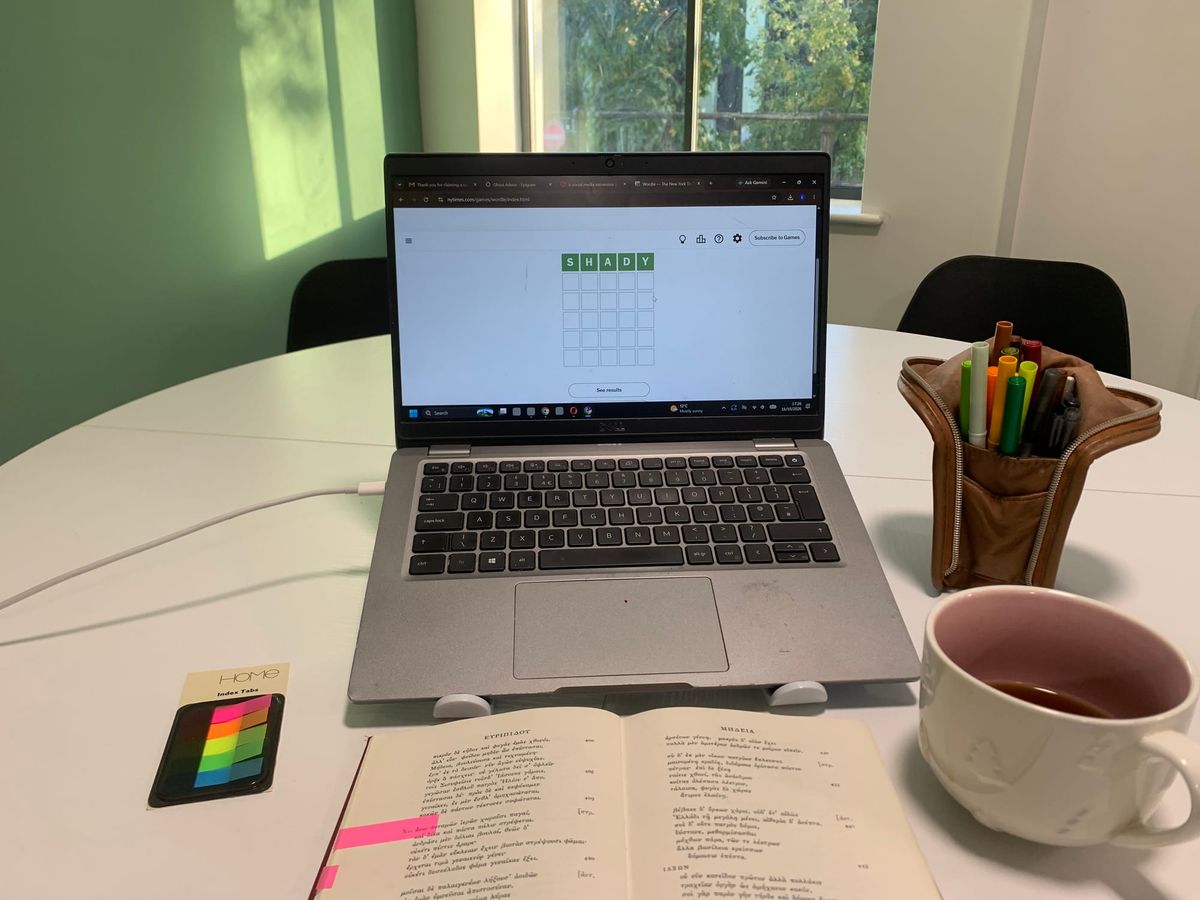
A 9-5 was not the miracle cure for my academic stress and burnout that I thought it would be. Disappointing as it is, I still need to find what works for me and, if you do too, why not give a 9-5 a try.
Featured image: Epigram / Emma Coleman
How do you structure your time doing university work, if at all?