
By Lysander Pierce, Second Year, English and French
Is the government's recently announced ‘Turn it Up’ funding package a whole load of nothing? Or is it an exciting move in the right direction with heaps of potential to help music creators, listeners, and everyone in between?
As Keir Starmer geared up to leave office, his government announced several new policies in an uncharacteristic flurry of activity. Amongst the expected stodgy centrism, such as a £47 billion increase in defence spending with no identified funding, the increased funding and attention given to the UK’s music sector came as a very pleasant surprise. As Lisa Nandy, the current Secretary of State for Culture, Media and Sport, rightly pointed out, music is a huge part of life in the UK, helping form ‘our national fabric’. Across the country, but particularly in cultural centres like Bristol, this investment could greatly benefit budding musicians, casual concert-goers and hardcore heads alike.
The government’s aims, as outlined in their official policy paper, are wide-ranging but largely positive, affecting music creators, fans, and the businesses and venues that keep the sector alive and kicking. Their main investment plan is the Music Growth Package, for which funding has been increased from £30m to £45m over three years. Its three separate ‘strands’ mean this funding can benefit a wide variety of industry roles, from individual musicians and bands to small independent venues and festivals.
The affection for music that so many of us share may be deeply emotional, but it is also an economic force to be reckoned with. With 23.5 million tickets for UK gigs sold and £4.8 billion generated in music export revenues in 2024, the case for such investment is undeniable.
Here in Bristol, it will make a substantial difference.

For starters, the government has changed the rules around Temporary Event Notices. These allow festivals, pop-up events and hybrid venues (think our beloved Boxing Gym) to host licensed events temporarily. Venues can now apply for up to 20 a year instead of 15, with up to 26 event days in total, rather than the previous 21. Allowing venues this flexibility means more festivals, gigs, and club nights for us, and more ways for them to stay financially afloat.
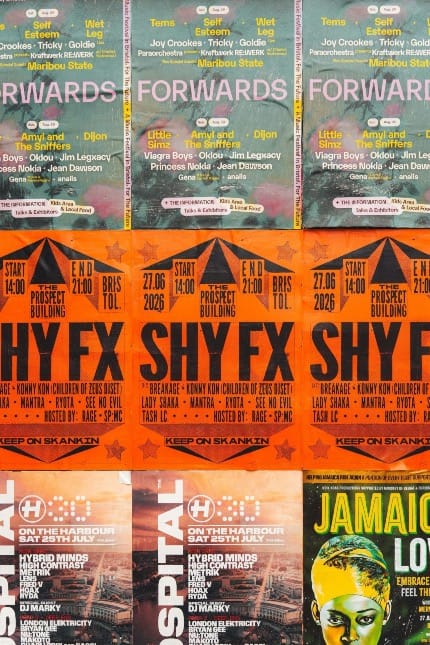
Permanent live music venues haven’t been neglected, though. A cut in business rates of 15 per cent this year, followed by a real-terms freeze for the next two years, provides a significant cost reduction. Given that more than half of the UK's small music venues failed to make a profit last year, the government’s action is a critical step to preserving the country's live music scene and preventing venue closures. Whether your favourite Bristol venues are the big hitters like the Prospect Building and the O2 Academy, or the likes of The Exchange, the Shredenhams' back room or even Thekla, they will all fare better.
The government will also continue to support previous policies that provide relief for music venues and for fans. You may be familiar with the £1 ticket levy, a voluntary measure that means an addition of £1 on each ticket sold for a gig will be invested in grassroots music venues. The government also previously announced a crackdown on ticket reselling or secondary sales, banning resale platforms from listing tickets above their original price.
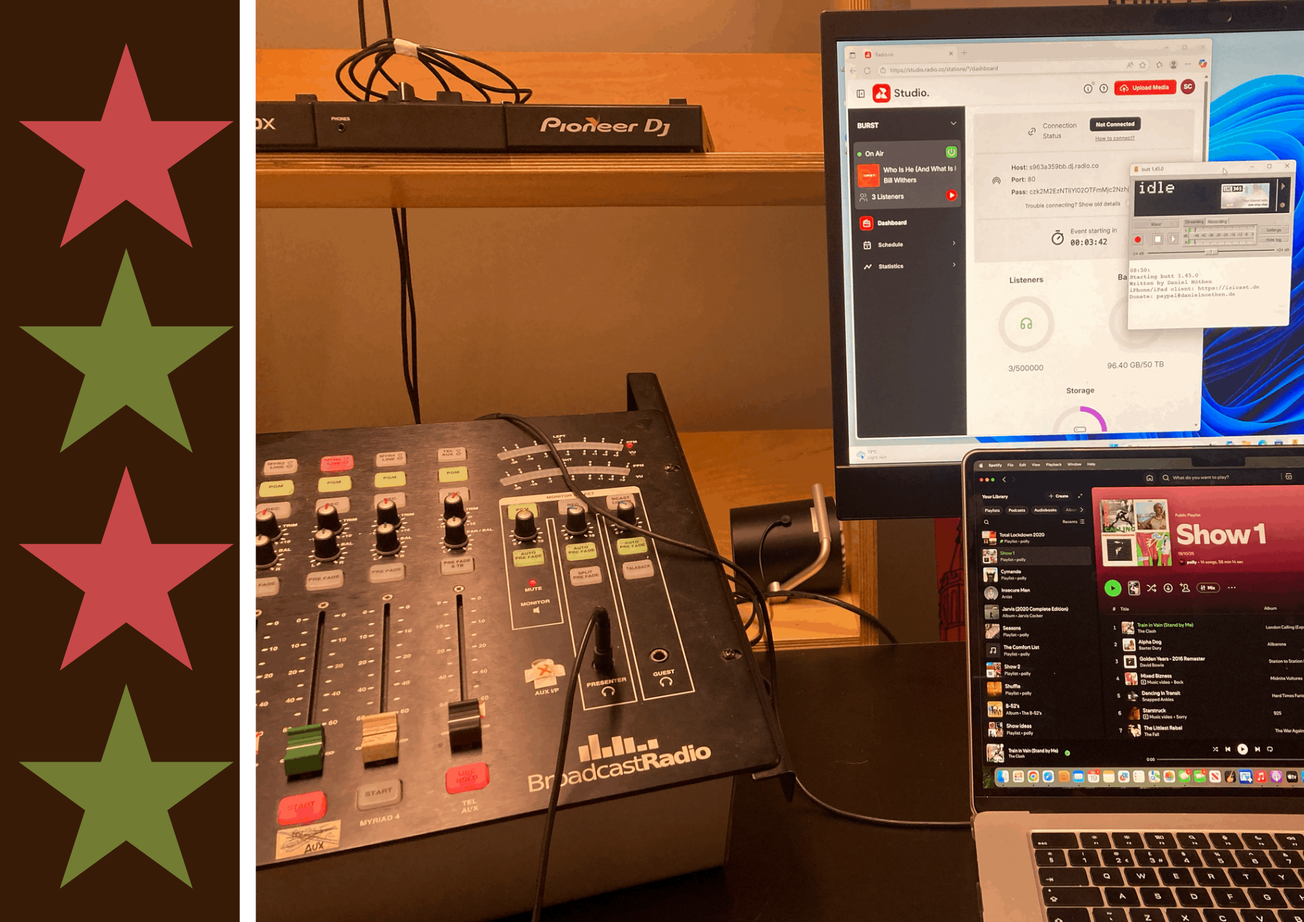
The musicians among us also stand to benefit. Partnering with the Ed Sheeran Foundation, the government has announced funding for libraries to create free studio spaces with mixing desks, state-of-the-art recording equipment, and more. These spaces will be free to access, enabling bands and artists to record demos or even full tracks without renting studio space or creating an expensive home studio.
The government also has a clear intention to mitigate the damage done to EU touring since Brexit, meeting with the European Commission in March and publishing a research report in June. They have increased funding for the Music Exports Growth Scheme and British Music Embassy, whose previous beneficiaries include artists such as Little Simz and Ezra Collective. Finally, planned expansions of workers’ rights will give aspiring musicians, technicians, and DJs increased legal power to fight exploitative practices such as unpaid internships.
 Ish Kumar
In addition to existing musicians and fans, the government is seeking to champion accessibility and education in music. They plan to overhaul GCSE music and revamp music education in state schools more generally. Outside the classroom, Music Hubs (such as Bristol Music Hub) will receive an extra £25m of funding by the end of the 2026/27 academic year. There will also be targeted mentoring for care-experienced children and young people. Pride in Place funding and the Creative Places Growth Fund will help communities and Mayoral Strategic Authorities to champion music in their corner of the world.
This all sounds pretty positive, doesn’t it?
Unfortunately, many of us will find this otherwise promising announcement inconsistent and insubstantial in one area: AI. While the policy paper states a commitment to the 2030 clean fuel target and progress towards net zero, even using Bristol’s own Love Saves the Day as a positive case study, its support of AI adoption is deeply alarming. The government is investigating AI music with a consultation on ‘replication’ and even directly named ‘AI slop’ as a concern for creators and consumers alike, but still claims to support so-called ‘ethical’ AI adoption in the creative industries. They have even appointed an ‘AI Champion’ for the creative industries and are investing £200m in AI adoption.
In my view, there is no such thing as ‘ethical’ AI adoption, whether it is because of job elimination, ecological impact, or artistic integrity. Overall, the government seems to be saying the right things about the climate, but taking a series of contradictory actions in an attempt to balance the pressures from international tech businesses and the genuine needs of music creators and fans.
 Arianna Balsamo
But hey, at least musicians are being somewhat considered! Since this policy announcement, the UK has had a change of government, and many will be wondering: could our new Prime Minister go further?
Given how recent this policy is, it's unlikely to be majorly changed in the next three years. The devolution of funding also speaks to Andy Burnham’s political priorities. The AI policy indeed leaves much to be desired, and some have argued that Burnham could build on these plans by investing in independent labels.
In the big picture, though, students and young people will likely benefit greatly from these new policies, whether you’re an aspiring artist or simply hoping for more accessible and frequent gigs!
Featured image: Epigram/ Lucy Bevan
Will you be taking advantage and turning it up?