By Florence Snoxell, Fourth Year, History
When you first step off the plane in the new country you're about to call home, your head is full of ideas of what that entails. Living, studying, working abroad is not always easy; but does one come to appreciate the challenges? Do we learn more and come to value the experiences that take us by surprise, for good or bad? Florence Snoxell explores the good, the bad, the does and the don'ts of a year abroad.
My determination to maximise my time abroad and my thrill to explore produced an almost endless itinerary. I relished always having someone to talk to or something new to dip my toes into. Even after lessons began, bars, cultural events and day trips could introduce me to dozens of fresh faces and concepts daily. I admired how the usual rules governing social decorum seemed suspended; I could be extraordinarily frank with complete strangers, who would respond in kind, safe in the knowledge I would likely never meet them again.
Yet a combination of culture shocks, sleep deprivation and the disheartening realisation that some Erasmus+ students prioritised drinking and fleeting romances took its toll. To admit I was unfulfilled, however, seemed tantamount to admitting failure. How dare I be unhappy in one of the most beautiful, historic and culturally vibrant metropoles in the world?

Although there is no definitive record for how many British students study abroad, it is clear the UK sends out far fewer students than it welcomes. The best data available estimates no more than 2 per cent of British students spent part of their degree overseas.
No more that 2 per cent of British students spent part of their degree abroad
This scarcity only adds to the glamour and mystique surrounding the study abroad experience. We envision someone whose Instagram feed is filled with aesthetically curated photos of their host city and their travels, their 300 new best friends and their new international significant other.
The truth is more complex. As ExpatFocus notes, ‘a year abroad is less a perpetual holiday and more a lifestyle requiring constant adaptability’.
It is crucial to find structure. Whilst my academia carried little weighting in my final degree, it proved one of my most fulfilling anchors. A great novelty of my host university was that nobody held my hand, freeing me to study almost whatever interested me. Beyond my usual history lectures, I took classes on languages, the history of art, East European studies and philosophy. The academic culture was also far more open and informal, such that I always felt comfortable sharing my opinions and having them challenged. For example, lessons in Czechia are traditionally 90 minutes long leave sufficient discussion time if students arrive late. It is also not unusual to have a beer with your tutor and classmates before the holidays.
Remember that your time abroad is a unique (if sometimes harsh) opportunity for your personal and cultural development, rather than a chance to project a carefully curated image of yourself to others. In this respect, I found it unhelpful to monitor social media pages. Although it helped me communicate and discover new activities, it was disheartening to see both my home friends and Erasmus+ peers appearing to settle in more easily than I was. Finding healthier, less constant ways of staying connected with my friends at home and prioritising real-world experiences in my host city proved far more rewarding.
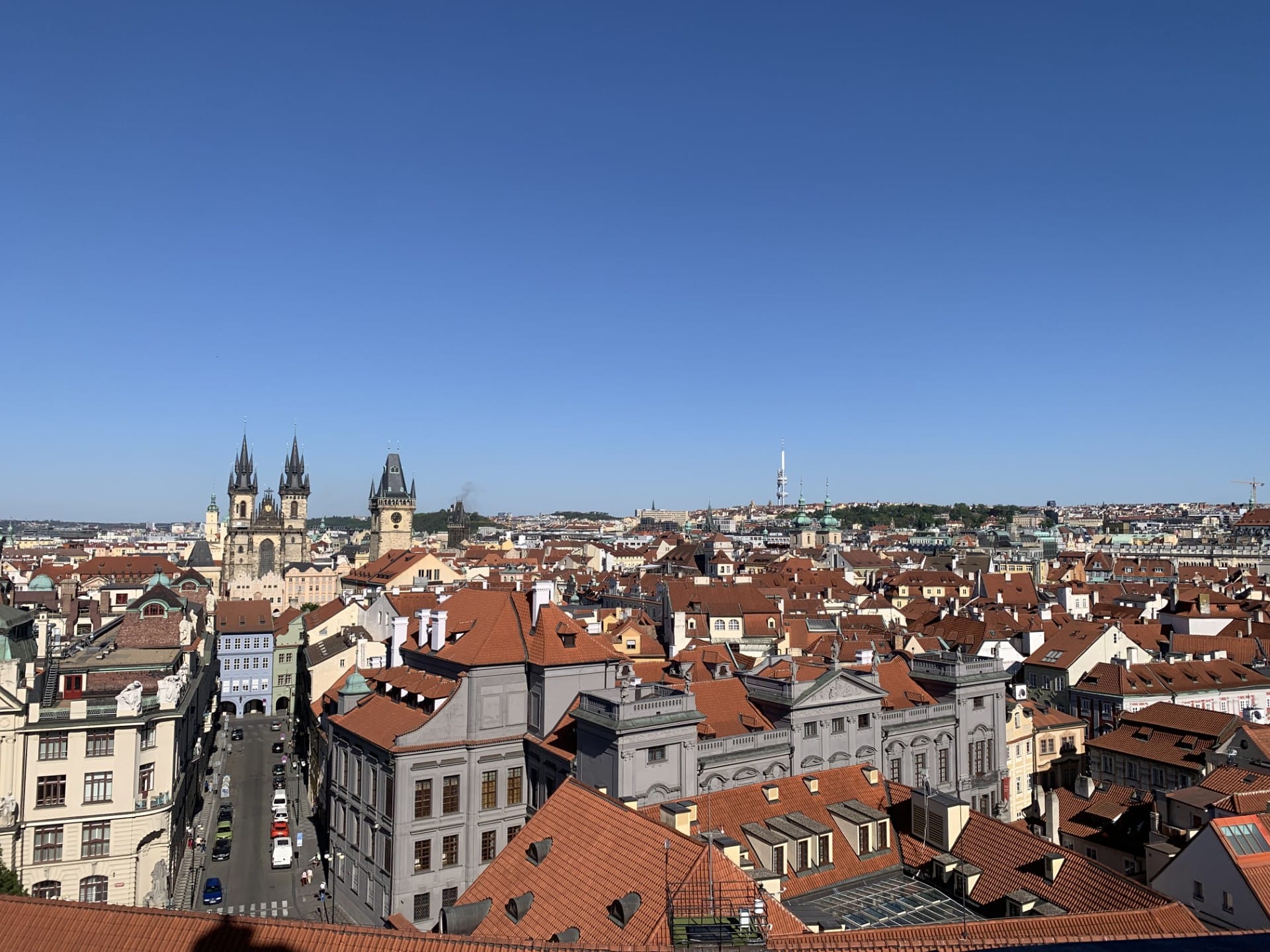
Loneliness is a significant, though largely under-discussed, challenge for students abroad. An estimated 58 per cent of expats experience it in their first year, reporting a detriment to their emotional well-being. At the start of your placement, you may find this inconceivable; most people on study abroad programmes are naturally open and curious, making them very approachable. The reality, unfortunately, is that it often takes time to know if someone makes a good friend.
An estimated 58 per cent of expats from across 162 nationalities experienced loneliness in their first year abroad
Particularly common on Erasmus+ programmes is the fair-weather friend who, only abroad for a semester, sees little reason to put down roots. They often only reveal their more hedonistic values when you impede them. Equally, you may change enough over the course of the year to start drifting away from people who once felt important.
This is entirely natural. I certainly went through more friends than beers, and I was living in the beer capital of the world. Ultimately, I ended up with a small but rich circle of close friends from various countries, without feeling compelled to pursue unfulfilling friendships. Time is precious and the people you invest it in should be worth it.
Accelerate finding genuine friends through having regular, stimulating conversations. This will help you understand if you genuinely value the other person’s worldview and can form a meaningful bond. They will also help you make the most of your opportunity to learn from and be challenged by people raised in different cultures to you.
That said, avoid relying too heavily on others. Learn to relax and enjoy your own company: it gives you the freedom to be spontaneous, as well as work out precisely what you find fulfilling without the need of earning anyone else’s approval. This mindset allowed me to walk around random areas for hours, book day trips the night before and get the most mileage out of free museum days.
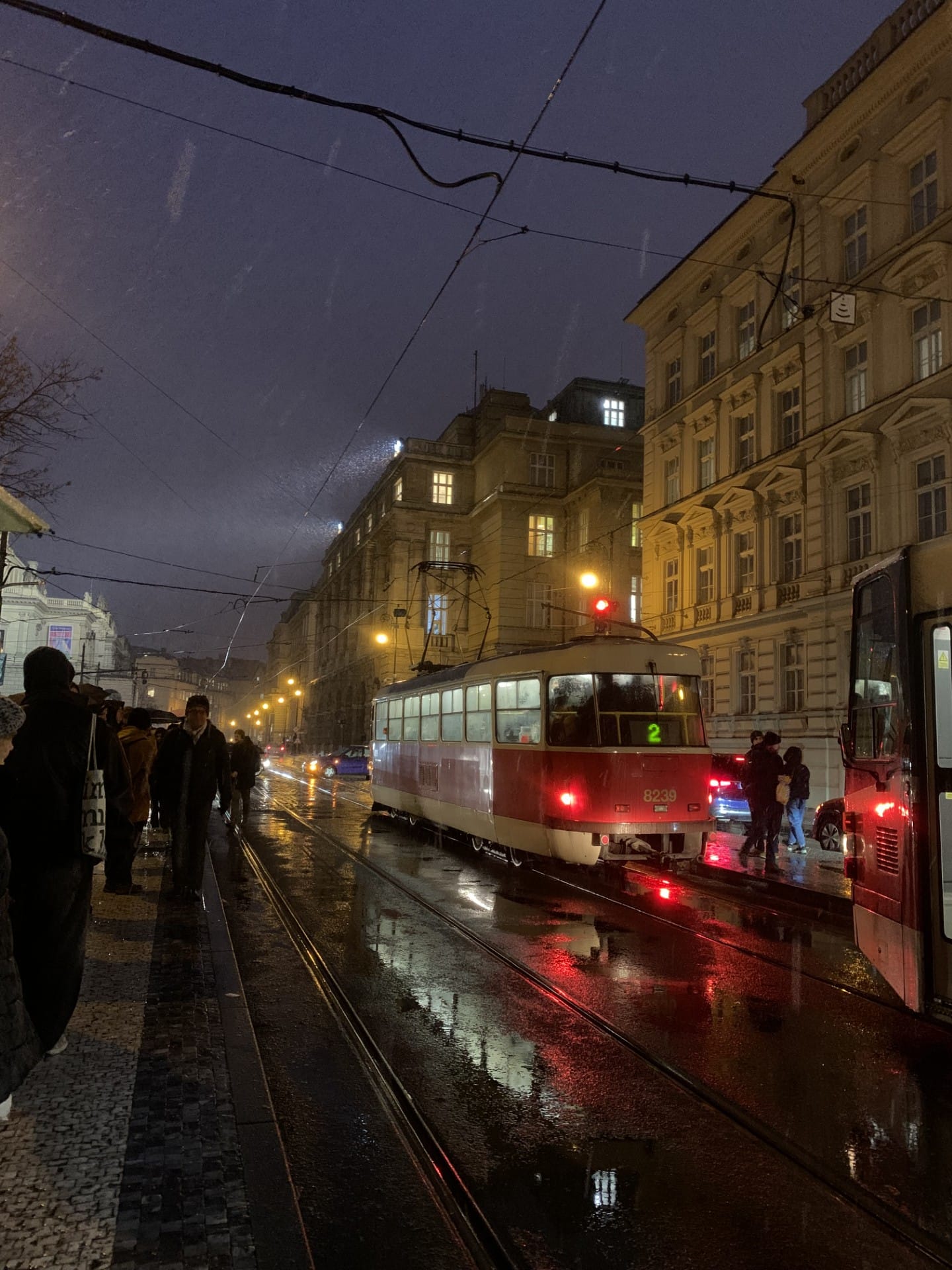
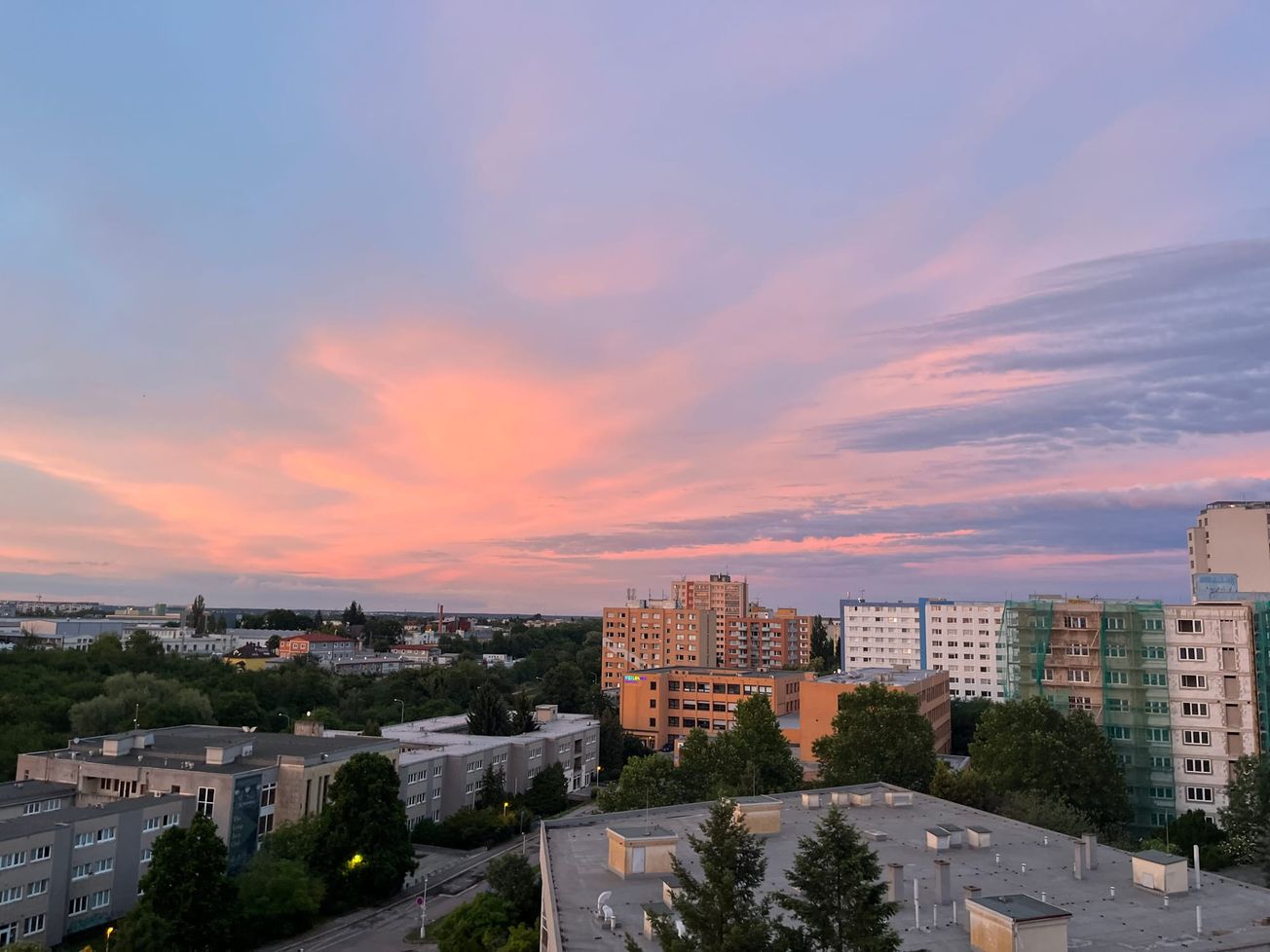
Yes, a year abroad offers unparalleled opportunities to travel to unfamiliar places and meet new people from across the world. It also immerses you in your host country’s culture beyond the tourist trail, be it by interacting with locals in the post office, absorbing the café culture or attending pre-Lenten carnivals. Living for so long in a panelák, for example, gave me a profound understanding of Czech life under communism. You might even be surprised by what you enjoy: one of my highlights was volunteering as a microscopist, having not touched a microscope since GCSE science.
There will be setbacks. The beauty of them is that they will challenge you to dig deep and be resilient. It is this ‘emotional rollercoaster’ quality that makes a year abroad so valuable – even if it takes until the end of the year to realise it.
I have no regrets about my year abroad; even the worst experiences taught me important lessons and made me appreciate the rewards even more. As I navigate the challenges of readjusting to life back home, I can at least appreciate that although my dream of loving life abroad required much work to turn into a sustainable and fulfilling reality, I achieved it. I hope you can too.
 Anonymous
 Mia Willmott
Featured Image:Epigram/Florence Snoxell
Did you learn from the challenges on your year abroad? Would you consider taking one?