By Rose O'Donnell, Third Year, Politics and Philosophy
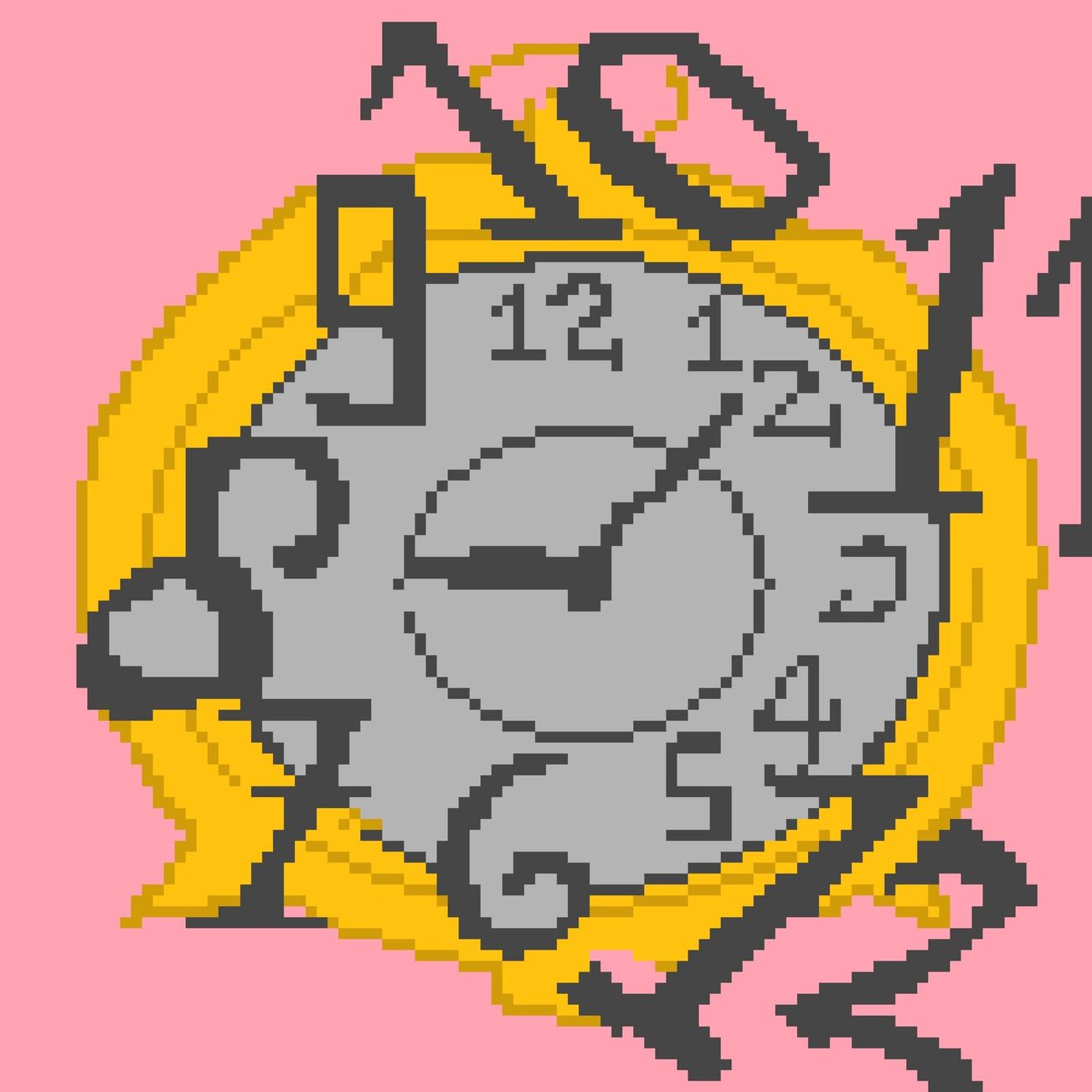
Timed assessments create a unique environment for testing students; eagerly waiting by your laptop for the questions to drop, spending three gruelling days staring at a screen, fingers typing faster than ever before.
In this digital age of education, we have seen the way we are taught and tested evolve. As a result of the Covid-19 pandemic, timed assessments have been used across the country to test students.
What was once a replacement for in person exams, has outlived its pandemic purpose and gained relevance within the new culture of working from home. Are these time focused assignments sufficiently testing our abilities under pressure or is that pressure overwhelming, causing students to crumble under the load?
Timed assessments are intense examinations. Three to four days to often write 2000- 4000 words not only tests knowledge, but organisation, perseverance and time management. The University of Bristol’s open book exam advice specifies how we may find the ‘conditions of the exam are more relevant to those faced in the world of work’ suggesting they can prepare students for the future. They intend to strike a new balance between traditional exams and coursework which replicate the new culture of working from home.

However, this balance is a fickle one and one strife with a lack of clarity, the University, in its open book advice, also acknowledges that more advanced work would be expected from students as opposed to traditional exams. Also adding that perhaps it would be ‘less advanced’ than coursework, this unclear standard can be difficult for students and lecturers to manage.
When asked about how timed assessments are marked, a University senior lecturer who has asked to remain anonymous explained, ‘I imagine markers might unconsciously sway towards marking them more like essays just out of habits for dealing with typed up documents.’ Therefore, students are held to a higher standard of academics whilst navigating this new ‘real world work’ environment. It seems a lot of factors are in play, especially for a three-day time frame. Do timed assessments present helpful challenges or are they trying to do too much at once?
Obviously, a huge factor of timed assessments’ effectiveness is time. Time management is a vital skill in both education and the working world. They force students to organise their time as efficiently as possible.
But as highlighted by the Technician, this has led to students feeling stressed, focusing more on the ticking down of the clock than the task at hand.
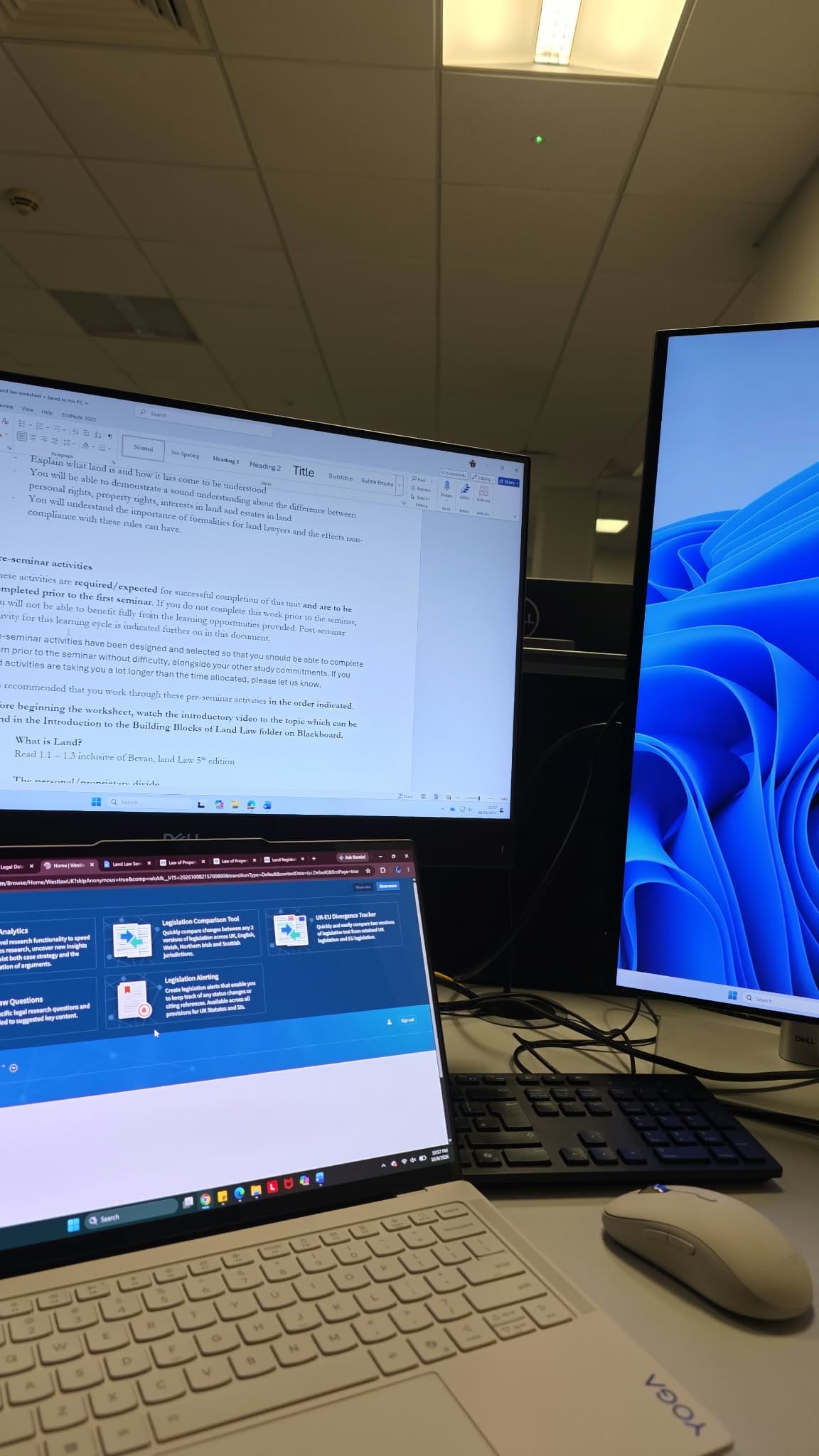
Each assessment is presented alongside a recommended time spent working. This gives students a guideline to how they should manage their work. Whether this guideline is followed is a different story. When interviewing students, a Politics and Philosophy third year student said ‘the unstructured environment made me feel compelled to work almost the entire duration’ whilst others recounted spending over double the amount of recommended time on their examinations.
It is understandable students are feeling the need to work so long to gain a competitive advantage, but this gruelling work schedule can lead to burnout and mental fatigue.
However, this time crunch students are set on in these assessments can really hone students’ organisational and time management skills preparing them for their futures. Although the somewhat false sense of freedom to work whilst constrained by a short time limit can lead to insecurity and strain. A PubMed article includes a study where 825 students with learning disabilities who requested extra time in timed assessments rarely used more than the standard time; those who did, rarely used more than 25 per cent. In this study psychologist research professor, Morton Ann Gernsbacher explains this is because students who request extra time are doing so ‘not to feel the pressure of time ticking.’ Students want to escape the impending doom of the ticking down clock and think freely, expressing themselves without constraint in their writing.
Finally, a common gripe with timed assessments is whether they efficiently assess students academically. The environment is intense; students max out their organisational skills as they race against the clock. However, timed assessments do also allow students to engage with what they have learnt and focus all their energy on writing and research because formatting (like bibliographies) is often not required.
The third-year Politics and Philosophy student also voiced how they felt the assessments demonstrated how ‘critical thinking and organisation are important’ and encouraged working in a ‘timely manner.’ Clearly, for some students, these examinations can play to their strengths and hone their skills, allowing for an effective assessment.
However, it can seem like tests like this reward and prioritise speed, rather than focusing on skill. Are we giving the hare an advantage over the tortoise? Students who naturally work slower, can feel pressured in such environments to match others despite having good understanding and comprehension of the material.
This can lead to more problems as the time pressure, can increase the temptation to cheat and lack of citation rules give way to Artificial Intelligence misuse. Therefore, the stress experienced under this pressure by students can manifest in potentially degree ending decisions.
Clearly timed assessments have pros and cons, and pressure is a huge factor on both sides. Although they may prepare students for the working environment, they seem to compromise students’ opportunities to demonstrate a range of abilities in depth. In a background of stress and pressure, this can risk students' mental well-being and misalign them in their education. University is characterised by these challenges and it is on the students' to navigate them. Whether this way of assessing is too much of a challenge, is tricky to tell. Different students feel pressure in different ways, perhaps timed assessments and the students' efforts to overcome them goes to show the academic grind that university demands.
 Emma Yeo
 Bobbi Carsley

Featured Image: Epigram/ Romina Treviño
What are your thoughts on timed assessments?