By Ellen Rataj-Paynter, Second Year, History
Have we taken feminism too far? Is the patriarchy ever inextricable from our personal preferences? What does it mean to be ‘pink pilled?’
These are all questions that arose from a conversation I had with my mum over whether it is morally acceptable to discard short men as possible partners for the sole reason of their height. The friendly debate ensued after annoyingly lecturing my brother on the hypocritical beauty standards men apply to women in the dating scene. I laid out the well known shaving, toning, shaping, bronzing, plucking, defining, and refining activities presented as essential and ‘basic hygiene’ to young women.
In response, my brother picked the obvious defence and pointed to the fact that many women completely write off men due to their height. I simply said, ‘well that's different.’ My mother, an unapologetic feminist, questioned me on this dismissive reaction:
‘How is excluding a whole group on a feature they cannot change anything but discrimination?’

My gender-aware response to this was that for generations, men have created and maintained the assumption that women need to be protected. This has resulted in preferences for men being taller as they are seen as more capable and desired as ‘the protector.’ Men have created this culture, and its sentiment has seeped into the cultural subconscious.
They thus cannot complain when it does not suit them. The infantilising of women bolstered their position for hundreds of years and had the direct consequence of oppressing women. So no, I do not find much sympathy for the short men who complain about their situation.
This thought process makes sense on paper and inside a gender studies class, but I realised that this rhetoric did more harm than I thought. The more I reflected on this tit-for-tat style of feminism, the more I noticed its flaws and the damage it does to both men and women.
'Tiktok's #ihatemybf trend' | Tiktok
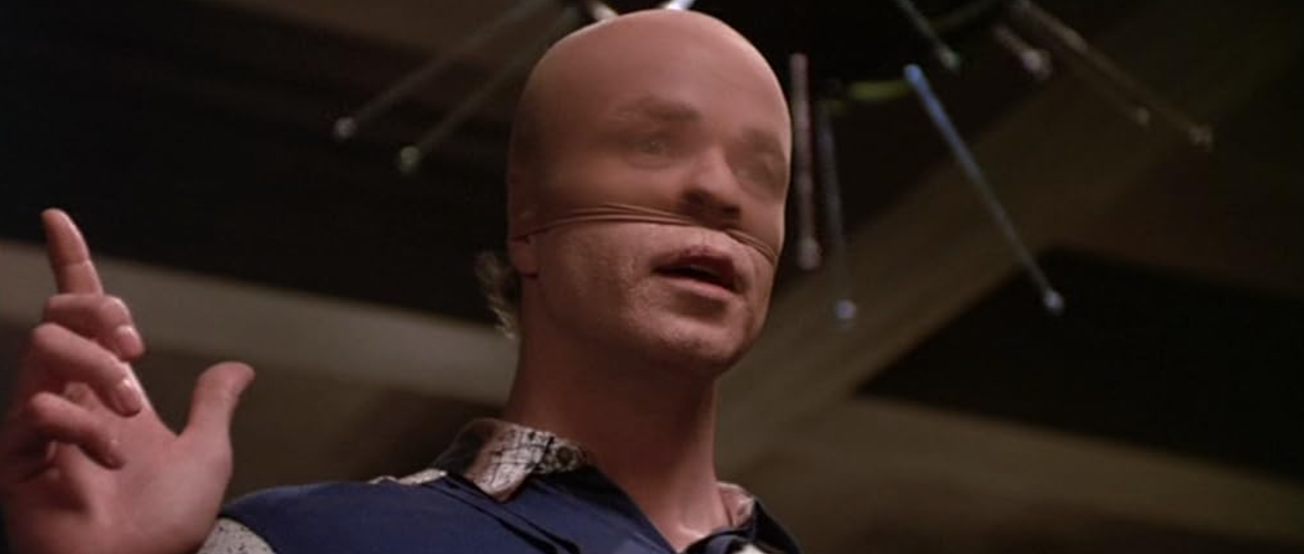
An interesting example of this is the #ihatemybf trend on Tiktok, a hashtag created in direct response to the #ihatemygf term used online by men. The trend is centred around female domination, winning, scamming, lying, cheating etc. while men, as a result, lose, are humiliated, and are exposed. The trend is designed to be entertaining and humorous, and a lot of the time focuses on calling out poor male behaviour.
However, the trend feeds into a culture where women are applauded for mimicking the exact male behaviour that has historically victimised women. It is illustrated on Tiktok as ‘empowering’ and ‘reclaimative,’ with hashtags celebrating women's new societal positions such as #womeninmaledominatedfields. But away from the screen, it has not helped to promote women's status.
Re-enacting the worst of male behaviour does not allow us to share their social place in society. Instead, it simply reads as repackaged patriarchal conditions.
An example of this ‘pink pilled’ feminism is the use of phrases such as ‘I support women's rights and wrongs.’ These circulate through social media on situations as serious as premeditated murder to those as trivial as getting with an ex’s friend. Once again, the original sentiment of these light hearted ‘internetisms’ was to highlight gendered double standards and the normalisation of male transgressions in today's society.
However, this type of retaliatory feminism neither benefits men or women. It promotes the idea that feminism has breached its intended purpose of equality of both sexes and is now used as a buzzword for enabling gender wars and neutralising moral failings. This ‘beating them at their own game’ form of feminism means we lose sight of its real purpose and give in to conservative pre-conceptions that feminism is solely interested in man hating.
As well as ruling the concept no longer relevant or legitimate, this type of feminism also damages woman-to-woman dynamics. Completely rejecting any interest or relationship with men creates a dogmatic and aggressive set of instructions for women to comply with. This reinforces female subjugation whilst simultaneously breaking the ‘sisterhood’ bond by allowing women to suspect and criticise others in the name of ‘feminism.'
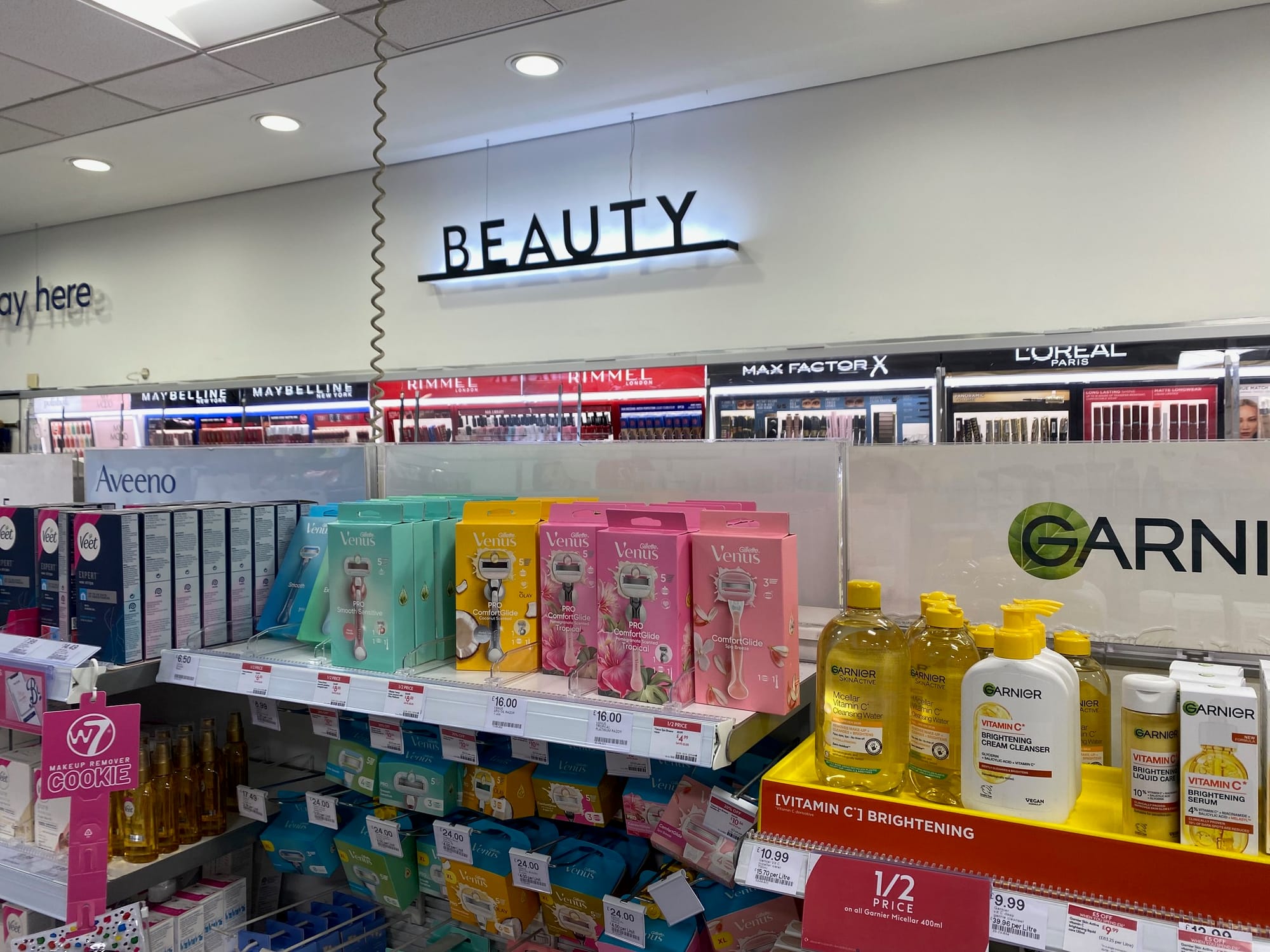
An example of this is the adoption of derogatory terms such as ‘pick me’ and ‘bird’. These have been created for the sole purpose of attacking and shaming other women. Actions such as shaving and wearing makeup have been re-labelled as male centred due to their patriarchal origins.
Analysing where everyday practices and preferences come from through a gendered lens is useful. However, policing women to publicly denounce anything and everything related to the patriarchy, and, when they fail to do so, removing their identity as a feminist, is harmful.
I've seen women online scramble to defend themselves shaving, claiming ‘sensory issues.’ It is completely fine to recognise the patriarchal origins of makeup and shaving and still decide to use it. Your agency over your decisions and preferences is more emancipating than completely rejecting these practices that have misogynistic origins. This rhetoric also stops conversations on these subjective and context-dependent opinions; it can be judged for the same reasons others have condemned ‘cancel culture.’ In an effort to protect the minority, instead of a set of obstacles, instructions are given with rigid standards to be upheld to maintain one’s liberal and progressive title.
'When he does more talking than spending' | Tiktok
Another aspect of the ‘femosphere’ that is much less radical than its followers may believe is the debate over ‘who pays?’ It is assumed in today's online culture that a man always pays for the first date, and this argument extends to a woman's lifestyle more generally. Again, the rhetoric could be traced back to light hearted ‘punishment’ for men.
But instead, conversations surrounding finances in the femosphere are obsessed with the idea that the woman is the ‘prize,’ worth the payments simply due to her femininity. The issue with this remains that it is only concerned with the physical appearance of the woman. As the messages of this form of feminism are nearly exclusively promoted through social media, short form media centred around aesthetics is the only mode of mobilisation. Comments read; ‘no man deserves this,’ ‘i hate seeing men win,’ ‘he can’t fight us all,’ in response to photos and videos, simply reinforcing the concept of a woman's prize being her body.
At the end of the day, a prize is still an object. Just as how expecting a man to pay for you is not ‘knowing your worth’ but financial dependency, quite the opposite.
The aim of this article was not to bash other women for their understanding of feminism, or how they identify as a feminist, as I believe the power in that word comes from its versatility. Instead it is intended to shed light on a movement that I believe is, in contrast to it's illusion, harming women. The femosphere and its sister ideology of ‘pink pill feminism’ only sets women decades back and pits us against each other. This is the last thing we need when the debate over feminism's relevance in today's world is nowhere close to its final word.
Perhaps, then, my mum was justified to question my initial response to the short man debate. My argument that men had created these standards and thus couldn't complain when they were turned against them seemed fair, but it relied on the same logic that I had criticised throughout this article: that equality can be achieved by simply reversing the roles.
If feminism becomes about punishing men for the behaviour of previous generations or ‘beating them at their own game,’ then women have not escaped the gendered rules that shaped these behaviours. We have instead learnt how to play by them.
So, does refusing to date short men make me a bad person but a good feminist?
Perhaps the more important question is whether making men lose is really equivalent to making women win.
 Beth Nugent

 Eleanor Turney
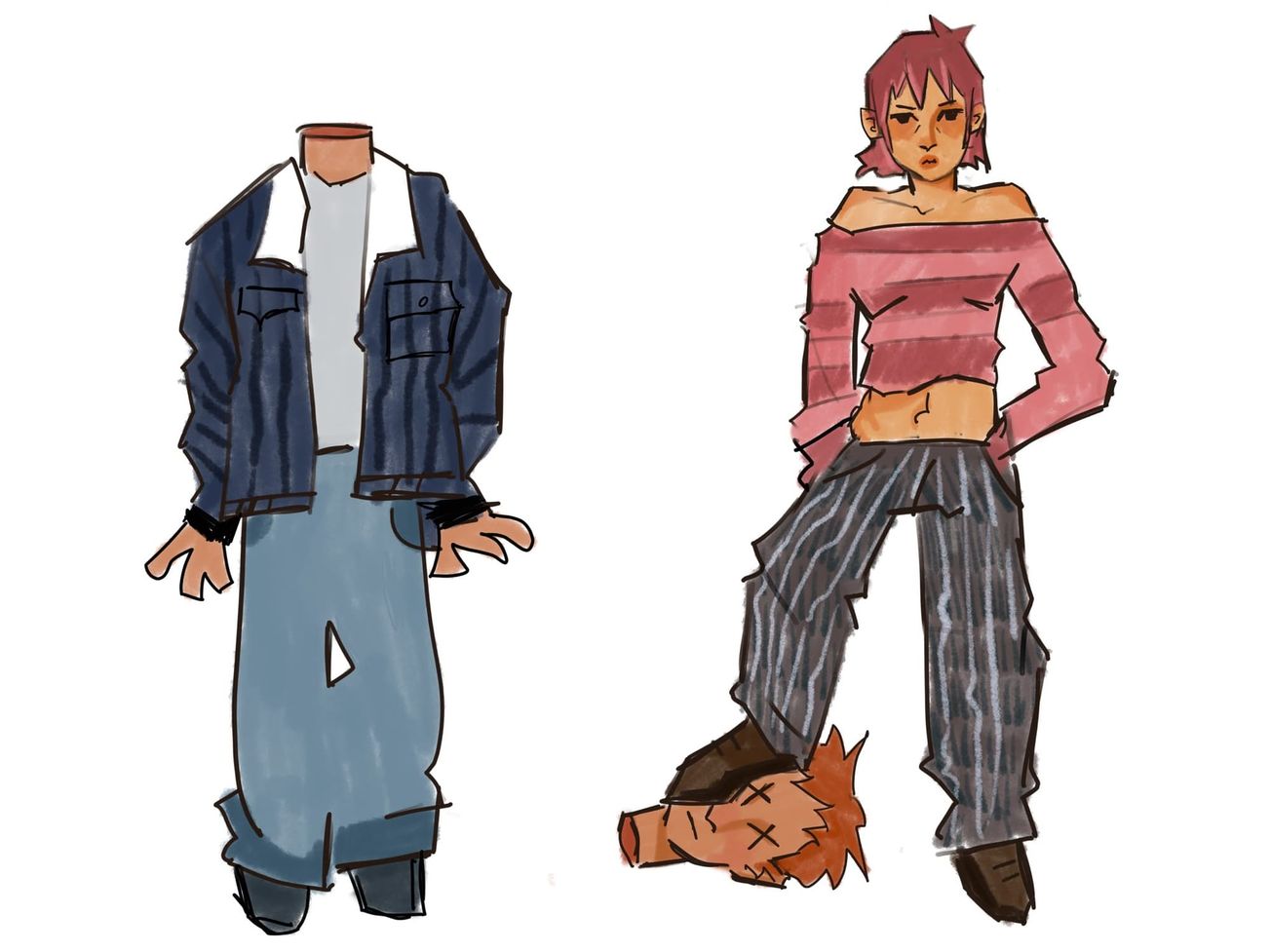
Featured Image: Illustration | Epigram / Romina Treviño
Do you view your dating preferences as political?