By Sonal Korlipara, Literature Columnist
Patrick Breen's biography, The Story of Her’s, is set for imminent release on the 6th of October. The book chronicles the lives of Stephen Fitzpatrick and Audun Laading, members of the Liverpudlian band Her's, who tragically died in March 2019 while they were on their North American tour. Breen, a fan since the early days of 2016, has resolved to write about his admiration for their musical process, rather than orbiting the singular event of their passing. The band's artistic talent is spotlighted through a series of analyses, anecdotes, and interviews with friends and colleagues.
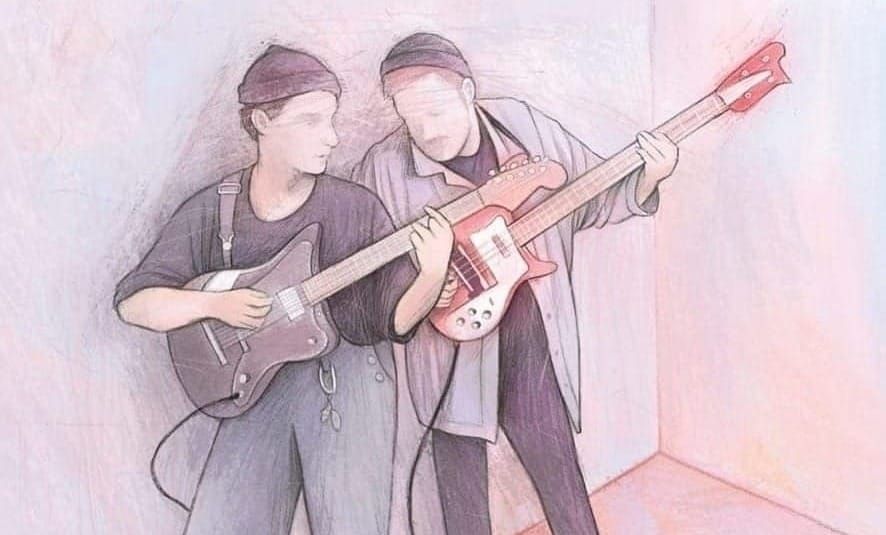
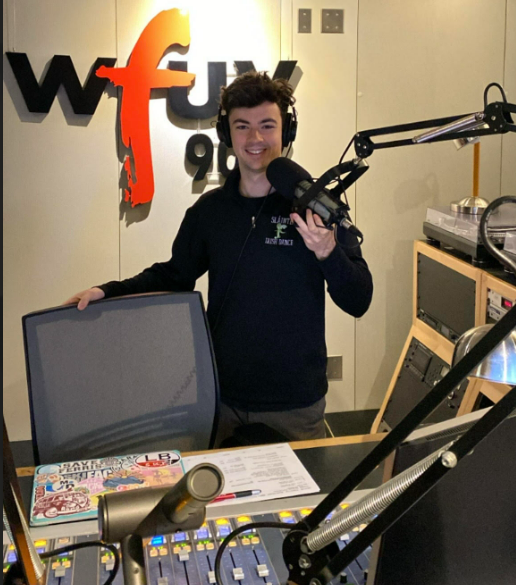
Her’s is an indie-rock band made up of two students from the Liverpool Institute for Performing Arts (LIPA), who received their certificates from the co-founder Paul McCartney, a figure that has been credited as inspiration for them. (Interestingly, for one night on tour, Audun was short a bass and had to borrow a Höfner 500/1 violin bass, famously Paul McCartney's instrument, for two songs.) Whilst I was conversing with Breen, he emphasised his decision to spread the word of his biography among students. The beginning of Breen’s own career with journalism began at his college, where he worked for the radio.
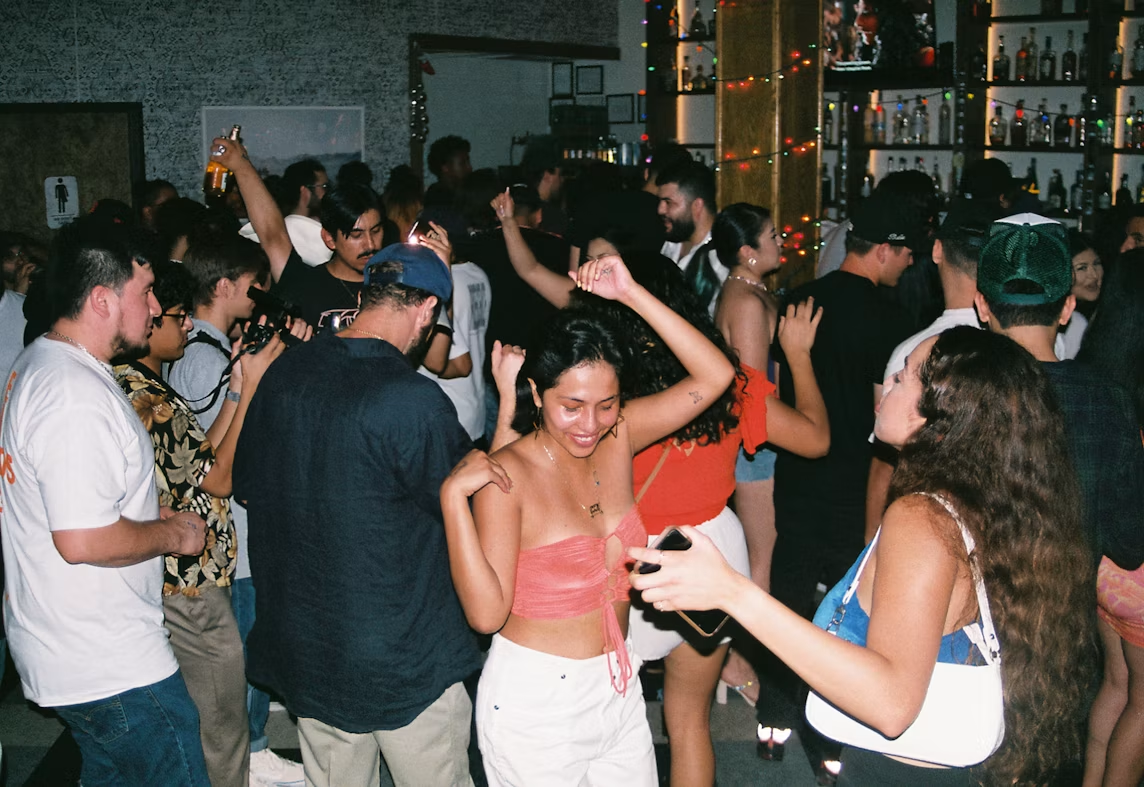
Even more poignantly, the band has become an undeniable hit within younger crowds, with almost everyone hearing What Once Was at a party – typically followed by the throwaway comment ‘did you know that they died?’. Breen is committed to celebrating their music, which is what the band strived to be remembered for, and which has garnered passionate support following their death – surpassing a billion streams on Spotify. While it took some time for their music to grow popular in the UK, Her’s had the perfect tones of indie rock for the 2016 American music scene. Their music spread through word of mouth around the halls of American youth, where Breen himself became aware of the humble two-man band from Liverpool. He had been planning to attend a show at their North American tour when tragedy struck in the form of a wrong-way driver.
 Molly Pullen
The idea for a biography was sparked in Breen’s college days, when he was able to sit down with their agent and create a project out of the interview. Back before he knew how to do anything professionally, Breen felt a real connection to the art of reviewing and distributed it to his classmates. After two years of writing, Breen was lucky enough to get a foot in the door of publishing through his news-reporter job. When he initially began talking about the biography online, he was met with more support than he expected, with people across the globe asking where they could buy their copy. We’re lucky enough in the UK to have access to his writing.
It’s hard to start a project based on two people that have passed. How do you approach the people around them, who will still be reeling from the harshness of sudden death? Very carefully, Breen says, with an essential focus on their musical innovation. For this reason, he didn’t broach family and tried to keep an objective viewpoint – that being said, the biography still sings their praises. Breen did inquire into a third honorary member, Trevor Engelbrektson, by reaching out to his wife. He recalls this being a highlight of the interviewing process, where he was told the story of their fake record label Piñata Records. The two of them also made music together and were in need of a record label in order to pitch their music – after creating the façade of Piñata Records, many other musicians flooded them with requests to join the label. So much so that they became real!
The Story of Her’s does not follow the typical narrative of a biography. Most are arranged in the logical structure of beginning-middle-end, starting with childhood and ending with death or legacy. Breen expressed his dissatisfaction with this as a music enthusiast, not caring so much for how they were brought up or what happened after the songs stopped being sung. He formatted his biography so that Her’s fans could skip to whatever songs they liked and read his analyses, mixed in with anecdotes from interviews and his own experiences in Liverpool.
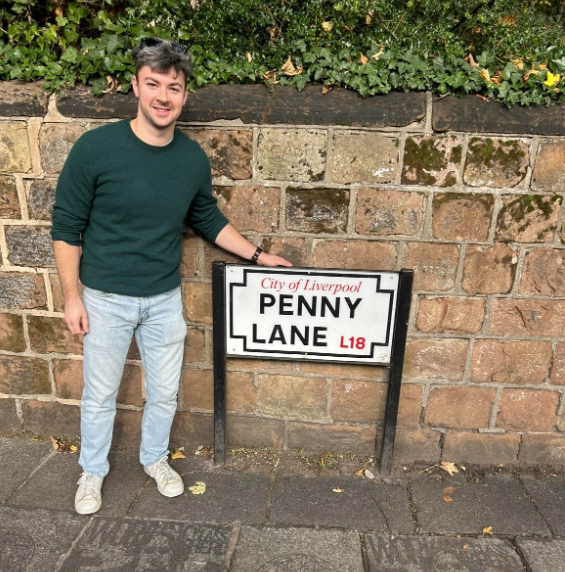
Breen felt it necessary to explore the band’s home city himself, so that he could check that his descriptions were accurate. Over the decades, Liverpool has stayed a rich hub for student bands to perform. I have certainly attended my share of student-led gigs featuring artists who are beyond talented, and who I hope can emerge from these close-knit scenes like Her’s did. Breen calls to mind nights at pubs, where he would spread the word of his project. Often, people recognised the band. One particular night, he met two guys that pointed him insistently towards another in the pub. Breen thought it was a joke. He was a huge, intimidating man with tattoos and a powerful beard. After mustering the courage, Breen was shown a particular tattoo on his arm of blue lips – crucially, the name of a Her’s song. It was the only tattoo in colour. Evidently, the band has maintained a beautiful reputation within the city (and, more so, the world) even after such a short and careened career. Walking out in the early morning, Breen observed the sun rising above Liverpool’s building tops and the paternal figure of a looming church behind him.
Their impact pervades newer indie-rock musicians like Strawberry Guy, Peach Pit, and Sarah Kinsley. When asked about their legacy, Breen told me about a time when he was standing in a shop, listening to the popular country song Chicken Fried on the speaker. In immediate succession, What Once Was began to play. It struck Breen as a blunt shift in genre and a testament to the pure talent that had culminated in three years of indie rock, dream pop, and lo-fi creations.
Featured image by: Maxim Muravski & Marie Muravski
Will you read The Story of Her's?