By Jasmine Symes, Second Year, English
In 2026 Plaid Cymru (Wales) ended Labour’s 27-year control of the Senedd (Parliament). Despite Burnham's commitment to ‘building a stronger and fairer Wales in a stronger and fairer United Kingdom,’ However, First Minister of Cymru Rhun Ap Ioewerth claims Burnham’s interests lie in Westminster. The Treasurer of Cymgym stated, ‘Westminster makes the decisions and Wales tries to deal with it as best as possible.’
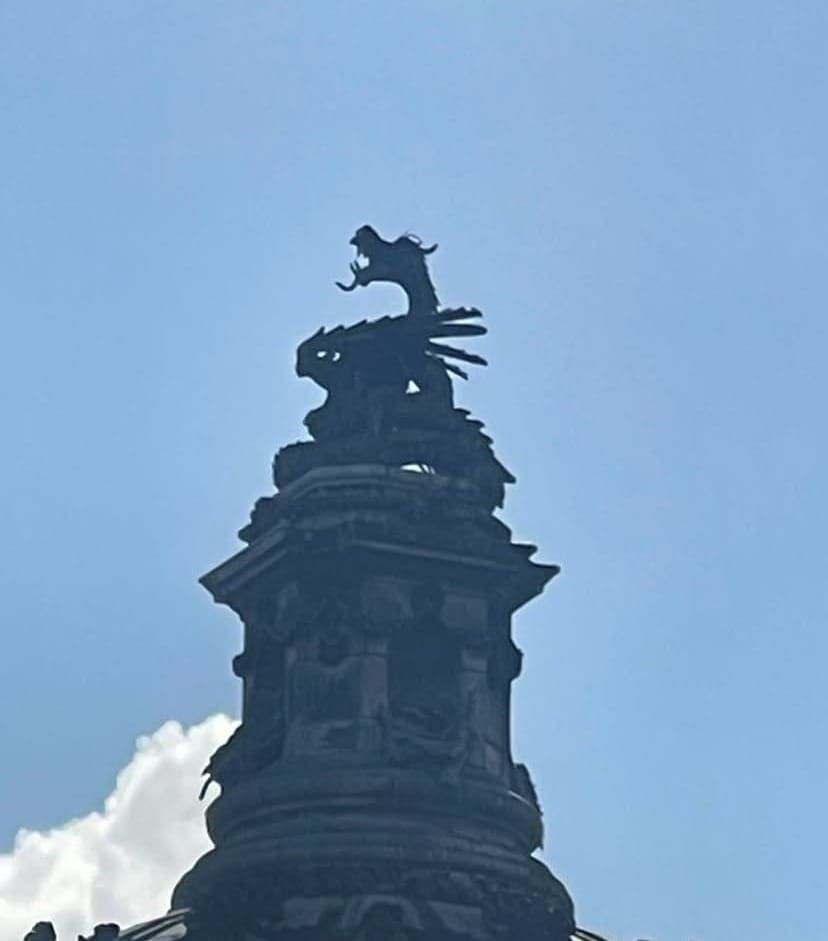
Although the election of Plaid may reflect an increase of nationalism in Cymru, the fight for Cymraeg (Welsh) independence can be traced back to pre-medieval times.
Epigram interviewed Professor Helen Fulton, an expert in medieval Welsh literature, interested in the poetry and the prose produced in Cymru between about 1100 and 1500. When asked about how Wales resisted colonisation, she said that ‘Wales resisted with violence as far as it could.’ By tracing the history of Cymru fighting back against the English from around the 6th century and identifying that Cymru held onto its tribal lands when the Anglo Saxons arrived at the border, Fulton said that this was not possible after the arrival of the Normans. In 1066 they began to colonize Cymru. By 1282, Edward I grew tired of the rebellious Cymraeg, killing and imprisoning princes. He put women in convents to stop them producing a new generation of Cymraeg children. The Laws in Wales Acts 1535 and 1542 incorporated the administration of all the Cymru territories into the Kingdom of England.
Considering this particularly violent history, the strong national feeling in parts of Cymru is understandable. More recently, Thatcher’s brutal closure of the mines which caused the 1984 Minors Strike left a significant impact on the Cymraeg economy, which is still felt in the South Cymru Valleys today. Yet, when asked about how history informs nationalist opinions, Fulton said that there isn’t common awareness of the medieval history.
The people ‘who really believe in Wales and the Welsh language who want to live in those areas, and they've grown up there through generations, and there's a sense that that is the heartland of Wales.’
Despite the hiraeth of the Cymraeg peoples, 49 per cent of students who went to Welsh-medium school (where they are taught in Cymraeg) went to university in England. Fulton notes that the Conservative policy of marketisation, which put universities in competition with each other, meant that what was The University of Wales (made up of Cardiff, Swansea, Bangor, Aberystwyth), federated by a central administrative system, was severely strained. Eventually, the universities had to become independent institutions to survive. This led to a decline in the number of students in the more remote Welsh universities, and a dependence on international students to fund the universities.
She highlighted that ‘the amount of money going to Wales for the Welsh universities is less anyway per capita than what English universities get.’
According to Uni Wales, A-Level participation rates in Wales are significantly lower than in England, with just 33 per cent of young people studying A-levels compared to 47 per cent in England. This means that fewer students are moving on to higher education, which impacts the Cymraeg economy. Moreover, the Senedd pays for university fees across the United Kingdom, whereas Scotland will pay the fees for students who choose to study within the county. Fulton claims this has led to many people leaving Cymru for university and not coming back. This was certainly true for my dad who grew up in Tredegar, a small town in the South Wales Valleys which hasn’t recovered from the impact of Thatcher's brutality.
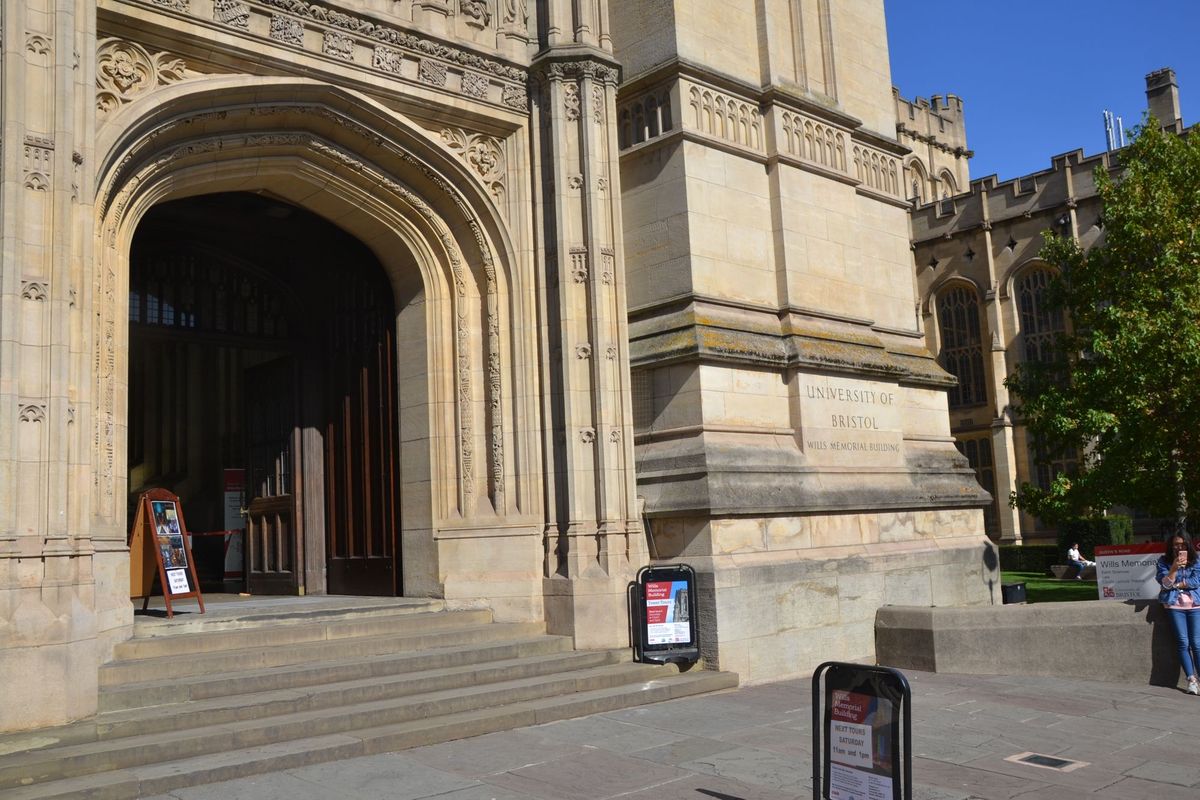
Evidently, universities in Cymru are struggling, ‘but there is concern around what independence would mean for Cymraeg students who wish to study.’ For example, at the University of Bristol, I interviewed the treasurer of the Cymgym society. When asked about his view of Plaid, he claimed he loves how they put Cymru first. He found that the declining resources and options available at Welsh universities pushes Welsh students to study in either England or Scotland. However, he saw independence as the end goal, claiming Cymru should at least aim to be as devolved as Scotland. As Rhun Ap Iorwerth says ‘the "next step" for Wales has to be "equality with Scotland, as a minimum.’
As the treasurer of the Cymgym society identified, ‘the only reason the Welsh independence is dominating the news is because the SNP. Plaid Cymru, and Sinn Fein are all in power, and talking about devolution.’
He did not feel concerned about opportunities for Cymraeg students if independence was achieved. In fact, Plaid have made it clear that they do not want to limit students’ ability to study in England but rather ‘follow the example of Scotland and Northern Ireland which offer significant advantages for their students to study in their own country.’ I asked if an increase of Welsh-medium schools could limit students' ability to study in the United Kingdom, but he claims that since English is so dominant, this isn’t a concern.
‘Welsh medium schools are about preserving the language, and because English is just so prevalent it doesn't affect people’s ability to study in England at all.’
The treasurer mentioned the importance of Cymgym in maintaining Cymraeg students’ identity while studying at the University of Bristol. Although it seems Cymraeg independence will not happen immediately, Plaid is working to strengthen Cymru through further devolution. It has the potential to build more opportunities for young people in and outside of their homeland.
 Will Charley
 Epigram Travel
Featured Image: Epigram / Luke Buckland
How much do you think that Welsh independence would impact University of Bristol students?