By Princess Kwade, News Reporter
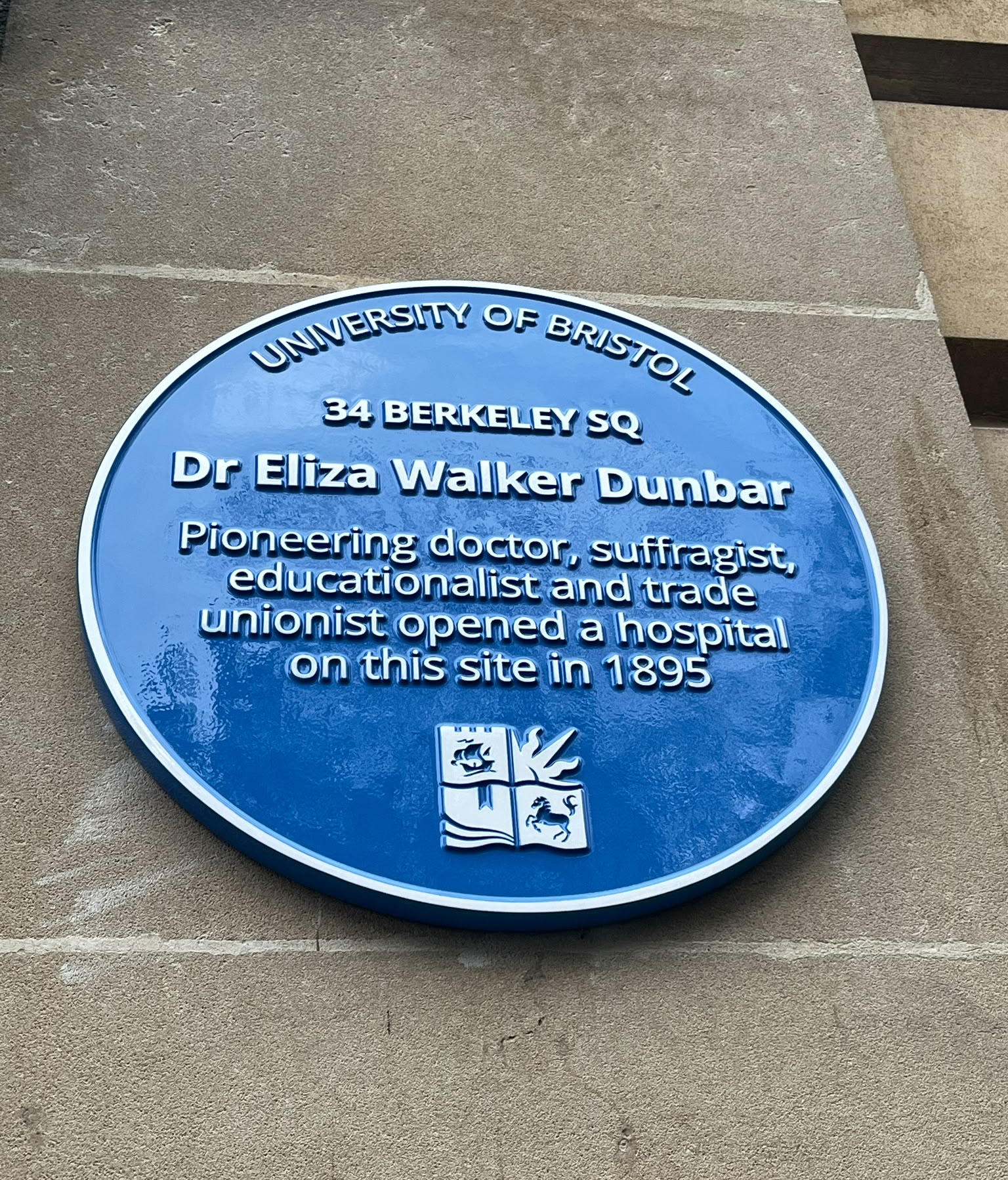
On November 4, the University of Bristol unveiled a blue plaque and nameplate on the School of Education’s Helen Wodehouse Building celebrating the life of Eliza Walker Dunbar, a prominent surgeon, suffragist, and campaigner.
Dr Walker Dunbar (1845-1925) was one of the UK’s first female medical doctors, a founding member of the National Union of Working Women (NUWW), and an advocate of women’s education and employment mobility.
To honour her achievements, the University unveiled a blue plaque on the School of Education’s Helen Wodehouse Building - where Dr Walker Dunbar moved her first private practice after it outgrew its former premises in 1885.
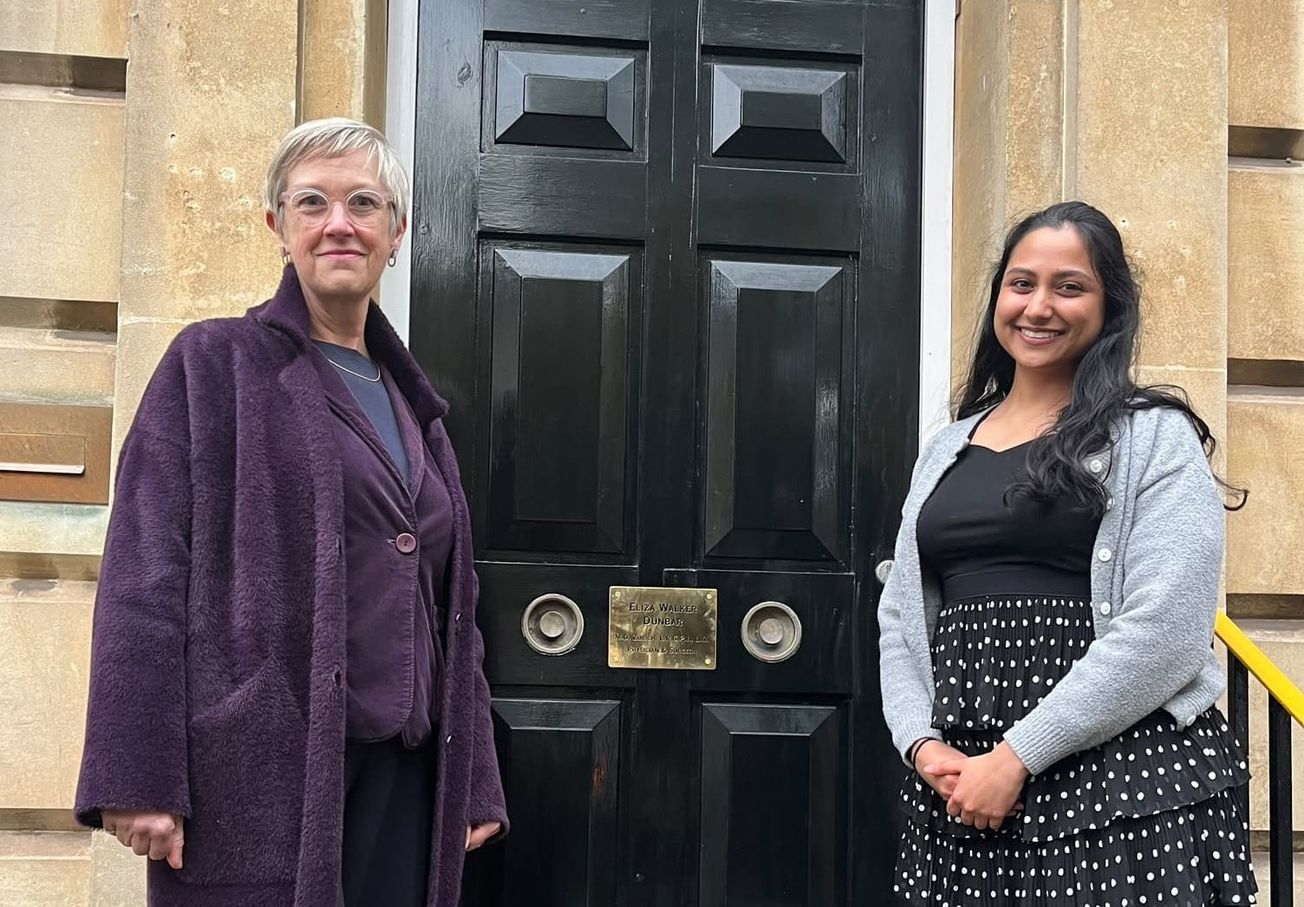
In recognition of Dr Walker Dunbar’s various roles, four women were chosen to install her brass nameplate on the door.
Prof Sarah George, Interim Pro Vice-Chancellor for the Faculty of Health and Life Sciences, represented Dr Walker Dunbar’s medical career, alongside Associate Prof Kaitlin Wade, an epidemiologist and University College Union member who commemorated both the surgeon’s union activism and medical life.
Associate Prof Antonia Lythgoe, Deputy Head of the School of Education, and Sharan Khemlani, Bristol SU Postgraduate Education Officer, both exemplified Dr Walker Dunbar’s role in education.
During the unveiling, Prof Judith Squires, Deputy Vice-Chancellor, highlighted the moment’s significance - the University, celebrating its 150th year, was the first higher education institution to admit women and men on an equal basis.
She said now was the time when overlooked stories were being brought into ‘sharper focus’.
Students’ role in the Dr Walker Dunbar’s life, said Prof Squires, showed that the ‘stewardship of history [belongs] to us all.’
According to Dr Evan Jones, ‘students wanted to give her plate back to her’ after learning last year the surgeon used to unscrew her doctor’s nameplate from the hospital door each night to avoid its defacement or theft.
‘It’s not just doing things to students, but it’s doing it with them – taking students along that journey to kind of self-realise a little bit, in terms of our development and leadership one day, in whatever field that may be,’ said Khemlani.

Associate Prof Wade said raising awareness about Dr Walker Dunbar’s story would inspire many people in their careers, even at the undergraduate level.
‘I’m hoping that it’ll keep inspiring people, especially in the education department,’ she added, noting the challenges higher education faces today.
Prof Squires said:
‘It seems fitting that in our 150th year, the University pays tribute to such a pioneering woman who made an incredible difference to the people of Bristol and paved the way for millions of female doctors and clinicians after her.
‘We are delighted to be unveiling a blue plaque in her honour and re-installing the brass name plate which clearly meant so much to her.’
Featured image: Epigram / Princess Kwade