By Keira Guy, News Subeditor and Cara Hene, News Editor
A Students' Union sabbatical officer and the Bristol branch of the UCU have called on the University of Bristol to disclose which student groups they paid Horus Security to monitor.
Bristol SU International Officer, Jessie Yeung, told Epigram that she is demanding that the University ‘disclose the full extent of surveillance conducted.’
The University and College Union’s (UCU) Bristol Branch has also asked the University to tell them which student groups were under surveillance, Epigram has learnt.
The demands come after an Al Jazeera and Liberty Investigates investigation revealed the University of Bristol to be among 12 British universities that paid surveillance company Horus Security to monitor individuals and student protest groups, alongside the University of Oxford, UCL and Imperial.
These institutions have ‘wasted hundreds of thousands of pounds spying on their own students.’ UCU General Secretary, Jo Grady, told Al Jazeera.
The UN’s special rapporteur for freedom of peaceful assembly and association also said that Horus Security’s use of AI to monitor student data ‘raises profound legal concerns.’
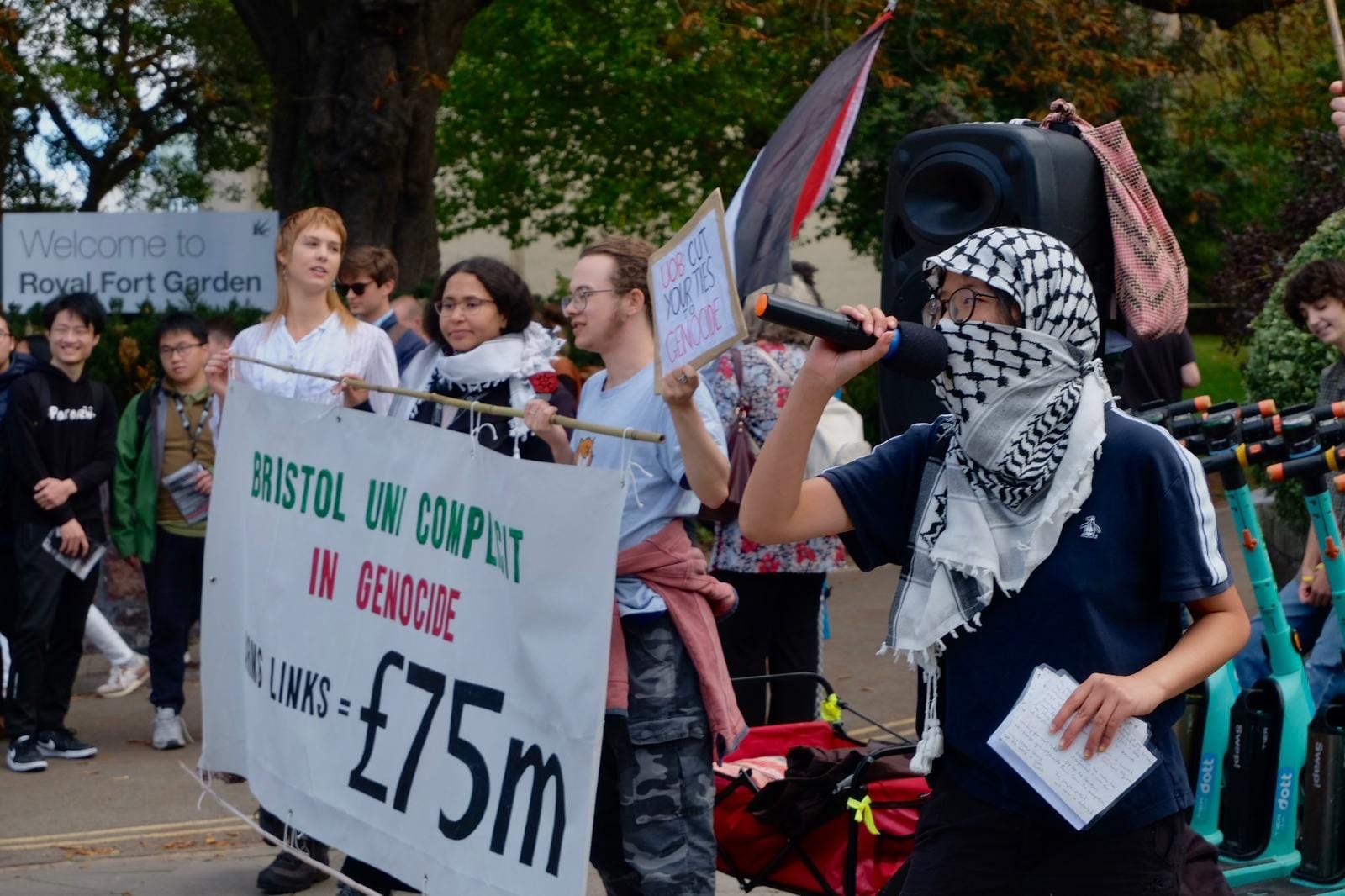
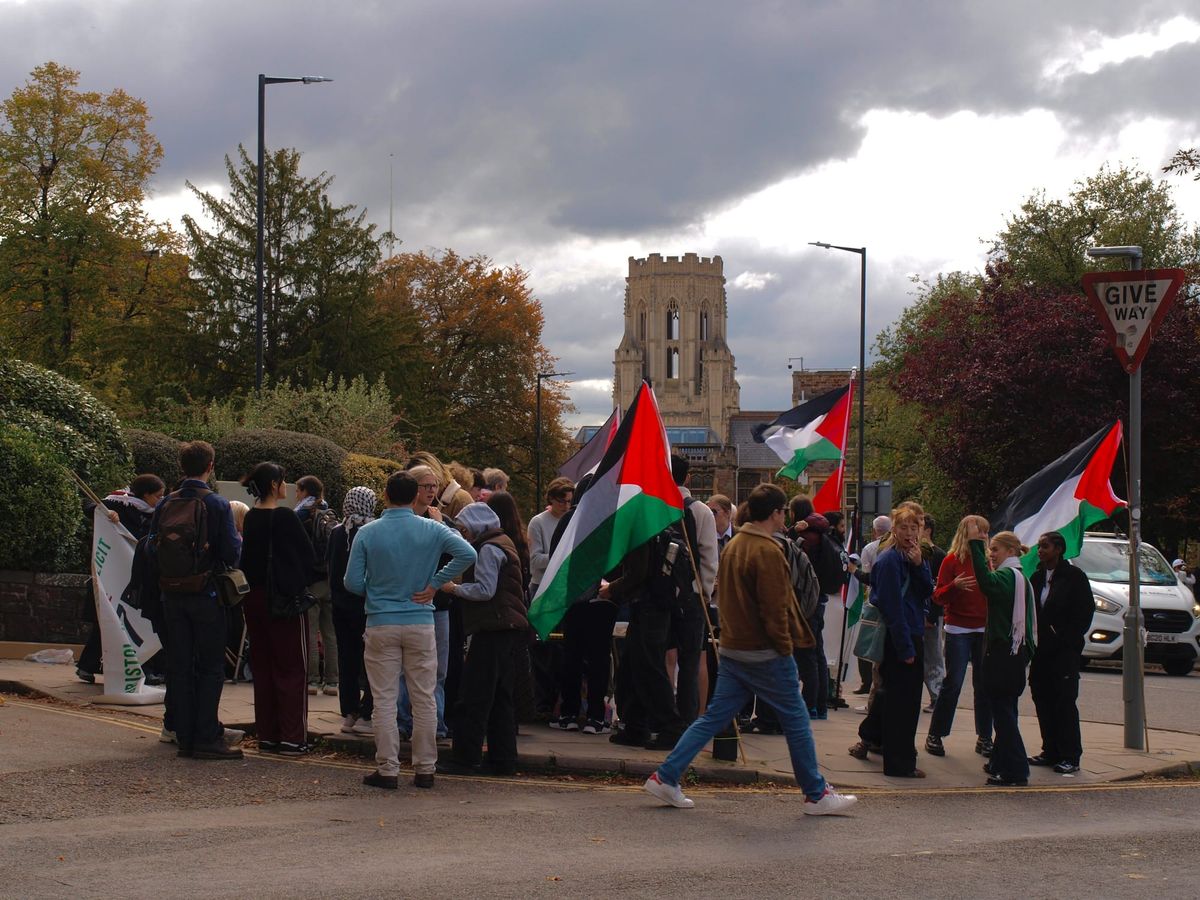
Between 2024 and 2025 the University of Bristol paid Horus Security £8,700 for an alert service covering all protest activity across the city, and provided a list of student protest groups it wanted monitoring, including pro-Palestine and animal rights activist groups.
One email sent in October 2024 by University of Bristol staff requested the monitoring of animal rights campaign groups Camp Beagle, Free the MBR Beagles, MBR Suppliers, Vivisection Exposed, Liberate or Die and Animal Rising.
‘Our Senior team are delighted with the briefing’, another email from the University to Horus Security signs off.
Yeung, SU International Officer, told Epigram that:
‘We were informed by the University that it is only for ‘safety’ and ‘no staff or students have been the subject’ - it is hard for the student body to take that claim seriously until the university disclose the full extent of surveillance conducted.
‘... we demand the university to commit to full transparency over the use of surveillance (not limited to on campus or over social media)’
Yeung also wanted to see the University ‘immediately terminate contracts with intelligence firms’ and ‘guarantee the protection of students’ democratic rights and civil liberties.’
 Cara Hene
 Sapphire Hope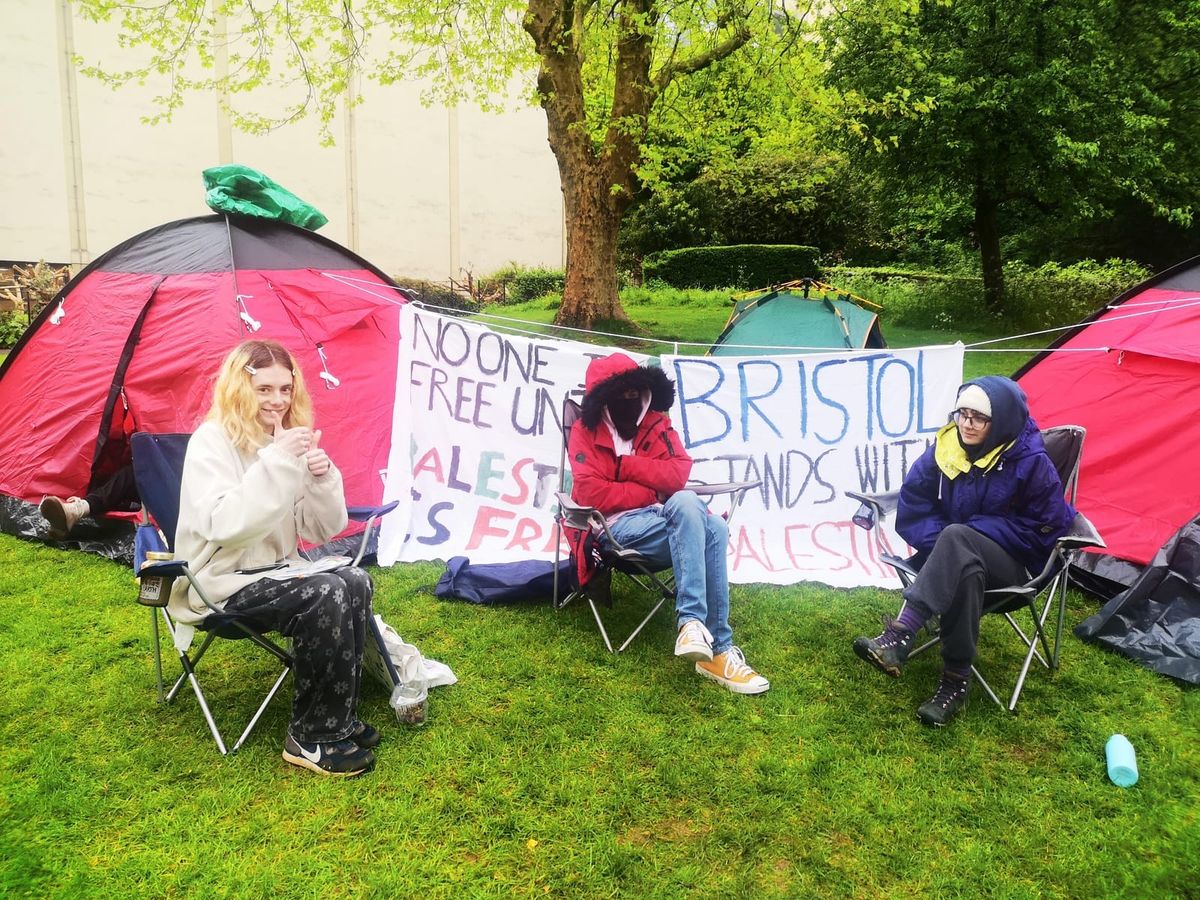
Horus Security describes itself as a ‘leading intelligence and security consultancy’, with services including social media monitoring, and has integrated AI into its operations since 2022.
There is no evidence that this activity, or other activity by Horus Security, is illegal.
A University of Bristol spokesperson told Epigram:
‘Horus Security Consultancy gather publicly available information on any protest activity by any group in the city that could potentially affect the safety of our university community.
‘It helps us to make informed decisions on where our security staff may be needed to provide support and if information needs to be conveyed to students and staff to keep them safe.
‘No staff or students have been the subject of the services used, and Horus have not been asked to provide information on any individual or political activity.
‘This is not an attempt to repress, prevent or interfere with protest or activism and we always have and always will support the right to freedom of expression and to engage in lawful, peaceful protest.
‘There are legitimate concerns about providing information about specific groups as this may potentially lead to action or increase risk to our community.’
Bristol UCU has also asked the University to disclose to them which student groups were monitored by Horus Security.
Cerys Larsen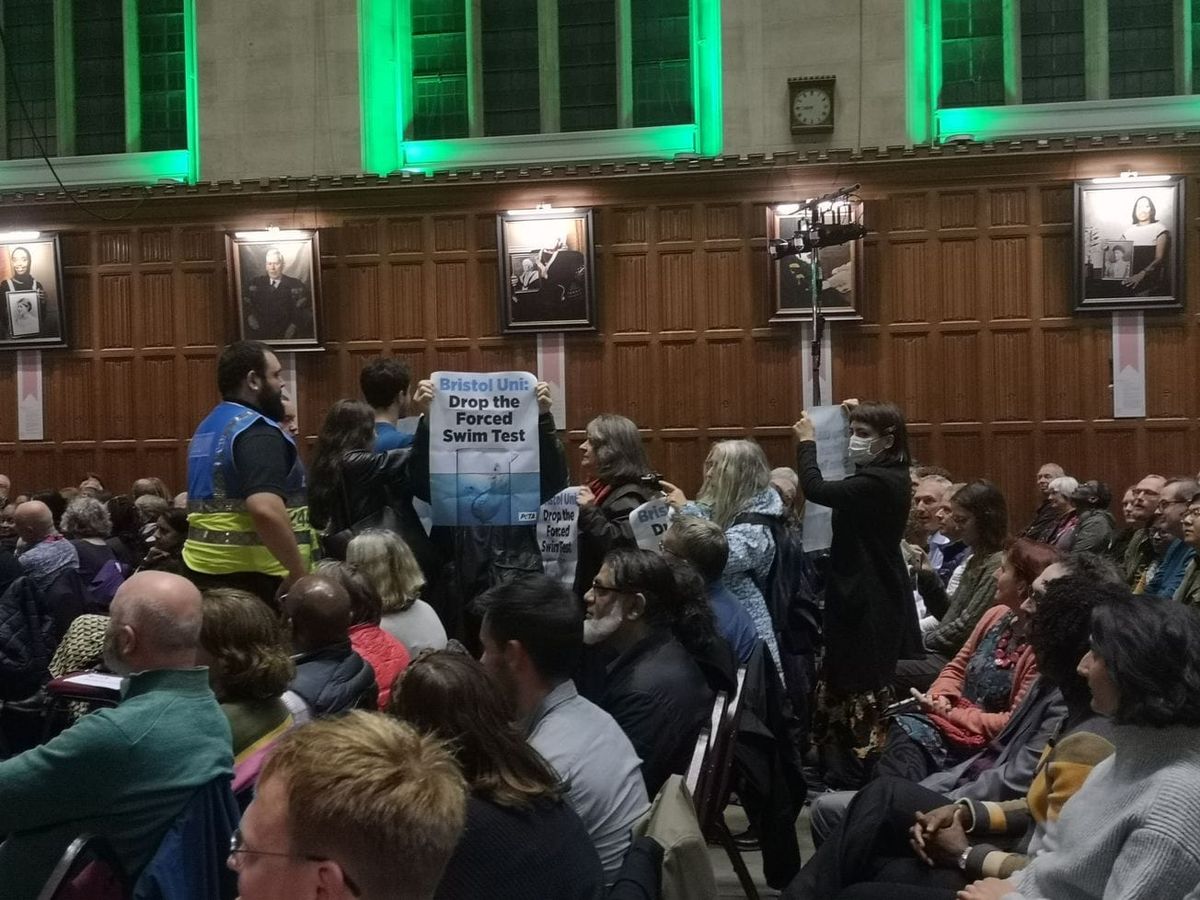
This request was refused by the University in a meeting three days after Al Jazeera went to press, according to Oscar Berglund, Bristol UCU’s co-President and Senior Lecturer in International Public and Social Policy.
‘They say they only use publicly available information, but that doesn’t make it not surveillance,’ Berglund told Epigram.
Epigram asked the University whether it would continue to use Horus Security, but received no response to this question.
The director of Horus Security’s parent company - Horus Global - is Lieutenant Colonel Tim Collins, who is not without controversy.
Collins was probed for war crimes in the Iraq War, but was cleared of all charges in 2012.
More recently, Collins blamed an increase in Pro-Palestine demonstrations on a Russian-Iranian orchestrated media campaign and called for non-British protestors who ‘misbehave’ to be deported.
Cara Hene
Following the investigation, 15 University of Bristol academics have signed a ‘Statement Against the Institutional Surveillance of Students at UK Universities’, which stands at 224 signatures at time of print.
The statement demands that universities ‘Disclose the full extent of surveillance conducted’ and says ‘the attempt by universities to justify this in the interests of larger campus safety is a disingenuous attempt to shirk responsibility for active repression.’
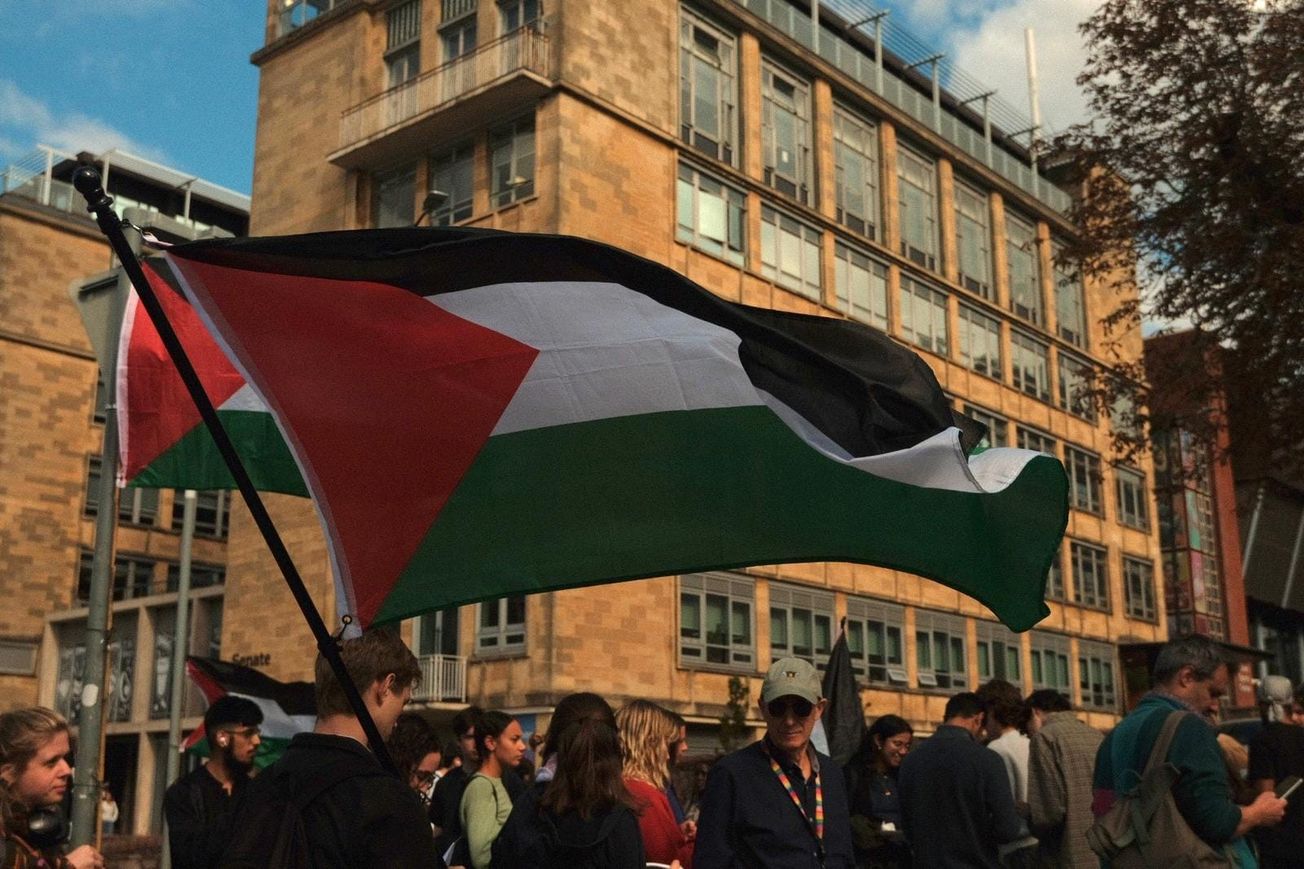
Featured image: Epigram / Tom Foley
How do you feel about UoB paying Horus Security to monitor student protest groups? Get in touch via editor.epigram@gmail.com.