By Eluned Darwin Goss, Fourth Year, Law and French
Is it fair to encourage fans to live in the moment, or should more consideration be given to the media culture that exists today?
Kate Bush was one of the first to implement a no-phone rule, back in 2014, because she wanted everyone to be present in her 'intimate theatre setting'. Most fans abided by the rule, however the recent surge of artists introducing it has faced much more reluctance from fans, even a perception that their rights are being disenfranchised. Amongst these supposed rights-encroachers are Bob Dylan, Jack White, Phoebe Bridgers, Bruno Mars and Madonna. Many have employed stricter rules such as phone lock-bags.

Generation documentation
Since the millennium, cameras have become all the more accessible because they are combined with mobile phones. It’s unsurprising that people are now obsessed with documenting the things they love. Generation 'Z’ and ‘alpha’ have grown up in a world where the content an individual documents and uploads is reflective of their identity. Some young fans said that Phoebe Bridgers was ‘insane’ for banning photography and phones at her gig – they cannot comprehend an experience lacking the freedom to capture it or to occasionally check their notifications. Is it self-righteous and self-indulgent of artists to only perform if they can have the crowd’s attention throughout the entire event? Is it ignorant of the fact that their target audience is an audience who knows no differently?
The live music industry has become more expensive. According to WWorldmetrics, ticket prices increased on average by £7 between 2022 and 2023. This is because of advanced technology and incentives to make shows greener. People cannot afford to attend as many gigs as they would have been able to in the past, nor as many as they would like to. Picture a young person who has saved up to see their idol perform and finally gets the chance to attend a concert; it is hard to blame them for wanting to savour it, to watch it back and to share it.
'Phones kill the concert!'

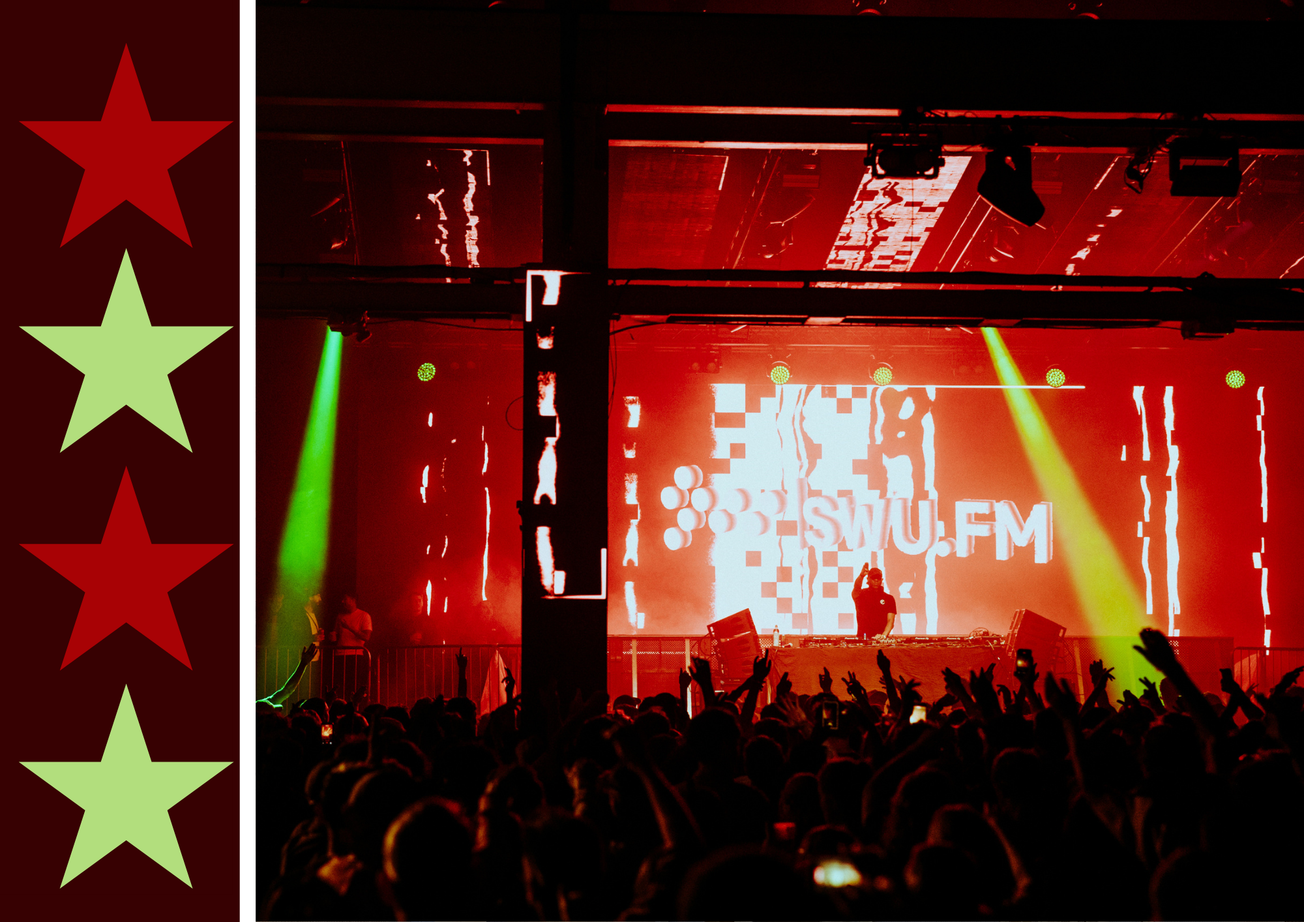
We all know how it feels to have someone blocking your view of the stage. Now add a screen and an arm – it can ruin the experience for fans as well as for artists who prefer not to perform to a crowd of screens.
Mobile phones can take away focus from the present. They allow distractions from notifications - audiences are 'looking down and checking the sports scores and texting and stuff’ says Jack White, who has never owned a mobile phone. It’s hard to disagree with someone who only knows living in the moment. He says that for him, it’s not about the recording, it’s about the ‘non-engagement’. The audience may miss important moments, moments that artists have curated. Music is as old as humanity and before the days of record was only ever an oral, performed creation. The same goes for dancing; artists like Bruno Mars have expressed a desire for ‘people to come to the shows and enjoy them like they did in the old days.'
Music and live music are art. Whether this art should be documented could even be a futile debate: artists have the right to present their art in the form that they want. If they want viewers of their art to be fully immersed without the possibility of distraction, without the extra light emitted from screens, then that is how it should be presented. People are not obliged to buy a ticket to a form of live music that they are not interested in or do not agree with.

For fans who would like looking back on the event, many artists now pay videographers to provide footage. Fred Again.. is a prime example of this; he banned phones during his USB002 tour but provided a video recording link for fans afterwards. Broadcasting companies like the BBC also frequently record festivals. Whilst the ticket could cost more, fans enjoy the art in the moment, in the way that the artist would like, and can still have the satisfaction of sharing the experience with others afterwards.
Is it a new stage in the music industry?
Contrastingly, referring back to the idea of self-indulgence, most modern music artists were promoted or ‘blew up’ through the internet and social media. It is only the now successful and wealthy ones who have the privilege of no longer needing the internet to help them. It could be seen as pretentious for artists to now decide that they are against being filmed by fans, fans who once discovered them due to their social media presence.
Billie Eilish is a strong advocate for fans having the freedom to do what they want in gigs. In an interview with NME, she says ‘I wouldn’t have a career without the internet. I wouldn’t have fans.’ She also admits that she enjoys documenting live music she attends. Whilst this may be reflective of the fact that she is from 'gen Z’, the internet has boosted many older artists’ careers too.
Whilst speaking with the BBC, Damon Albarn said ‘If you start banning things, where does it end?’ and ‘People won’t want to be on their phone if you’re engaging with them correctly’. A more liberal view suggests that if anything, becoming uptight and strict could kill the concert.
 Hana Sakurai Wernham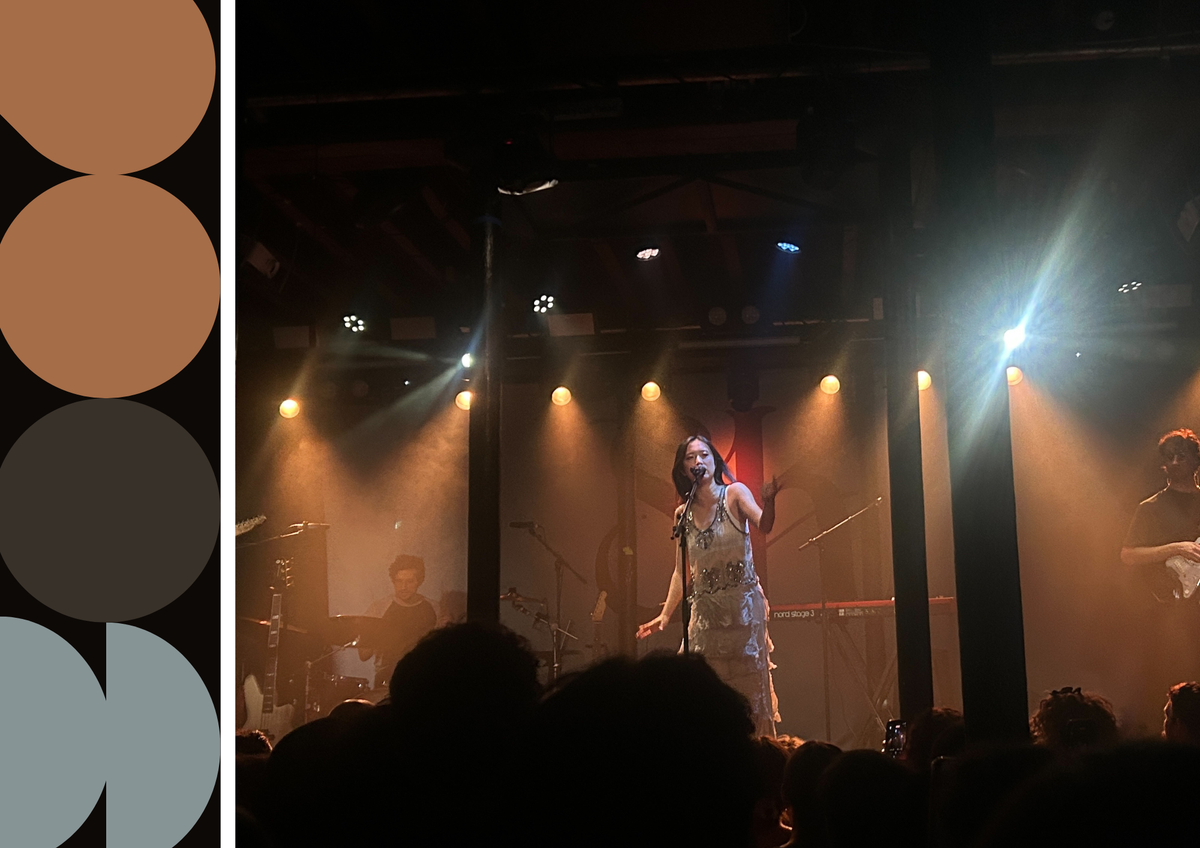
Is there a compromise?
We cannot label music artists either way: pretentious and ignorant of the privilege that the internet has given them, or simply in search for a new period in their music career, one that feels more intimate and real. Where do we draw the line of criticism between artists who have reached a success where they no longer need to be documented, and artists who grew up in a world where documentation was rare – like Bob Dylan and Jack White?
If artists want to ban phones and photography, they should be free to do so but a middle ground may be a way of appeasing fans. If they can have free access to a recording or video of the performance, it will be much more in keeping with modern media culture but will also accommodate artists.
Have phones killed the concert, or will the ban on phones kill the industry?
Featured image: Epigram / Tom Foley, Music Deputy Editor
Do you think mobile phones have killed the concert?