By Erin O'Connor, Second Year, English
If you’ve ever tried to buy concert tickets, you’ll know the feeling. Your favourite artist announces a tour, so you set your alarm for the presale. You open the website to see your options: a ticket worth a month of groceries that puts you a kilometre away from the stage, or one that’s a bit closer but will require you to remortgage your hypothetical future house to afford.
You antagonise over whether or not to buy the former when the artist is so far away you may as well be taking an eye test to see them, but realise you’ll regret it if you don’t, so you buy it anyway. That sense of excitement mingled with a hint of lamentation as you watch the hefty sum leave your bank account.
Year on year, ticket prices continue to soar, seemingly unchecked, but why? Is there a light at the end of the tunnel? I must admit, I have been victim to paying more than I’m comfortable with for concert tickets; however, when the time comes, I never regret the investment. Yet, there was a time when tickets to see top artists didn’t come with such an extravagant price tag.
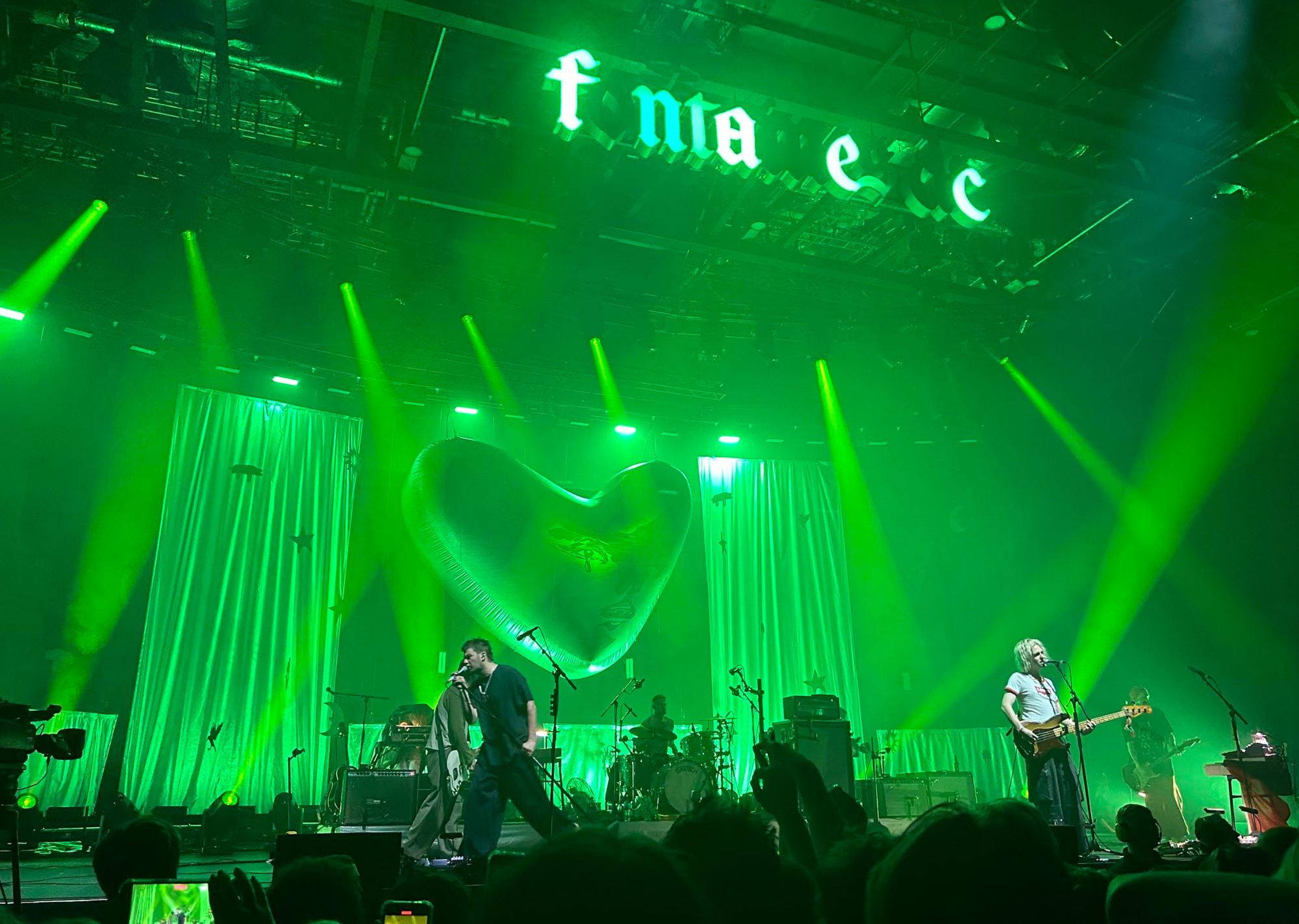
Digital marketing agency Dark Horse published a report in 2025 which compared ticket prices for several festivals and popular artists to what they were in 2005, accounting for inflation; the majority of tickets they compared had more than doubled, with many being over 200 per cent more expensive than they were in 2005.
So what has prompted this massive jump in prices? Post-lockdown, concerts and festivals became even more popular than they had been previously as people gained a greater appreciation for the necessity of live music after not experiencing it for so long. With this increase in demand, ticketing companies realised people were willing to spend more money, so ‘price gouging’ became more widespread.
Price gouging includes both ‘dynamic pricing,’ where primary platforms (think Ticketmaster and the like) automatically increase prices as demand increases, and ‘touting’. This is when tickets are bought at face value on a primary platform, then resold for an extortionate price on a secondary platform; this often involves resellers using ‘bots’ to buy hundreds of tickets in bulk, which in turn increases dynamic pricing, as demand is artificially inflated.
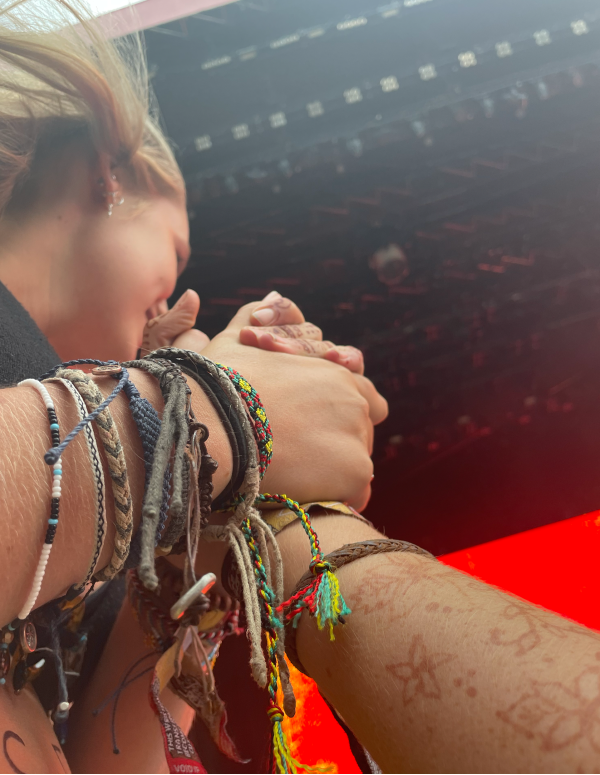
The UK government has been struggling to control the secondary ticket market since 2017, including criminalising the use of bots to buy excessive numbers of tickets, although this is harder to police in practice. In 2021, the Competition and Markets Authority (CMA) published recommendations on improving consumer protection in the sector; one of its recommendations was to require all secondary ticketing platforms to have a licence before they can operate in the UK. However, the UK government claimed it was ‘too soon to conclude that the only way forward was further legislation.’ While this doesn’t fill consumers with confidence, those within the industry are also doing their part to combat egregious ticket prices.
In 2023, Robert Smith, The Cure’s frontman, demanded Ticketmaster refund extortionate and unnecessary fees to fans who were charged almost double the face value of their tickets. Last year, over forty artists, including Dua Lipa, Coldplay, Radiohead, and Sam Fender to name a few, also signed a letter asking Keir Starmer (the then Prime Minister) to introduce a price cap on resale tickets. Despite several consultations and assurances, this pre-election promise has still not been fulfilled, with resale sites Viagogo and Stubhub claiming a price cap would force consumers towards unregulated sites due to ticket shortages.

While artists have little control over resale ticket pricing, some, including Taylor Swift, Coldplay, Hozier, Ed Sheeran and The Cure, have previously opted out of dynamic pricing on their tours. Ticketmaster also offers a Face Value Exchange, allowing fans to buy and sell tickets at their original price, as some artists have restrictions on reselling their tickets for profit.
However, some artists continue to rinse their fans by setting high face value ticket prices and employing dynamic pricing on primary platforms; most recently, Oasis and Harry Styles have come under fire for their unreasonable UK tour tickets, with Oasis being forced to backpedal and opt out of dynamic pricing for their subsequent US tour. While Harry Styles did admittedly donate £1 per ticket sold to Live Trust (a charity that supports the grassroots music sector), this is a mere drop in the bucket for him. Artists have a personal responsibility to ensure their music is accessible, yet at the end of the day, they are business people, which often means putting profit above fans.
 Katy Salamon-Andrew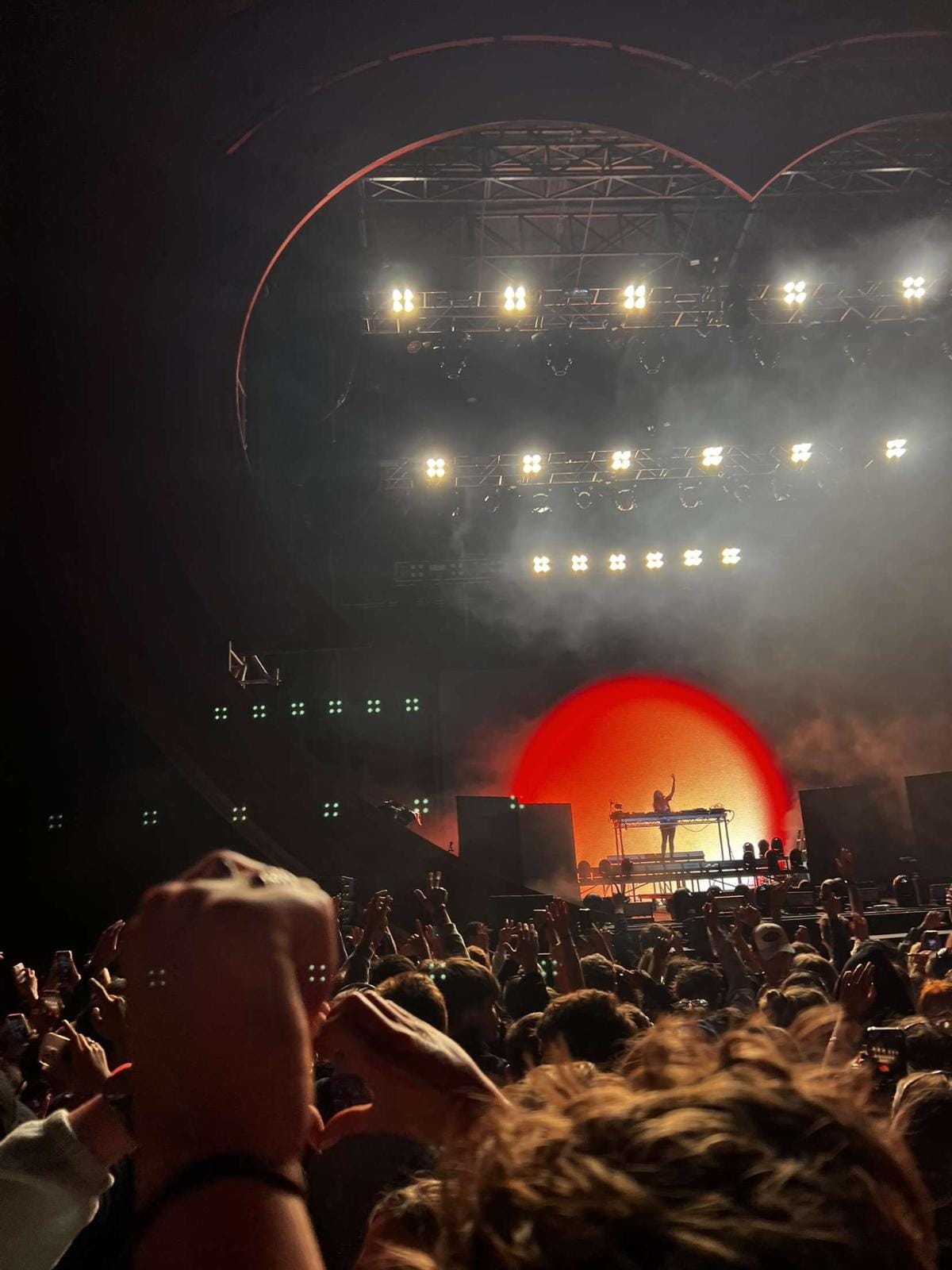
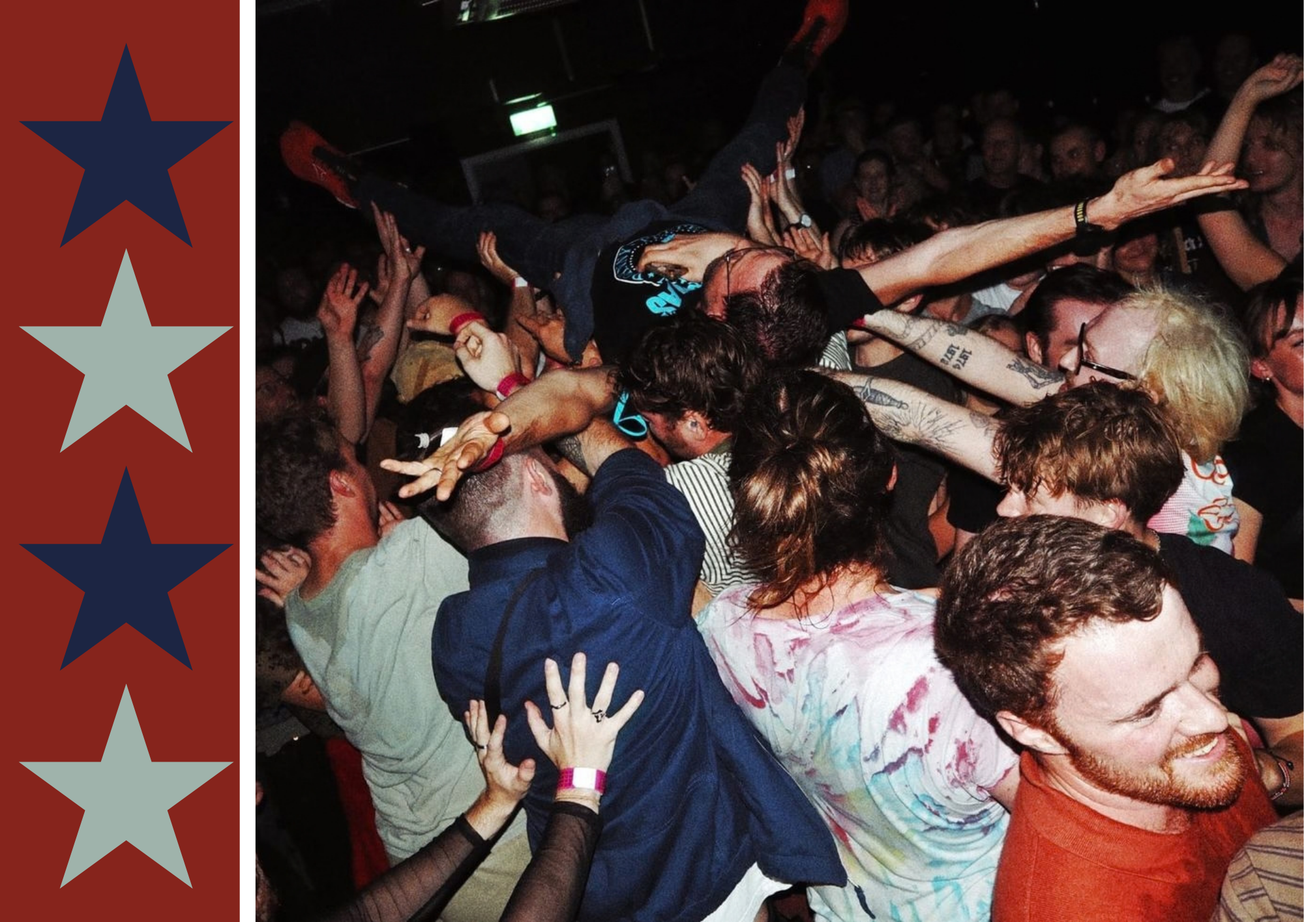
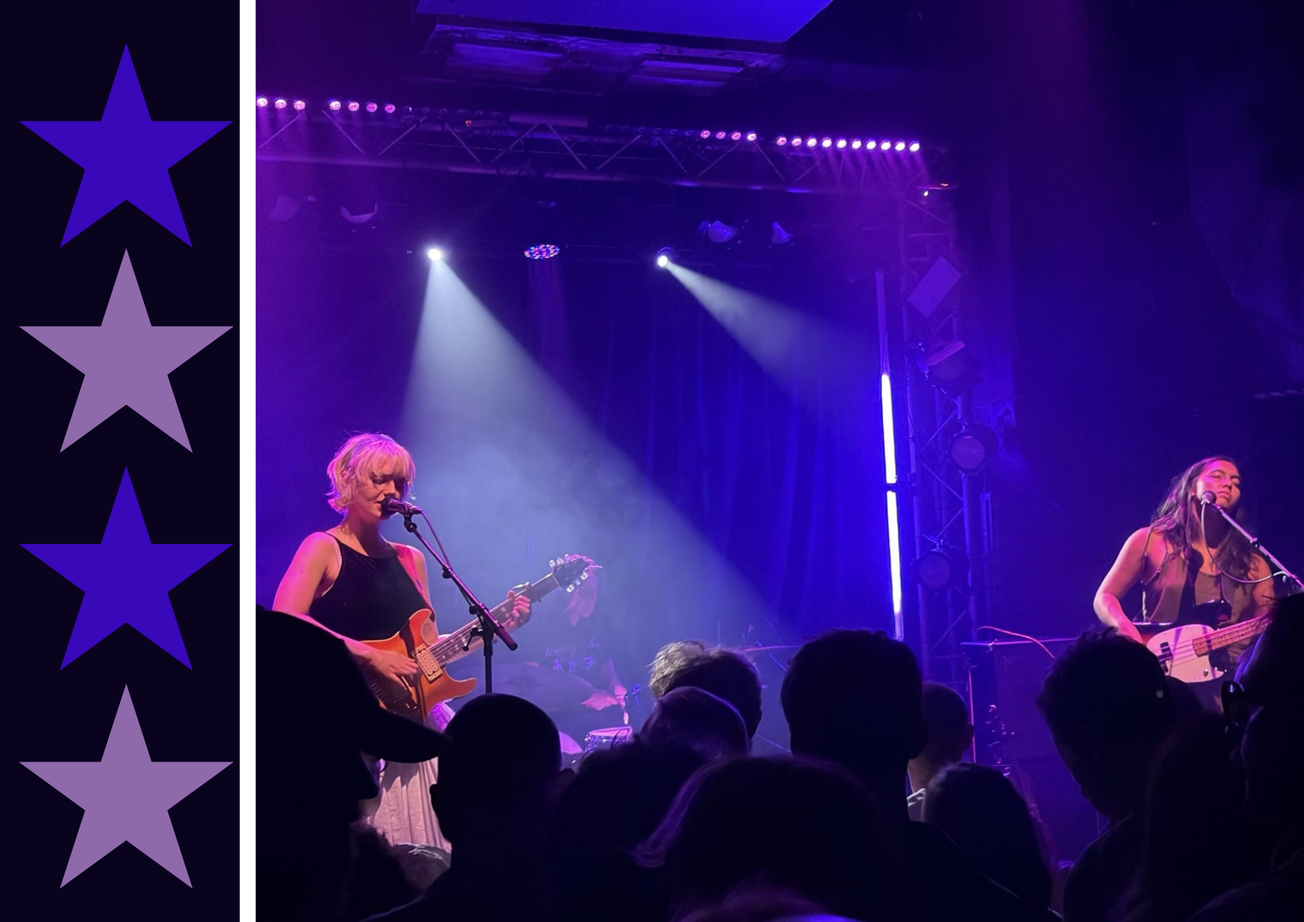
I love going to concerts. Sometimes I go alone, sometimes with loved ones, and it never loses that atmospheric, transcendent feeling; it’s good for the soul. While I have no regrets concerning any of the concerts I’ve been to, the costs do add up. Besides the increase in the price of face value tickets, I recently paid almost the same for transport costs to see Big Thief in London. The closing of local venues means larger artists often go elsewhere, so audiences either have to miss out or fork out for travel. That being said, I was lucky to see The Last Dinner Party at The Prospect Building in Bristol, an electric night.
Expensive concert tickets may not seem like a pressing issue, but they are a clear symptom of the effect of classism in restricting access to art. In a time when digital isolation is on the rise and real human art is being lost to AI, we need the commonality of accessible live music events more than ever.
Featured image: Photo by appshunter.io / Unsplash
How much would you spend on a concert ticket?