
By Harshitha Hebbar, PG Science Communication
In March 2026, Meta and Google lost a landmark case, which found them guilty of 'negligently designing' addictive features in social media.
The case
Six weeks of trial, nine days of deliberation and one historic ruling later, Meta and Google have been found liable for intentionally building addicting social media platforms. This was the first of three bellwether cases to go to court — a test case to pave the way for further trials on problematic social media usage.
The plaintiff, who went by her initials KGM, started using YouTube at age six, and Instagram at age nine. Addictive algorithms and continued usage caused KGM's mental health to deteriorate, affecting her relationship with her friends and family. By age 10, she had become depressed and was self-harming, and eventually was diagnosed with body dysmorphic disorder and social phobia, thanks to her extensive social media usage.
The court awarded KGM $3m in compensatory damages, and another $3m in punitive damages, ordering Meta and Google to split the payment 70-30. Neither of the tech giants are happy with the ruling, with both planning to appeal. However, governments across the world seem to be welcoming this decision, and pushing for more child-safety protocols on social media.

The accusations
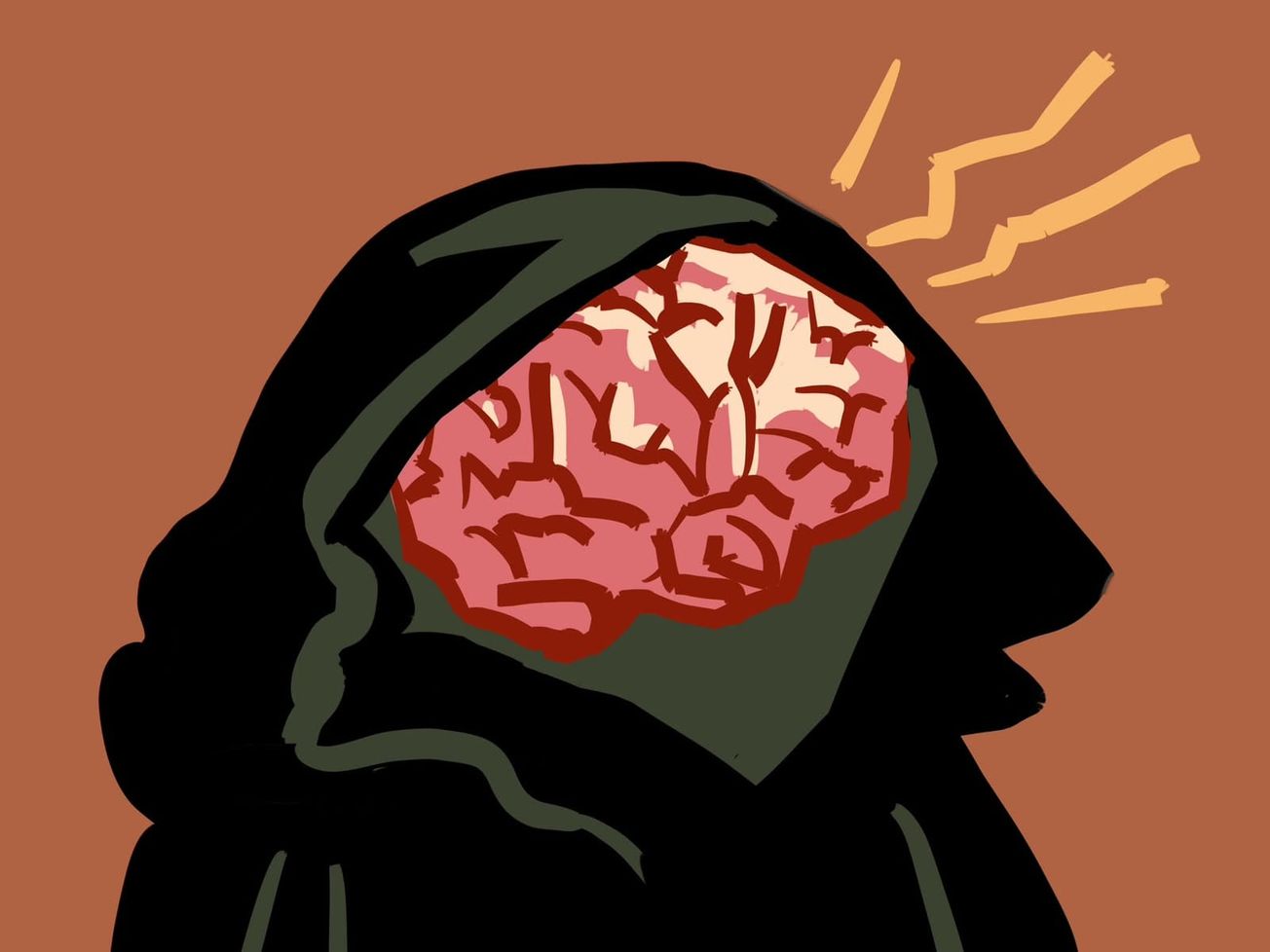
While Meta and Google have firmly maintained their stances that their platforms weren't the issue, the science says otherwise. Studies have shown that social media platforms have the same effect on the brain as gambling or substances do. The infinite scroll employed by apps such as TikTok or Instagram's reels reduces impulse control in users, encouraging them to keep scrolling. And as they scroll, algorithms deliver content in a way that ensures you see new and exciting content, causing your dopamine levels to spike.
Dopamine is the hormone in your brain that motivates you to get things done. It's involved in the regulation of emotions, pleasure and motivation, and is released when you anticipate or experience fun things. When you use social media, whether it be swiping through reels or receiving likes on a new post you uploaded, you get a hit of dopamine. Unfortunately, the spike dies down very quickly, causing a dopamine deficit. Every time you open a social media app, or even refresh your feed, it causes another dopamine spike, causing a cycle of peaks and lows of the hormone. This leads to users chasing that high, causing addiction.
The refreshing of feeds has been likened to slot machines in arcades. The unpredictable nature of what awaits a user when they refresh their screens is very much like trying to hit a jackpot. Sometimes you win, sometimes you don't. But the result is the same: you keep trying even when it becomes detrimental.

The testimonies
No official medical board has classified overuse of social media as an addiction, which tech company representatives have been using as a cop-out to avoid taking responsibility. But people have been vocal about social media ruining their lives for years.
A participant in a study on digital consumption behaviour said, ‘I found myself mindlessly opening the [TikTok] app every time I felt even the tiniest bit bored.’
Closer to home, Kanishka Narayan, UK's online safety minister, met a class of 10- and 11-year-olds in Cadbury heath primary school, Bristol. A boy in class who used YouTube extensively, said, ‘Four hours and then it's [like] where's all that time gone? It's just gone, scrolling all the time.’
There have been multiple claims from years ago that these companies not only knew about the addicting effects of their products, but intentionally built them that way to capitalise on them. In 2020, Zuckerberg viewed a report compiled by Meta's researchers that found that Instagram exacerbated body image issues in one in three teenage girls, according to the Journal. Yet, he holds firm in his stance that his apps are not the cause for declining mental health among young audiences.
Sandy Parakilas, a former Facebook employee turned whistleblower, also likened social media to slot machines way back in 2018. He told the BBC that Facebook's goal was to ‘addict you and then sell your time.’

The outcome
Meta received this verdict on the tail end of another landmark ruling in New Mexico, where the company was ordered to pay $375 million in repercussions. That lawsuit found Meta liable for lying about safety measures on its apps, and turning a blind eye to harm, including child sexual exploitation, against users. Meta is scheduled to go to court again in June, with plenty more lawsuits headed their way.
 Alice Guskov
 Tiberiu Toca
Globally, the ramifications are spreading quickly. Australia had banned accounts of children under the age of 16 at the end of last year, with Indonesia following in its footsteps this month. Spain is now the first European country with a social media ban, with Austria, France and Denmark considering a national age limit for social media usage in their own countries. The UK is currently deliberating an under-16 ban too, with Keir Starmer saying, ‘We need to do more to protect children.’
All in all, it seems like the tides are shifting for big tech companies. Until now, the internet has been a largely unregulated area, with no precedent for legally monitoring activities online. Platforms like Facebook and Instagram used the lack of legal recognition for their own responsibility to increase their own profits at the detriment of their users. But now, their era of invincibility is phasing out. With the legal cases racking up, these companies have to fall in line, fast.
Featured Image: Dima Solomin / Unsplash
Are you addicted to social media?