By Josh Zinkin, Third Year, Politics
Today is the 7th of October 2026, three years after the 7th of October 2023 attack perpetrated by Hamas and other armed terrorist groups on Israeli towns and villages, in which more than 1200 people were murdered and 240 more were taken hostage.
Bristol Jewish Society (Jsoc) remembered the victims in a ceremony last night, honouring their memory and hoping for lasting, harmonious peace in the region. Members lost family and friends that day at the hands of Hamas and other proscribed groups.
The attack has resulted in ongoing conflict and the impact has been felt all the way over on Bristol’s campus, and more widely by Jewish students in the UK. Statistics collected by the Community Security Trust (CST) – a Jewish community organisation tracking antisemitism – show a repeated link between newsworthy stories in Israel and the Palestinian territories, and instances of antisemitism in the UK.
CST recorded the first two instances of antisemitic ‘extreme violence’ (defined as grievous bodily harm) ever reported on a UK campus, both in 2024/25. The total number of antisemitic incidents on campus has fallen, though, from 272 in 2023/24 to 95 last academic year. However, this figure is 79 per cent higher than the number of incidents CST recorded in 2022/23.
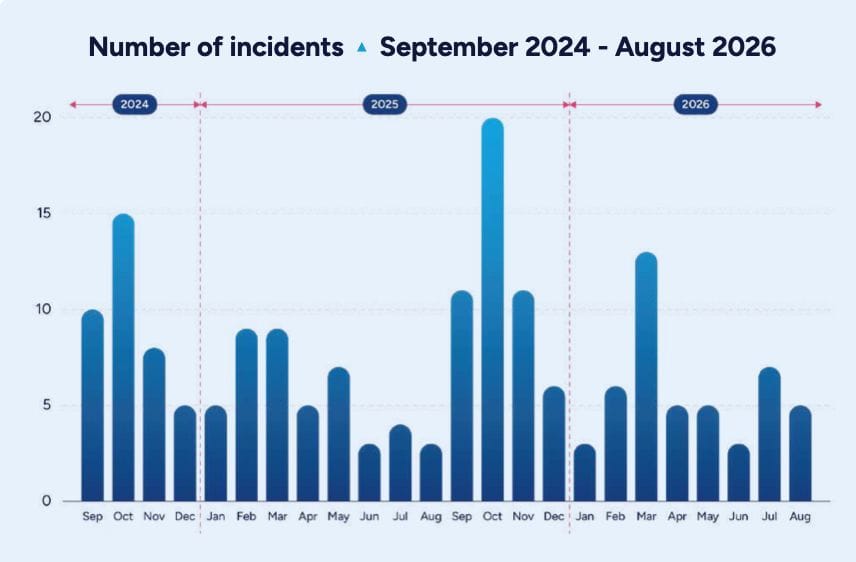
Physically violent manifestations of antisemitism, such as the arson attacks on Golders Green ambulances, and the attack last year at Heaton Park, are often driven by terrorism and terrorist ideology. At Heaton Park synagogue in Manchester, where two Jewish community members were killed on Yom Kippur 2025 – one murdered by the attacker, and one hit by police while holding the door closed to protect congregants – the attacker pledged allegiance to Islamic State. In April 2026, the group Harakat Ashab al–Yamin al–JIslamia claimed responsibility for three arson attacks on Jewish community ‘targets.’ Social media accounts, and even the former mayor of Bath shared posts suggesting these attacks were false flags, or in the worst cases, supported them.
Bristol, thankfully, has not seen antisemitism of this ilk. However, students often report manifestations of antisemitism throughout student life: around campus, on nights out, and in their accommodation. Often, these incidents can be dealt with, and individual Jewish students are able to help flatmates and friends correct and reflect on their actions or statements.
Recently, a fourth year student, while standing by our freshers fair stall was asked: 'Does Jewish Society support killing kids?’
Most antisemitism in Bristol (and I stress most because of instances like the above) is due to ignorance, and is not rooted in malice. However, with national antisemitism rife over the last year, including arson attacks on Jewish buildings, Jewish students on campus feel unsafe hearing ignorant comments or off-handed throwaways. Jewish students are usually not at risk of violent antisemitism, but many actively hide their identities from coursemates, lecturers and even friends because of fear for personal safety. I say ‘usually’ as the previous Jewish Society President was recognised and swung at in a Bristol nightclub.
A close friend of mine only revealed their Jewish identity to their coursemates this year (in their third year) after missing a lecture due to a holiday.
Most antisemitism derives from ignorance, but support for proscribed terror groups can never be labelled ignorance. Glorifying proscribed terror groups such as Hamas or Hezbollah, or the Islamic Revolutionary Guard Corps (IRGC) and similar state-threat actors, can be a criminal offence, and is the biggest concern for Jewish students on campus. Graffiti supporting the IRGC, a designated a state-backed terrorist threat group by the UK government, was recently scrawled onto the side of a university building in Bristol.
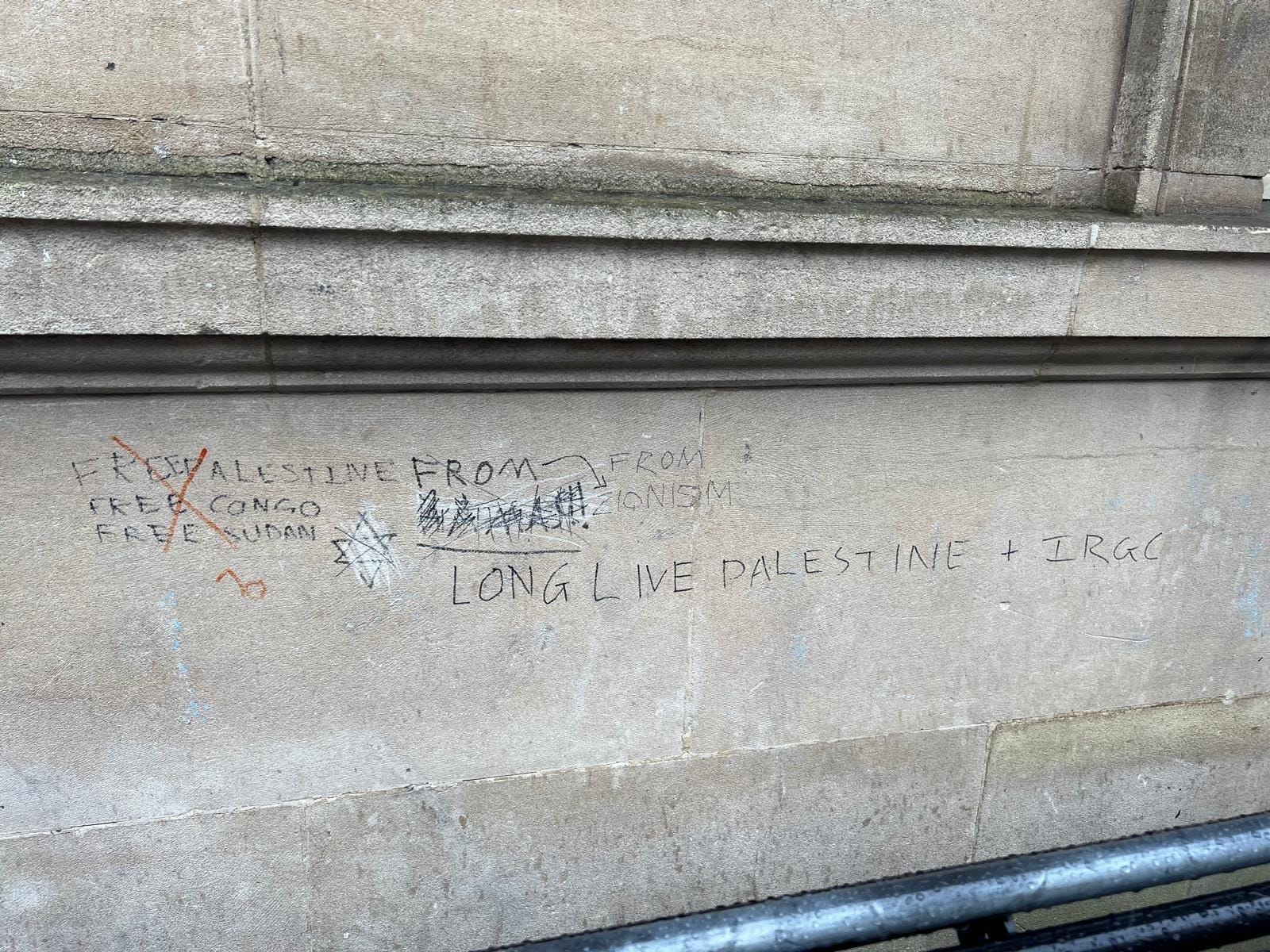
Supporters of terrorist ideology have been active on this campus before, and Jewish student lives are consistently affected by antisemitism.
Jewish students want the opportunity to commemorate the 7th of October attack, and JSoc can provide that space. But JSoc alone cannot ensure a welcoming environment for all Jewish students at university and in social spaces. That must come from the wider student community in Bristol.
Educate yourself on antisemitism, educate yourself on the International Holocaust Remembrance Alliance (IHRA) definition and its nuances, keep an eye out for your Jewish friends’ mental health, and take a firm stance with us against terrorism in all of its manifestations.
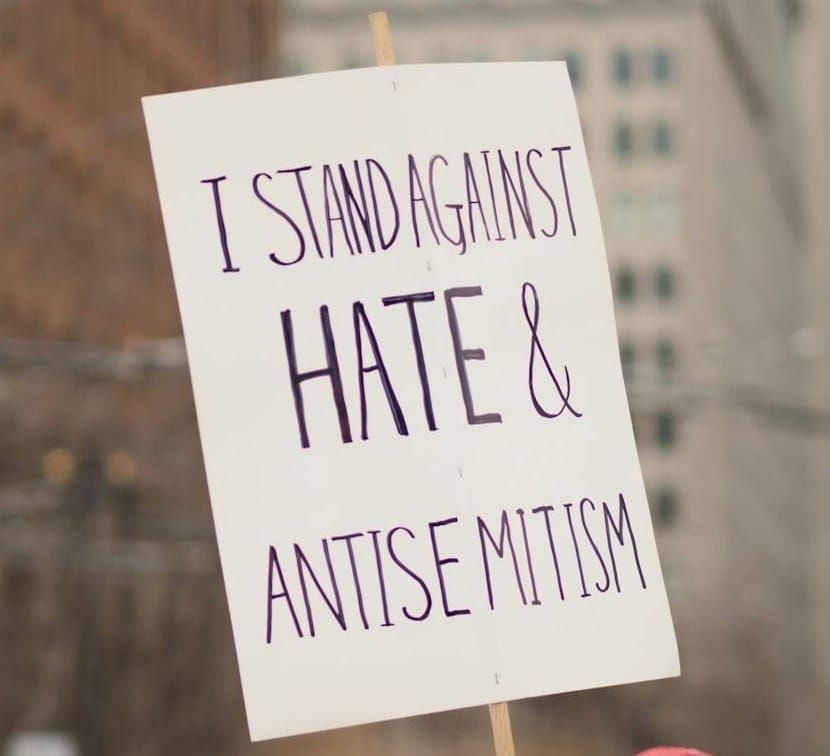
Featured Image: Levi Meir Clancy / Unsplash
Epigram is an independent newspaper that aims to publish opinions from across the student body.