By Luca Woodruff, Third Year, Law
Leviticus (2026) follows Naim (Joe Bird) and his mother Arlene (Mia Wasikowska) as they move to an industrial town in the Outback, seeking the comfort of orthodox Christian authority. Naim's indifference to the hazy warmth of Jesus’ love isolates him in his own house but this adolescent apathy at least gives him common ground to tread with the brash and brooding bleach-blonde Ryan (Stacy Clausen).
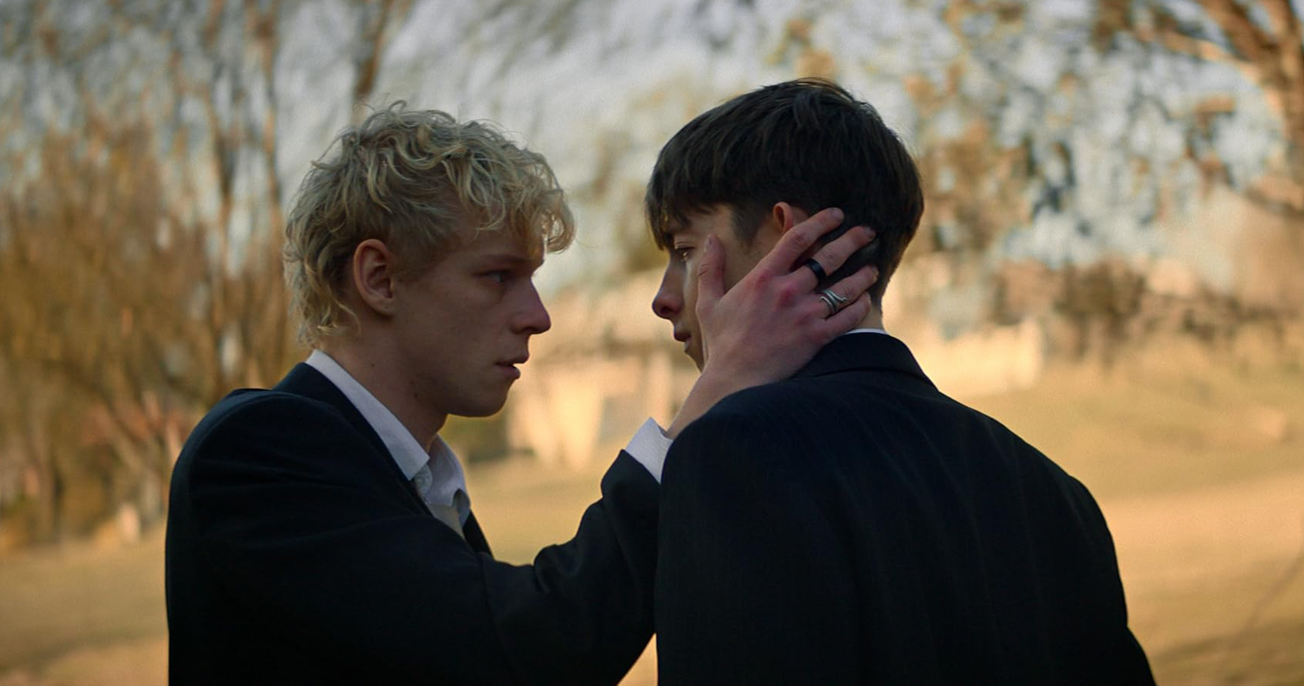
In their first escapade, the pair stumble across a wild snake. While Ryan wants to put his stick to some use, Naim pleads against it and the boys flee while the python slowly engulfs an impotent frog. They find an abandoned mill and, high on the thrill of trespass and line-crossing, the teenagers spend their afternoon pushing and taunting each other, prideful in their bravado or hiding something behind it. It is swiftly revealed to be the latter as their bullish affections bring them to the floor and Ryan instigates a kiss.
Naim is unnerved but exhilarated - high on a drug he knows is outlawed. For the first time in an icy existence, he can feel the fire on his hands, which is why the sting is so sharp when he sees Ryan with the pastor’s son, Hunter (Jeremy Blewitt). Overrun with the bitter taste of betrayal, Naim commits one of his own. He goes to Ryan’s parents and tells them what he saw as their daughter puts together a foreboding jigsaw of a black ram. A mysterious healer is summoned to deliver Hunter and Ryan from their sinful inclinations by exorcising their demons, which, of course, only creates one anew. Visible only to its victim, the entity transforms into whoever they are most attracted to.
The entity is similar to that in It Follows (2015), being both a relentless stalker and a euphemism for sexual trauma. In fact, the two films are structurally quite similar, both opening with previous victims of the entity before we follow the main narrative. Leviticus also references Psycho (1960) by opening with a shower scene, - a choice that immediately signals danger, as does the reference to It (1990) during the washing line sequences.
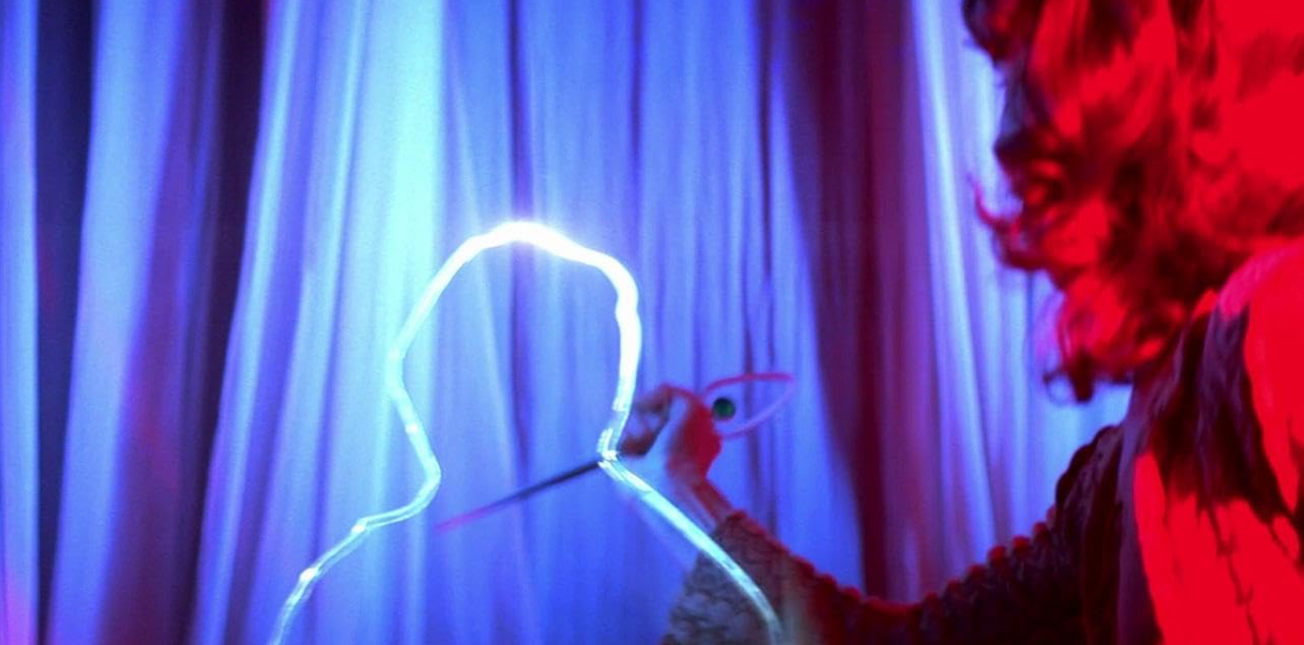
But most of all, Leviticus benefits from two visual cues of demonic presence established in Ari Aster’s Hereditary (2018).The first is one’s own reflection. In Aster’s lauded horror feature of familial trauma, there is a scene where the character of Peter (Alex Wolff) catches his reflection in a classroom cabinet, only for his gaze to be returned by a grinning mirrored self. This moment not only elicits panic but also conveys the devil within him in a literal, physical sense.
And in Leviticus, when Naim and Ryan first kiss in the abandoned mill, Naim abruptly ends the moment when he catches his reflection in a dusty mirror. It is a moment of clarity: he sees the devil within himself. Not yet literally, but theologically. Although he clings to rationalism and rejects the superstitions of the church, their warnings still cloud his behaviour and desires.
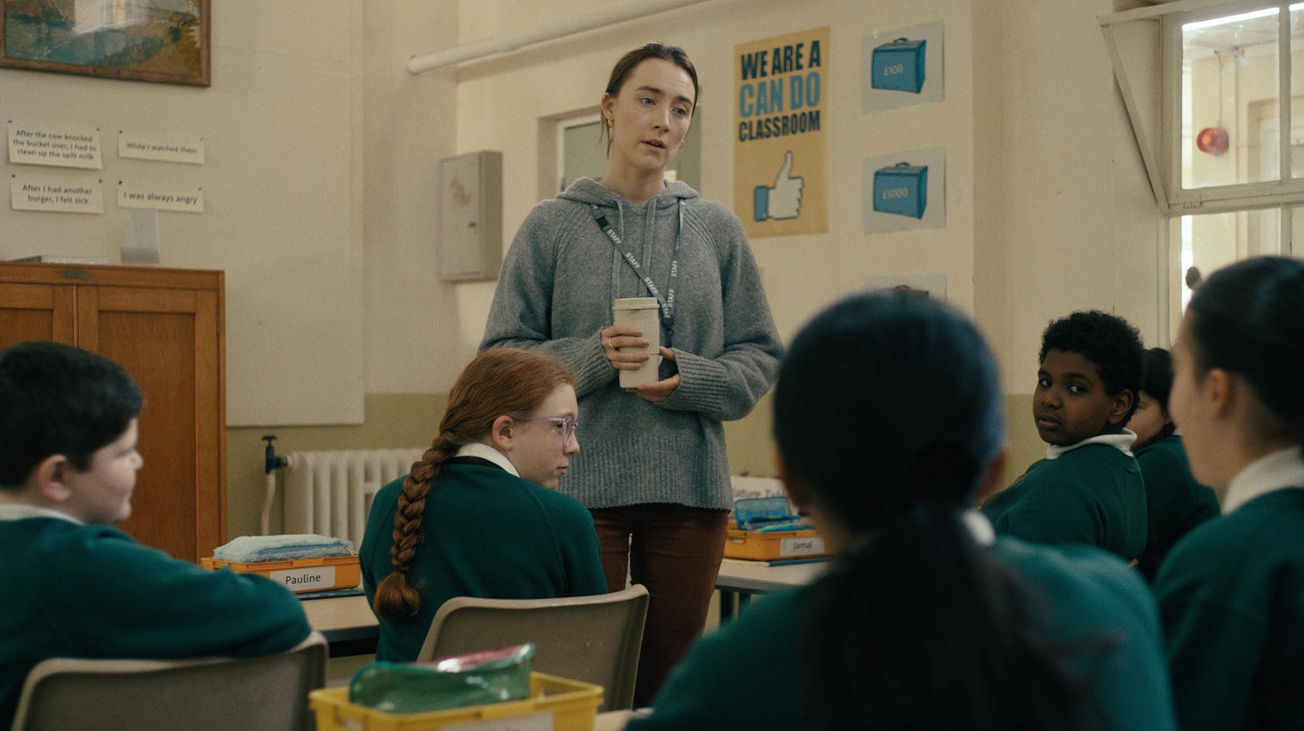
Hereditary also uses a shimmer of light as a form of the entity before it takes hold of its target. Director Adrian Chiarella borrows from this in his film's classroom scene, where Hunter catches the light with a mirror shard, taunting a classmate with it. If this is cinematic symbolism of an evil presence, then Hunter inflicting it on his peers allegorises the phenomena of punching down, of subjugating the subjugated when you yourself know their pain. In keeping with Naim’s betrayal of Ryan, Chiarella is exploring the fractured relationships between sexual minorities when they are forced to forge a community of their own.
And on the topic of punching down, Hunter and Ryan’s precursor to affection is literally stoning each other. It seems like a depraved kind of foreplay but may as well be intimacy itself in the form of the pleasure gained from self-punishment when your society degrades you. This gains another dimension when Hunter sees the entity at night. We watch with Naim from a window as an invisible man throws rocks at the unsuspecting boy. Their aggressive love language is now plainly self-harm - a clever visualisation of the tragic reality of how so many gay individuals cope with their self-hatred. Finally, Chiarella elevates the message of Leviticus by evoking the audience’s disapproval of Ryan and the snake, parodying the sanctimonious judgement of the church so that we, as viewers, reassess our own pre-conceptions.
Many of the responses to the film regarded it as a love story but I find myself unable to accept it as one because of Ryan’s relationship with Hunter. Ryan’s disloyalty feels wrong, representing a breach of trust and a flaw in his character. But Ryan and Naim are not dating at any point in the narrative as that is a privilege Ryan knows he cannot have. We cast judgement over him because we perceive his actions to be immoral, even though he has every right to sexual freedom in his hometown, to which Naim is a new addition. If we approve only of his pursuit of romance and love while judging his indulgence in physical pleasure, why are we any better than the church? Why is our judgement any less hateful?
 Ella Saxton
And the snake devouring the frog is the story’s most enlightening metaphor. Our instinct is one of disgust, looking for ways to vilify the reptile as cruel or evil: a symbol of Satan. But it is just an animal, looking to survive the same way every other animal does. Just as the snake is allowed to live, so too should Naim and Ryan. Free from judgement and hate, from dogmatic bigotry masquerading as Christian love.
Featured image: IMDb / Leviticus
How did you interpret the religious imagery in Leviticus?