By Ella Saxton, Third Year, French
Resulting from mainstream cinema’s failure to spotlight compelling queer stories, queerness has found its niche in indie and arthouse films. Recent examples include Moonlight (2016), Portrait of a Lady on Fire (2019) and I Saw the TV Glow (2024). Rarely, though, do queer films – indie or otherwise – feature much levity.
In particular, directors’ adherence to the ‘Bury Your Gays’ trope - the practice of mercilessly slaughtering one or both of the fated lovers - has become increasingly wearisome fare. Helen Walsh’s On the Sea (2026) is a dismal and unfeeling symptom of this obsession with queer tragedy.
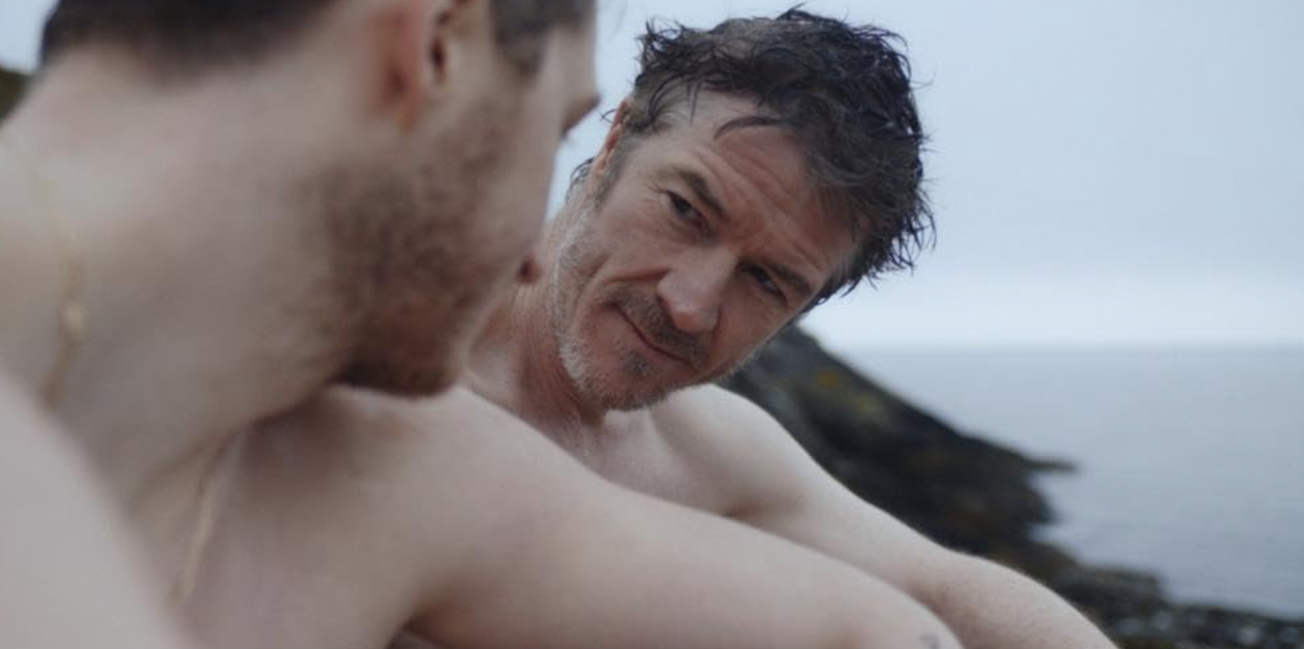
Due to the nigh-simultaneous festival releases of On the Sea and Mark Jenkin's Rose of Nevada (2026), historians will describe 2026 as ‘The Year of Films About Sad Fishermen’, as On the Sea’s protagonist, fisherman Jack (Barry Ward), finds his family’s mussel company confronted with a Rose of Nevada-esque dilemma. Bigger companies are taking over the market and the next generation, embodied by Jack’s son, Tom (Henry Lawfull) are failing to support the business, leaving the town on the verge of economic collapse. Overwhelmed by pressure from all sides, Jack finds sanctuary in a mysterious drifter, Daniel (Lorne Macfardyen), with whom he begins a passionate affair.
Regardless of arthouse cinema’s attempts to incorporate a queer perspective, there is a risk that they will soon cannibalise themselves through their overuse of clichés. For example, long, drawn-out silences in which characters exchange meaningful looks have become a staple of arthouse cinema. This can be effective, but only if the film has something to say aloud in the first place. However, On the Sea’s choppy pacing and predictable script lead to a laborious first three-quarters, followed by a lightspeed, unsatisfying resolution.
As a result, the extensive silences seem frustrating, rather than fraught with meaning. Instead of attempting to find a fresh angle on the tensions between blue-collar masculinity and queerness, Walsh merely echoes previous, more adept, directors’ views. At the same time, any emotional weight is lost through the film’s self-indulgent ‘arthouse’ ambiance, complete with a grimy aesthetic and plentiful moments of brooding.
Crucially, though, the lukewarm romance between Jack and Daniel is stretched so thinly that there is barely enough time for them to rut on the floor of the [insert uncomfortable location], let alone develop a meaningful connection. Little is exchanged between them except various bodily fluids - certainly no love. Macfadyen and Ward do their best to strike sparks between their characters but there is only so much that yearning looks and tense silences can do. Meanwhile, Jack’s wife (Liz White) is mostly confined to the background, dutifully cleaning dishes, making the tea and looking worriedly after her absent husband. Disappointingly, Walsh is too focused on capturing Jack’s turmoil to spare much sympathy for a woman trapped in a loveless marriage.
Supporting performances from Lawfull (Jack's truculent son) and Celyn Jones (Jack's even more truculent brother) are effective at highlighting the ripple effects of toxic masculinity in an isolated community. However, the only proposed alternative to the heteronormative machoism of the town’s men is found through queer identity. For the average heterosexual man, there is no escape from the vicious cycle.
As a director, Walsh does a good job at capturing the harshness of a working-class existence and finding rugged beauty amidst the bleak landscapes, accompanied by Felix Rosch’s melodious score. It is nevertheless so clearly indebted to previous queer dramas, whilst simultaneously ignoring what made them so effective in the first place. The same clichés are there. The man more comfortable in his sexuality becoming the emotional crutch for the other, more repressed, man, both are employed in working-class, typically masculine jobs and the relationship is shot principally through the lens of sex, rather than emotional connection.
 Bethan Parry-Jones
Despite the raw beauty of the setting, Jack’s world feels oddly shallow. The watching eyes of the Church and his neighbours, the culture of working-class machoism and the divisions between the younger and older generations are all interesting concepts but far too weighty to be developed fully in such a short time. Quite simply, these are vast, murky waters and Walsh is out of her depth.
A low point for queer cinema, On the Sea is as brittle and hollow as a discarded clam shell. Though performed well by its underserved cast and grounded in the brutal beauty of the Welsh coast, its attempts at poignancy are reliant on old clichés and self-indulgent sentimentality.
Featured image: IMDb / On the Sea
How do you feel about the current wave of queer cinema?