By Clarrie Terleph, Arts Deputy Editor
In the past decade, Britain has witnessed dramatic political shifts and turbulent transformations. From the Brexit referendum in 2016 to the Covid-19 pandemic just four years later, and the country now being in the grip of a worsening cost-of-living crisis, it seems there is no end to the uncertainty. What once appeared to be a united country, from the optimism surrounding the 2012 London Olympics to the excitement of William and Kate’s wedding, seems to have rapidly unravelled and been replaced with growing levels of division and dissent. But to what extent do people really feel this divide, and why? I spoke to people from a range of generations to explore whether Britain’s divisions are a product of conflicting generational experiences, economic pressures or cultural clashes within an increasingly polarised political landscape.
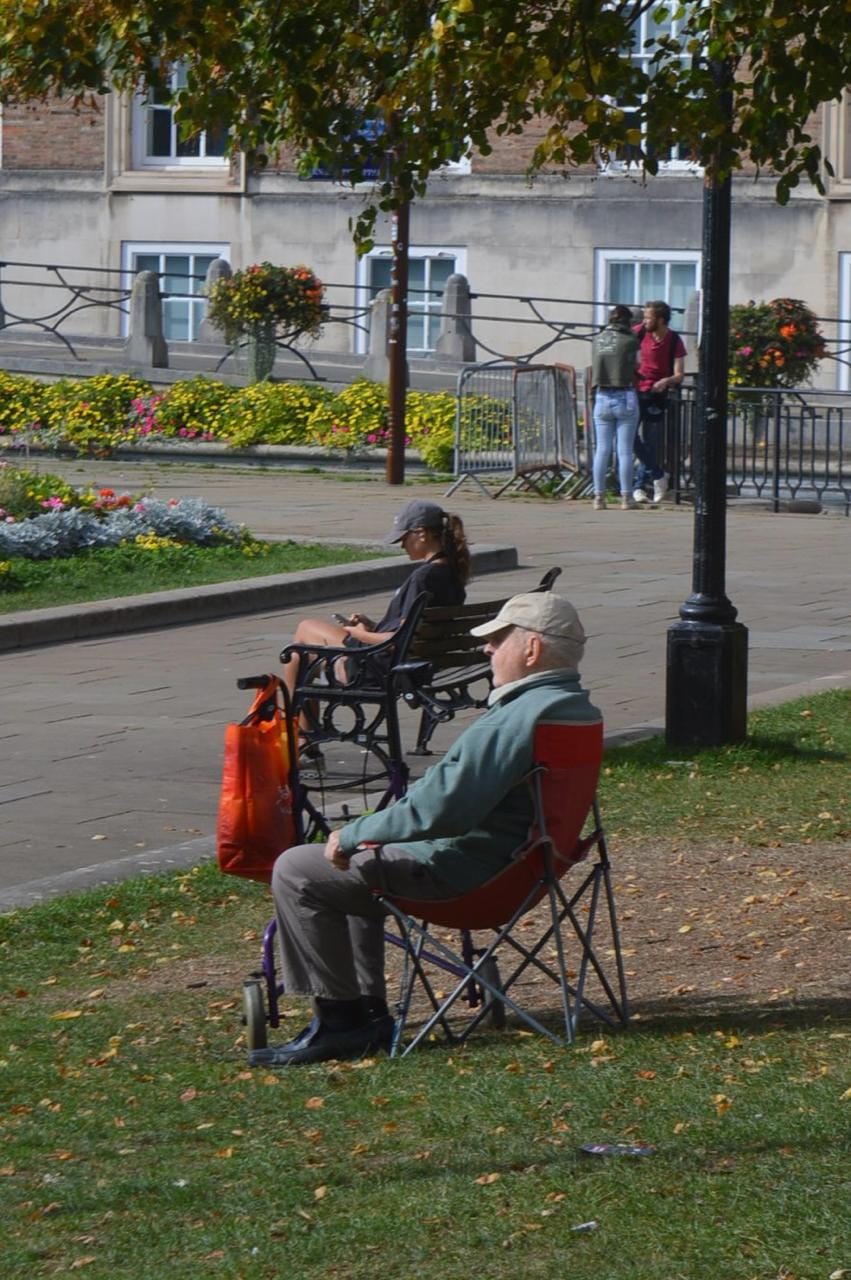
In a survey conducted by Epigram, 75 per cent of participants felt that economic factors were driving division between generations. While the cost of living does not discriminate in who it affects, the impact seems particularly visible among younger adults, for whom traditional markers of adulthood are drifting out of reach. One Gen Z respondent told Epigram that they felt many disillusioned youths view it is them who face an unemployment crisis and a lack of housing more than older generations, who own their homes and enjoy the protections the previous conservative governments provided while another Gen Z stated that there is a ‘huge imbalance which protects the older generations.’
According to 75 per cent of Epigram readers economic factors are the biggest driving force for generational divisions
Similarly, many Gen X participants expressed concerns for the futures of their children as getting on the property ladder becomes increasingly difficult. The BBC reported in July 2026 that the number of young people out of work could hit 1.25 million by the early 2030s and found that 42 per cent of 25-year-olds are living at home with their parents, in comparison to 25 per cent in the 1990s.
Against this backdrop, it appears unsurprising that some young people perceive the generational divide a direct result of housing, employment and financial security, particularly when comparing their experience with those of previous generations.
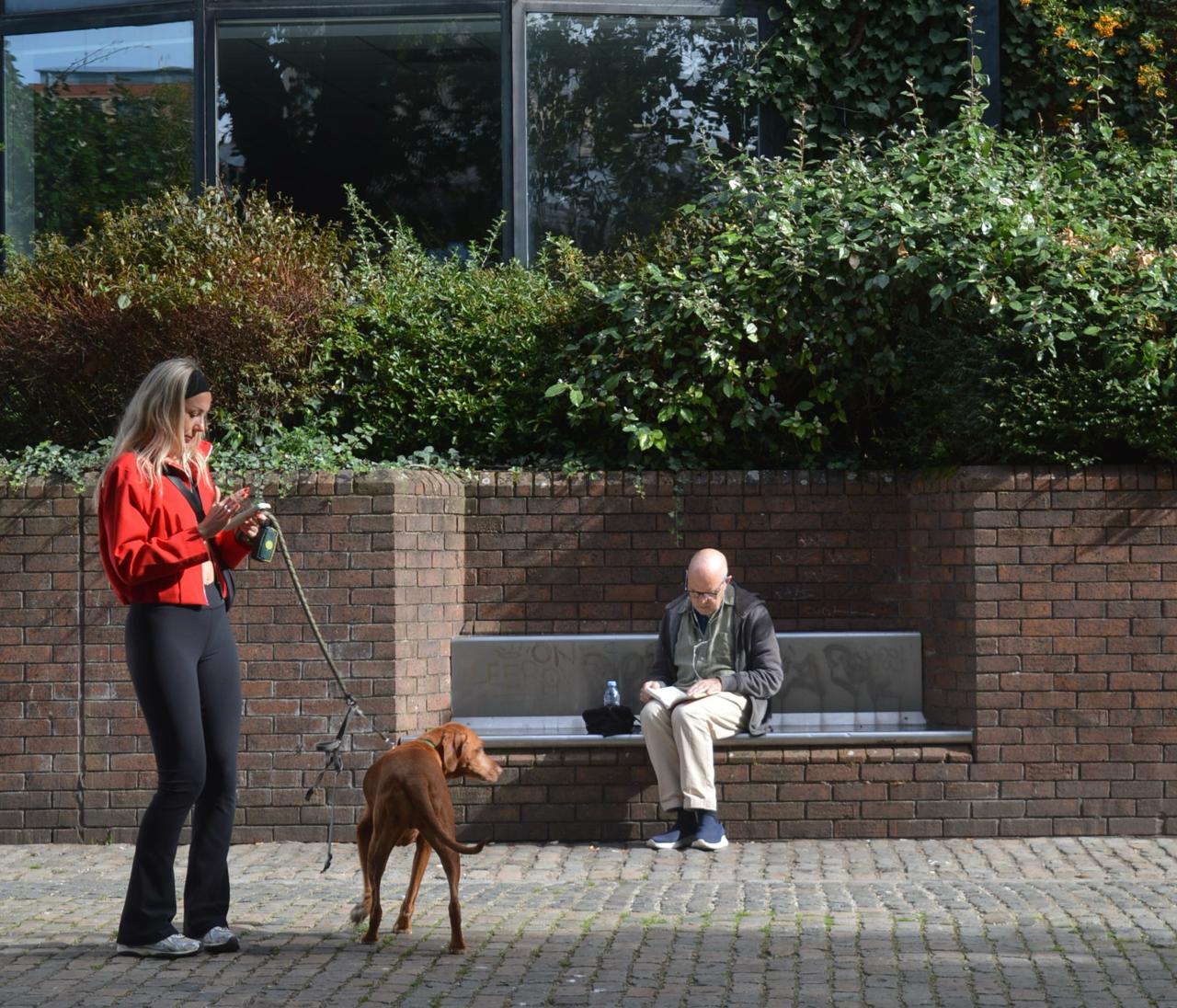
But are Gen X and Boomers the only ones to blame? Epigram found that for some older respondents, the country’s sense of division was less about economics and more about a perceived decline in traditional values and community. One Gen X wrote that they felt that basic values are being eroded by the huge influence of social media which has reduced people’s connection to the real world, while a Boomer pointed to a perceived decline in community spirit.
It seems for the older generations, there is a belief that the divide has arisen as a result of social media and an increasingly self-interested society. Online culture may fuel these tensions further through its determination to categorise and generalise different generations, arguably pitting them against each other in the process. Terms popular on social media such as Karen and Boomer can reduce large and complex groups of people to negative stereotypes, reinforcing division between age groups.
While the economic divide may be at the forefront of Britain’s concerns and generational tension, a social divide appears to be quietly developing alongside it - one which, as the country’s political landscape becomes increasingly divided, is causing political consequences.

One Gen Z respondent criticised social media for its political impact, arguing it consistently creates an echo chamber of extremist ideologies which overtime slowly bleed into the political mainstream. While it is difficult to establish how far social media is responsible for political division; there does seem to be growing electoral support for more extreme political parties. Local elections in May earlier this year saw significant gains for Reform UK and the Green Party at the expense of Labour and the Conservatives. Reform UK secured 1,349 seats and control of 14 councils, while the Greens won 376 seats and now lead five councils, highlighting how Britain’s political landscape is becoming more fragmented. In addition, analysis of the elections by the Guardian discovered Reform UK performed better in areas with larger over-65 populations, while the Greens did better in younger areas, demonstrating how generational differences are impacting voting and contributing to significant political change.
The generational divide is defining our political landscape
However, age is only one factor, and generational disagreements are only one source of division in Britain. The Guardian’s analysis also considered education, deprivation and housing tenure, finding that Reform performed strongly in economically deprived and less educated areas, while Greens won in highly educated areas and in wards with more renters. Together, these patterns suggest deeper demographic and socioeconomic factors are also reshaping voters’ motivations across the country, and as one Gen Z participant told Epigram ‘the divide therefore arrives in the issue that a party does not offer policies that benefit both ends of the generational spectrum, but in fact pits them against one another.’
Perhaps then, the generational divide is not simply about young people blaming older generations for their economic struggles, and older generations blaming younger generations for changing social norms, but about people across generations interpreting the same period of rapid social and economic change in fundamentally different ways.
 Teddy Coward
 Callum Ruddock
Featured Image: Epigram / Romina Treviño
Do you notice the generational divide in the UK? Do you think it is getting worse?