By Beth Robinson, SciTech Deputy Editor and Harshitha Hebbar, MSc Science Communication
A drizzly Tuesday morning found a group of primary school students amongst poppies and tomato plants, learning about the importance of a community garden. This was the Redcatch Community Garden tour, organized as a part of the Festival of Nature, the UK's biggest tribute to nature. Celebrated annually, the festival ran from the 6th to the 14th of June, featuring free events both outside and online.
The Festival of Nature has an unexpected origin story, which set the tone for all the events to come. In Bristol style, it was first proposed at a party, attended by people from across the environmental sector. And the Festival is truly a party, one that celebrates nature.
It is run by the Natural History Consortium, a charitable collaboration of 13 organizations. The Consortium's main goal is to connect people with nature by hosting various events that focus on accessibility and nature connectedness. Our very own University of Bristol is one of these partners, developing the Wildlife Index, which tracks the holistic impact of species populations.
The motif of the Festival of Nature is the potential of individual action. It prompts people to think ‘I can do that’, and then actually do it. The Festival has 180 events, of which about a 100 are community-led, like Redcatch Community Garden. The others are hosted by organizations, or passionate individuals who have a skill or knowledge that they want to share - from online Pine Marten talks to Queer eco-poetry workshops (Seven roads diverged in a rainbow wood, anyone?)
Loz Emerson, Citizen Science Programmes Manager at the Natural History Consortium, expressed the importance of taking the initiative when it comes to caring for the environment. ‘You don’t need to wait to be part of a big organisation to start to take action, you can do it yourself,’ she said. And this is true for how Redcatch came to be as well.
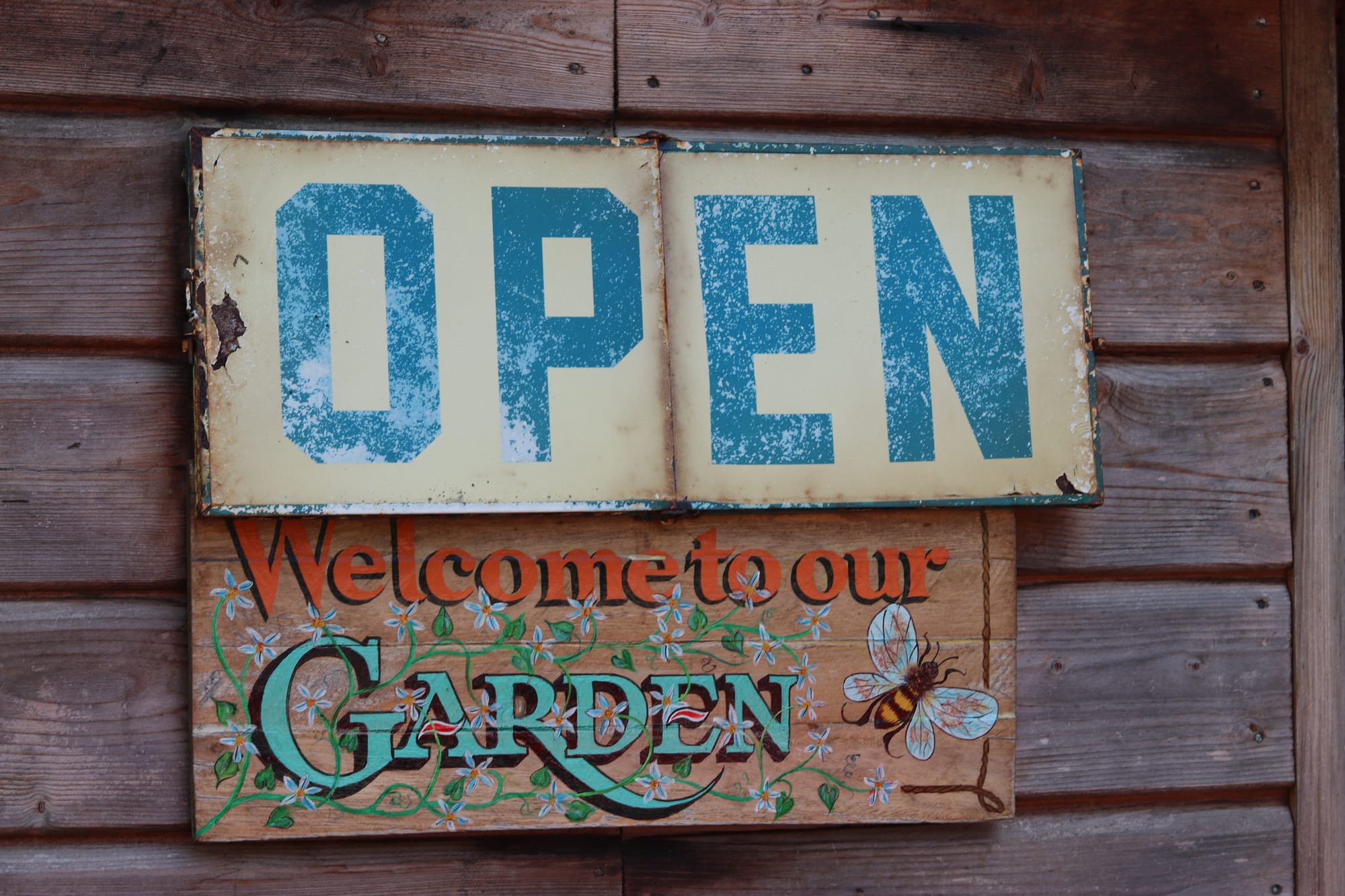
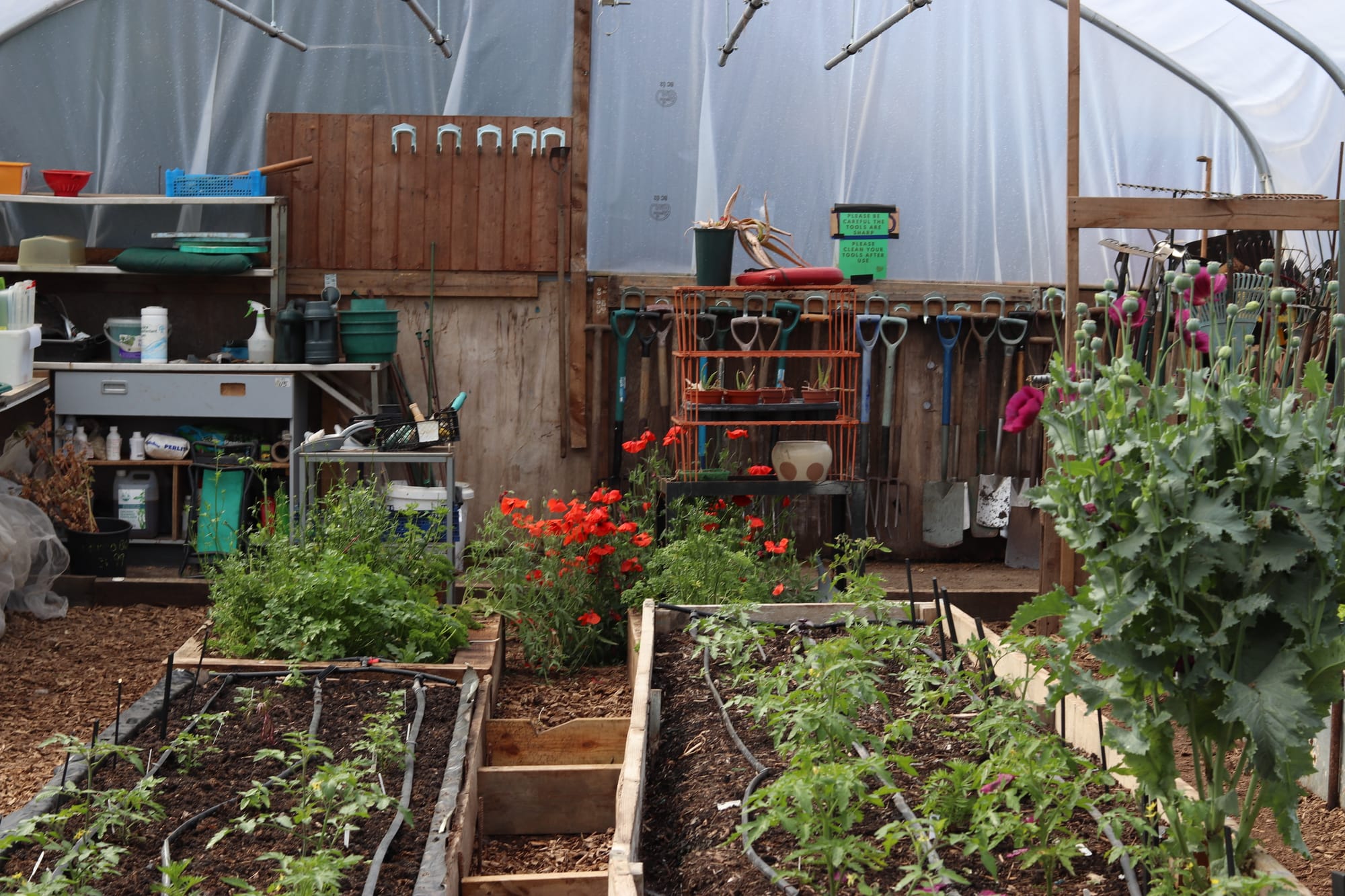
In 2017, local residents came together to slowly re-purpose an unused bowling space into what is now Redcatch Community Garden, a charitable community benefit organisation of which Kate Swain, CEO, is a Co-founder. Giving us a tour of the greenhouses and outer area, Kate showed us the vast array of fruit and veg grown on site, in addition to the other positive and educational benefits they provide.
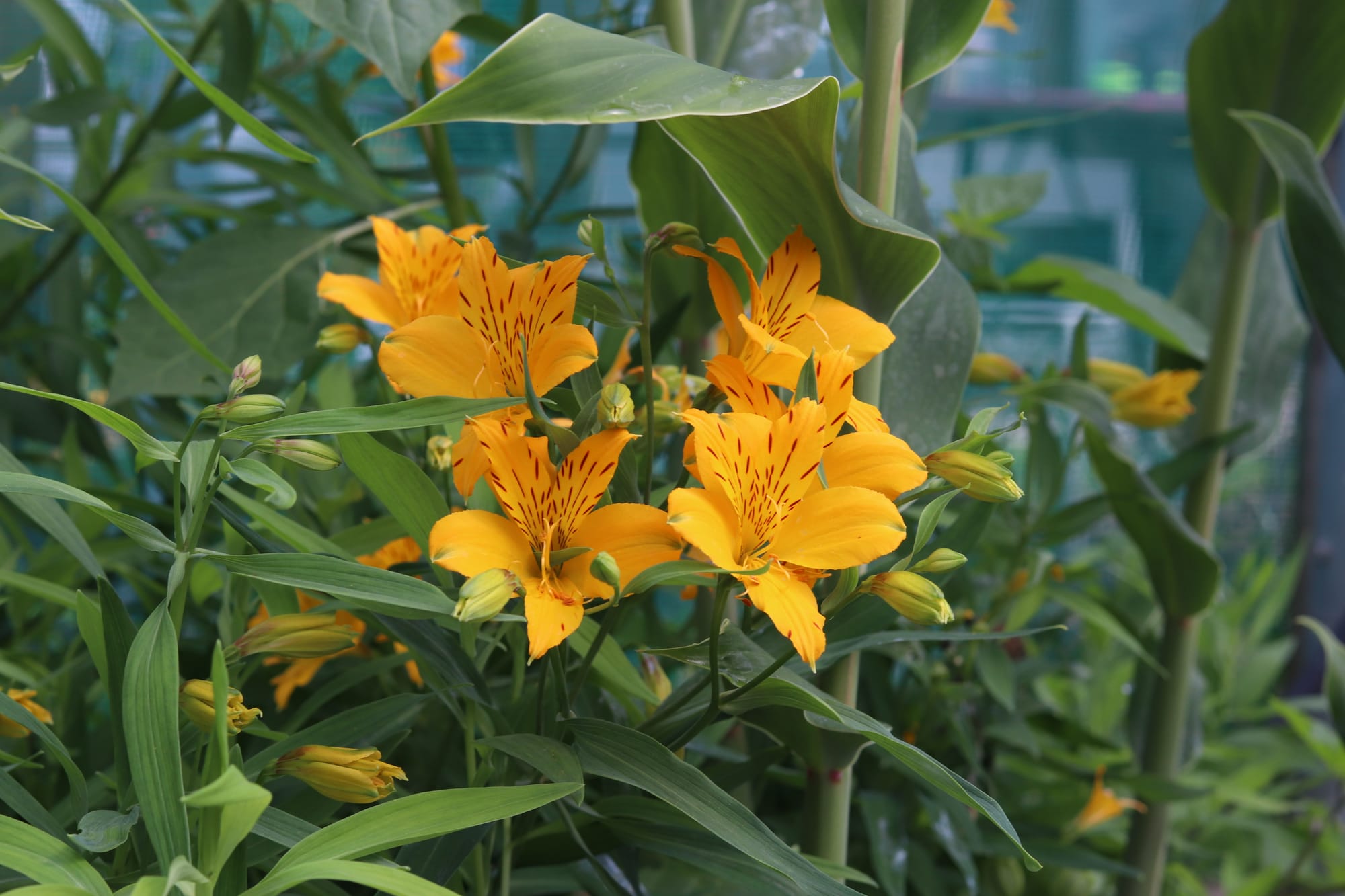
Here, plants are grown organically with functionality in mind — Kate showed us the line of tomatoes interspersed with marigold to act as a bug deterrent. People get the double benefit of not just growing their own food, but also learning about what grows seasonally, and the importance of eating locally as it reduces their carbon mileage as opposed to imported fruits and veg. There’s also a lasting legacy associated with the space — the inclusive nature of the garden provides manifold benefits to locals. Children visit throughout the year and see their plants grow, ginger cordial has been made from the garden for the sick, and the community becomes more connected through the vast array of sessions run for people struggling with dementia and mental health, free community lunches, and more. Kate said, ‘It grows out and the community connects in that way.’
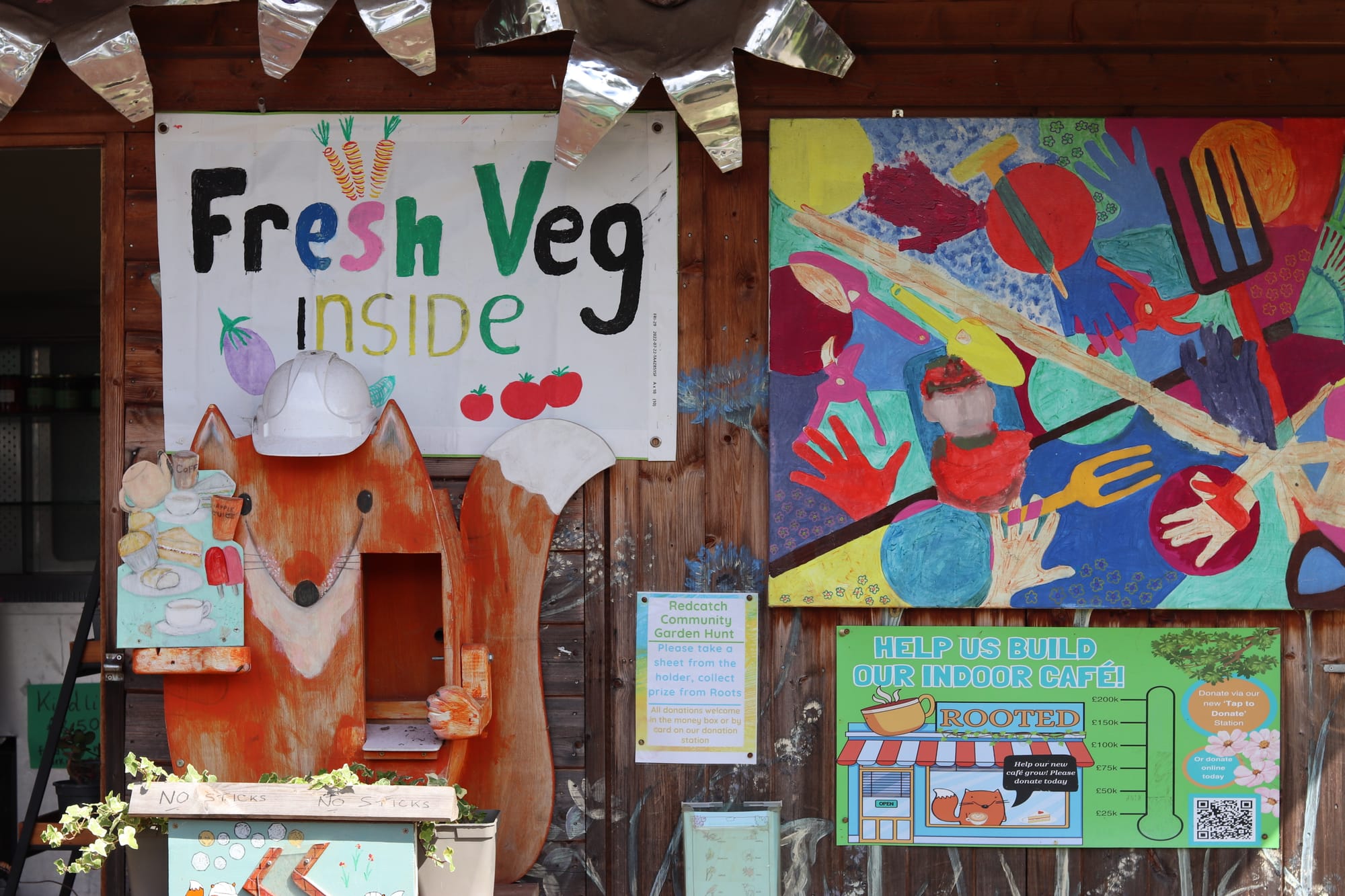
What was initially a team of eight to ten people has grown to a team of 23 staff members and 100 volunteers. For Tony, who has been regularly volunteering for nine years, his opportunity to get involved presented itself when he took his son cycling around the park, and was frustrated at the state of it. He thus began to weed, and was approached by someone who suggested he work in the garden. ‘So I started helping in the garden’, he said. Nowadays, he describes the importance of the space to communities as ‘mega’, saying ‘people just love it, the whole community gets together, and I don’t know what they’d do without this place now.’
That sentiment echoes the larger theme of the Festival of Nature. As Loz put it, ‘We're all on this planet together, and we're all going to be facing the challenges that biodiversity decline and climate change causes so we all need to be working on the solutions together, and having events where people can come with their families and friends of all ages, and learn about these things together. It gives us a more united front.’
But oftentimes, climate change is a daunting issue to tackle, and most people feel overwhelmed when faced with it. Kate encouraged people to aim to feel grounded, and to ask yourself what you can do today to make a difference. She suggested looking at trying out new things, and seeing what resonates with you, then pursuing that. There are plenty of ecological opportunities in Bristol, whether planting and growing, writing articles, chatting to neighbours, project managing events, outside of the ‘obvious’ advocacy. The Get Growing Trail, in September, was recommended as a good place to start.
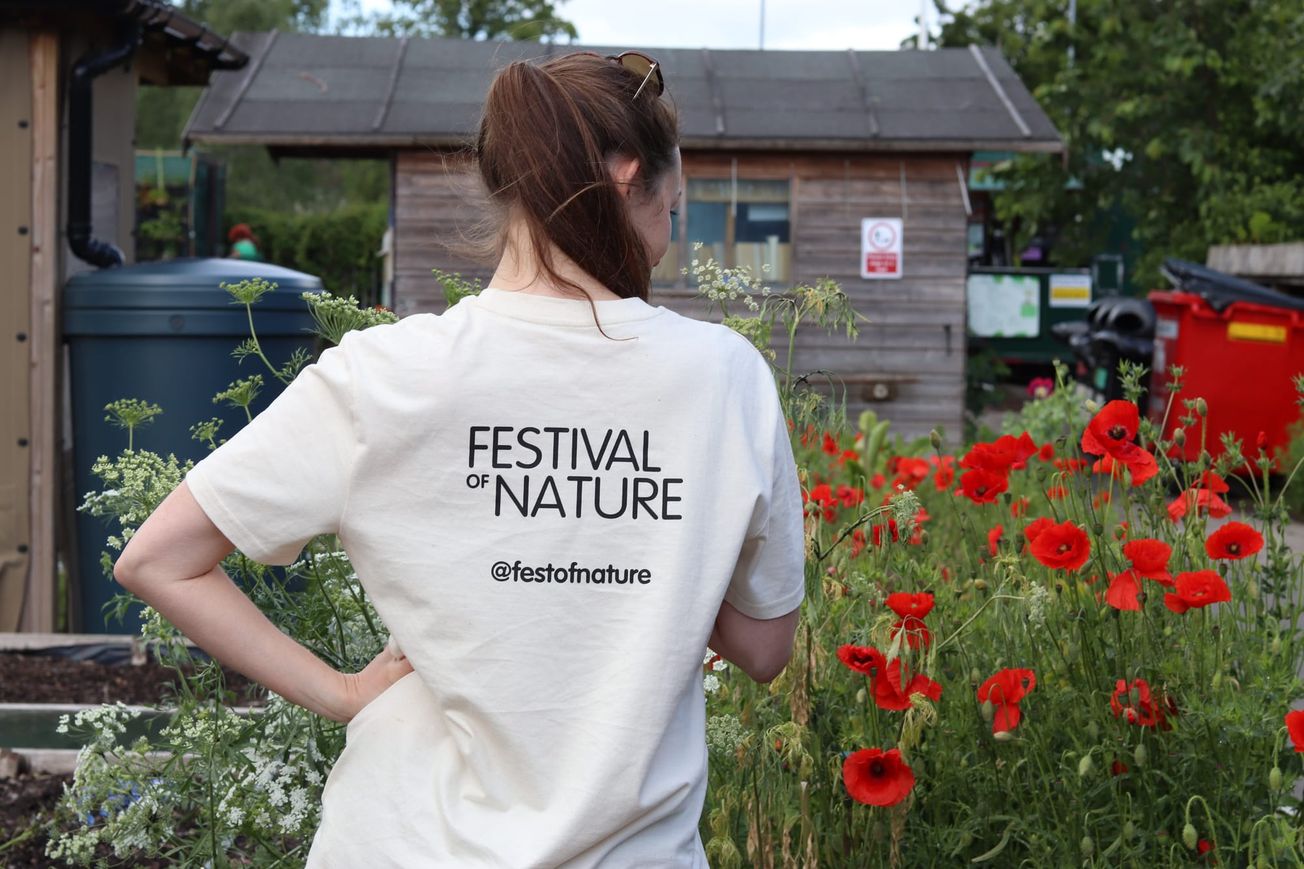
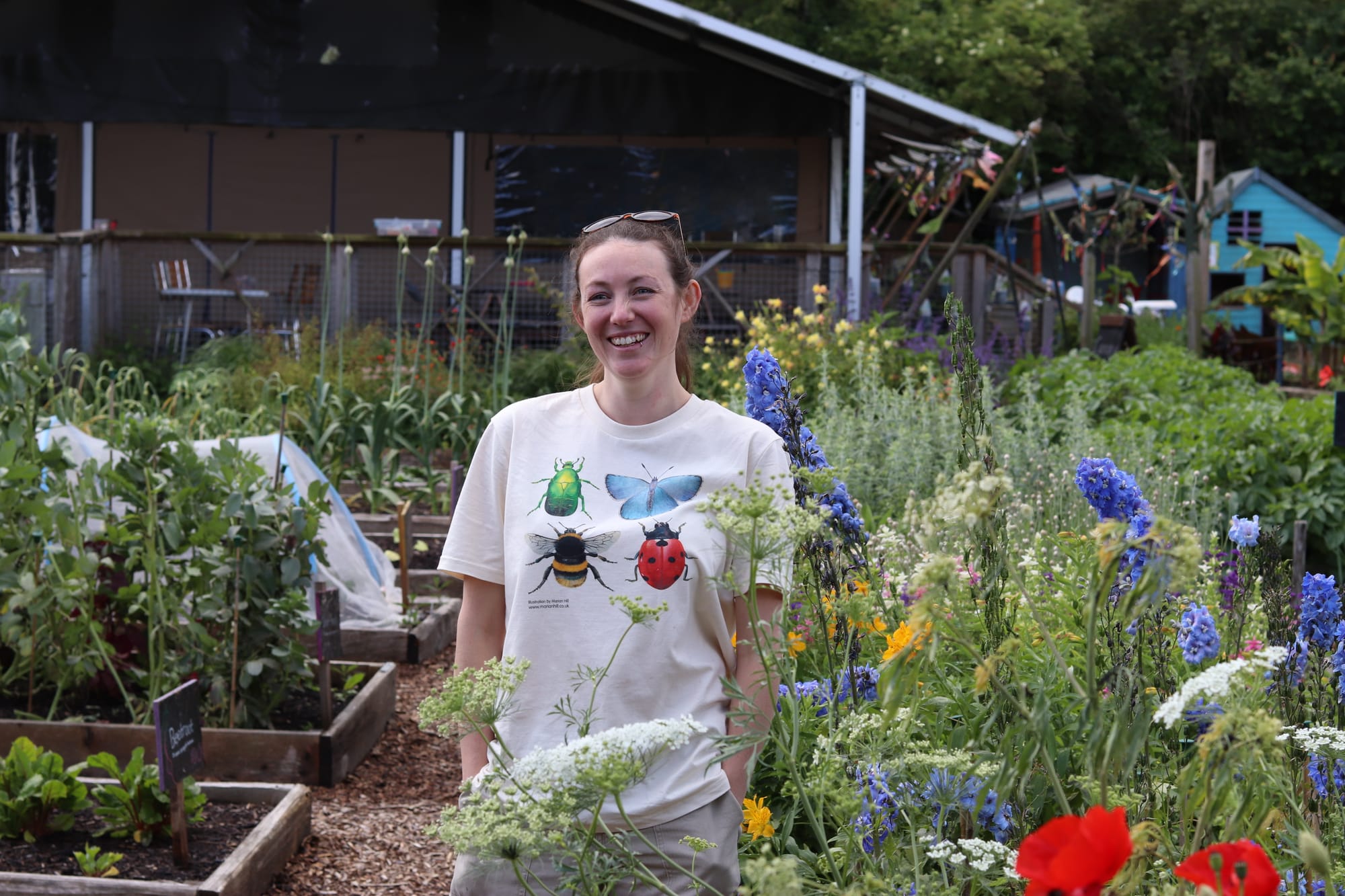
Beyond this, Loz, who was searching hopefully for her favourite hairy-footed solitary bee among the flowers, spoke on how there are many University of Bristol students volunteering both to support the environment and enter careers in science communication. She also mentioned avenues to getting involved that may not be as obvious, such as local artist Marian Hill who designed her festival of nature T-Shirt.
Ivy, one of the students visiting on the school trip, described writing what she had wanted to achieve in year five, which included being outside in nature more. She visits the space quite often with her family, saying ‘I like how it’s a really good community’, and ‘it’s quite a nice break from everything.’
With buzzing bumblebees and bobbing flowers crowding the benches, greenhouses and the community centre, Redcatch is clearly a beacon for mobilizing people to get involved in climate action. In Kate’s eyes, the low barrier to entry is the first step. ‘That’s how we get people to begin to care.’
Featured Image: Epigram / Beth Robinson
How can you get involved in climate action in your community?