
By Izzy Geddes, Epigreen Columnist
In the wake of the highest temperatures recorded in Britain and unprecedented wildfires throughout Europe, Andy Burnham enters a new premiership with increasing need to address climate change. Our new prime minister has so far been fairly elusive when asked about his environmental plans, other than reiterating his party's promises to devolve power to the public in the water and energy sectors.
Labour has established various promising environmental objectives in their manifesto for Burnham to take steps towards. Alongside increasing public ownership, they emphasise greater accountability from companies failing to comply with environmental regulations, with punishments ranging from financial compensation to criminal charges. They also highlight the need for a circular economy, involving greater retention of material through recycling and reusing schemes to diminish overall material throughput. The party outlines a large scope within which to make environmental progress. Will Burnham make confident strides to implement these ideas or will they fall to the wayside as in past premierships?

The current concern is Burnham may soon announce new plans for drilling in the North Sea, which is a renege from previous Labour promises to 'not grant licenses to explore new fields' in the area. The North Sea has been a point of contention within British politics for years now, as the scene of serious environmental and financial debates. It cannot be denied that the area would be financially lucrative in terms of fossil fuels, and Reform have been open about their plans to exploit these natural reserves were they to take power. However, it also cannot be understated the detrimental impact this would have for climate change, with the Green party condemning any potential plans for drilling in the area.
There is also the introduction of No10 North - the new seat of power in Manchester. An innovative first step for a new prime minister, it is a clear demonstration of Burnham's principles. The decentralisation of power is central to his campaign, with the objective of dismantling the top-down system which has often been a barrier to progress in the UK. Yet, there are elements to this new arrangement that could invite environmental critique. On his first day at No10 North Burnham utilised the government's private jet. While emissions from a singular flight are relatively insignificant, how many flights will Burnham take over his tenure, and what will the cumulative effect of them be?
In addition, Burnham has highlighted the cost-of-living crisis as a top priority and rightfully so. However, the money being directed towards addressing the crisis has been drawn away from climate finance, specifically climate aid to other countries. In particular, countries of the Global South who are most vulnerable to the effects of climate change. While the cost of living crisis is incredibly significant and demands attention, was this the right pool of resources to pull from? None of these acts are damning environmental evidence against the new prime minister, but they beg the question of how seriously does Andy Burnham view climate change and where will it be placed within the British political agenda?
Conversely, this is not written to underestimate or condemn our new prime minister before he has truly had a chance to make a difference. In fact, during his tenure as mayor of Greater Manchester, Burnham acquired several noteworthy green qualifications that make a promising case for the next few years. He made extraordinary strides for the transport system, electrifying the city's bus network to reduce emissions and building a walkable, cyclable city. He also expanded the proportion of green energy used for public services to reduce energy dependence on fossil fuels.

Within his new cabinet, Dame Angela Eagle DBE has been appointed Secretary of State for the Environment, Food and Rural Affairs, so she will now play a significant role in Britain's green future. She worked in this department previously under Tony Blair, with additional experience in transport, social security and home affairs. Already, the department has released their findings of an investigation into waste crime, resulting in 30 criminal investigations into illegal waste sites. The new Secretary stated ‘waste crime blights our communities, pollutes our environment and cheats the businesses that do the right thing.’ This is a promising first accomplishment under new Labour leadership. Combined with impressive climate credentials, this favourable appointment of environmental secretary could suggest Burnham will make significant progress for Britain's climate.
 Sam Couriel
So the question is where on the list of priorities does climate change truly lie for our new prime minister? With unprecedented global wildfires and droughts throughout southwest England, Andy Burnham will have to decide sooner rather than later.
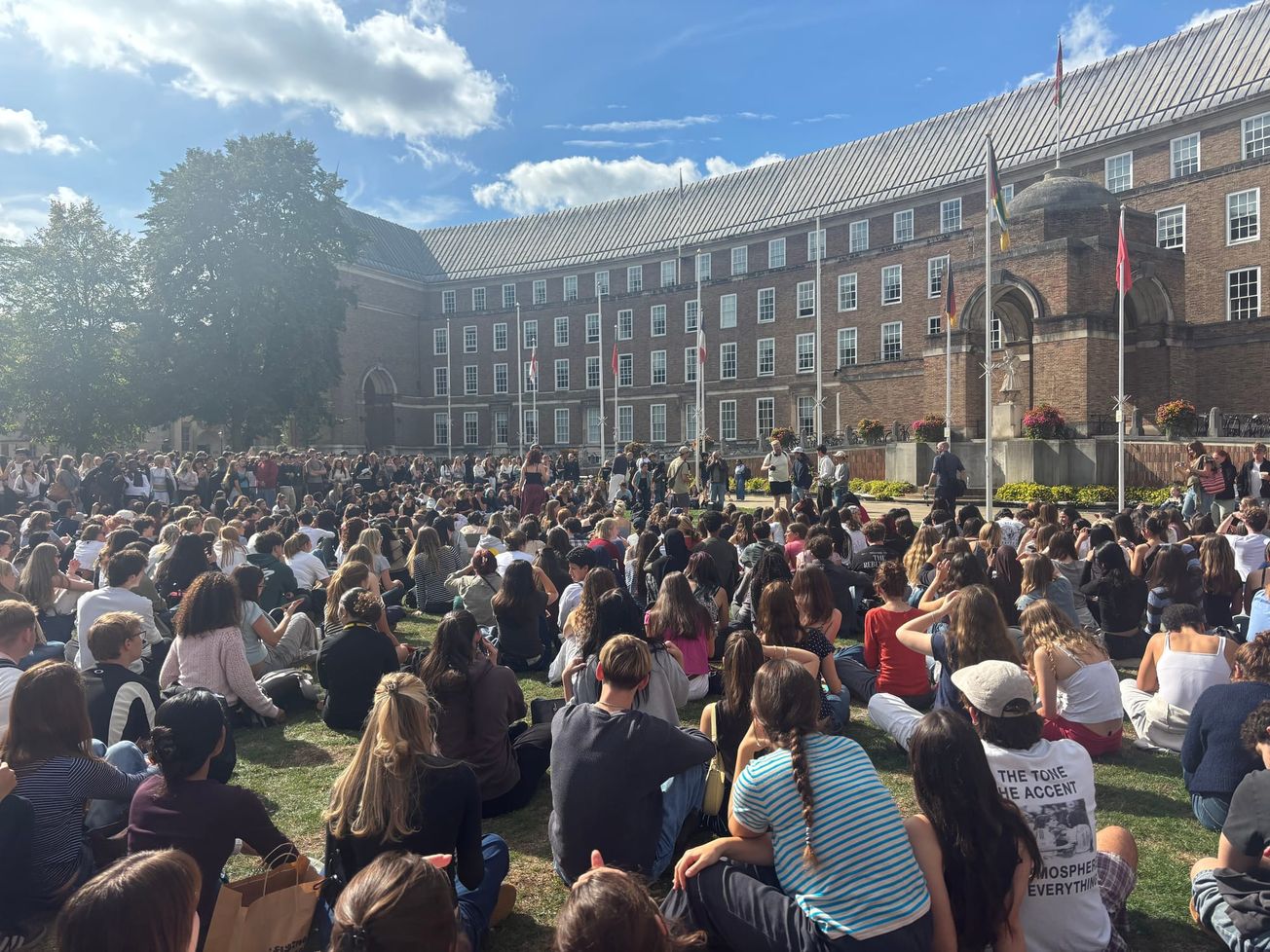
Featured image: Epigram / Izzy Geddes
Ultimately, will Burnham live up to growing environmental expectations?