By Grace Golby, Third year, German, Russian and Spanish
It is Saturday morning and your corner of the shared-student-house fridge is empty. Like many other Bristol students, you find your week has disappeared between lectures, part-time employment, society events and bed rot - meaning once again you must make the perilous voyage down the street to the supermarket. Yet, it is not until you arrive that you will realise something is missing.
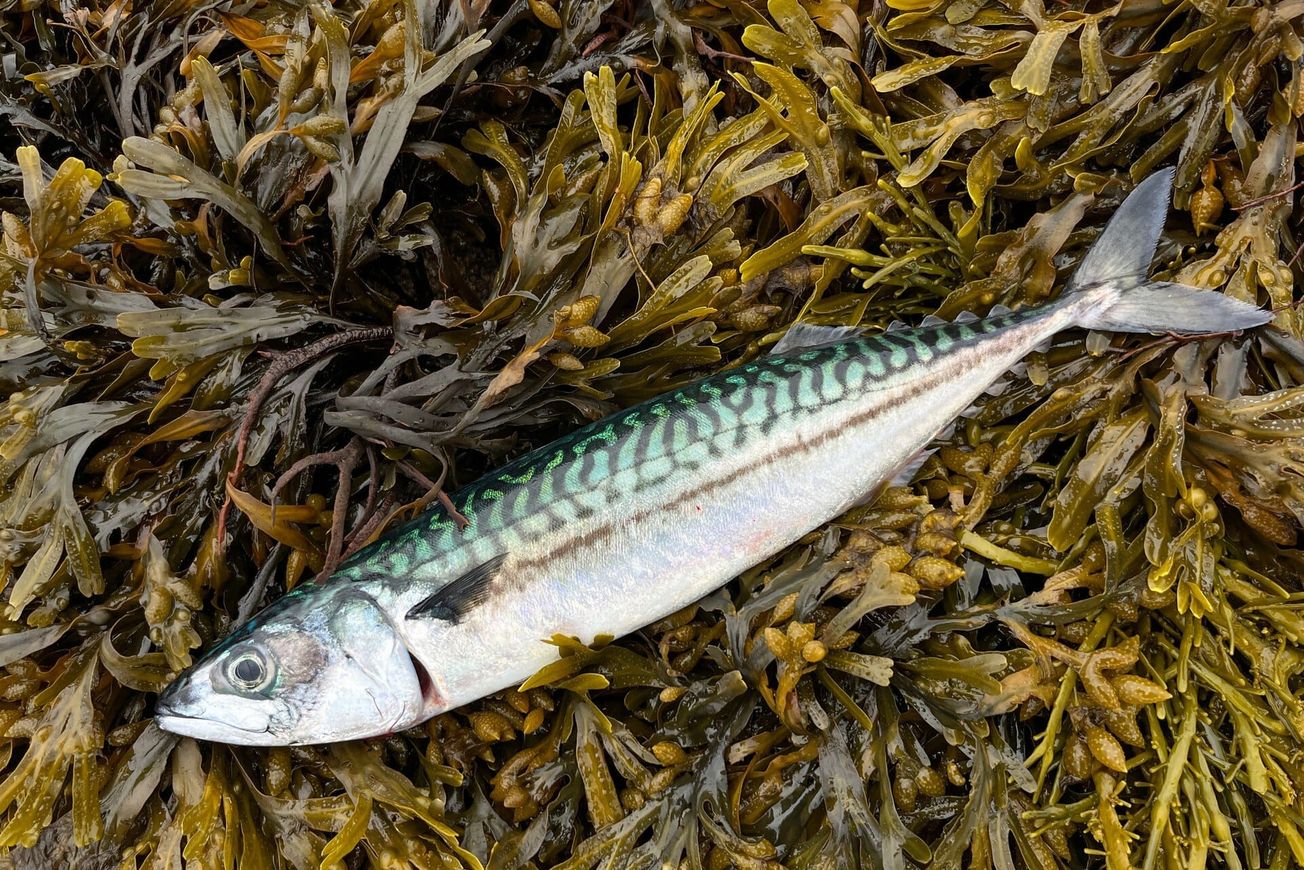
Holy mackerel! Mackerel, an affordable, nutritious staple, is off the menu (for now, if you shop at Waitrose).
In support of encouraging sustainable mackerel farming, Waitrose announced a suspension date of the 29th of April 2026 regarding its sourcing of the fish, becoming the first large UK supermarket chain to do so. This comes after long-standing concerns that the species has been continuously overfished, particularly in the North Atlantic Ocean. Yet, in the wake of the cost-of-living crisis, the removal of this budget-friendly, protein-rich food source from supermarket shelves does some concern. Not only do households hav one less affordable option during the weekly shop, but prices of alternative fish options would be likely towith their consequent increased demand. It of how sustainability should be balanced with affordability and access to nutritious foods.
So, when did this all begin?
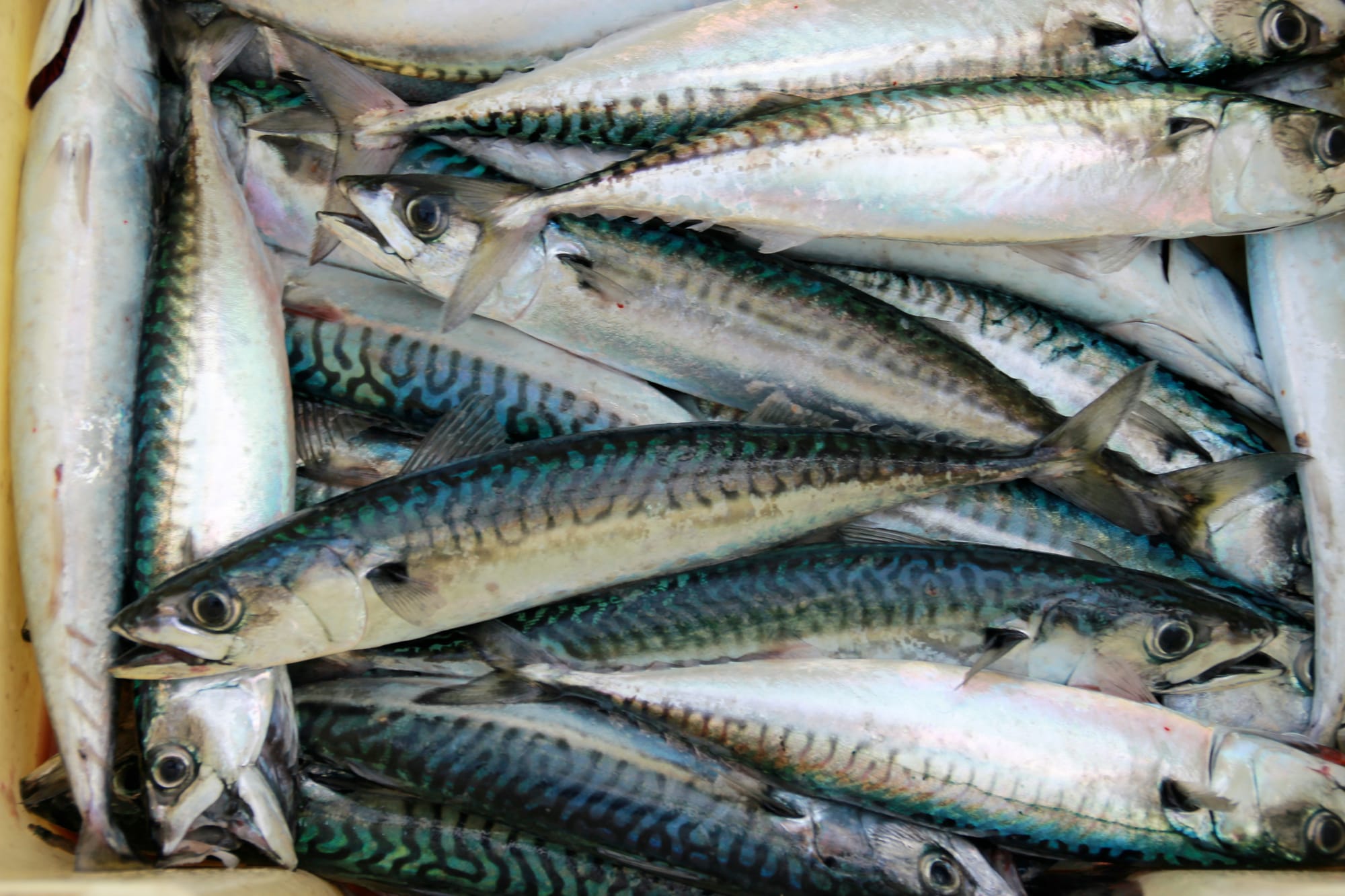
Tensions surrounding overfishing, sustainability and access first became prominent during the ‘cod wars’ of the 1960s and 70s. This was a war of diplomacy, with Iceland, an island nation dependent on its waters, becoming concerned the prevalence of British ships freely fishing there. After conflict and Iceland NATO, Iceland eventually prevailed, resulting in of a prohibition zone.
Yet, the ‘cod wars’ certainly did not mark an end to debate over entitlements and fishing quotas internationally, explaining Waitrose. Over subsequent years, conflict was driven not just by territorial disagreements but also climate change. Namely, as warming oceans pushed mackerel up north, tensions only flared further. A BBC news article dating all the way back to 2010 comment ‘Europe is stubbornly protecting quotas by refusing meaningful negotiation and, since the fish has gravitated north in recent years, Iceland says it is merely fishing within its own zones.’
What is clear is that the extent of overconsumption has been severe. Findings from the International Council for the Exploration of the Sea reveal that, ‘the sum of the unilateral quotas for mackerel has resulted in catches that have exceeded the scientific advice by, on average, 39 per cent since 2010.’ This means fisheries have taken almost an extra 40 per cent of the recommended sustainable limit from our oceans. If allowed to continue, we are likely to see not only a loss of biodiversity, disrupting the ocean’s food chains, but potentially also business closures and lost jobs as mackerel numbers dwindle. A 2017 article from Donegal Daily shared importance of the link between employment and fisheries when a hard Brexit stood to prevent Ireland from meeting mackerel quotas in UK waters, commenting ‘any further changes that might divert fish from the area would have a disastrous impact on employment and the ability of people to make a living in the area.’
Have Waitrose made the correct decision?
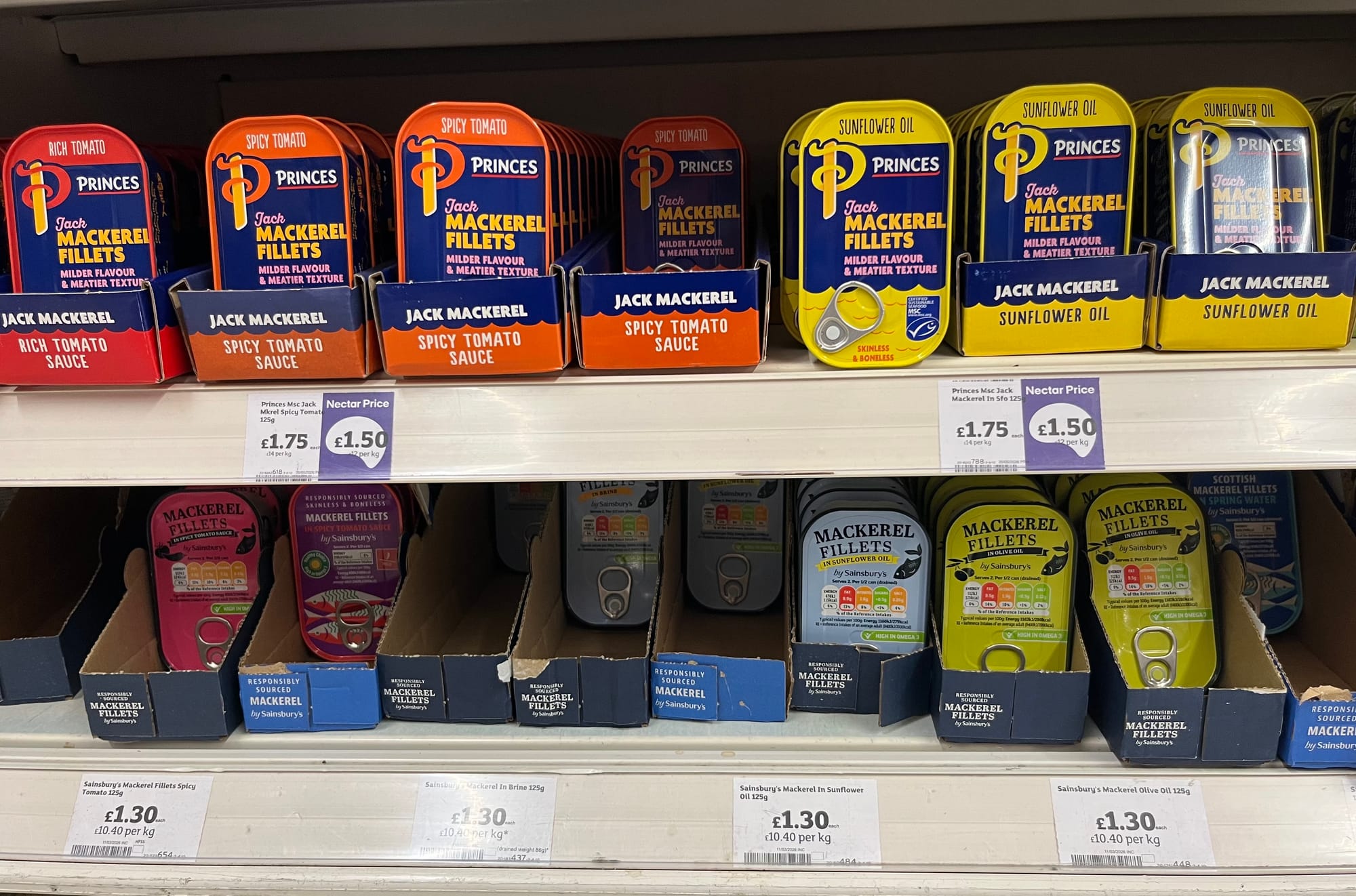
The answer is not straightforward. It is clear that our supply of mackerel has been exploited for some time, significantly exceeding scientific advice and causing diplomatic conflict between countries. While the species does reproduce quickly to replenish those taken, Waitrose’s actions help to ensure our mackerel supply is protected from collapse. This prevents the situation escalating to critically in our oceans. Waitrose’s actions could also potentially encourage other large supermarkets to take the same steps.
The absence of mackerel on shelves could encourage households to explore plant-based proteins and force wider responsibility for our excessive consumption of fish. Although this may lead to concern from those who wish not to change their diet, research from the Institute of Grocery Distribution concluded that ‘two-thirds (66 per cent) of consumers are already changing their diets or are considering making changes to be healthier and more sustainable.’
In addition to this, many may be left struggling to afford to replace mackerel from their diets, adding strain to an already budget. The action of removing mackerel from shelves hits less financially stable households hardest, raising questions of who has access to nutritious foods.

I do believe that at present Waitrose has taken the correct steps and should continue to keep mackerel off its shelves until we see the enforcement of science-based quotas and clear . If we allow our mackerel to be further over-consumed, prices will be driven up by an increasingly limited supply regardless of current affordability concerns. Governments should take responsibility for enforcing fishing quotas through strong agreements, and while it is clear that some international cooperation has been taking place, it is not enough.
 Beth Harris
 Olivia critoph
An article published on the UK governmental website in December of 2025 announced ‘UK secures £840m in valuable fishing opportunities for 2026’ by sharing stocks, with all parties ‘required to take action to recover stocks and safeguard them for future generations.’ However, news of supermarkets removing mackerel from the shelves serves to contradict this acknowledgment of sustainability concerns.
What is true is that if mackerel supplies continue to fall, limiting consumption will become an increasingly inevitable consequence.
Featured Image: Mikael Nyman / iNaturalist, Licensed under CC by 4.0 License