By Alice Goodwin, Second Year, History
The art of visible mending, whilst centuries-old, has found a new home in the independent workshops of Bristol and it is surprisingly easy to get involved! How have the politics of fashion resulted in this craft, and how is Bristol nurturing it?
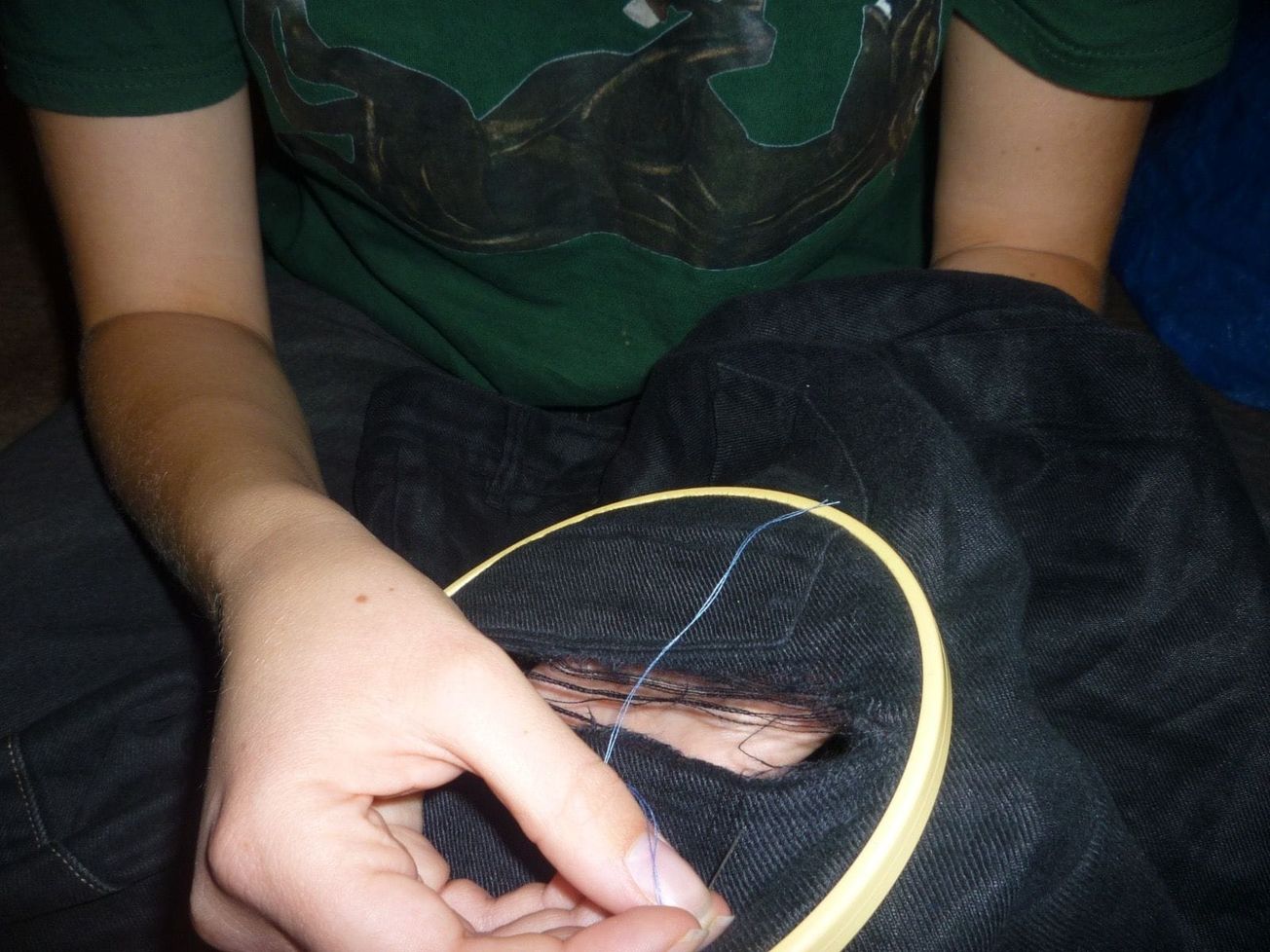
The art of visible mending is a practice in which the aim is not simply to mend clothing to return it to a perfect factory standard, but to adorn the fix with artistic embellishment. The mend is emphasised as art and the item of clothing is given new originality and character along with an extended life. The result is a fully unique piece of clothing, as well as a chance to show off artistic sewing skills. Additionally, the item takes on a new history as a symbol of a well-used and well-cared for part of your wardrobe. It is exactly the lack of perfection that acts as a rebellion to overconsumption and quality of ‘sameness’ that has resulted from a culture of mass-production.
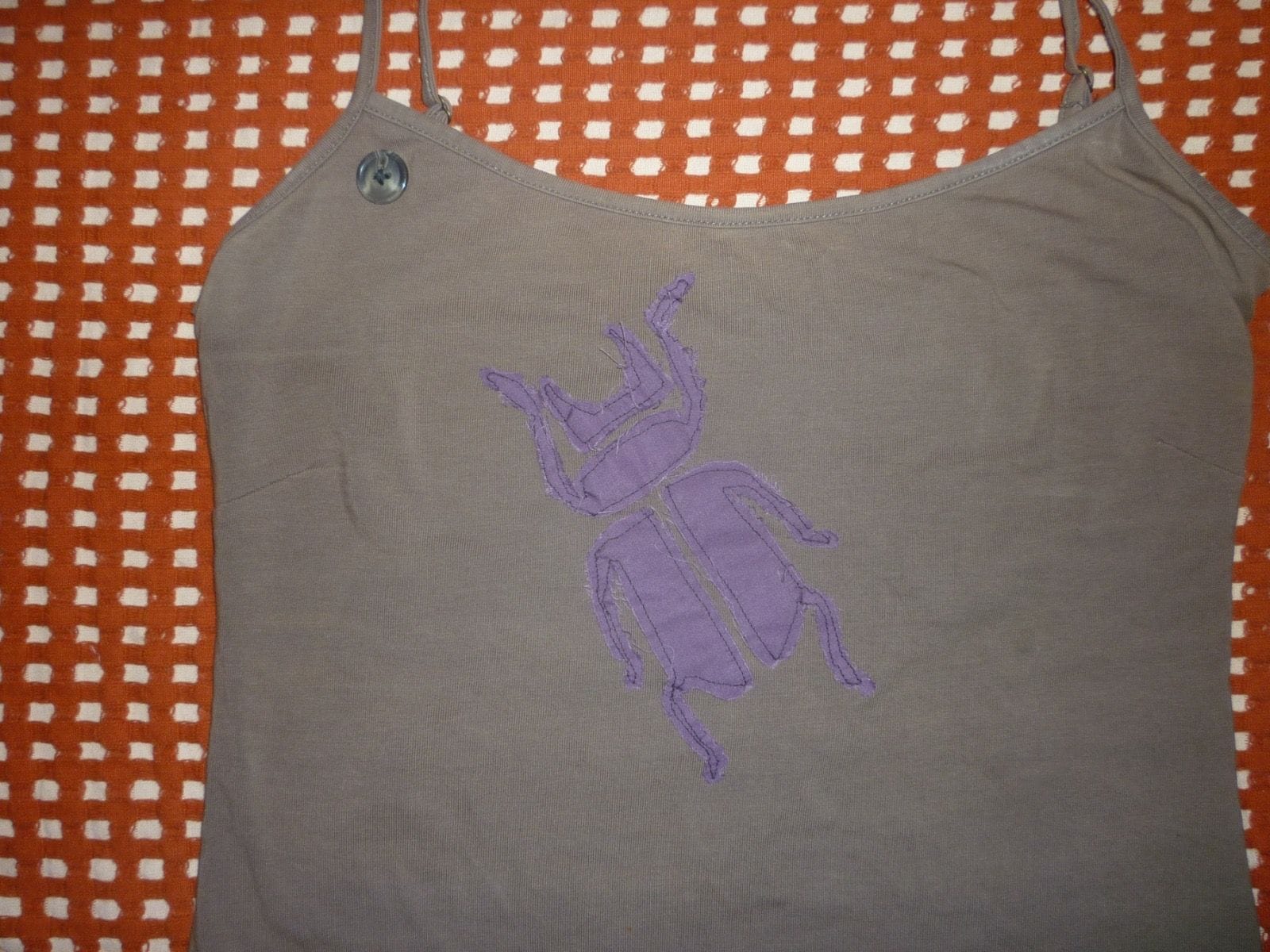
The history of this practice long outlives its current name, with roots in the Japanese practices of Sashiko and Boro. Sashiko, or ‘little stabs’ was an embroidery technique consisting of a running-stitch, with the aim to reinforce fabrics with an intricate design or motif. A contrast of thread colour to fabric colour enabled stitches to be highlighted instead of hidden. Similarly, the Boro technique mended clothing with contrasting patches and running stitches. Modern examples of the art of visible mending regularly combine aspects of both techniques, using colourful thread to stitch fun patterns and motifs, or use patches that are noticeably different. Mending visibly makes your clothes more fun, durable and offers a creative outlet with no rules.
The contexts for the emergence of the Japanese and modern forms of visible mending seemingly could not differ more. Motivations for the Japanese techniques evolved due to the scarcity of fabric and its staggering costs, creating a necessity for keeping clothes functionable for longer. This is in stark contrast to today in which we are swimming in more cheap and available clothing than we know what to do with. However, there is a lot that links these two movements; in both cases the politics of fashion emerges and is taken into the hands of the consumer, in which they choose to use creativity to rebel against an exploitative system. Additionally, it appears that, within the economic hardship the creators of Sashiko and Boro faced and the environmental hardships of the modern day, creativity blossoms.
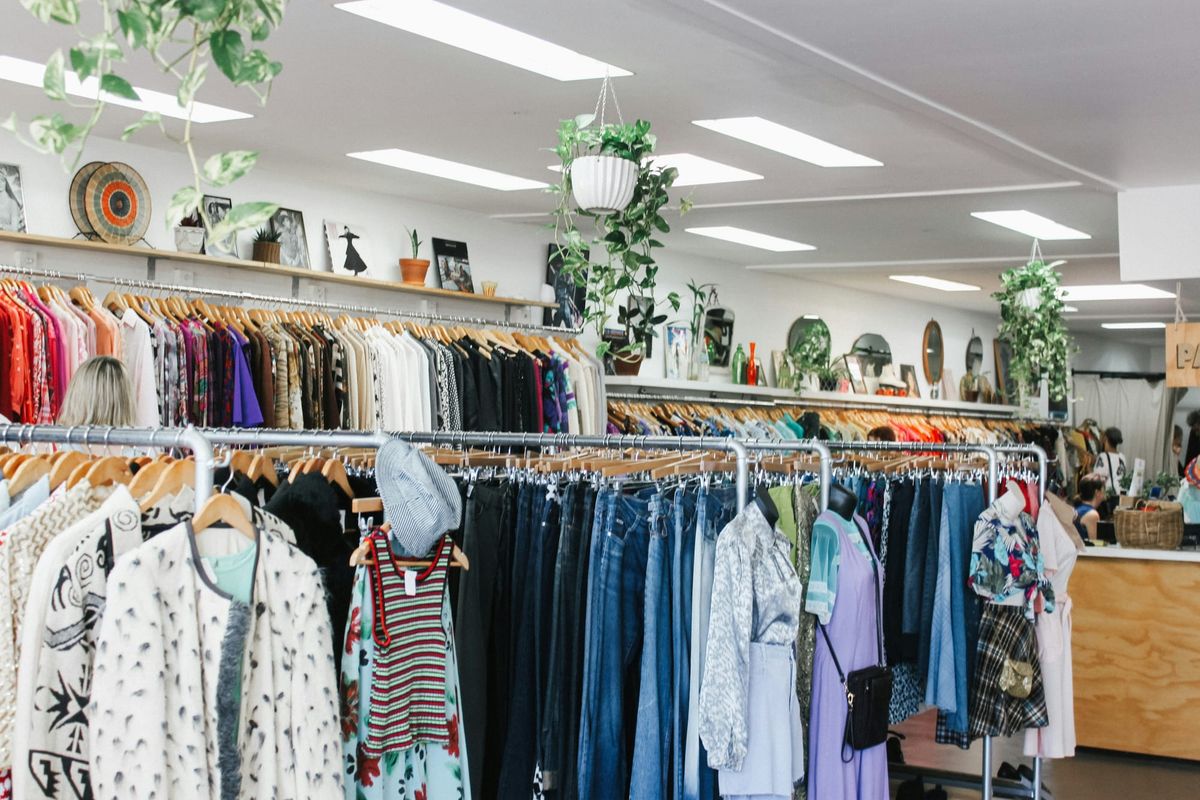
Bristol seems the perfect place to support and nurture these concepts with a clear history of support for sustainability; reflected in the recent ban on adverts for fast fashion. University of Bristol students further these trends from their participation in the occupation of Cabot Circus in 2019 to the promotion of vintage second-hand clothing on campus. With a clear shared value for sustainability, it is no surprise that initiatives like visible mending speak to the creativity and activism of Bristol students.

To get involved in learning how to mend clothes boldly and creatively, Bristol has two places to learn, socialise and get stuck in.
Weaving Change, based in Redfield Bristol, is a female founded space to learn to sew, mend, alter, create or socialise with like-minded people. They commit to a 100% guarantee that all materials used are ‘offcuts, deadstock or rescued textile waste’. Green trends often run the risk of becoming green washing (the packaging of consumerism in environmental clothing), yet this isn’t the case here with every size of fabric being used until it becomes ‘stuffing’ in their ‘no thread too small’ policy. Their aims also surpass simply extending the lives of a few of your old clothes; instead they help to prompt a whole new outlook on your clothing. This is helping to tackle the larger issues involved in how we see our clothes as disposable. Therefore, I would highly recommend getting involved in a Slow Fashion Social, Workshop or Garment Making Course.
 Gina Nevin
Another Bristol space to learn the craft of visible mending is Rethrindle CIC in Broadmead, in which Meret and Lisa offer sewing and repair workshops. In the Visible Mending Sashiko Workshop they offer, they culturally appreciate the Japanese roots of the practice, and this speaks to an understanding of the cultural context and inclusion of their business. They also offer knitting and sewing classes in which darning and mending techniques are taught, as well as how to look after your knits; thus, putting at the front of their message a focus on sustainability and longevity of clothing. If you are interested, they offer affordable and limited concession tickets.
The act of rebellion through the art of visible mending may seem small, but it sparks conversation on the larger politics of fashion. Independent Bristol workshops are cultural hubs for likeminded eco-aware and creative people and are promoting a message crucial to our day; respect your clothes.
Featured image: Epigram / Charlotte Gautrey
Would you have a go at a visible mending workshop?