By Erin Disney, Second Year, Politics and French
Content warning: mentions of sexual abuse and human trafficking.
Like every other Bristol student, I went to Amsterdam. I don’t need to tell you about the city’s hedonistic nature; it’s basically a given that someone will make a drug or sex joke whenever it's mentioned. Amsterdam doesn’t shy away from what it is, nor does it pretend it isn’t happening. Sex work was decriminalised in the Netherlands since 2000 and the Dutch government put laws in place towards tourists to stop worker abuse. But a stroll through the red light district still left me feeling on edge. I felt like I was partaking in the objectification of women as tourists lined the streets pointing at sexworkers but rarely going inside for services.
The sex work industry creates a polarised argument; some say it’s a way for women to reclaim misogyny while others say it’s a career built on abuse. I could have worked my way down rabbit holes of varying opinions to find some vague conclusion but conveniently, I was in Amsterdam for one more day. Even more conveniently, we had booked a tour of a brothel.
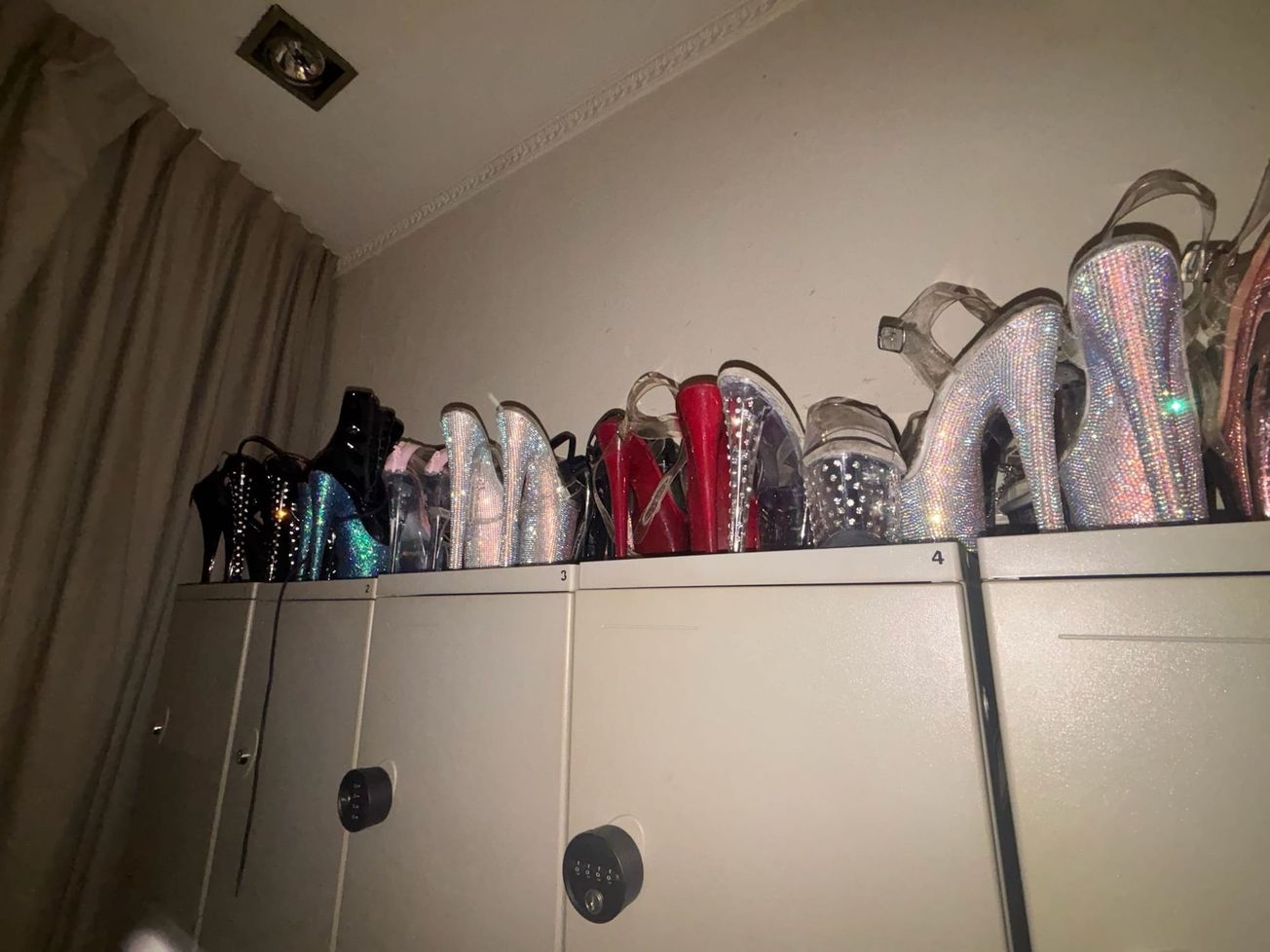
Our tour included a ‘Q&A’ section with a former sex worker called Honey. She’d been a stripper for seven years but now owns her own business and still gives tours of her former workplace. Honey had a degree in dance and performance and had always been interested in a more unconventional lifestyle, so when she moved to Amsterdam and was offered the job as a stripper, she saw no reason to decline. Honey told us how she had enjoyed her time in sex work and that it was nice to talk about it with others; it was why she was doing these tours. So, when I asked if I could write about our conversation she agreed.
Women who do report to the police are humiliated and belittled for trying to seek help, ‘they think because it’s your job that it's okay or that you wanted it’.
We talked about mental health in the industry, the constant sexualisation, the rude customers, and beauty standards were all things that had weighed down on Honey and other workers: ‘you need so much self-confidence, you’ll get abuse from clients and it can get to you’. Additionally, the white and thin stereotype still takes precedent in the industry and for Honey, as a black woman, the micro aggressions and sometimes outright racial abuse from clients was exhausting. ‘It’s not a balance’ she said, ‘it’s a paradox’. In the end, Honey stopped stripping because although she had enjoyed it, the career was incredibly exhausting. The emphasis through our conversation though was that this could all be improved by better treatment of sex workers.
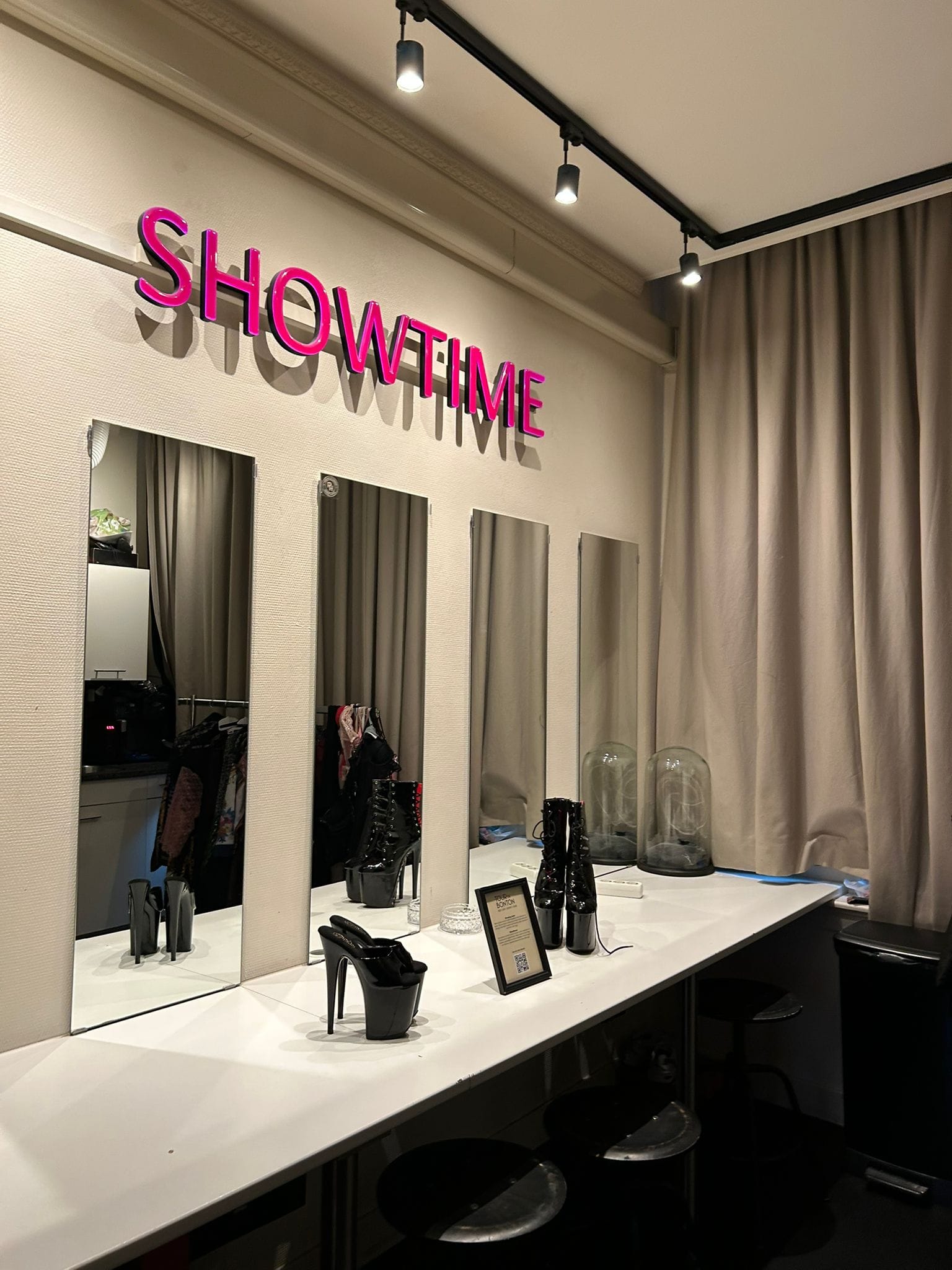
In Honey’s former brothel, workers could pick and decline clients as they wished and each room had a panic button. However, while this alerted bartenders who would get a security guard, they were often untrained and the delay could mean workers didn’t always receive help. ‘It’s very self-regulated’ Honey said, ‘you have to be able to look after yourself.’ It seemed that while the brothel encouraged a worker first approach, it did little to protect them. This brothel was one of the pricier ones and when I asked if she knew what security cheaper places had, she shrugged: ‘there’s very little, if workers were sexually assaulted, there’s basically no point in going to the police.’ Despite the decriminalisation of sex work, it still isn’t seen as a legitimate career. Women who do report to the police are humiliated and belittled for trying to seek help, ‘they think because it’s your job that it's okay or that you wanted it’.
With limited legal protection, Amsterdam’s sex-workers are much more vulnerable for STDs, abuse, and rape. It’s estimated that a large number of workers are victims of sex-trafficking with hundreds of illegal brothels being shut down every year. Women and girls make up a total of 61 per cent of all trafficking victims internationally (from UN research on known victims in 2022) and many are trafficked into sexual slavery in Europe. Knowing this makes it hard to view the industry positively, let alone encourage its decriminalisation. The horrors of forced sex-work combined with the complete lack of security for consensual workers seems too significant to even fathom how the career can be legally recognised.
Yet as pro sex-workers arguments suggest, sex work isn’t going away. The industry has always existed and this idea that further criminalising it would make it disappear is not just incorrect, it’s ignorant. With over 72,000 sex-workers in England alone, any more bans on the industry would only marginalise an increasingly vulnerable group especially as while many choose the career others resort to sex work out of financial necessity.
Fortunately, charities across the UK offer support, counselling and financial aid towards former and current sexworkers. In Bristol, the charity One25 helped support 242 workers last year while nationally groups like the Sex Workers Union have provided legal support for workers and campaigned in parliament for better protection of sex workers.
Some society members claimed that sex work created a loophole for women to profit within a patriarchal system, while others thought it reinforced misogyny.
It was after my conversation with Honey that I looked further into understanding the industry. The University of Bristol Pole and Aerial Arts Society had an Instagram post explaining to their followers about the historical links between aerial performing and sex work as well as their aim to educate and share news surrounding sex work to their members regularly.
Contacting them meant that I could hear opinions on sex work from students already aware of the industry and it’s nuances. So in typical student fashion, I sent a questionnaire. Responses varied with split on whether sex work was good for women's empowerment. Some society members claimed that sex work created a loophole for women to profit within a patriarchal system, while others thought it reinforced misogyny. A few workers responded as well, explaining how beneficial it was for their lives: allowing them to study and afford the ever expensive Bristol. However, regardless of opinions, the consensus across responses was that the current system was neglecting workers and improvements had to be made to help safeguard them.
 Milan Perera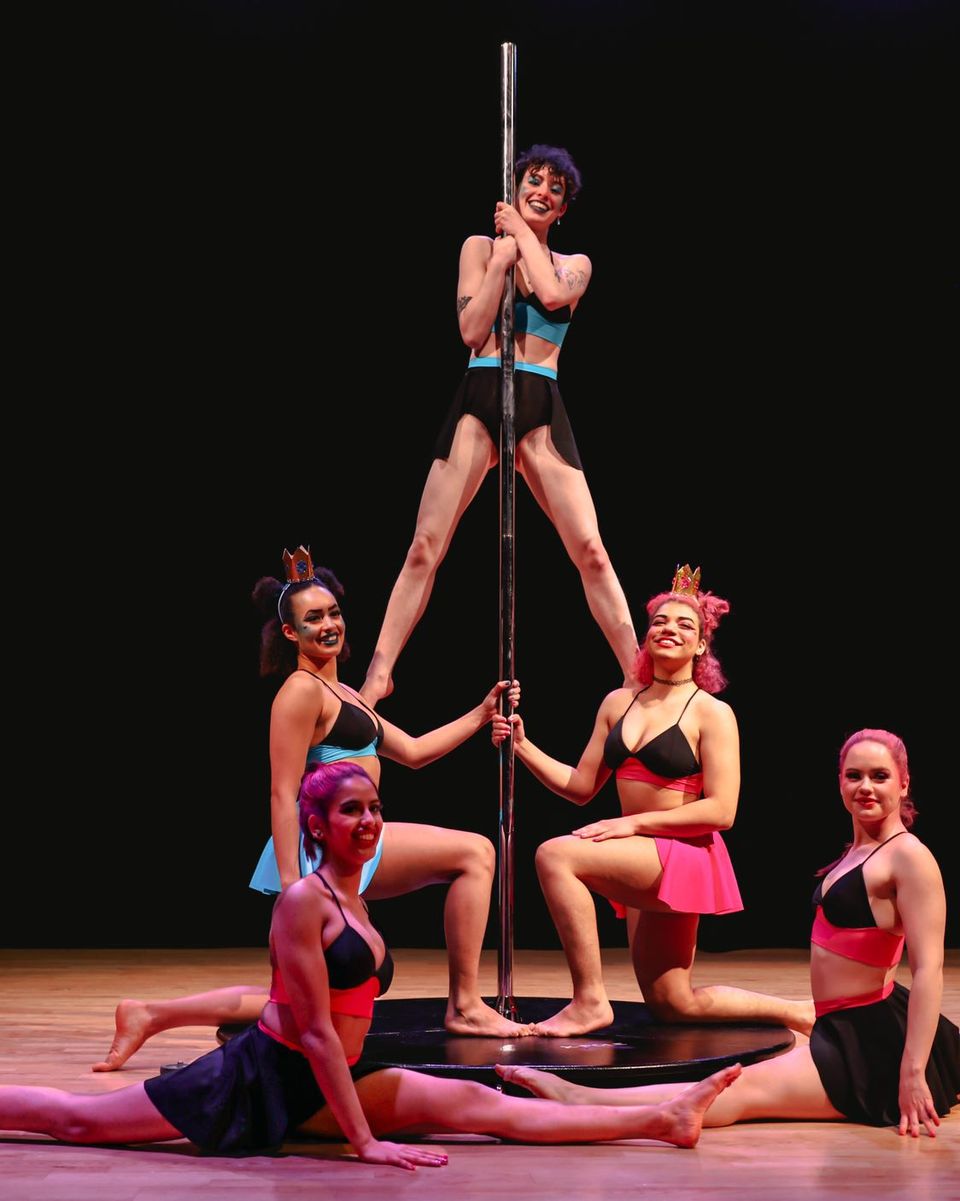
It doesn’t matter how we view the sex work industry, but it does matter how we treat its workers. Whether you’re the biggest defender or the largest critic is completely irrelevant. The career isn’t for everyone and the lifestyle can be taxing, but for the women who enjoy the industry, it’s been incredibly beneficial allowing for greater financial freedom and self-expression. While many women and girls do suffer from forced sex work, holding animosity towards the industry isn’t going to help anyone. Instead, being open minded and respectful to the women who choose this career means we can break the stigma and get better legal and parliamentary recognition for sex work. This in turn will allow for more resources to be put towards stopping sex trafficking ensuring that sex work becomes a consensual and safe career for the women who choose it.
Thank you to the Pole and Aerial arts society for their contributions!
Featured Image: Epigram / Erin Disney
How have your opinions about the sex work industry changed?