By Lara Kurtulus, Second Year, History of Art and Italian
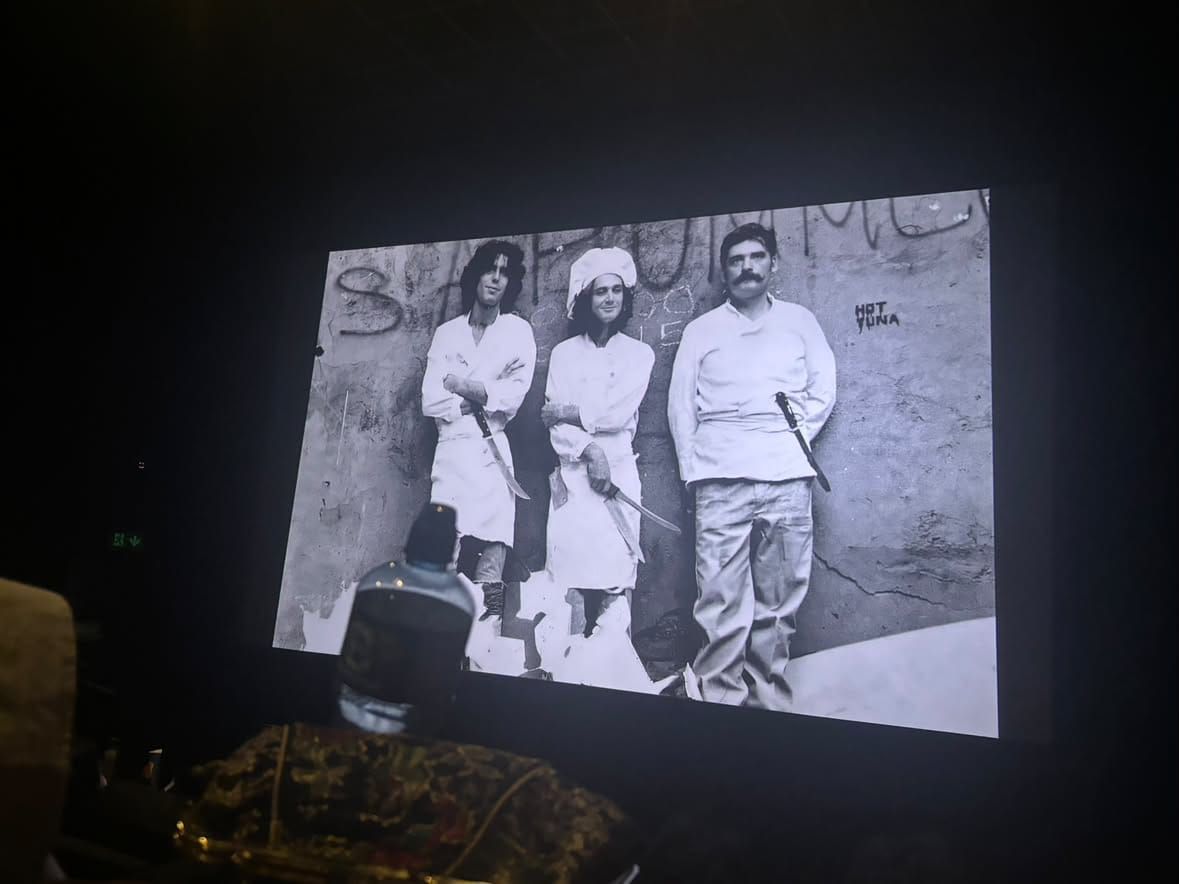
Following ‘Tony’, the Anthony Bourdain biopic, there seems to be an increase in people who think that they are Anthony Bourdain. Unfortunately not everyone who travels widely, eats unfamiliar food and immerses themselves in other cultures develops the kind of perspective Anthony Bourdain had. I think that's because his gift was never travel itself. Even though our social media captions - including many of my own - would suggest otherwise.
‘The journey is part of the experience - an expression of the seriousness of one's intent. One doesn't take a train to Mecca’ (Anthony Bourdain, A Cook's Tour: Global Adventures in Extreme Cuisines)
Unfortunately very few us have what he had. We quote him, imitate him, make content off him, romanticise the movement and call it curiosity or openness. But I don’t think what he possessed was nearly as common and widespread as we like to believe.
God bless Bristol. During my first year, I met an endless stream of people who had the chance to travel extensively. At times it felt as though a Vietnamese passport stamp was part of the university’s entry requirements. Gap years were given, almost mandatory. Southeast Asia, Australia, South America were expected. The destinations changed, mainly between this holy trinity, but the stories often sounded strangely similar.
Combined, South America, Australia and Southeast Asia cover roughly 30 million square kilometres containing dozens of countries and thousands of cities. Endless stories and subjects. Somehow, somewhere along the way, all that complexity was reduced to anecdotes about how lucky we are to live in the Western world, or the elephant tattoo someone got to honour Cambodia. Unfortunately despite their efforts to travel and see the world, conversations with many of these people left me feeling dissatisfied, empty and confused. Not because they lacked experiences, they had experienced it all. But, because they seemed extremely untouched by them. Travel often felt like something they had completed, something to tick off.
A bucket list item rather than something they actually immersed themselves in and had absorbed.
Of course there were exceptions. And I was lucky enough to surround myself with people who had achieved becoming travellers not tourists. Some people returned from their travels with experiences, stories and opinions that filled me with childlike excitement. They spoke about where they been and who they met in a way that made me desperate to hear more. Their stories carried traces of transformation, traces of realness. They shed, leaving one version of themselves behind and returned with another. Bringing back real stories of real people with them.
My introduction to Anthony Bourdain came a few weeks into my first attempt at university. Few months before I dropped out. I was suffering from a brutal hangover when my friend Ayse insisted that I sit down and watch an episode with her. I can’t remember which episode it was. But I remember what I felt, vividly.
Suddenly Ayse’s prison-cell-sized room - big up University of Manchester - transformed into something else entirely. A gateway. Places I had never considered or had a curiosity for became fascinating. People I never met or cared about felt important. Food transformed from something delicious into something concrete, an entity capable of telling stories. As I watched, something started to form inside me, though I didn’t have the fluency to reply back yet.
Now thinking, I realise what captivated me was not the travel itself. Many of us travel. Many of us can point a camera at a souk, order what the locals eat and make a reflective, carefully selected and curated Instagram post with a quirky caption beneath it. What made Bourdain different was his attention.
He seemed to have a genuine interest in people.
His intention was not to collect them as anecdotes, or turn the experience into tattoos to pick up girls from the smoking area. He did not see them as colourful background characters in his own adventure, but he was truly interested in understanding them, excited to understand them. What they were about to say mattered to him. He approached the world and the people with opinions, but rarely with conclusions. He was willing to be surprised. He was willing to be wrong.
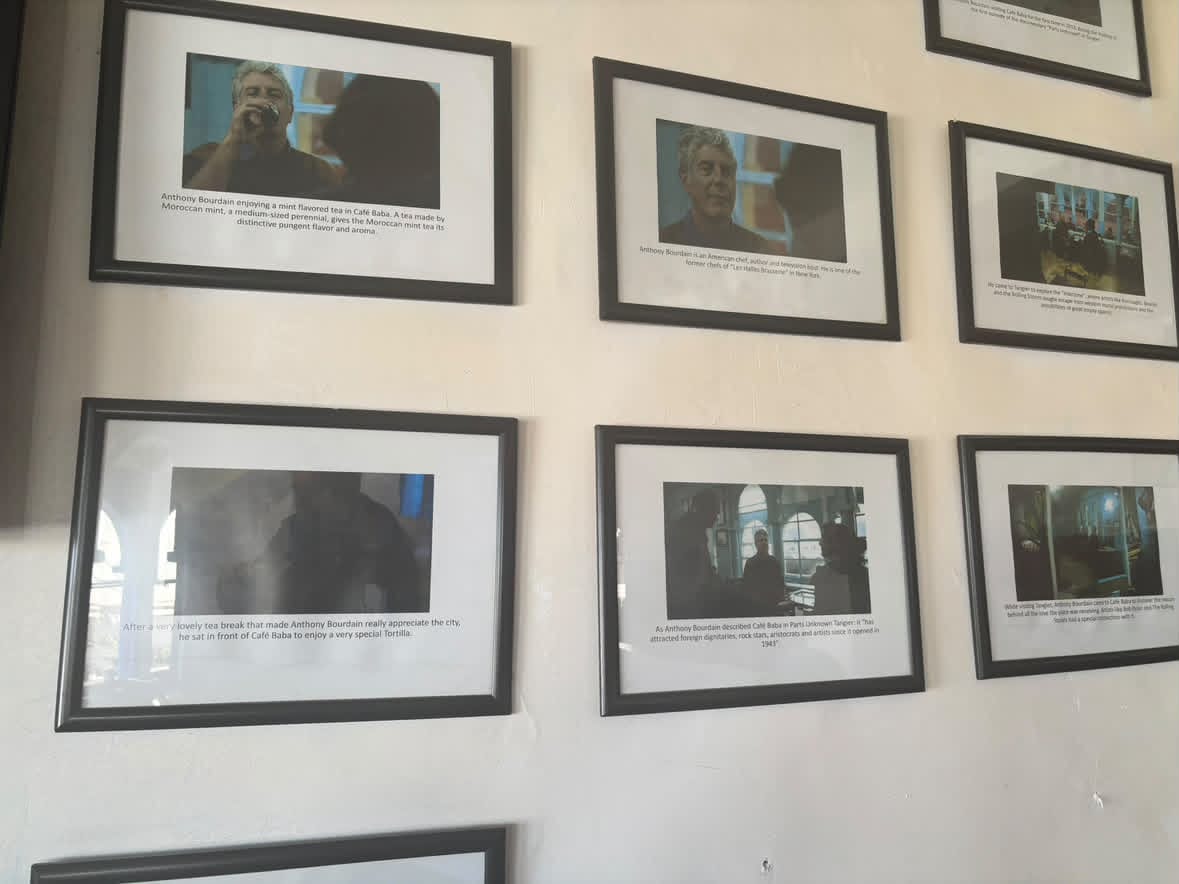
As he preached often he was ‘certain of nothing’. He could sit at a plastic stool on a side street somewhere in middle of nowhere and make the person opposite him and what he is about to say feel more important and significant than the destination itself. A street vendor, fisherman or taxi driver never felt incidental. For a moment, they were the centre of the narrative.
We often sideline the people and their stories focusing too much on the destination, but it is rarely about the land but who makes the land through their shared, history and identity.
I believe that is what so many people who see themselves travellers, myself included even though I am far from a traveller, mistake when we try to mimic him. We assume that wisdom comes from movement. The more you see, the more you learn. That enough flights, enough countries and enough unusual meals eaten on a plastic stool with chopsticks will eventually transform us into better observers and understanders of humanity.
 Alice Benjamin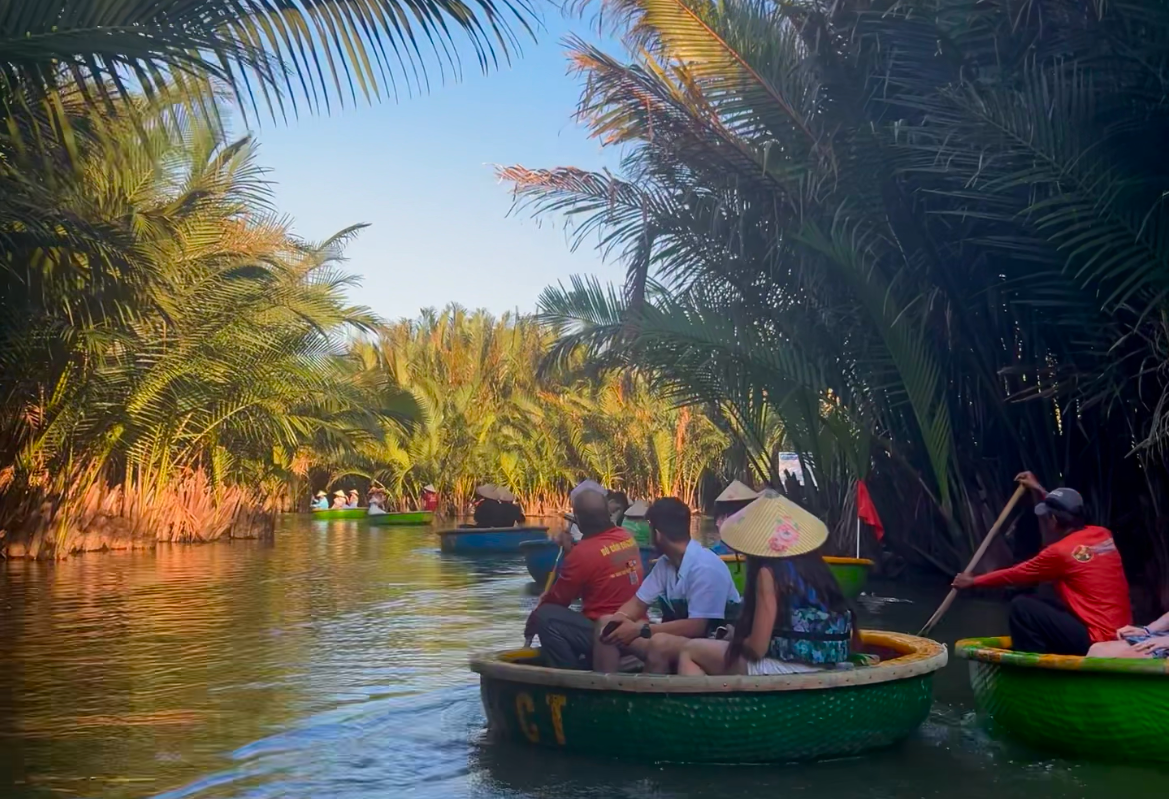
But Bourdain’s gift was not movement.
Or miles.
Bourdain travelled because he was interested.
Too many of us mistake the travel for the interest.
His gift was attention.
The kind that listens before it speaks.
The kind that is driven by curiosity rather than self-image
The kind that treats people as subjects rather than scenery.
And the miles were nothing, nothing more than an outlet for his gift.
In 2018, he left the table forever. But his legacy still fills tables from East to West - stories and strangers. The world is still at it; talking, listening more than they speak, and having a negroni or two.
Feature Image: Epigram / Lara Kurtulus
What did you get out of your last trip abroad?