By Zenobia Motl, Second Year, English
Every October, university students willingly become someone or something they are not. We dress as vampires, witches, cowboys, and characters from whatever television show happens to be popular that year, and for one night nobody quite looks like themselves. Halloween is often dismissed as little more than an excuse to buy a costume and go out drinking. But I think that misses what makes the tradition so enduring. For all its modern absurdity, Halloween still gives us something people have always wanted: permission to step outside ordinary life.
Halloween can be traced back to Samhain (sow-win), an ancient Celtic festival marking the end of summer and the arrival of the dark half of the year; in later traditions, the boundaries between the living and the dead became less distinct. Over time, Christian traditions became intertwined with existing customs and the 31st of October became known as All Hallows’ Eve, a night when the boundary separating the living and the spirit world was at its thinnest.
Halloween continued to evolve, particularly after traditions travelled to North America. Costumes, trick-or-treating, and pumpkin carving became increasingly associated with the celebration, eventually creating the Halloween that is now familiar to people across Britain and much of the world. Halloween has never been a completely fixed celebration. People have continually changed it to fit their own time and culture.
That history makes the modern student Halloween look rather less ridiculous.
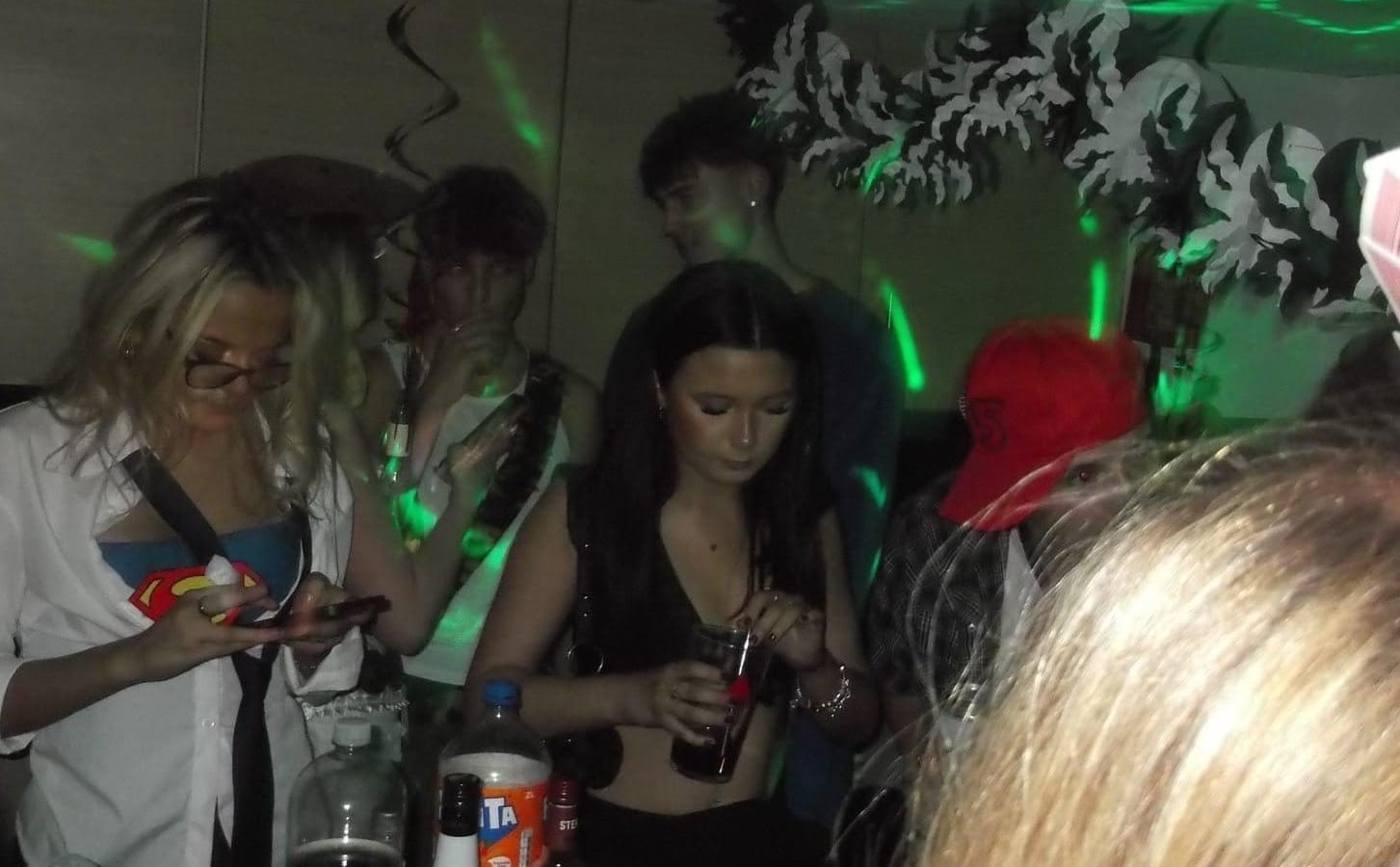
The student queuing outside a club in a cowboy hat may seem a world away from an ancient seasonal festival, but the underlying principle has not changed. For one night, we can become someone else. We can dress differently, behave differently, and take part in rituals that would seem completely strange on any other night of the year.
Of course, most students are not thinking about the changing of the seasons or the relationship between life and death when deciding whether to dress as a cowboy or a character from a television show. Halloween has also become increasingly commercial, with shops, bars, and clubs all benefiting from our enthusiasm for costumes and themed events. UK shoppers were forecast to spend £537 million on Halloween last year.
It is therefore easy to dismiss modern Halloween as another excuse to spend money and go out.
But most of the traditions we value have changed over time. Christmas, birthdays and even university graduations look very different from the traditions that originally inspired them, yet we continue to celebrate them because they have acquired new meanings. Halloween may have travelled from ancient seasonal ritual to Christian observance to modern popular culture, but at each stage people have found a reason to keep celebrating it.
For university students, that reason might simply be the opportunity to have fun with friends. University life can sometimes feel repetitive: lectures, deadlines, seminars, and exams all follow a familiar pattern. Halloween provides an opportunity to interrupt that routine. For one night, there is an excuse to be ridiculous, creative, and slightly different from the person you are every other day.
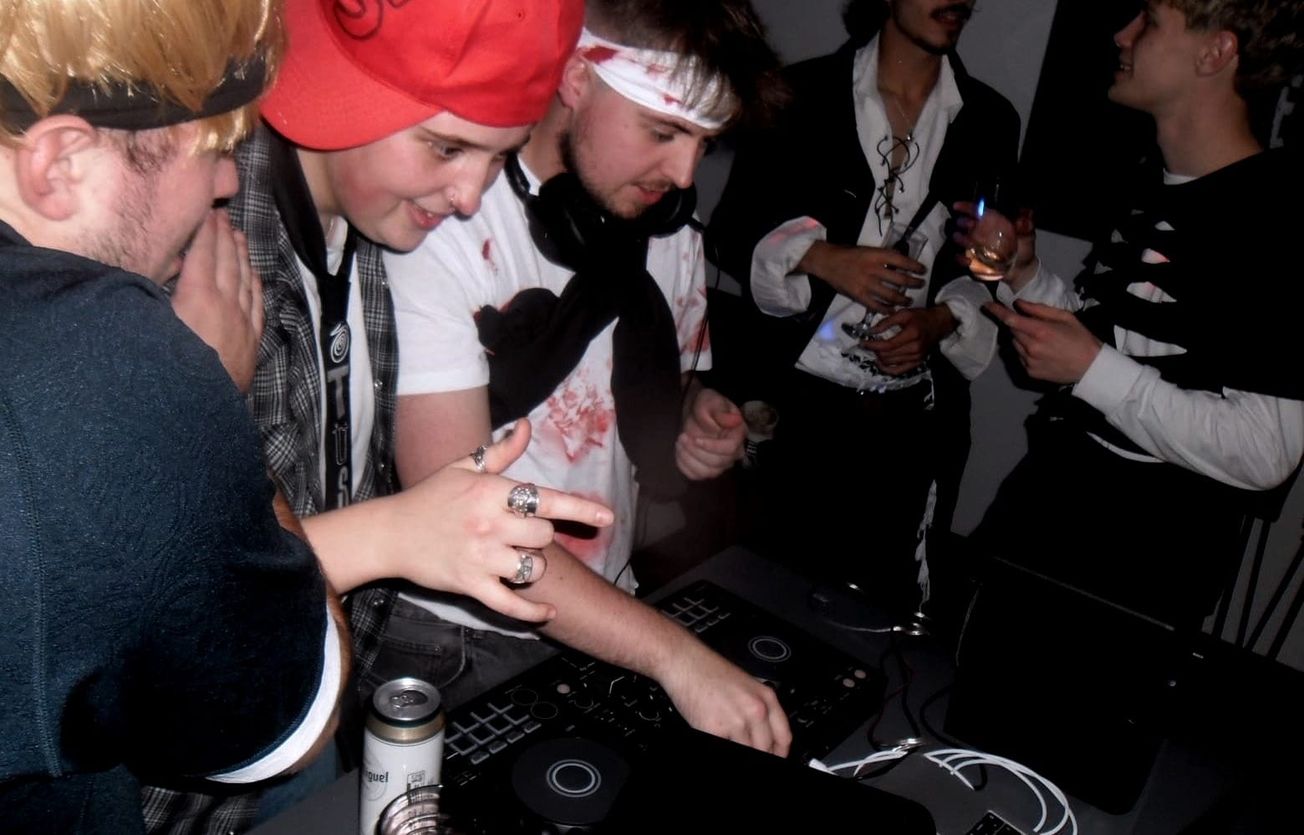
So, the student dressed as a vampire stumbling home from a Halloween party has more in common with the festival’s historical traditions than they realise. Both involve community, ritual, and the temporary abandonment of the ordinary. Halloween has survived for so long not because we have carefully preserved its original meaning, but because we have continually reinvented it.
Students are not ruining Halloween by turning it into a night of costumes, parties, and questionable outfits. We are rather continuing the tradition in exactly the way generations before us have, by changing it, adapting it and making it our own. Halloween has survived for centuries because it has never stayed the same, and there is no reason for its modern form to be any different.
And if that means wearing a costume and going to a party on Tuesday night when you have a 9am lecture the next morning, well, the ancient Celts probably had their own versions of questionable decisions too.
 Emine Arslan
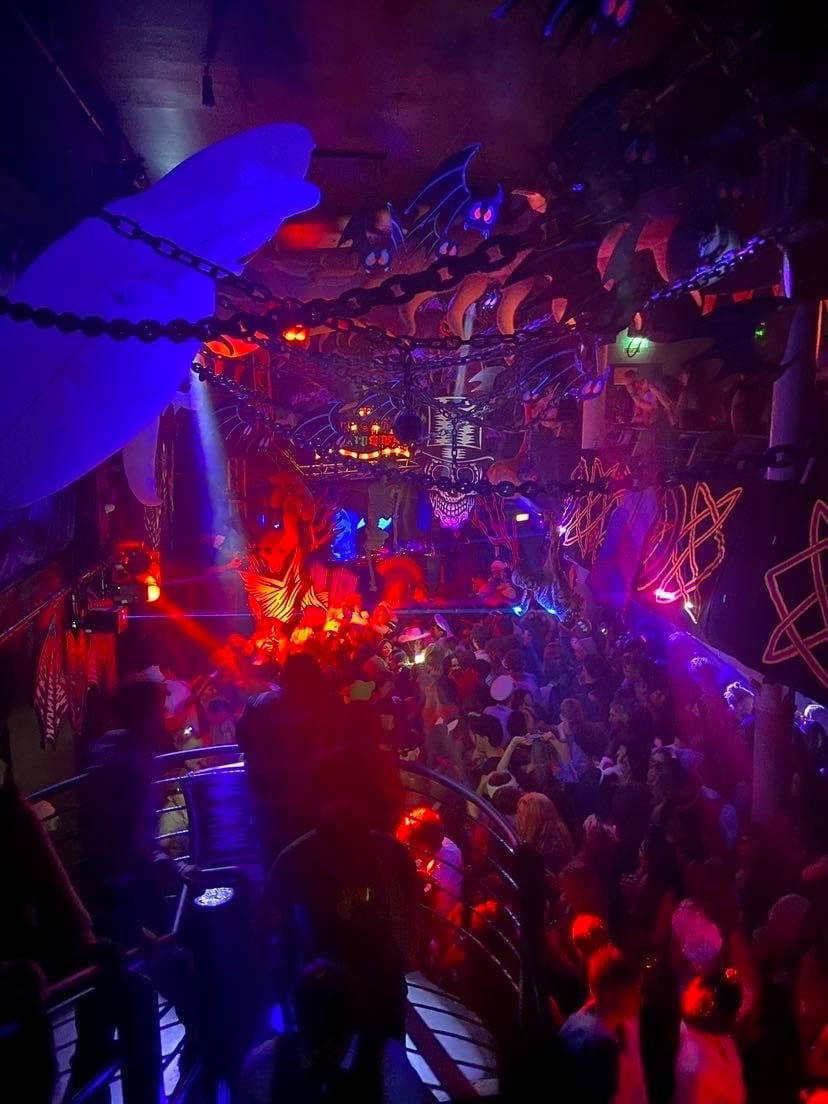
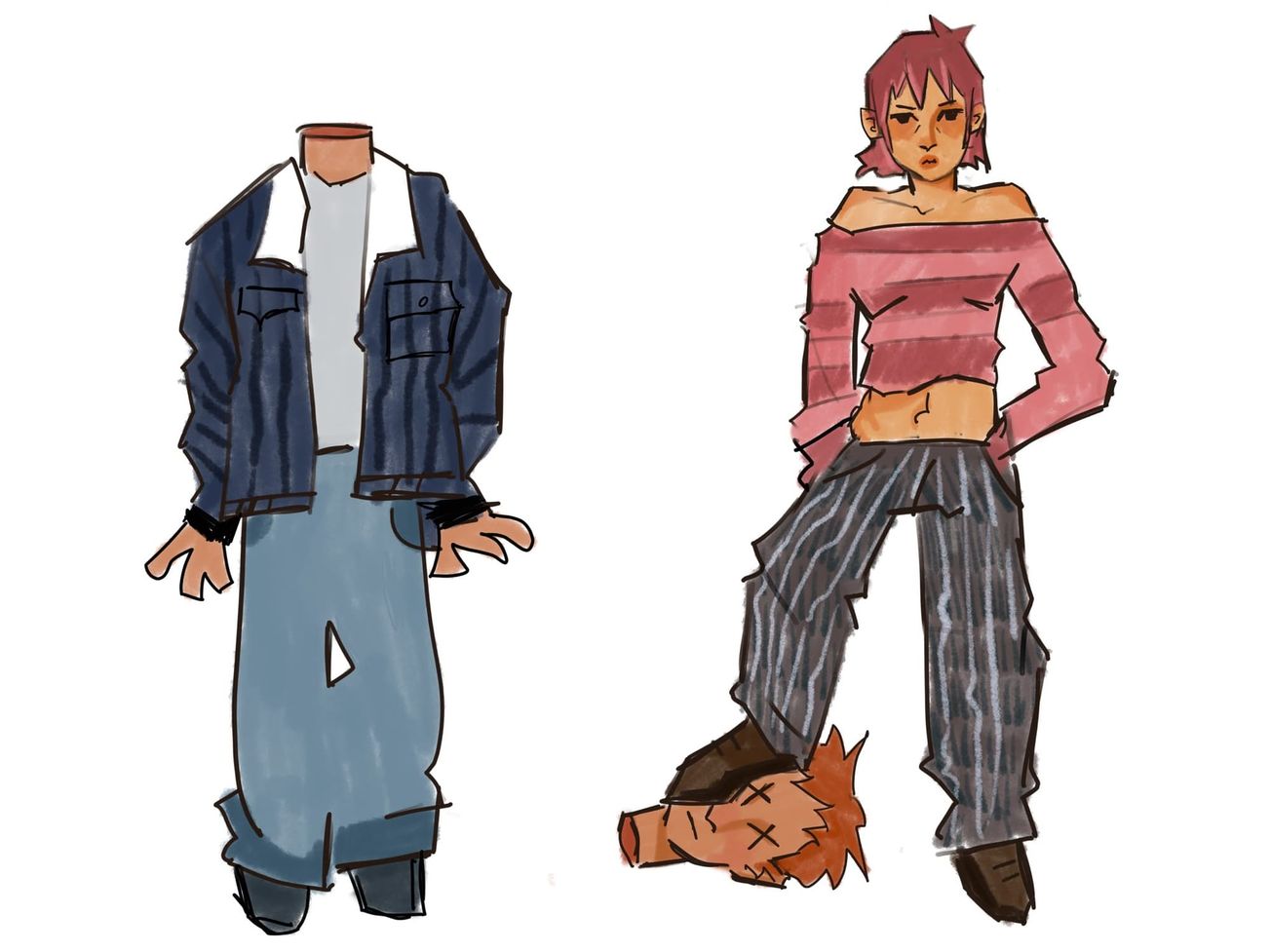
Featured Image: Epigram / Zenobia Motl
How will you be spending this Halloween?