By Eden Chambers, Third Year, French
Following an almost unanimous vote amongst the members of the Public and Commercial Services Union (PCS) at the Victoria and Albert Museum to strike, workers at the V&A across several sites in London walked out of work on 4 and 5 September in protest of pay and working conditions, forcing the museum to close its doors during that time. This has stirred up debate in and around the arts and heritage sector as to whether these hidden workers are recognised or remunerated sufficiently. What is an arts and culture industry without the people within it?
Many museums that we know and love offer free or low-cost admission to their exhibitions, even more have permanent collections that are open to the public at no cost, but they aren’t magically brought by elves in the night. Behind all these great institutions is a workforce arguing that it is underpaid and underappreciated. The average salary of a curator working around 40 hours per week in the UK ranges from £25,000 to £43,000 at its top end, making its entry-level salary over £1000 short of National Living Wage and almost £3000 under London Living Wage. This creates a paywall requiring other financial avenues, from family or otherwise, to afford to work in this sector.
According to a report released by the Creative Industries Policy and Evidence Centre in 2024, 60 per cent of arts, culture and heritage workers come from a middle-class background whilst people from working-class backgrounds accounted for only 5.2 per cent of workers in the museums, libraries and archives sector, versus the 23 per cent average across the entire workforce. The disparity between salary expectations, or even requirements, and reality places people from certain economic backgrounds at a disadvantage for being able to enter the field and the industry risks becoming a buy-in scheme.
So, what does this say about the current cultural job market? Employees in the arts and its adjacent industries have been expected to sacrifice pay in the pursuit for passion as an industry standard. A long-standing problem, The Sutton Trust found that even in pre-pandemic 2018, 86 per cent of internships in arts industries were unpaid, making graduate opportunities highly selective and financially inaccessible to many. Students are told to follow their interests and pursue careers that they are passionate about, but not everyone can afford the work experience prescribed by supposedly entry-level jobs.
These pressures are exaggerated by the cost of living crisis. When populations are put under economic strain and are forced to prioritise the absolute necessities of day-to-day living, cultural activities are understandably put on the back burner but museums aren’t just weekend activities. They serve as educational spaces where people, in particular children, can learn about the world around them and where they come from. They also offer a space for communities to congregate and for individuals to find an avenue they fit into, whether through art, history, science, or even more niche landscapes. It is important that institutions are taking care of the people responsible for educating and preserving our society in a way that encourages future generations to join them.
 Cara Hene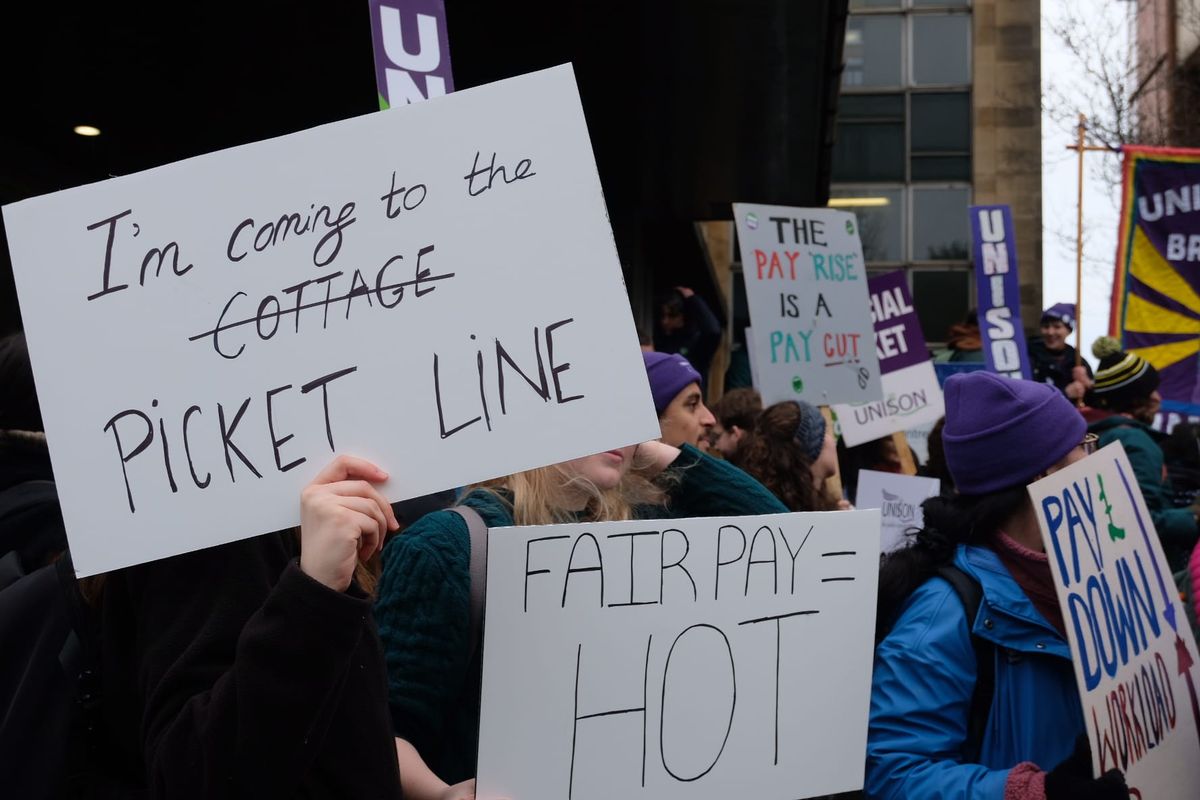
Compared to our European counterparts, who we stray increasingly further from, we rank among the lowest in terms of State spending on culture, with the British government allocating less than 0.2 per cent of GDP, leaving institutions to seek alternative funding and again representing the undervaluation of the workforce behind the sector. So what happens if people can’t afford careers in the museum sector? If only those who can subsidise low wages populate the industry, the diversity of the workforce, who represent the audience they serve through a wide variety of collections, starts to decrease. As teams shrink, the workload that once belonged to many is shifted onto a select few. Rising pressure on those left will mean museums cannot keep the experienced workers they rely on, as they will move to better-paid jobs in different industries, and the specialist knowledge that museum curation and production requires will be lost. Then who will be left to preserve cultural heritage? AI! Yippee.
For those looking to launch a career in the museum sector or students of Art History, the V&A strikes are not just a two-day event but also raise questions about the future of cultural heritage. With the dispute still unresolved, it offers an apt symbol of the uncertainty surrounding careers in the arts, culture, and museum sectors. The issue of adequate pay and working conditions forces the next generation of workers to ask themselves if they can afford to join this industry’s workforce at all.
Featured Image: Unsplash / Delia Giandeini
Have the V&A strikes caused you to worry about the future of the arts and cultural heritage sector?