By Isabelle Geddes, Epigreen Columnist
Another exemplary achievement for the Green-led city, Bristol becomes the first council in the UK to ban non-sustainable material across their advertising spaces. From fast fashion brands to petrol car companies, the city's built environment will now encourage more climate-conscious choices.
If you're wondering where this ban could manifest, you might have passed one of the advertising spaces on your walk to uni. There are eight showcase banners in the city centre along Broad Quay, Hotwells and Redland Hill roundabouts and A-boards on pavements which will all fall under the ban. Some billboards along Bristol highways will also face the restriction, enabling a greater impact radius and audience engagement.
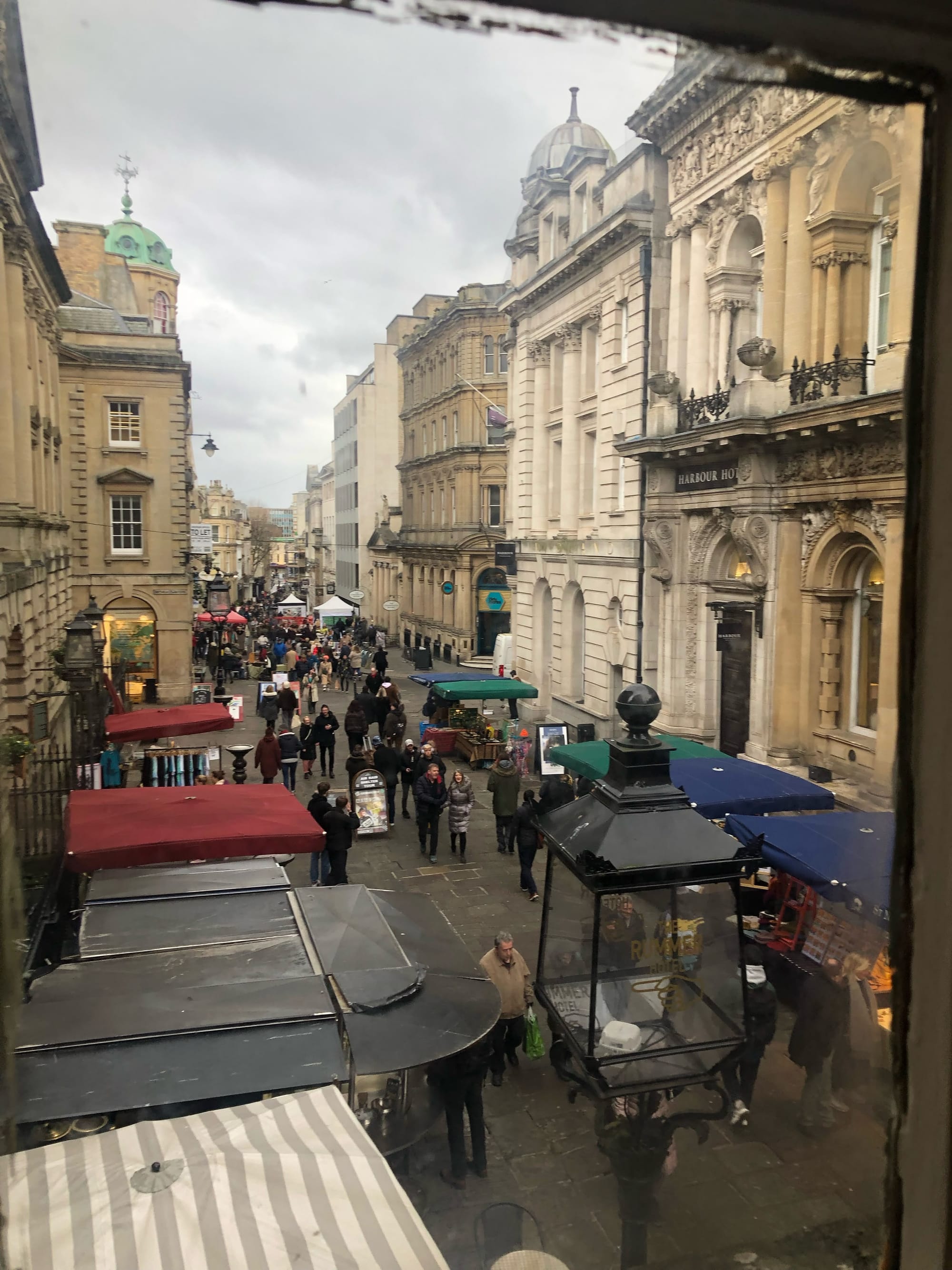
Bristol has long been a pioneer when it comes to environmental progress, so it is unsurprising that the ban has faced support from the public. Matt Galvin, Managing Director at Polestar UK, praised the council's decision: ‘Bristol shows the important role local authorities can play in accelerating the transition towards a more sustainable future.’ Polestar produces state of the art electric vehicles, so are now likely to be seen across the city in wake of the ban. Galvin applauded the example Bristol is setting in the green transition, saying ‘we'd welcome more local authorities following Bristol's lead, looking at how they can use their influence to champion sustainability within their own communities.’
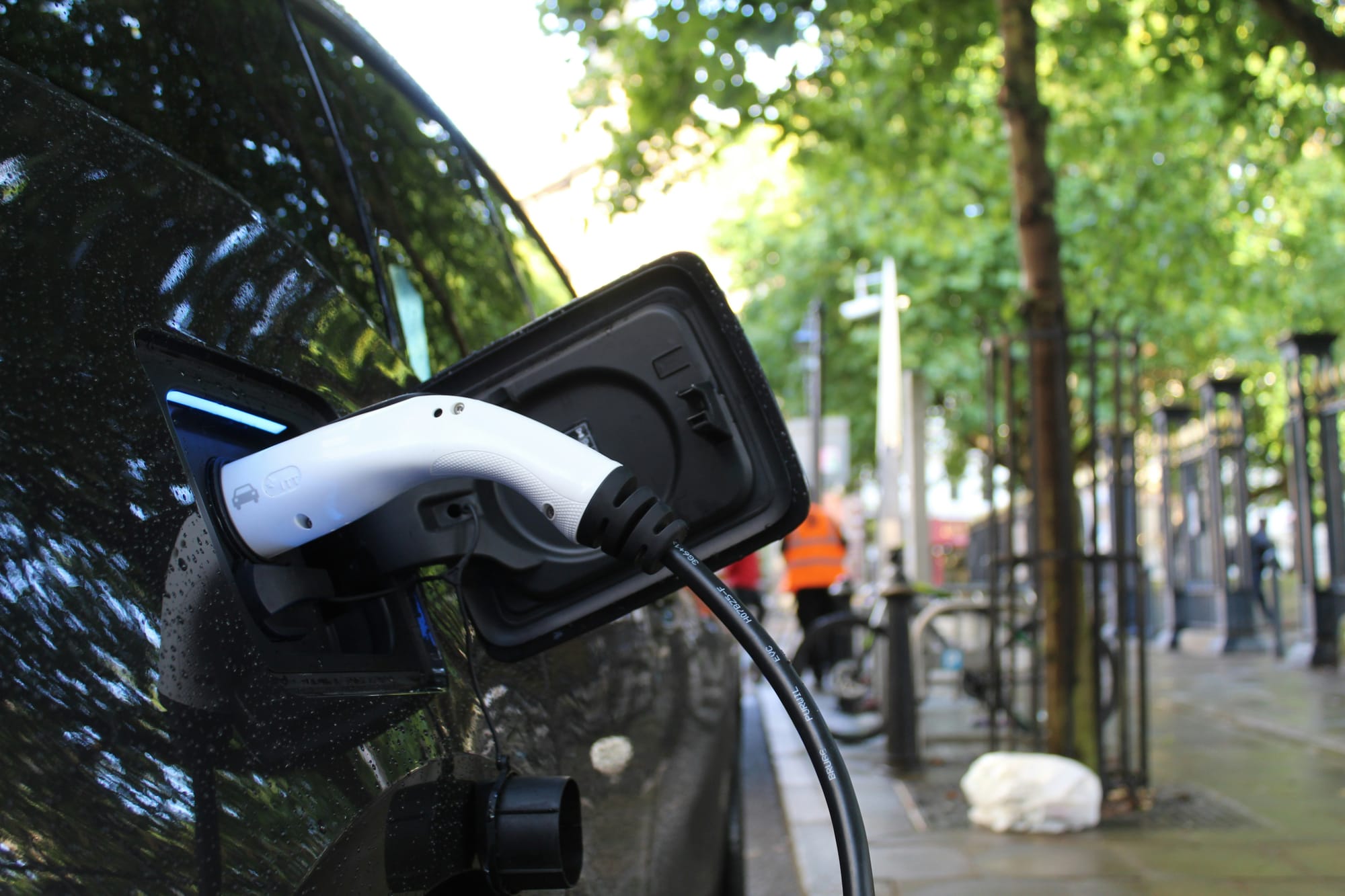
He also highlighted the need for ‘continued investment in reliable and accessible public charging infrastructure,’ which Bristol has been steadily implementing throughout the city. In fact, in the One City Climate Strategy, the council identifies that a third of the city's emissions are from the transport sector, making it a key point for intervention. £3.1m government funding has been invested in 500 electric vehicle charging points, including several in lampposts to provide for those without off-street parking. Inclusivity and accessibility are often big obstacles when it comes to increasing EV use, so this provides an innovative solution to a challenging problem. It also provides an encouraging example of how advertising spaces can be vital in promoting sustainable behaviours, when also be supported by relevant infrastructure to produce tangible results.
Additionally, through a collaboration with the West of England Combined Authority and First Bus, 250 electric buses now serve the region and 20 per cent of the council's own fleet are fully electric. This sets a promising example for their constituents and other councils across the country. With renewed support from Andy Burnham for a mass transit system across the southwest, the future of transport in Bristol could be very promising.
In terms of the ban itself, an organisation that has been instrumental in engineering this change is Adfree Cities. They highlighted misleading language in car ads which suggest hybrid SUVs can deliver negligible emissions savings, whilst neglecting to mention expensive running costs and increased danger to other road users. On a national scale, Adfree campaigns for corporate advertising bans, arguing that these spaces should be dedicated to art, community projects and nature instead. They also illustrate how reducing advertising on a whole can significantly reduce light pollution, providing another environmental benefit to stricter advertising guidelines.
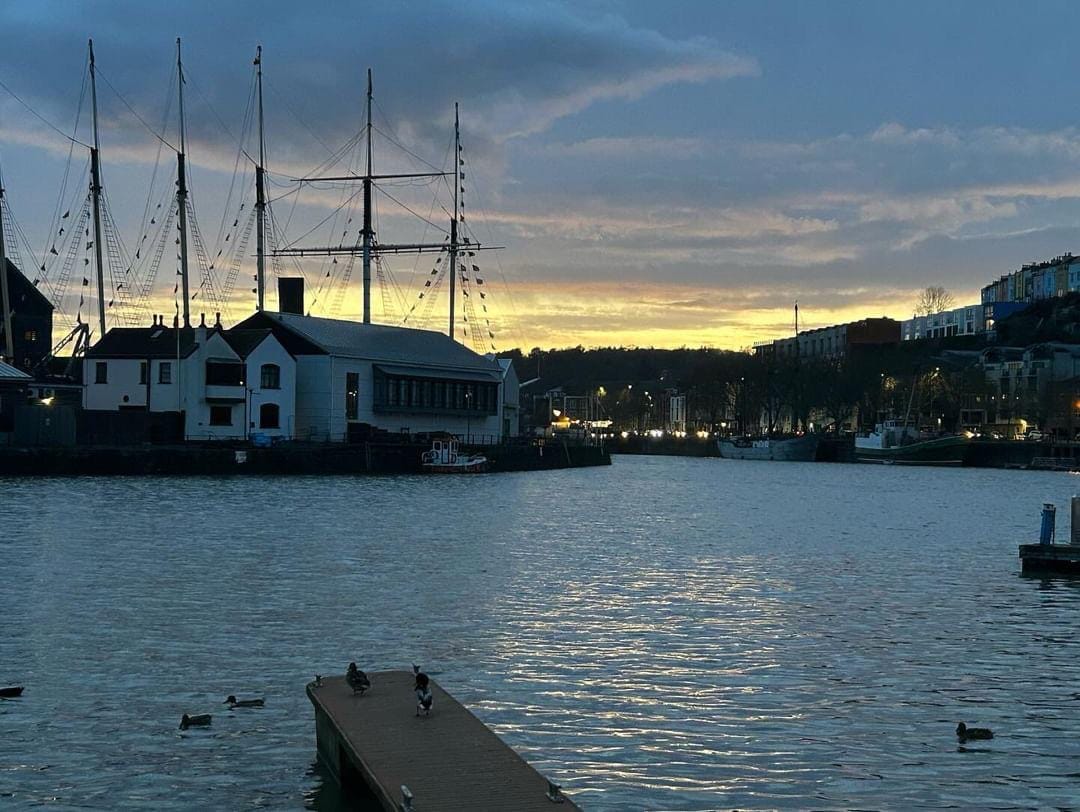
However, it is important to remember how a move like this could generate backlash. The prohibited categories contain powerful companies such as fast fashion producers H&M and Bershka, both of whom have stores in Cabot Circus. In fact, several of the outlets in Cabot Circus could fall under this category and if they felt unwelcome by the city council they may decide to take business elsewhere. This could have dangerous consequences for employment and profits. In addition, while Polestar has endorsed the council's decisions, there will be plenty of SUV and petrol car companies that may feel frustrated with the decision if they felt a threat to their revenue.
 Isabelle Geddes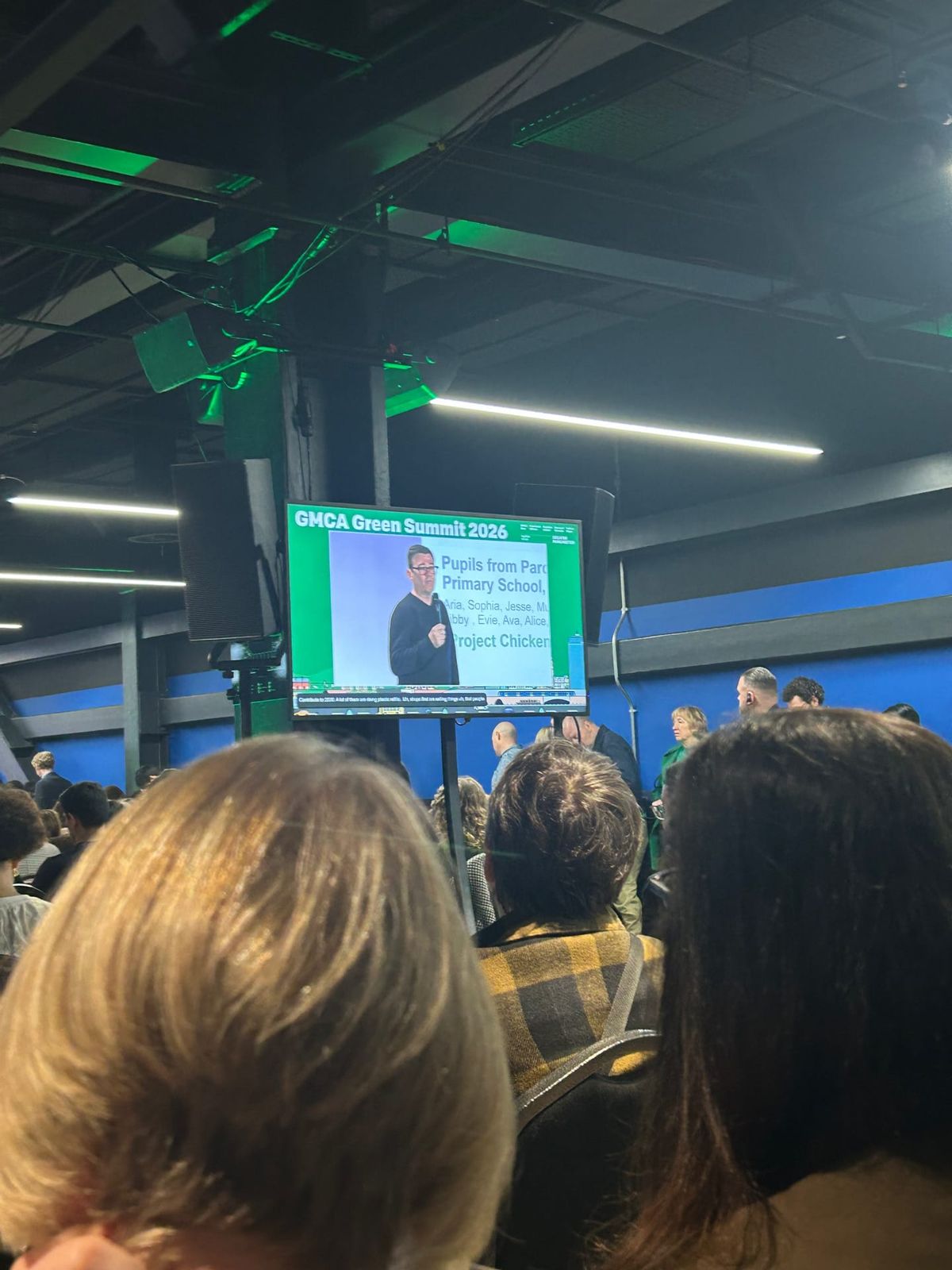
Advertising itself has become a controversial topic in recent years, as social media distorts the lines of what is ethical. With increasingly tailored online adverts that can be overly personal and borderline intrusive, it is becoming more and more important to create safe spaces. This requires a balance between promoting products and services and protecting the environment and people's mental health.
Bristol has made a significant step in creating a more sustainable atmosphere for the city, but the council must continue efforts to generate infrastructure to allow that atmosphere to manifest materially.
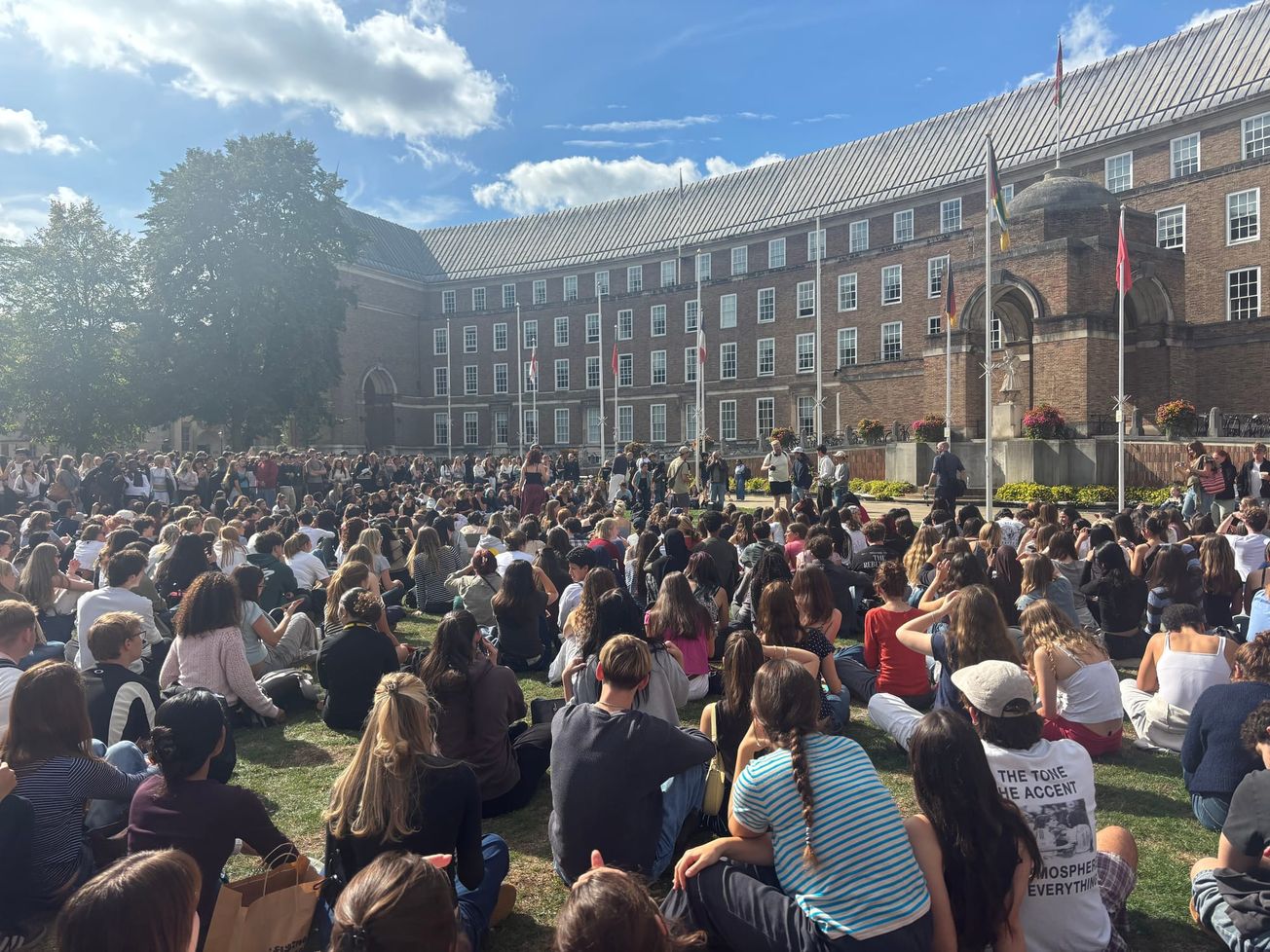
Featured image: Isabelle Geddes
What do you want to see advertised in your city?