By Georgie Ashford, Third Year, Film and Television
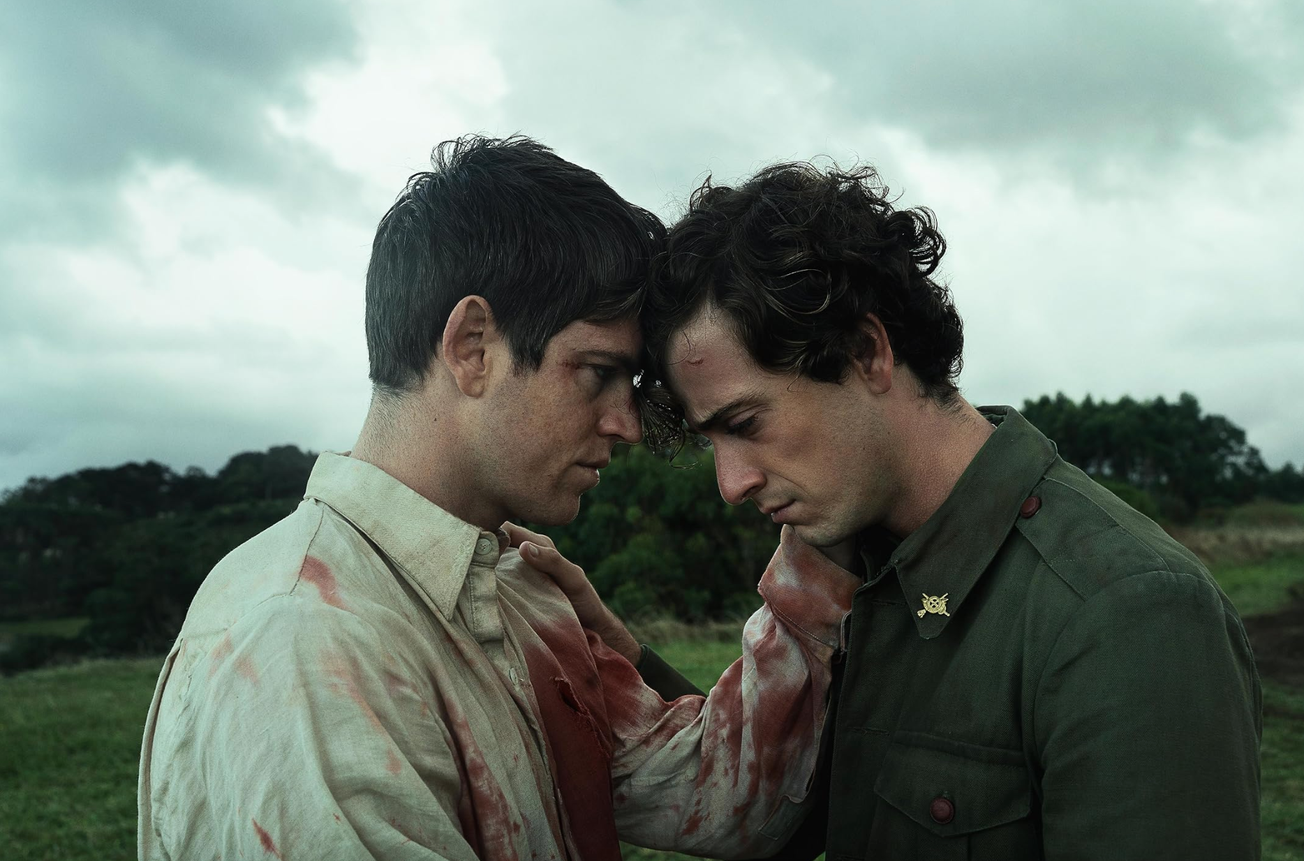
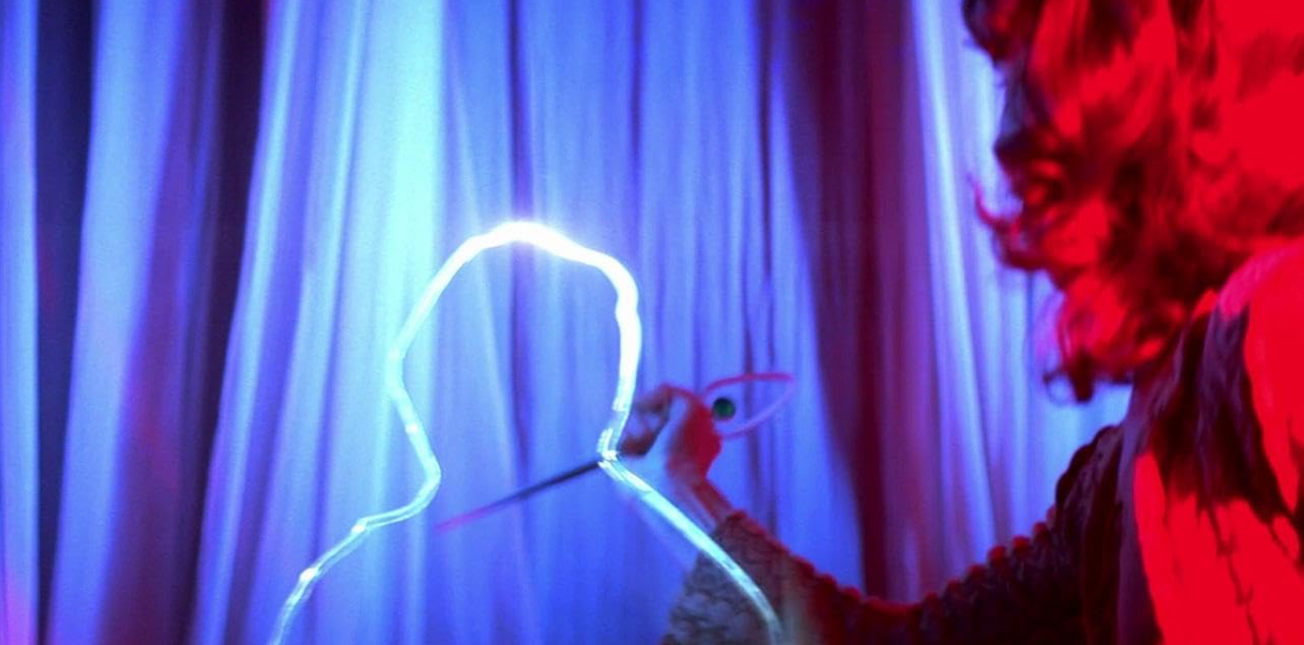
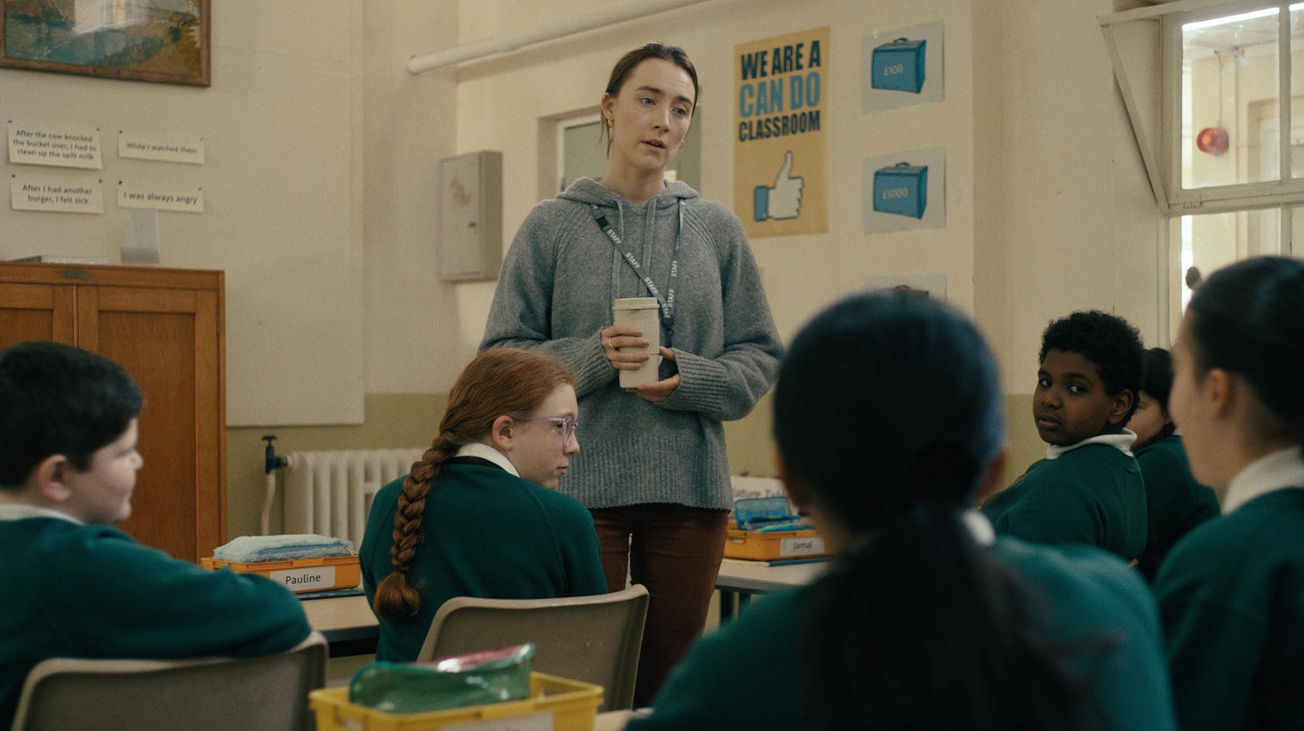
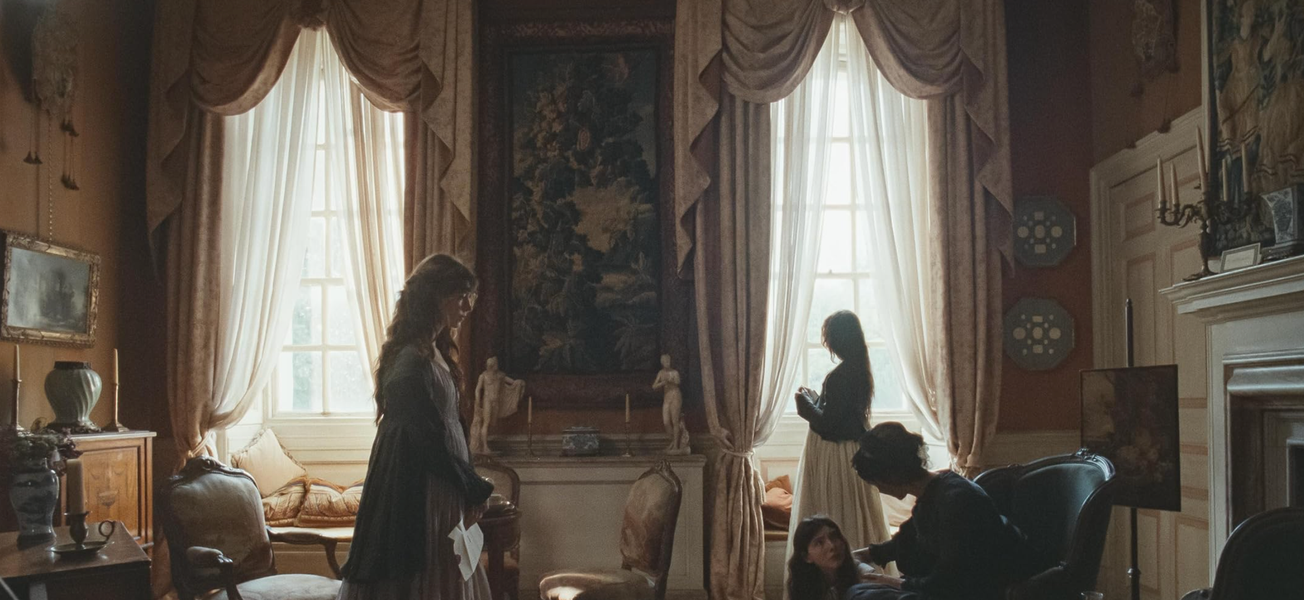
This year alone has given us Emerald Fennell's… unique adaptation of Bronte's classic novel Wuthering Heights, grossing around $241.8 million worldwide, Maggie Gyllenhaal's The Bride! Set in 1930’s Chicago and directorial debut from Georgia Oakley, Sense and Sensibility. As well as fantastic series’ including Rivals Season 2 (Hegarty), The Other Bennet Sister (Sheridan) and Agatha Christie's seven dials (Sweeney) to name just a few.
With this year’s film and television run not quite over yet, we must turn to last year where the genre's seeming comeback can be explained by a clear upward trajectory from 2025. In a recent piece for the Business Review at Cornell, Sabrina Guidy notes that period dramas made up 10% of global scripted television premieres in 2025, climbing from 8.1% in 2024.
Part of that growth can be traced back to Shonda Rhimes’ 2020 hit Bridgerton, which proved pretty quickly there was a huge audience for a modern take on the period drama. Season one became a global phenomenon, with Nellie Andreeva reporting 82 million households watched the series in its first month, making it a Netflix record at the time, while it reached number one on the platform in 83 countries.
Of course, Bridgerton arrived when the world was in lockdown and audiences had plenty of time to retreat into binge-watching with period dramas offering a sense of escapism. However, during such a strange and uncertain reality, this took on a new form of importance. The show offered audiences a genre they could recognise, in its traditional regency settings and society etiquette but with vibrant modern colour palettes, diverse casting and modern soundtrack that incorporated pop hits- the series was refreshingly different. Now fast forward to 2026, and the continued popularity of the genre, including the arrival of Bridgerton’s fourth season, confirms that period dramas can be commercially attractive propositions for studios and streaming platforms. But if Bridgerton helped prove that the genre was still a safe bet for audiences- and consequently, for the people funding it- then perhaps we should ask whether they ever really went away in the first place.
An article in Cosmopolitan by Emily Gulla titled ‘ Bridgerton is Back and We’re Obsessed, but why are period dramas having such a Resurgence’ published in 2022 is what really encouraged this line of thinking for me. Gulla makes some excellent points, many of which I want to explore further but first, I want to question the term ‘resurgence’ itself. Because It isn't just Gulla either: articles such as Hannah Davies’ ‘The Resurgence of Regency’, and Jess Gotterson’s ‘The revival of “regencycore”’ reflect a wider tendency to frame the genre as something that has returned. Because even though 2020-2026 certainly feels more saturated with period pieces, terms like ‘resurgence’ and ‘revival’ imply a kind of absence. And the genre has hardly disappeared.
From Austen Adaptations to award-winning film and television series like The Handmaiden (2016), Harlots (2017-2019), Belle (2013) and The Favourite (2018)- to name just a few, period pieces have always found a way onto our screens. I believe the Bridgerton effect, so to speak, isn’t what brought the period drama back, but simply reminded us of why we keep coming back in the first place.
These pieces offer a reliable way of engaging with contemporary anxieties from a safe historical distance. Women's autonomy? Put it in Regency England. Race and class? Put it in Victorian London. Queerness and the restrictions of sexuality? Put it in the eighteenth-century aristocracy. Suddenly, the issues that dominate our own conversations feel both distant and strangely familiar.
 Alice Lewis
Perhaps this is what makes the genre so enduring. Beneath the grand estates and elaborate costumes the subject matter has always been us just in reflections set centuries ago. And if this year's releases are any indication of our fascination with the past, a new adaptation of Pride and Prejudice directed by Euros Lyn certainly confirms it. Set to arrive as a limited series on Netflix this December, ready to introduce another generation to Elizabeth Bennet (Emma Corrin) and Mr Darcy (Jack Lowden) hopefully it can join the enduring debate of which Pride and Prejudice, Wright's 2005 adaptation or Simon Langley's and BBC’s 1995, adaptation is best.
Featured Image: IMDb / Sense and Sensiblity
What do you think about the resurgence of period pieces?