By Alice Lewis, Third year, English and Film
Sense and Sensibility (2026) proves you don't need a varnished scene of oral sex backed by the latest Charli XCX track to demonstrate an undying passion between lovers. Georgia Oakley's Austen adaptation has everything Emerald Fennell's Wuthering Heights (2026) lacked.
Oakley has given hope to her audience that classic literature can be adapted without staying totally true to the book and still exceed audience expectations. Shock moments aren’t always necessary. This new Sense and Sensibility seems to have people swung one way or the other: either you have been eagerly waiting for its release for months after its picturesque trailer or you haven't yet heard of it at all. What might seem like another remake in an industry reluctant to back original stories is a worthy rival to its original (the 1995 Ang Lee classic of the same name), once again proving the timelessness of Jane Austen's writing.
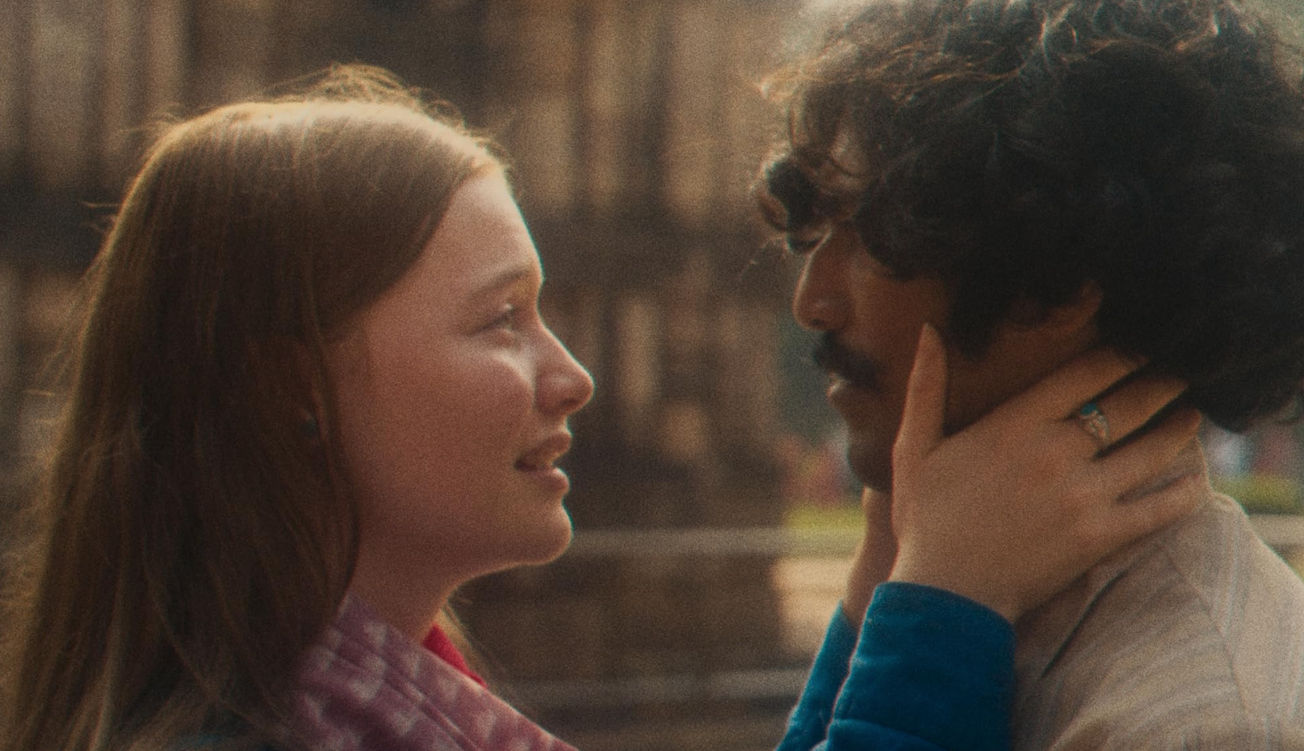
The most notable element of this film is its austere, steady and unrushed atmosphere. Cinematographer Arnaud Potier ensures every shot is captured and framed as if they are the very oil paintings of Sir Thomas Lawrence. He captures the era not like the bejewelled Bridgerton (2020-) but rather Chloé Zhao's Hamnet (2025) as we become witness to a terrestrial and visceral atmosphere that embeds its characters in lived-in hair and slept-in clothes.
The characters, even when dressed for the ball, carry a rather wild and rugged edge. The magic in this film was found within its haptic visuality and tactile moments of golden light and a beauty that came from the dirt and weather. In particular, the shots across the unspoiled landscapes of South Devon and the Dorset countryside were particularly picturesque in carrying the atmosphere of the changing seasons. In the week prior to the film’s release, I visited Montacute House: a filming location for both this version and the 1995 predecessor. Having experienced the sheer scale of the house and the luminosity of the interior rooms myself, I can only imagine the Dashwood sisters' discontent of having to move to a rustic and sensorial cottage.
/center>
Whilst the cinematography is highly commendable, the acting itself is what truly gives this film its magic. George Mackay, best known for Sunshine on Leith (2013) and 1917 (2019), gives one of the best performances of his career. His striking face and kind eyes are an image a viewer simply cannot forget, making him the perfect fit to be the kind and ardent lover that is Edward Ferrars. It is thrilling to see Daisy Edgar-Jones, though playing yet another character who wistfully withholds her feelings from her partner, embody Elinor Dashwood’s inherent goodness so brilliantly. Whilst her hairstyles have been penalised for historical inaccuracy, her idiosyncratic passion has not.
Most poignant in the film are the simmering feelings between the two - their chemistry charged by passing glances and grazed touches to one another. Set among the expansive walls of the National Gallery, the scene between Elinor and Edward is not one to miss. The contemplative nature of the scene had audience members in the cinema gasping in heartache at two small figures drowning in a vast space with seeming worlds between them but containing the most intimate and unspoken sense of closeness.
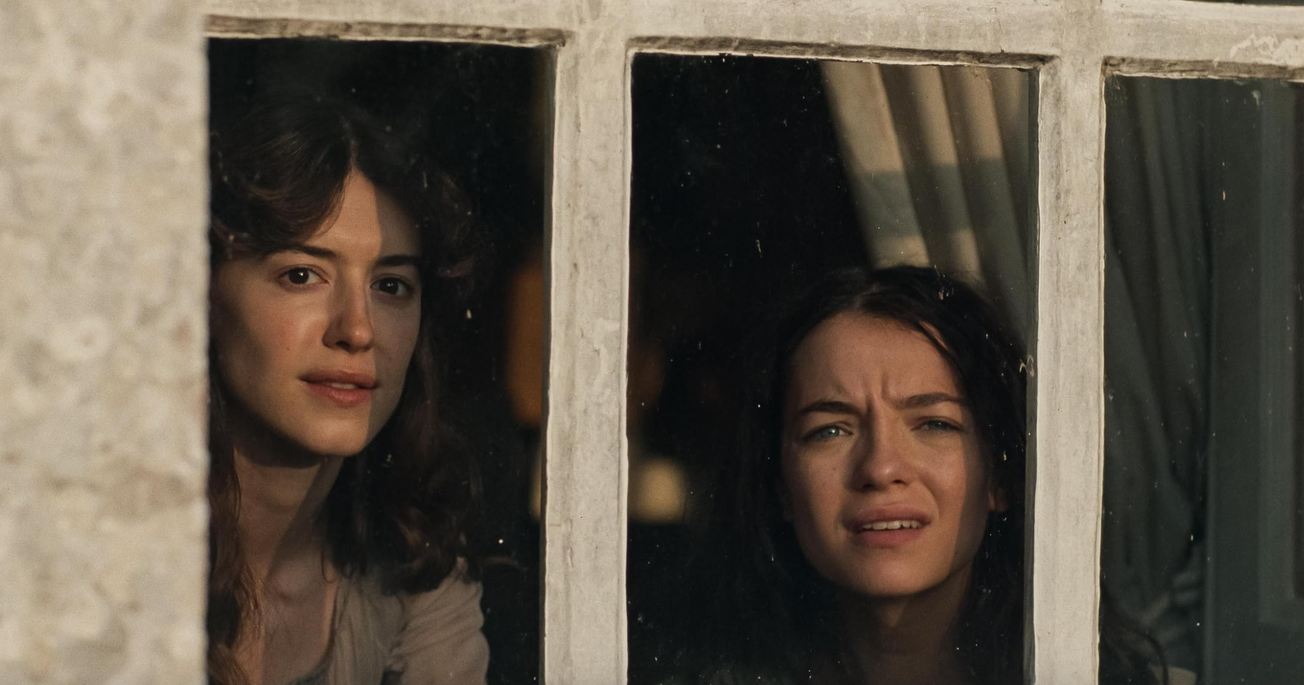
As one of three sisters myself, this film hit home in illustrating the unshakeable bond of sisterhood. Whilst Elinor, Marianne (Esme Creed-Miles) and Margaret (Bodhi Rae Breathnach) each have their own on-screen personalities, together, their confidence and fierceness (to the point of defiance) create a cathartic and unmissable solidarity. The true love in this film is between Elinor and Marianne, who are foils for one another and learn, from each of their differences, how to be women and how to love, support and forgive.
All three girls are victims of a commercial system in which they have no say over their lives. In their youth, they are fanciful and fall for liars but the men themselves in this film also are not intrinsically bad, rather caught within the same system. Fiona Shaw's ostentatious and theatrical portrayal of Mrs Jennings was the film’s icing on the cake. Her amped-up characterisation brought comedy back into Austen's already humorous writing.
 James Hattan
I would recommend Sense and Sensibility to everyone. Romantic period dramas are often labelled as 'trashy' or 'girly' but the bare bones of this film carry themes and moments that are relevant and provoking to all audiences: love, betrayal, sisterhood, wealth, nature and youth. If possible, go see it in cinemas whilst it’s still out. I may lack some sensibility but this film is worthy of five stars.
Featured image: IMDb / Sense and Sensibility
Do you think Sense and Sensibility does justice to Austen's novel?