By Polly Mars, Second Year, Geography
‘Self-indulgent’, ‘archaic,’ ‘a dying art.’ These are just a few of the criticisms that those with an interest in broadcast journalism may have encountered. For regular radio listeners, however, advocating for its existence is a simple task. As a lover of music, frequent radio listener and host of my own show, in my mind, all these elements pointed to a simple conclusion: of course, radio is valuable.
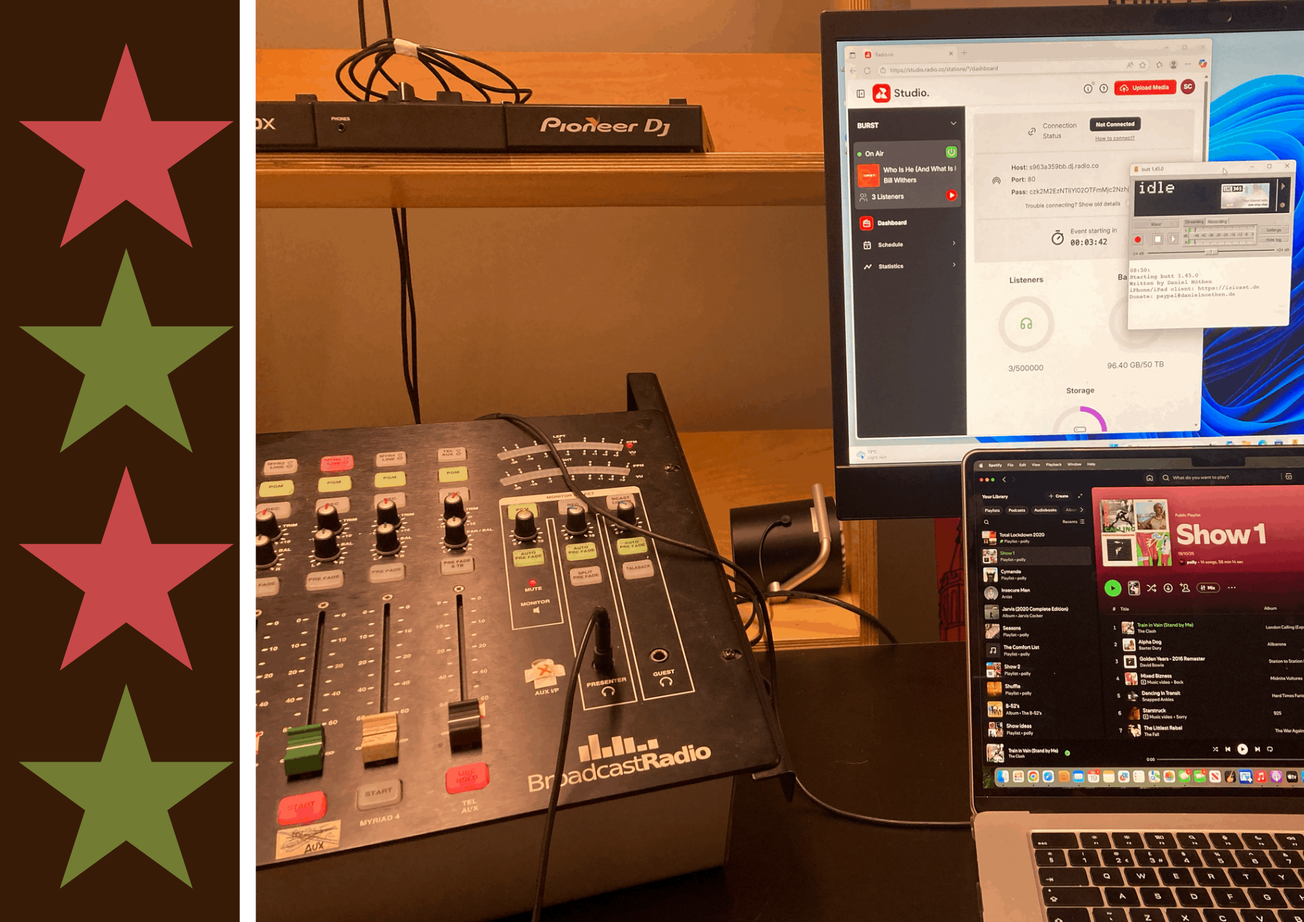
To get a second opinion, I reached out to Josh Gay, Station Manager at Burst Radio (The University of Bristol's student-run station) and fellow show host. I hoped that he could better articulate the sentiment which I was struggling to convey. Two audio fanatics sitting in a room, talking about their love for radio. Surely, a passionate and comprehensive case would emerge from our conversation…
After an hour of discussion about our listening habits, love for Jarvis Cocker and the parasocial relationship between listener and host, the image we managed to paint, despite all these points of mutual connection, was still bleak. Realising that our cases for the format were not one-size-fits-all, we were still left with the most fundamental of questions:
How do you make a case for radio?
To some, radio is a relic of the 20th century; to others, it still holds fundamental value. Therefore, to fully articulate the many aspects of audio-based media would require extensive analysis. However, radio's function as a tool of music discovery is far easier to track.
Within the landscape of digital media, radio is somewhat of an anomaly. Forced to compete with uninterrupted flows of short-form content, its unpredictability, and lack of visual stimuli make it all the more surprising that it has persisted. Why bother tuning in to one of these stations when, in a matter of seconds, an algorithm can curate you the perfect playlist? Personalised discovery tools such as Spotify's AI DJ, or ‘The big enemy’ as Josh puts it, reinforce the perception of radio as this antiquated and expendable medium.
Furthermore, radio is no longer the most effective route for musicians to gain exposure. These days, self-promotion is free, with social media giving artists the ability to bypass these traditional institutions altogether. The few remaining platforms like BBC Introducing have also seen a scaling back in the last few years, their stage scrapped from the Reading Festival lineup this year.
That is not to say that the diversity of radio output has not come under threat before. In the height of the Swinging Sixties, an era of individualism and protest, Radio Caroline provided the soundtrack to a generation of young people. The offshore pirate radio station existed in opposition to the mainstream media, overrun by archaic and conservative ideals. The restricted broadcasting of popular music and, with it, the voice of youth culture, meant young people turned to unlicensed broadcasters to hear the pop and rock records that the establishment refused to play.
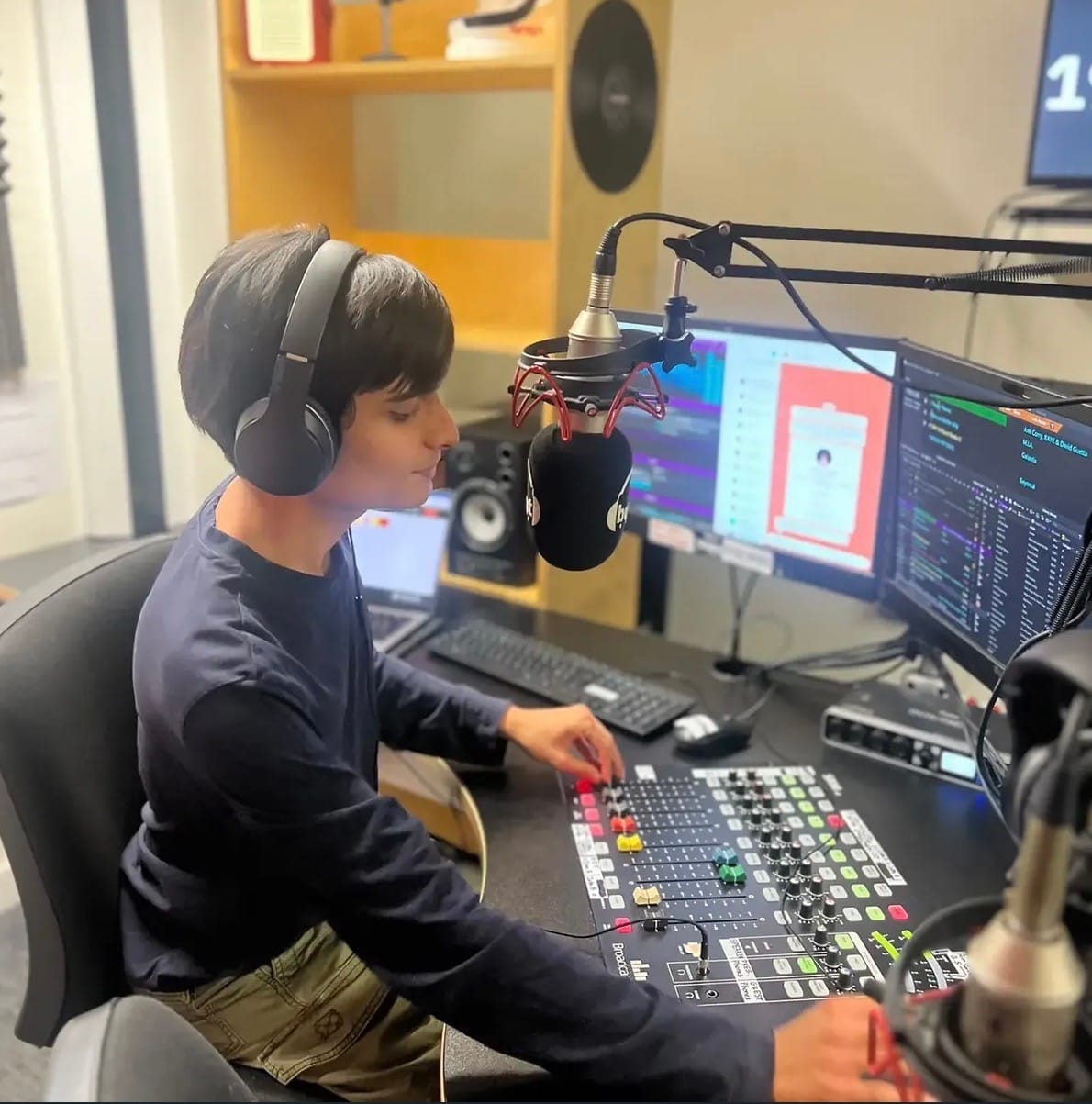
Today, you could argue that radio has reconnected with its rebellious roots, at least in the form of community and independent stations. While counterculture has arguably lost much of its influence, prompted by the conformist principles of the digital age, community radio stations have emerged as localised systems of defiance against artificial intelligence and the attempted devaluation of art. Made for and run by locals, unlike the passive and commercialised nature of the online space, radio is compellingly human. The day-to-day existence of stations like Burst, relies on a group of passionate and committed volunteers to stay afloat.
Why then is it said that radio is dying? While uptake from younger generations is somewhat stagnating, social media providing an optimised platform for discovery, streaming platforms have not fully taken over the market.
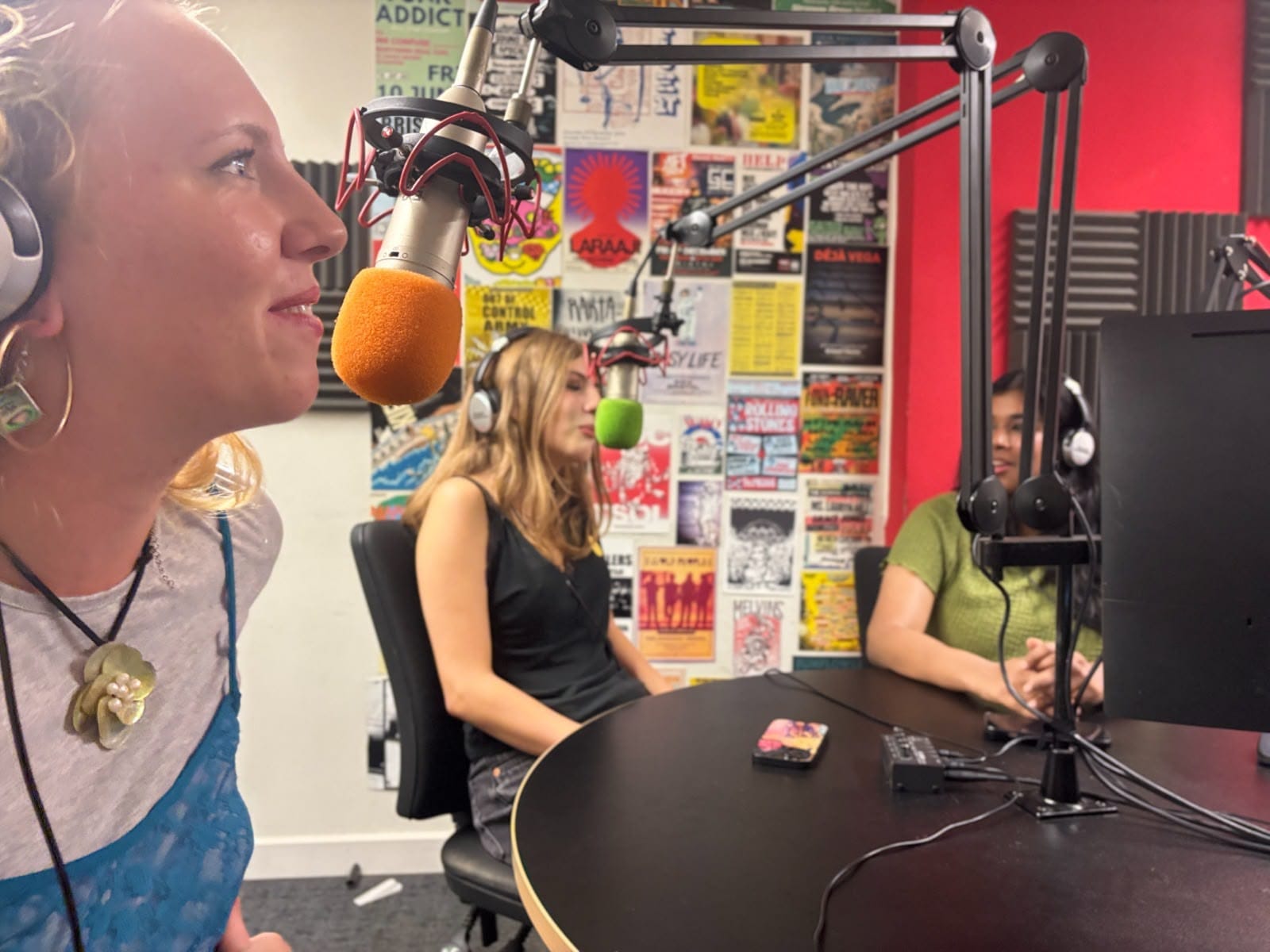
The exact statistics seem to vary from place to place, but in the UK, the number of listeners of live radio has not in fact decreased in any dramatic way. Live radio is listened to by roughly 87 per cent of the population each week, giving audio the greatest reach of any media sector. Now, while this is largely dominated by the commercial stations, think commuters listening to the radio in their cars, it still indicates something important: that human voices continue to be favoured.
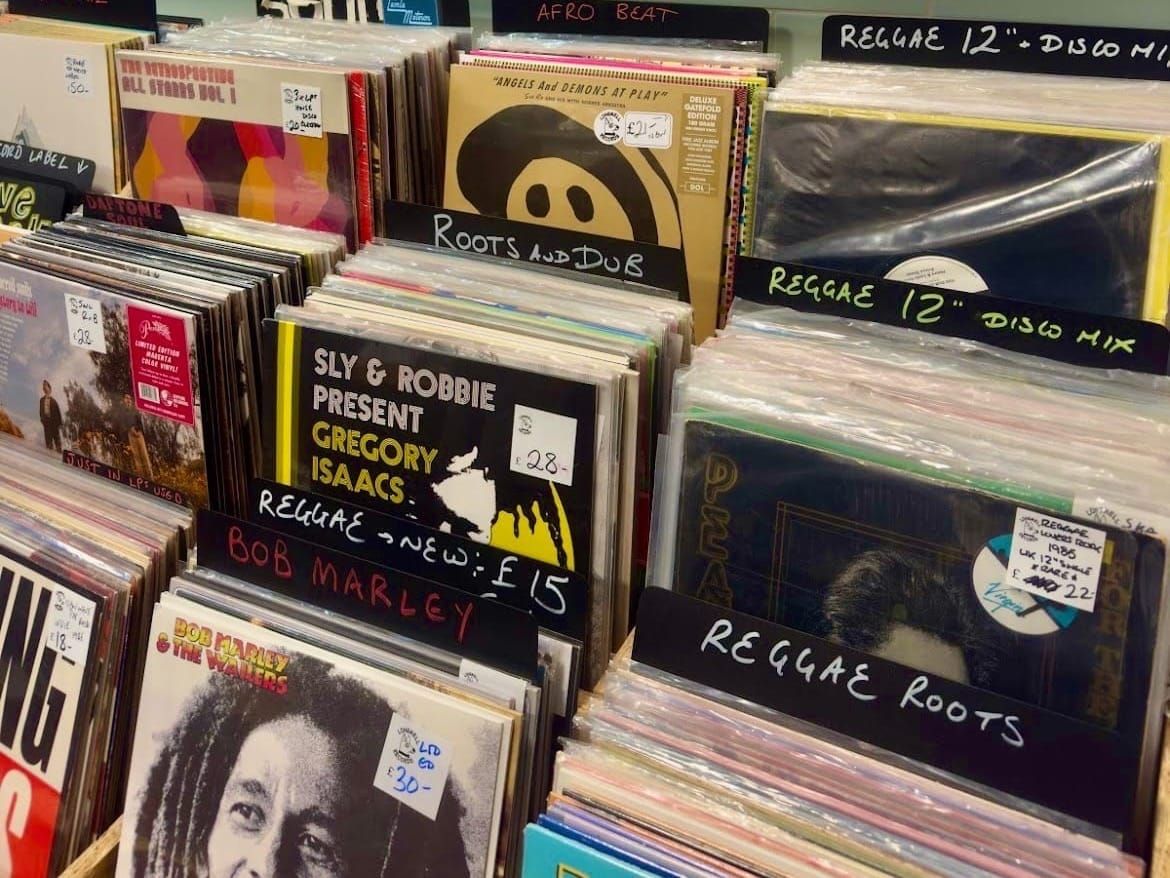
This desire for community is something that has been mirrored in a recent wave of nostalgia which has swept popular culture. Though some may attribute it to a mere trend, this perceived longing for a pre-algorithmic age has massively shaped the way in which people are consuming media. In 2025, there was a 19.9 per cent increase in UK record sales, with CD uptake following a similar trend.
While radio hasn't had quite the same resurgence as these adjacent mediums, it is the change in public attitude which is most encouraging. It seems as a society we are not quite ready to give fully over to automation. While institutional frameworks push us further towards the impersonal, radio, forging a relationship between listener and host, places human connectivity at its core.
 Ivy Nicholls
As Josh pointed out, ‘It's about who's listening and who is getting something from what you are playing.’ ‘Radio to the right audience is invaluable,’ proving that, despite what some might tell you, mass appeal does not always have to be the goal.
If radio was going to die, it would have disappeared a long time ago. Surely then its survival is the greatest indicator of its value. While algorithms merely suggest, radio connects. Against the odds, and in a society no longer designed for it, this unlikely medium endures.
Featured image: Epigram / Polly Mars
Do you think radio will have a resurgence?