By Yotam Livni, Third Year Philosophy
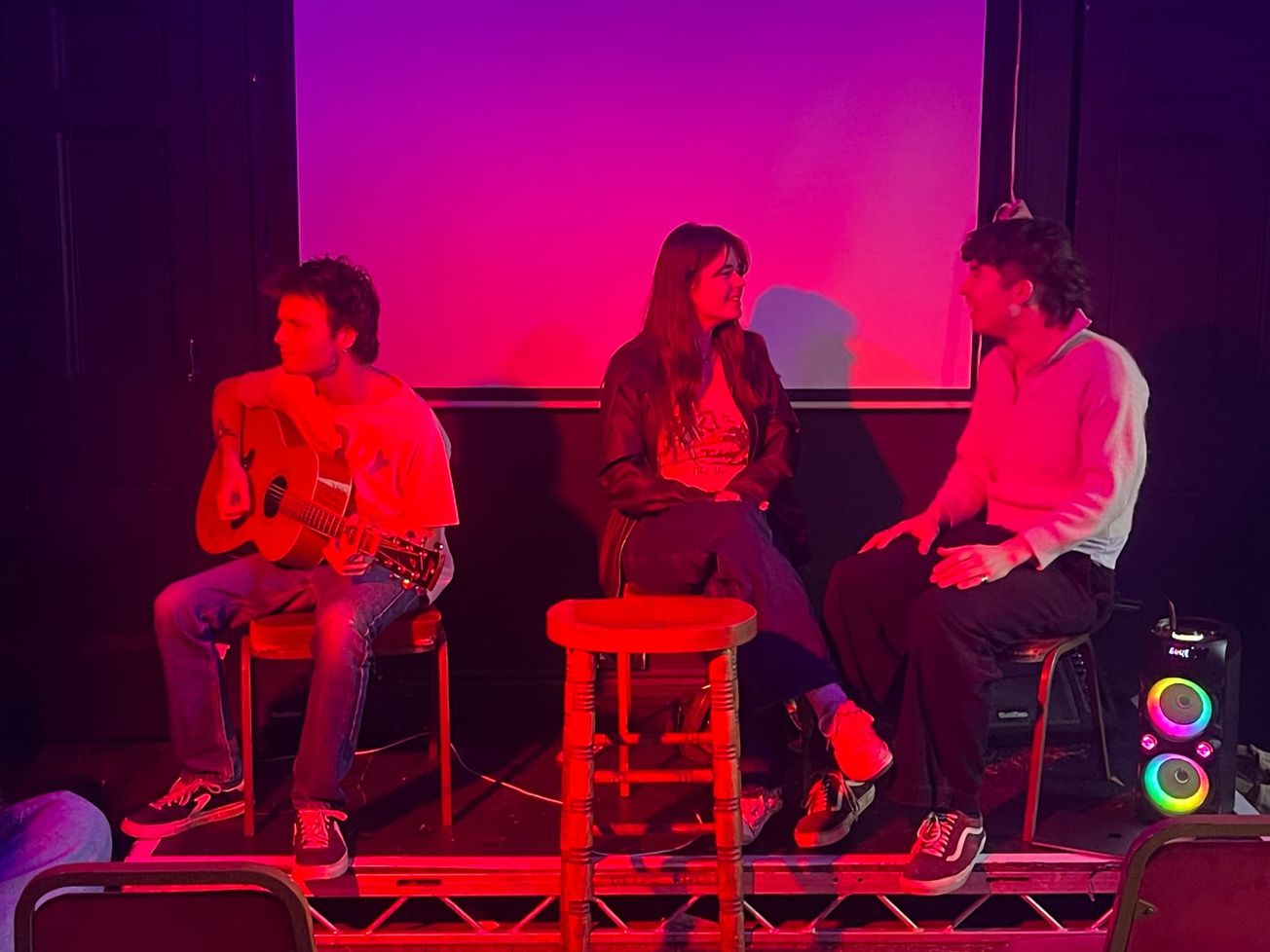
It’s a unique experience to see a play being conceived right in front of your very eyes. On Friday 20th March I was invited to a rehearsal reading for a student play written and directed by Montague Austin. The show consisted of three actors, who for the first time would sit together and become the characters they would read from the script, all in front of a live, intimate audience.
‘Your Land’, derives its name from the Woody Guthrie song, This Land is Your Land, a protest song revered for its messages of equality and inclusion. It offers a criticism of American patriotism, which Guthrie thought failed to remember that the land that is so revered was not originally their own but taken. He believed that it should be shared by all who wished to call it their home, a perfect choice to underpin the poignant story of the show.
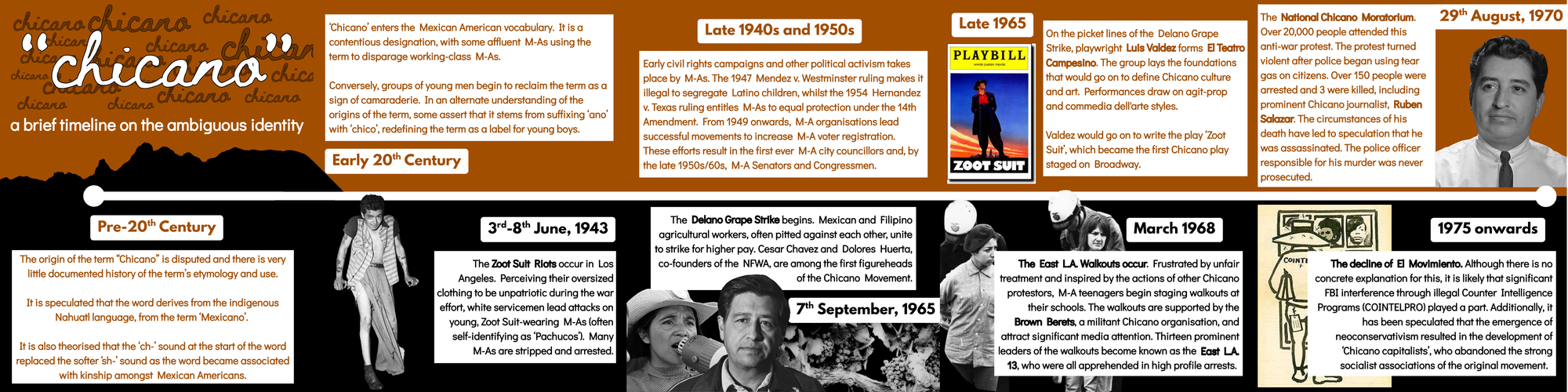
In this absurdist play, Austin aims to put the audience deep into the life and struggles of one of history's most widespread movements. The Chicano Movement was a political and social cause that aimed to fight structural racism and champion the civil rights of Mexican-American people. The goal was to empower, to bring a voice to a people who felt they were being regarded as second class citizens in their own home.
Austin begins the piece with Laurie Morgan playing Woody Guthrie performing his song Do Re Mi. As he strums the notes on his guitar and sings the lyrics of this time-old tune, you find yourself taken away, forming an understanding that the kind of show you’re about to see is far from ordinary and the story is one that is relevant and important to listen to. This brings in our other two actors, Ollie Binnie and Amelie Lamont, who play husband and wife, Arturo and Emilia, respectively.
The story follows Arturo and Emilia after a protest. Arturo is introduced to us as a hothead traditionalist figure. His actions come from a place seeking justice and revenge for his people, who he believes have been wronged. He's shown to us as a man willing to do whatever it takes to prove this. Emilia acts as a direct contrast to these ways in Arturo, giving us a lens into differing views and agencies within the Chicano Movement. Her ideals feel more progressive. She doesn't want to conform to traditionalist values and isn't convinced that directionless fighting for the sake of it is the way to move forward. Still, she is passionate for her people and for Arturo, but their differing views result in them often butting heads. Soon Woody enters the scene. His presence shapes the story by forcing our two protagonists to confront their differences. He does this with an easy-going and carefree attitude that adds a well-balanced level of humour and absurdity that manoeuvres through the tumultuous conflict between Arturo and Emilia, which bubbles up and leads to an explosive final act.
Seeing the story unfold before me, I was hit with a resounding realisation that I knew close to nothing of the Chicano Movement. What I came out feeling was this great sense of the relevance and importance of what they had gone through. There are lessons that can be learnt from the challenges others faced in the past, messages we have forgotten, and ways of applying them to our present times and troubles that can help us achieve what they in their time had tried and fought for.
 Freya Randall
Austin is a new emerging creative in the theatre scene and if you’re looking for fresh, interesting faces with new impactful messages to bring to the stage, then this is a name for you to remember.
The rehearsed reading is now available to listen on YouTube and a feedback form can be found here.
Featured image: Montague Austin
How much do you know about the Chicano Movement?