By Dylan Cameron, Second Year, Film and TV
A month after its release in the US, Nathan Fielder and Lance Oppenheim’s long-awaited You Can See Everything (2026) has achieved the highest grossing opening weekend for a non-concert documentary in UK box-office history.
It’s a somewhat unexpected blockbuster as, while Fielder and Elizabeth Holmes are both certainly recognisable to those in the know, neither are exactly household names in the UK and it’s very rare in any case for a documentary to be such a major cinematic draw. However, over the past week, there has been a question I’ve heard maybe more than any other: ‘Have you seen the new Elizabeth Holmes film?’
To my surprise, even managing to get my hands on a ticket for You Can See Everything was quite an ordeal as, for its opening weekend in the UK, almost every screening in Bristol was fully booked, save from a 10:40am Sunday screening in the Watershed. And, when I arrived, I ended up having to wade through a now-sold-out theatre to get myself a seat.
While I watched, I found myself impressed at how much of a reaction Fielder’s film managed to get out of an early morning audience. The entire theatre was frequently caught in fits of (often awkward) laughter, gasping and hand-over-mouth disbelief. Especially for a typically reserved British audience, this response by itself signals that the film is something quite special. Sat on the bus back home from the Watershed, I couldn’t help but be taken by a looming thought: How on earth am I to review this?
It’s been requested of me to keep this review spoiler-free, which is a task more easily said than done, given that I want to talk about every little aspect that gripped and surprised me, especially during its latter scenes. You Can See Everything is enthralling. There wasn’t a single moment in its three-hour runtime where I wasn’t on the edge of my seat, from the absolutely baffling interactions between Fielder and Holmes, the shift in focus to her husband Billy Evans and the application of the now-perfected Fielder Method in the film’s second half (I'm keeping things deliberately vague with my wording here).
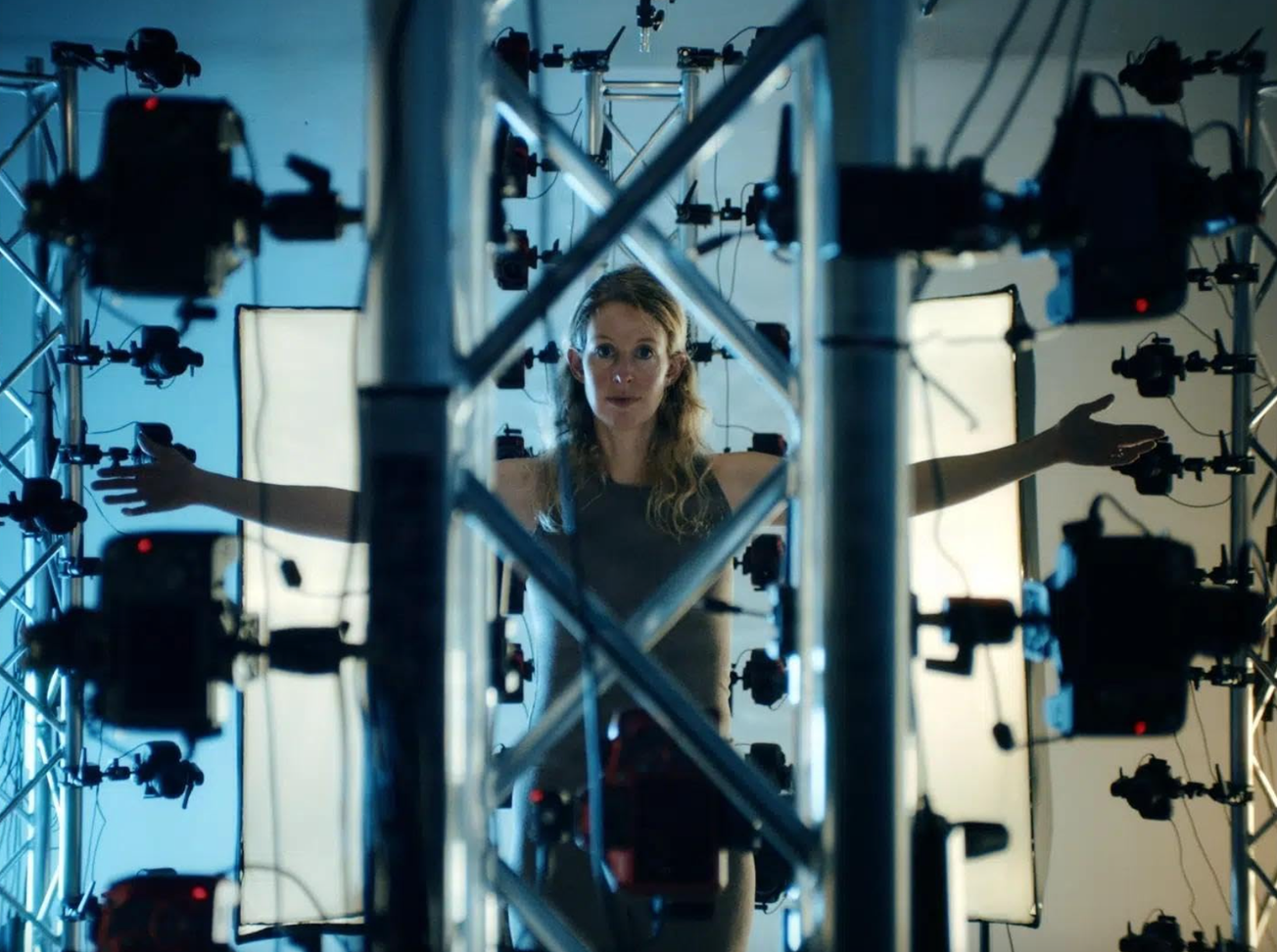
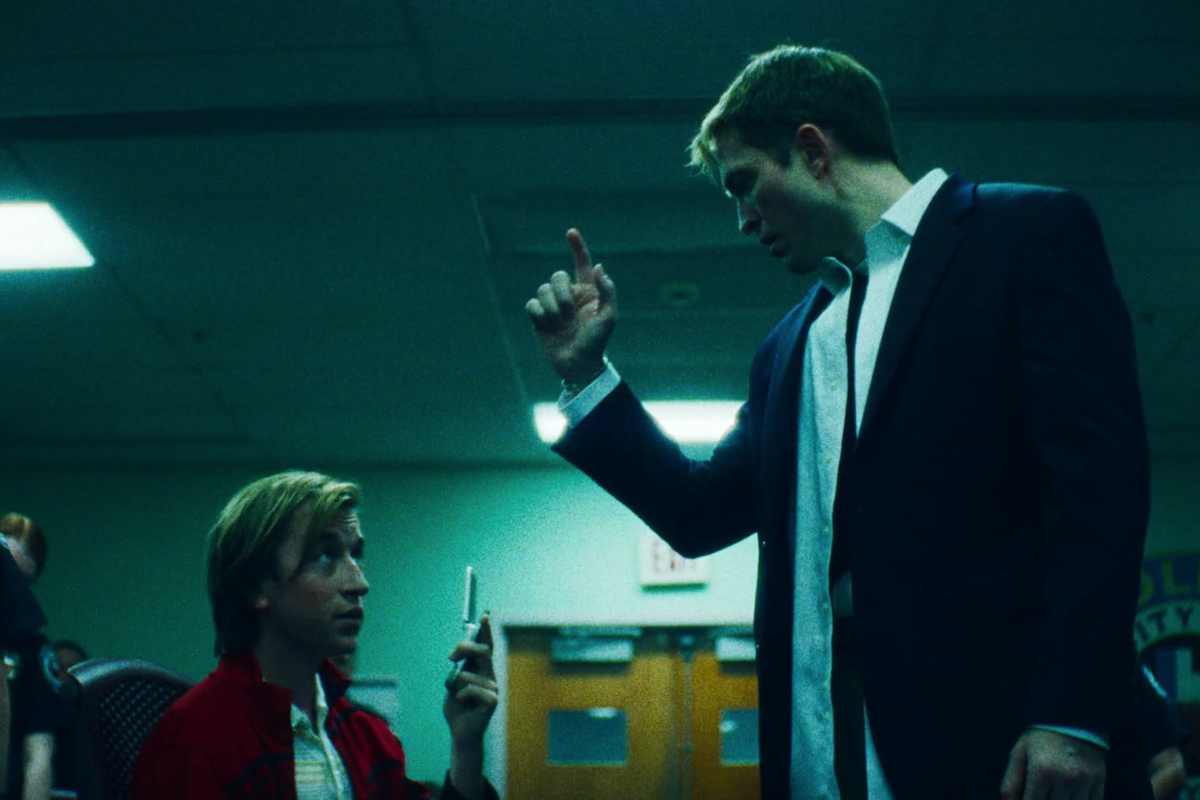
Oppenheim’s direction adds a level of surreality to the already bizarre conversations between Fielder, Holmes and Evans with an abundance of uncomfortably long close-ups that make their home seem almost like a claustrophobic dreamscape. The music by Ari Balouzian (who also collaborated with Oppenheim on Primetime (2026)) is also a standout, pulling you into the film’s strange sense of drama, evoking twisty thrillers such as Hitchcock’s Vertigo (1958).
And for a film ostensibly about Holmes, I was floored with how personal it ended up being to its co-directors. Walking out of the cinema, I overheard a conversation between the old couple who were sat next to me. The woman turned to her husband and said ‘You know, I changed my mind at the last minute. This was a film about Nathan’. Reflecting on this comment shed a light for me on just how perfect of a subject matter Holmes and Evans are for Fielder and Oppenheim since both filmmakers have faced questions about the ethics of their art in the past few years.
Those following this film prior to its release might have come across an Instagram reel directed at Oppenheim which begins by provocatively dubbing him a thief. The video, uploaded by public defender Katie Carter alleges that, while a student at Harvard university, Oppenheimer stole the footage which makes up the bulk of his breakthrough short film No Jail Time (2017) while posing as someone attending a workshop on ‘mitigation filmmaking’.
Fielder hasn’t escaped ethical questions about his work either. Much has been said about the involvement of real, unsuspecting people in his art, such as his show Nathan For You (2013-2017), which, while never mean-spirited, still ultimately treats people as part of a joke they didn’t entirely consent to. The first season of Fielder’s The Rehearsal (2022-) confronts the unintentional consequences of involving real people directly, such as when a child he hires to play his son in the series’ titular rehearsal ends up developing a genuine attachment to Fielder as a father figure in the absence of his own.
It’s not unreasonable to say that Holmes and Evans’ involvements in the film could be subject to the same ethical questions since they joined the project under the pretence that it might present Holmes in a positive light, allowing themselves to share their own side of the story. However, it almost feels redundant to criticise the film for this, considering the reason behind Holmes’ fall from grace. Holmes built a fortune on deception, which had real, devastating impacts on some of the people it affected, including (allegedly) Theranos’ chief scientist, who died by suicide after being deposed in a lawsuit related to the company.
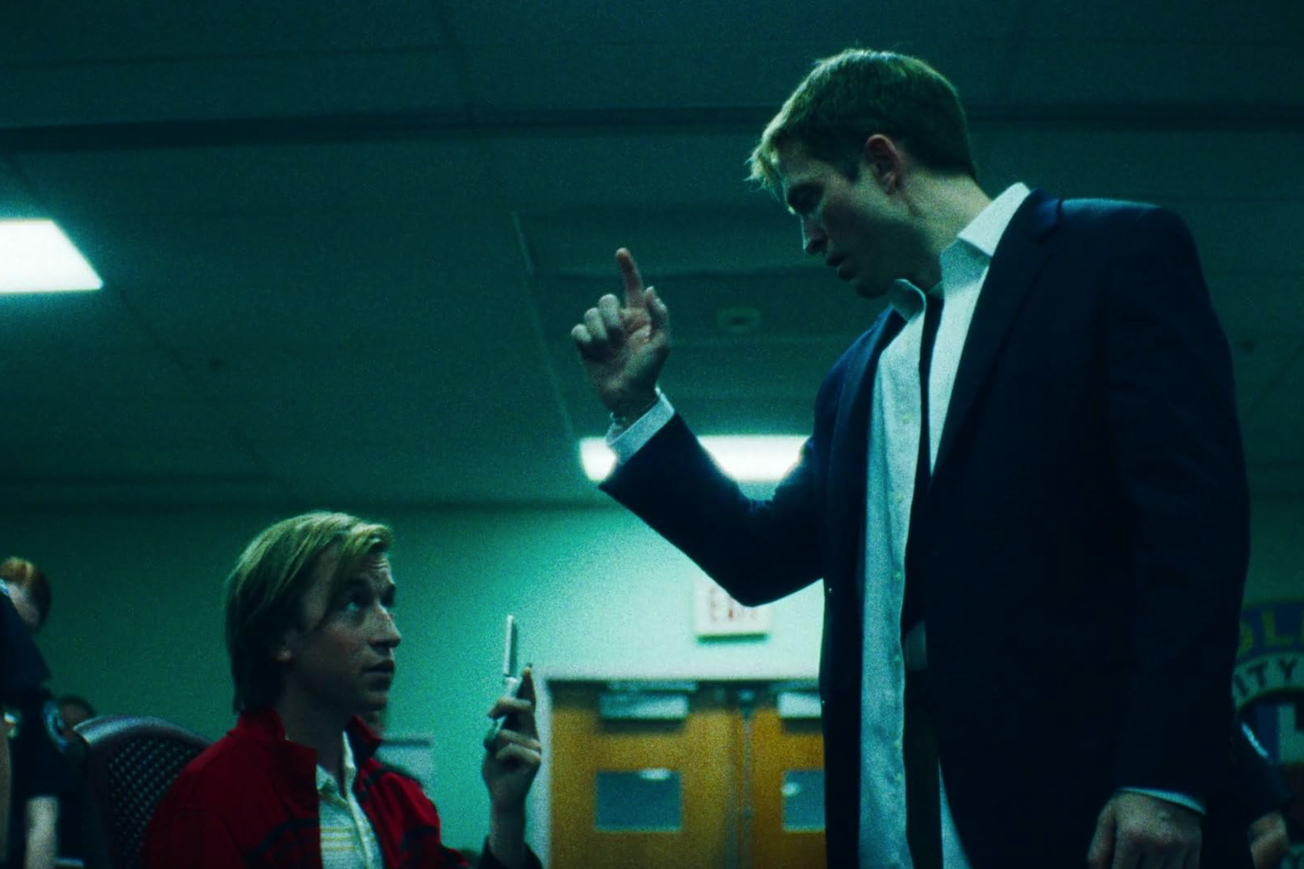
At points in the film, Fielder comes across as the most combative he has been in his career, fighting back against attempts to curate the character of Holmes as a well-meaning, somewhat naïve visionary who has fallen victim to false allegations of fraud by a conniving network of competitors. For someone who has been playing a character his whole career, Fielder is an unlikely but effective foil to the front Holmes tries to put up. He has faced criticism for giving Holmes and Evans the platform to speak without pushing back at them effectively but I think looking at You Can See Everything from that angle misses the point of the film entirely.
 Luca Woodruff
Much has been published about Holmes’ crimes and the subsequent fallout with countless articles, exposés and documentaries highlighting her manipulative nature and confronting her criminal actions. After all, she is currently serving an 11 year prison sentence. You Can See Everything is something much more interesting. As the film goes on, it becomes clear that Fielder feels a certain fondness for the person he spend over a month with, perhaps seeing some of himself in her. There are points where it is unclear whether either party is playing up a persona and the dynamic this creates is fascinating to an almost hypnotic extent.
This film will hold up beyond the scandal of Theranos as a bold and uncompromising piece of filmmaking: one that explores the themes of truth, control and representation in a manner that will be talked about and dissected for years to come.
Featured image: IMDb / You Can See Everything
Have you managed to catch You Can See Everything yet?