
By Emma Coleman, Co Editor-in-Chief
We all have that fear that you will fall out with your housemates and be stuck living with them for another year, confined to your room and avoiding awkward kitchen encounters. Well, with the introduction of rolling tenancies in the Renters' Rights Act (2025), luckily (or unluckily) you can now leave.
Epigram has already discussed the benefits and drawbacks of the introduction of the PRS (private rented sector) database. Another, and potentially more concerning, outcome of the Renters’ Rights Act (2025) is the rolling/periodic tenancy. The Ministry of Housing, Communities & Local Government have outlined changes to fixed terms, stating ‘All tenancies will automatically become rolling tenancies from 1 May 2026’. The impact of this is your landlord can no longer set a fixed end date in your contract, and you can end your tenancy by giving two months of notice. Even if your current tenancy has an end date, it will no longer apply.
 Disha Angadi

This immediately comes across as an incredibly promising change for student renting for a number of reasons: if you drop out or have a falling out with another member of your shared house, you can end the tenancy. Financially, this can save you a lot of money and stress because you won’t end up having to pay two lots of rent if you choose to move elsewhere. On the flip side, if you decide university isn’t for you, or that Bristol isn’t for you, you are free to leave your house and move wherever else your heart desires, without wasting thousands of pounds.
We all know student properties typically have a lot of issues such as mould, poor upkeep, negligent landlords and the list goes on. Often what we get is not what we’re sold. This is another reason why you might want to leave your property before the end of the academic year, in search of somewhere that won’t give you a recurring chesty cough. All of these reasons for why you might want to move out are completely valid and now possible without massive financial loss. Rolling tenancies might save your university experience.

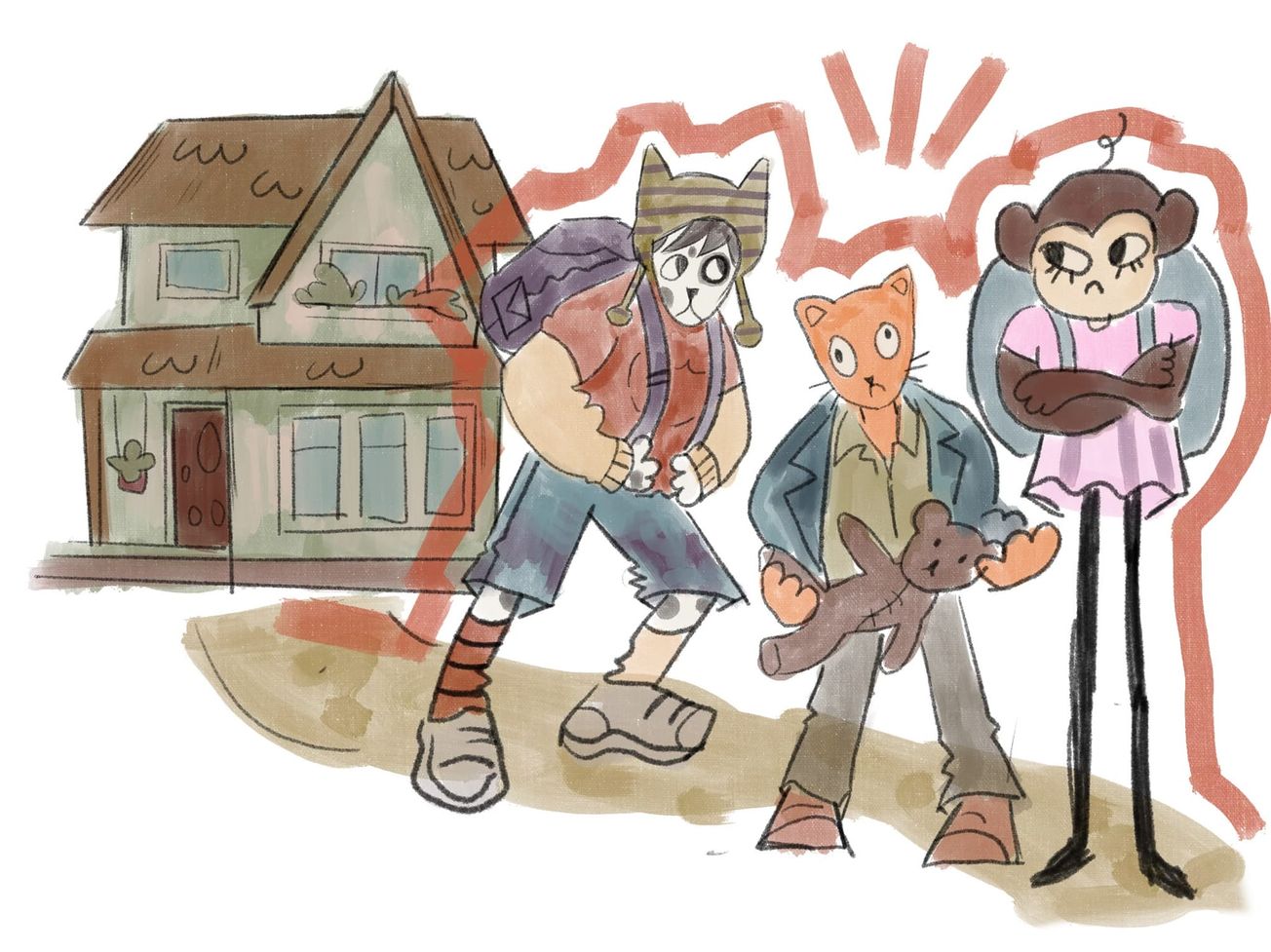
The problem is: shared houses. What if you don’t want to move out, but someone else does? It goes without saying that one individual cannot move out, end their rent payment, while the rest of the student tenants can stay for the same price. Obviously not. In my experience I have had friendship breakups that have been fixable and those that very much aren’t, but what if this new law causes someone to make a rash decision? I also know the feeling of homesickness all too well, even in my third year at Bristol, and this makes dropping out far more accessible. The removal of this accommodation barrier could push students back home much quicker.
So, can one person’s decision to move out cause the tenancy to end? Yes. As Remedy states ‘On a joint periodic (rolling) tenancy, a notice to quit from one joint tenant ends the tenancy for everyone on the agreement. The others do not get a say, and the landlord does not need to agree’. Yet Remedy notes a landlord may want to keep the remaining tenants under a new contract, which would consist of finding a replacement tenant or the current tenants covering the lost rent. Both of these options present incredibly stressful situations, when this could happen right before your exams, within the last three months of university, or on your first night.
Rolling tenancies if you live in a studio apartment make complete sense as your decision will only impact you. We must also acknowledge rolling tenancies for shared properties does allow a level of freedom for student renters and, if your landlord is ignoring the problems within your home, you can now fight back with a unanimous group decision to leave. However, this creates a new fear of being made to end a tenancy because of one housemates’ decision. This forces an unexpected entrance back into the student renters market, a terrifying and exhausting place that we all only hope to be in once a year for the duration of your time at Bristol.
 Chiara Shuman

 Katie Jones

So, my advice is don’t have one argument with your friend and consider moving out. Try to sort out friendship disagreements first as I promise looking for another house will likely be more taxing than an apology. Also, if you are the person that wants to move out, speak to your housemates immediately about it, and give them the (unofficial) notice they deserve before speaking to your landlord.
Note: this excludes severe incidents where your safety or mental health is at risk by another member of your house.
Featured image: Epigram / Romina Treviño
Has the introduction of rolling tenancies affected your student renting experience?