

By Ashleigh Setterfield, Third Year, English
I’m sure you can picture it. It’s year ten, Friday afternoon, last lesson, and it’s PE. You’ve survived the lunch queue, your boyfriend has broken up with you (for the fourth time this week), and your friends have suddenly decided they hate you. Now it’s netball. Two girls are already fighting over wing attack, and the only bib left is goalkeeper. Despite secretly loving netball, you leave it to the popular girls who roll their eyes at being on your team. The boys finish their football match early, just in time to laugh at the sideline as you miss an interception, shouting ‘that was so easy,’ ‘this is why I watch basketball.’
It sounds cliché, but I have heard every variation of this story, whichever team I was on. So how has a sport played by millions of women become such an easy target for ridicule? This isn't merely harmless banter, it reflects a wider cultural tendency to infantilise women’s athleticism and competitiveness. The netball captain is branded ‘cliquey’ and ‘bossy,’ whilst the captain of lunchtime five-a-side football earns the respect and social approval. Female leadership in sport is systematically criticised where male leadership is comparatively praised. So why are women judged differently? When did netball become a personality flaw?
To understand this stigma, we need the history. Netball emerged shortly after the invention of basketball in 1891, and the rules adapted for women under the restrictions of late nineteenth century femininity. It was designed as a ‘non-contact’ sport, reinforcing behaviour considered appropriate for women. As feminism has shifted social norms, the sport has changed too. Today, it is fast, physical (outside of the umpire’s eye), and demands quick thinking, with players rarely standing around with the ball, let alone for more than three seconds.

That association with femininity has contributed to the sport’s treatment as a lesser athletic pursuit. Despite netball being the largest women’s team sport in the UK, with more than three million women and girls playing annually alone, even professional players are unable to make a living from it. Netball Super League (NSL) players train around full-time jobs due to a lack of funding and revenue. Although, since 2025, NSL bosses have been pushing for games in bigger arenas, hoping to raise the revenue needed to increase player’s wages by at least 60 per cent. About time!
Given its history and its real-life consequences, the idea that netball ‘isn’t a real sport’ seems to sit alongside the same misogyny that undervalues female-dominated industries. Misogyny is often misunderstood as blatant hatred of women, when it is more often dismissal, belittling, and exclusion. It can also come in the form of boys sneering from the side-lines of your netball match shouting ‘this is rubbish.’ Or it can be as subtle as the ‘pick-me’ trope, which teaches women from a young age to distance themselves from activities like netball to win social approval.

Beyond the stereotype, I surveyed players from my own team and others in The University of Bristol intramural netball. All respondents to the anonymous survey said they had experienced people dismissing netball as an inferior sport, particularly in comparison with male sports. When asked what people most misunderstood about netball, they said:
‘People assume we are all the stereotype, but I’ve met my best friends at netball. My personal experience is I have known people who fall into the stereotype, but the majority don’t.’
‘I think that because it is a female dominated sport, society sees it as easy or weak - particularly because people are injured less frequently than in many male dominated contact sports.’
When asked about any personal anecdotes, they responded:
‘I remember going to the commonwealth games in 2022 with my parents and they were shocked at how rapid and smooth the play is, we get unfairly trodden down because it’s a girl sport.’
‘People assume because it's not broadcast on the main channels or played in the Olympics that professional netball doesn't happen.’
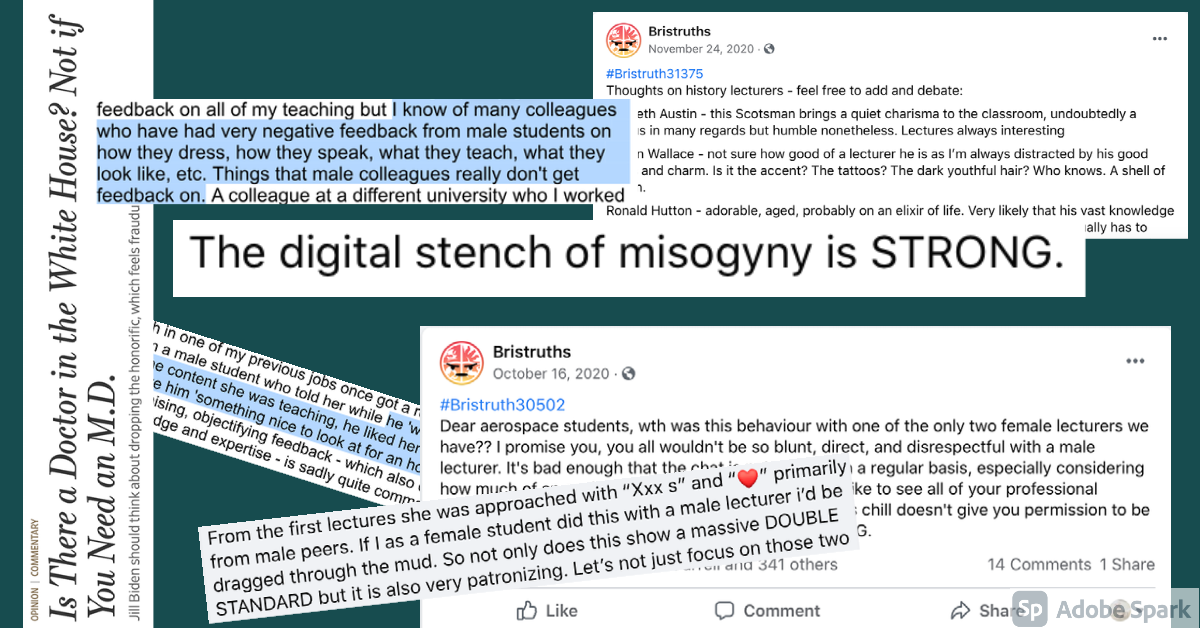
So, why does this all matter? The problem extends far beyond the court. From women’s football to Pilates (a topic for another day), there’s a reoccurring tendency to devalue what women enjoy, particularly physical activities in female-centric spaces. Research at Loughborough University and its partners have highlighted the relentless misogynistic online abuse aimed at women and girls in sport. This online violence has been intensified by social media platforms, which has dismantled careers and pushed women out of sport altogether . Then came the recent outrage over Made in Chelsea stars Melissa Tattam and Ruby Adler stating, ‘My girlfriends all sign up to play f***ing netball after work and I’m literally like – We literally don’t have to do that anymore, we left school ten years ago,’ Adler following with, ‘We’ve all got free will, and you’re using it that way to go play netball?’ With content like this flooding our TikTok and Instagram feeds, it’s no shock that young girls are put off sport, or that they ridicule others as a result.
Why are we so quick to ridicule the very things that bring women together? We should spend less time questioning why women love netball, and more time questioning why society has such a problem with it. After all, what's so wrong with being a netball girl? We're strong, we're determined, and unapologetically competitive. Maybe the problem was never that netball girls were too much, but that society expects too little of us.
 Nel Roden

 Freya Scott-Turner
Featured Image: Netball Game | Epigram / Ashleigh Setterfield
Do you think netball girls are particularly demonised?