By Lottie Merchant, Film and TV Deputy Editor
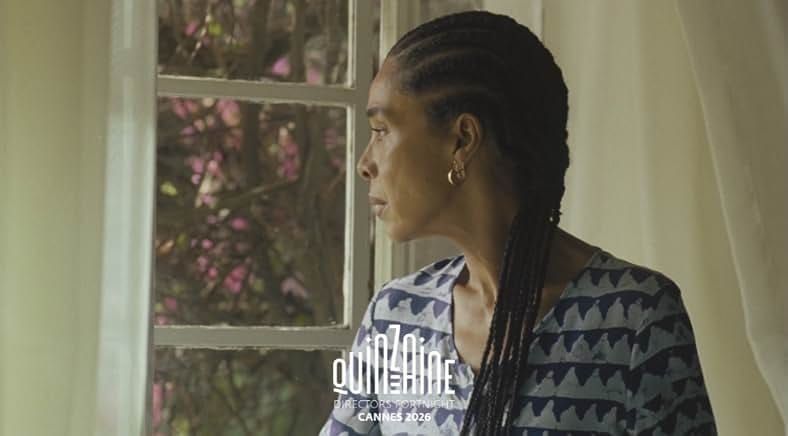
Arie and Chuko Esiri’s Clarissa (2026) is a melancholic and beautiful adaptation of Virginia Woolf’s Mrs Dalloway. This adaptation moves in a dreamlike fluidity between present-day Lagos and the pastoral Abraka in Southern Nigeria, thirty years prior. The film effectively explores the original themes of Woolf’s text alongside complications surrounding decolonisation, through the Nigerian backdrop.
Why Mrs Dalloway, and why modern-day Nigeria?
Woolf’s novel is a landmark of modernism, a literary form that acts as a framework to navigate the trauma that followed the first world war, typified by fragmentation and temporal displacement. The Esiris translate that framework into a visual medium with real success. The dreamlike montages mirror the fractured, associative movement of Woolf’s prose, while long takes make time feel palpable, so that we sit inside the slow weight of the day as Clarissa does.
Setting the story in Nigeria is a clever choice, and the film is rich in its implications of neocolonialism and class. This is most overt in the disparity between Clarrissa’s elegant, gentrified world and the trauma and poverty of Septimus’s. His introduction in a dusty, polluted room externalises his torment through the suffocating visual effect of the dust particles. The Esiris draw attention to Nigeria’s socioeconomic problems throughout the film. I particularly enjoyed when they presented us with a tranquil, peaceful garden centre that is violently interrupted by the sirens of police cars. More broadly, the lush green expanse of Clarrissa’s world is constantly put in tension with the claustrophobic traffic-clogged poorer parts of Lagos. The gulf between the super-rich and everyone else, is felt rather than stated.
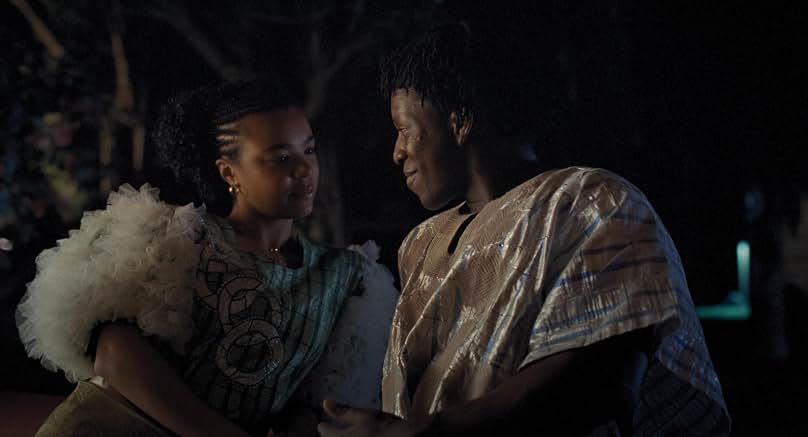
The use of flashback is also extremely effective and subtle. I personally dislike when filmmakers orient the audience with explicitly stated titles. Instead of putting on screen ‘Abraka 1990s’, the film relies on the viewer to pay attention and think critically. The flashbacks are clearly demarcated: the screen fills with more colour and youth, names of the younger cast are established early on, and the costuming is clearly drawing on nineties fashion. These scenes capture the carefreeness and hope of early adulthood very well.
The film traces Clarissa’s disillusionment. She is nostalgic for the past and the years have hardened her, a quiet erosion that culminates in her admitting to Peter at the end of the film that she doesn’t always like her life. The flashbacks sharpen this. In Abraka, the young Clarissa stands up for her father’s staff when he is harsh and cruel to them, and while I wouldn’t consider older Clarissa cruel to her own staff, there is a very apparent power-dynamic there, and it is hard not to measure the woman she has become against the girl who once spoke up.
Conversely, the film also explores how Clarissa isn’t extremely political, and she never was. Her sympathy was always the sympathy of someone secure inside the system, which makes her an interesting vehicle for the films reflections on class and the lingering structures of colonialism. It was Sally (Ayo Edebiri) who was always the more radical one, who says over dinner that taking your husband’s name is regressive, or in her words a kind of death of identity. This idea is reflected in the film’s title. Calling it Clarissa distances her from the patriarchal power of the surname “Mrs Dalloway” and gives her back an identity that exists separately from her marriage.
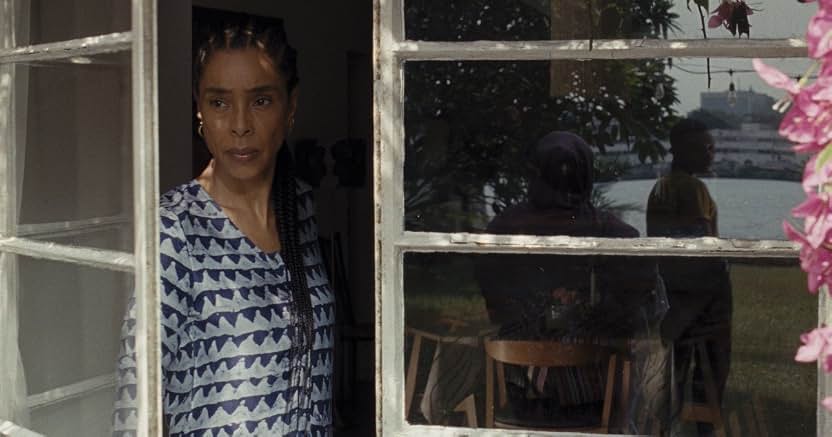
The performances are also great, and I found the portrayals of Woolf’s characters to be sympathetic all round. I found Peter (David Oyelowo) particularly moving, and his scenes with Clarrissa were so affecting. I even found dull old Richard (Jude Akuwudike) endearing. Ayo Edebiri is enchanting as Sally. She adopts a more subtle, understated approach to a character that, when I read the book, I found to be more vivacious and even a bit abrasive. The film also plays into the homoeroticism that is only faintly alluded to in Woolf’s novel, which gives the relationship between Clarissa and Sally an extra tenderness. Sophie Okonedo’s portrayal of Clarissa is enigmatic, she gives performs a woman who keeps a great deal of herself hidden. The close ups of her face when she sees Peter and Sally are so moving: her expressions seem to reveal more to us than any dialogue could.
 Lottie Merchant
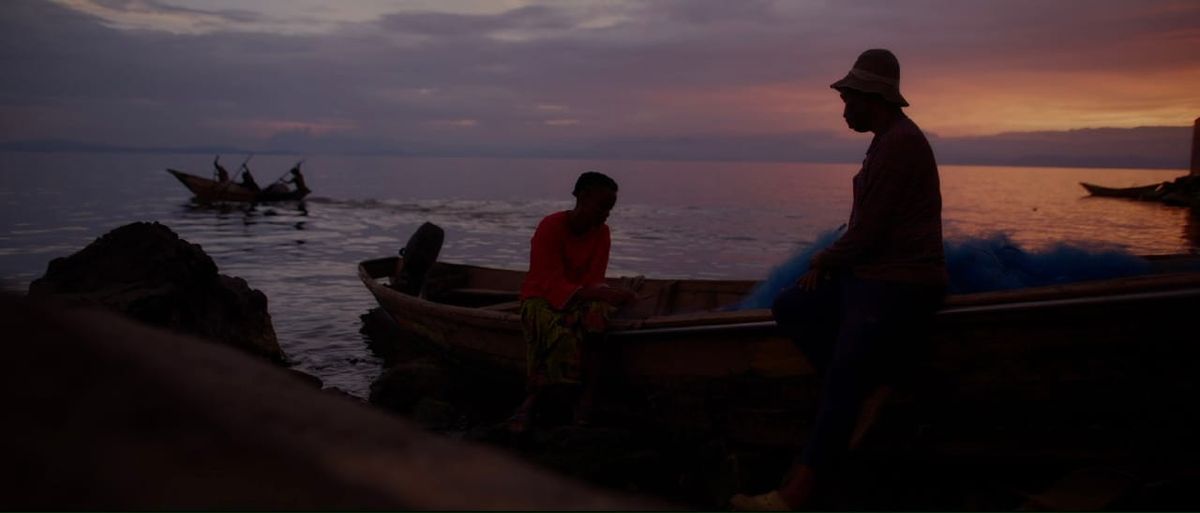
The Esiris’ adaptation of Woolf’s text is a melancholic meditation on nostalgia and relationships, themes that are already apparent in Mrs Dalloway. What elevates the film is how the contemporary Nigerian backdrop draws out aspects of the text in new and creative ways. Woolf’s modernist preoccupations with trauma, memory and class take on fresh urgency in a country still living with the after-effects of colonialism.
Featured image: IMDB/ Clarissa
Will you see Clarissa?