
By Finn Wastnage, Second Year, Politics and International Relations
Following the hottest summer ever documented, with the heat reaching heights of 38.5 degrees Celsius, there are often conversations about the effects of climate change and the implications for the future. Will all the icecaps melt? Will we extinguish as a human race? What will happen to sport? Luckily for you I am not a scientist, or a geographer for that matter, so I will only be answering the latter.
The term climate change itself is defined by the US environmental protection agency as ‘significant, long-term changes in temperature, precipitation, wind patterns, and other climate indicators over decades or longer’. Whilst the United Nations Convention on Climate Change (try saying that 3 times fast), or commonly known as the UNFCCC, emphasises that these changes are anthropogenic, meaning they are caused by humans, mainly fossil fuel usage. As this process accelerates, the impact it has on the sports we love is becoming increasingly more prominent, and increasingly less avoidable.
One of the most direct ways that climate change is impacting the sports we love is through extreme weather conditions. In 2020, Tokyo hosted the Olympic Games, and temperatures soared to 34 degrees Celsius, with humidity reaching 70%. This was later declared the hottest Olympic Games in recorded history.

What happened as a result? Spanish player, Paula Badosa, collapsed due to heat exhaustion and had to be taken off in a wheelchair; Russia’s Danii Medvedev needed two time-outs in his quarter-final match, and Kazakhstan’s Zarina Diyas retired during a match due to the intolerable heat.
The worst part? These three examples were just from tennis.
There were several more cases of exhaustion and heat stroke in that Olympics, and Japan is not the only country being affected by extreme weather; During the Australian Open of 2020, huge wildfire smoke engulfed Melbourne, causing players to play in extreme and utterly hazardous conditions, with Dalia Jakupovic collapsing and being forced to retire. Additionally, a bit closer to home, the Zurich marathon was cancelled in 2024 with less than 24 hours notice, due to forecasts predicting intense wind speeds, exceeding 74 mph. Again, in June 2023 many Major League baseball games were delayed or postponed, due to dangerous air-quality, caused by smoke.
Even the president of World Athletics, Lord Sebastian Coe, has come out and acknowledged the impact of climate change, stating ‘It’s on our doorstep’. This is in response to The World Athletics’ estimation that 3/4 of athletes have been directly impacted by climate change.
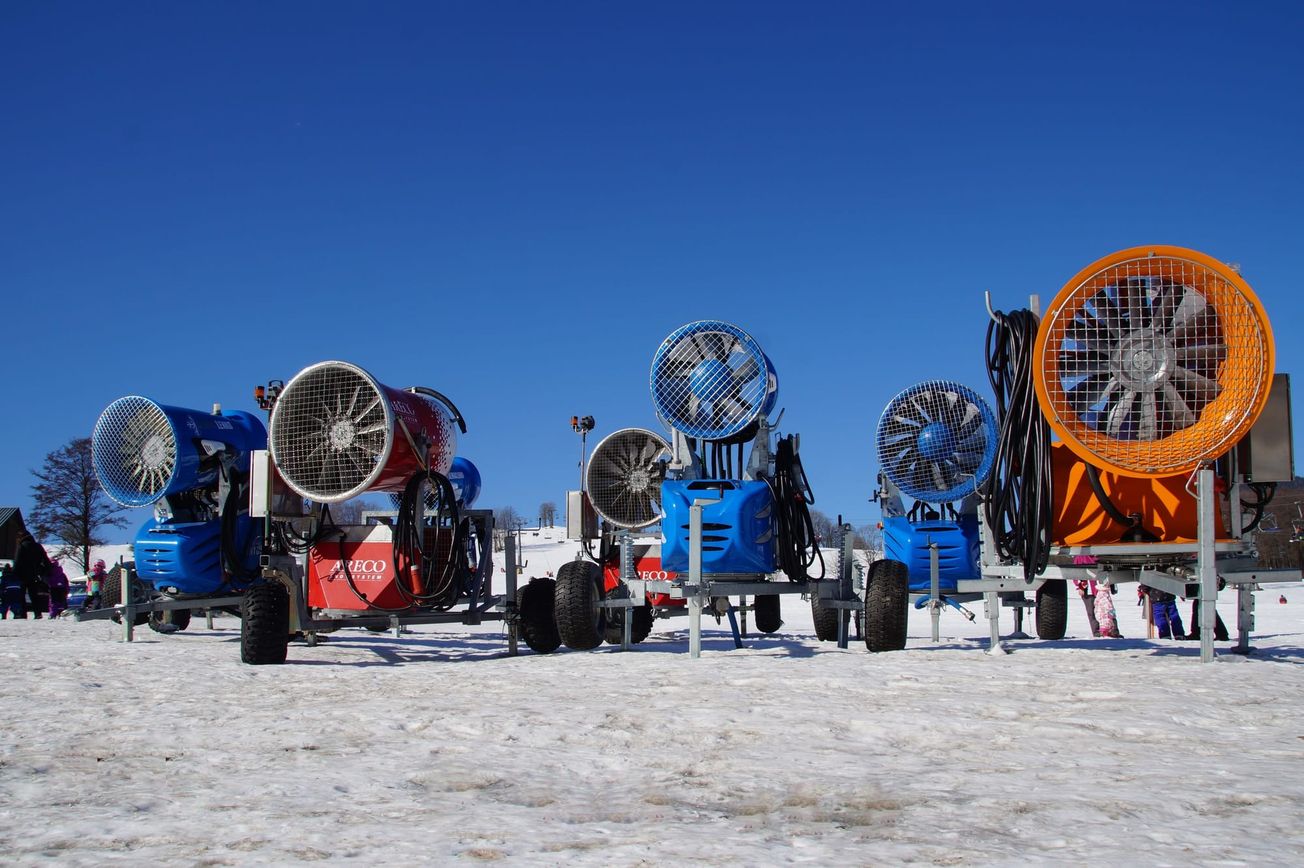
The future of professional sports must also come into consideration. A recent study by the University of Waterloo projects that only one of the 21 cities that hosted the event in the past 100 years will have a climate suitable for winter sports by the end of this century (Sapporo, Japan). This relevance is highlighted by the 2022 Beijing Games, where organisers had to team up with Italian manufacturer TechnoAlpin just to produce enough artificial snow. Unfortunately, manufactured snow is notoriously unpredictable, making conditions far less reliable for the athletes. On top of this, frequent snowstorms in Beijing caused the cancellation and postponement of many events.
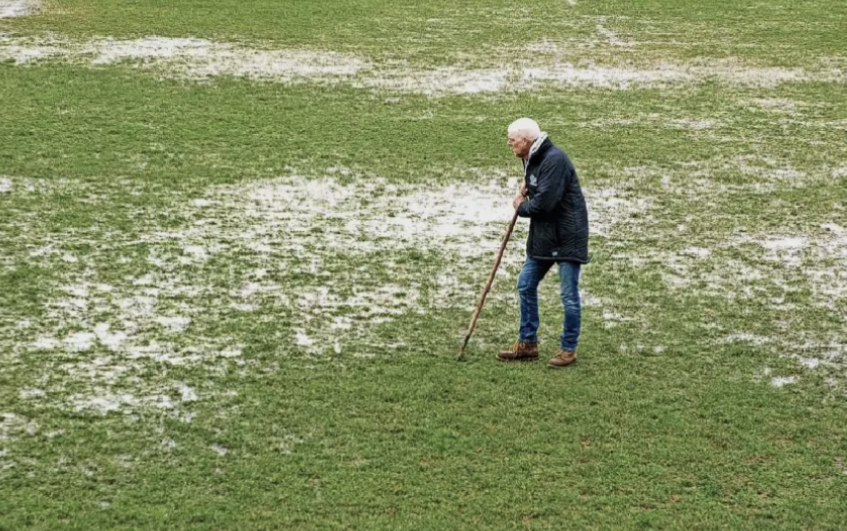
It is not merely professional sports that feel the impact of climate change, it extends to us amateurs too. In the UK, winter rainfall has increased by more than 15% since 1990. The effect of this is evident in 2020 as 62,500 amateur football matches were cancelled or delayed in 2020 due to weather impact. For you skiers out there, lower-altitude resorts in Europe and North America are shutting down due to a lack of reliable snow cover. For the ones that do, they spend millions each year on snow-making technology, further inflating the price of a ski season in the Alps which has already increased by 35% since 2015.
Now, if I had a penny for every time I was ready to play football at Clifton Downs, just to find out the pitch had been waterlogged, I would have at least 10 pennies. It’s not just football at a university level that is being affected, extreme heat increases cardiovascular strain, damaging our track and field team. And, more funding may need to be directed towards energy and repairs on our sports complexes, increasing the price of use.
Climate change is also affecting the means in which the sports we love are played. Measures introduced to combat the extreme heat in the Doha World athletic championships meant that the marathons were run at midnight, and even that many athletes complained about the extreme conditions. In addition to this everyone remembers the drinks breaks introduced in this summer's World Cup. Many argue they effectively split football into quarters, changing the complete dynamic and fluidity of the game.
Some countries are actively leading on climate change, such as Paris in the last Olympics, who committed to a sustainability strategy. This meant that they used 95% of facilities already built and managed to reduce carbon emissions an astonishable 54.6% compared to previous editions. Many hope this pattern continues until the LA Olympics in 2028.
But, climate change shows no signs of slowing down, and we are very quickly heading towards an irreversible future. Unless significant action is taken and quickly, sports as we know them now may become a thing of the past.
But at least we can grow sparkling wine in England now, right?
Featured image: Pexels / Iva Balk








%20sports%20and%20sustainability%3F)