By Edward Wallace, Sports Editor
Ore Salu was smiling before I had sat down. "Come to anything," he said. "Honestly, anything." It sounded less like an invitation than a standing offer, and the Vice-Captain of the African and Caribbean Society (ACS) Sports had clearly made it many times.
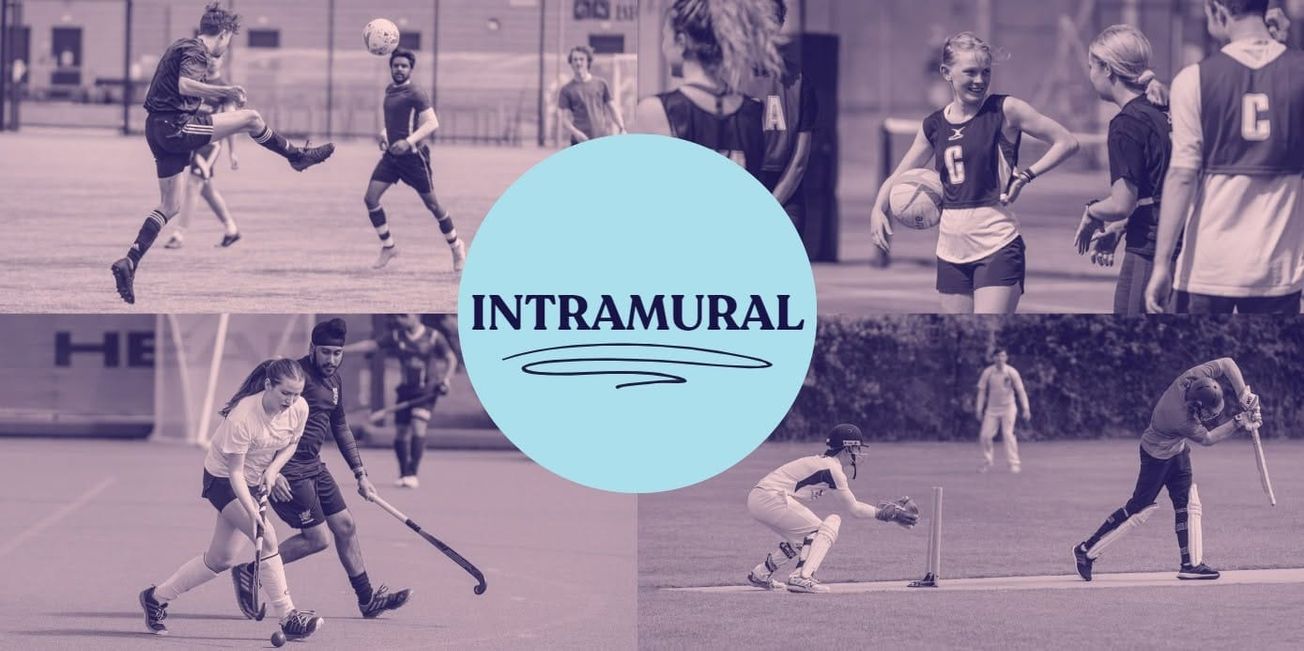
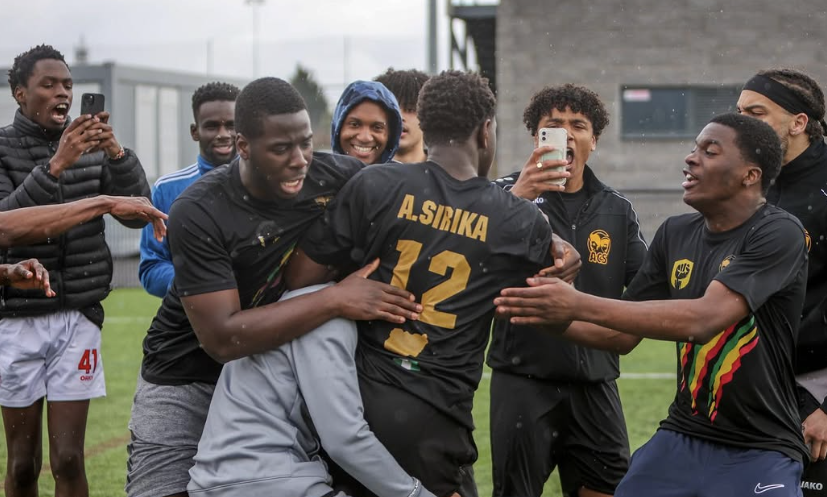
Anything, it turns out, covers a lot. Now in its seventh year, ACS Sports runs a netball team, a running club and a football side, and it enters the intramural leagues. Last year ACS managed to win the football. Around the fixtures sit a trail run on carnival Sunday, a one-on-one football tournament with a Caribbean twist, and games nights built so that everyone can walk in and find a seat. Membership is free. Kit is optional. Nobody has to be good, and nobody even has to play.
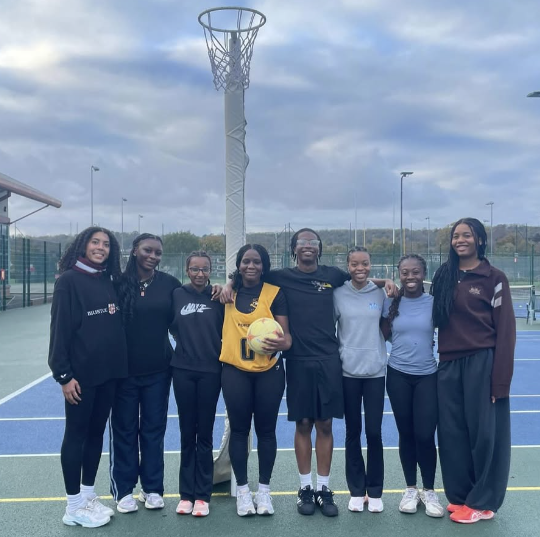
Ore's own way in was a football pitch. "I played ACS football in my first year," he said. "I was an international student, looking for a community." At a university he described as predominantly white, support did not arrive ready-made, so he went looking for it and ended up helping to run it.
The league title was the obvious highlight, but he spent longer on how the season began. The team lost its opening match 3-2, and the loss barely dented the mood. "It's not all about competition," he said. "It's more about the friendship." ACS cannot match the squad sizes of academic teams and larger societies, and it does not pretend to. It is a cultural society that plays sport, not a sports club with a cultural badge.
The calendar has a more solemn entry too. The Olisa tournament honours a former member who died by suicide, and it draws in the society, the university football club and alumni. A pitch is an unlikely place for grief, yet for a few hours it becomes somewhere a name is spoken, and a community remembers on purpose.
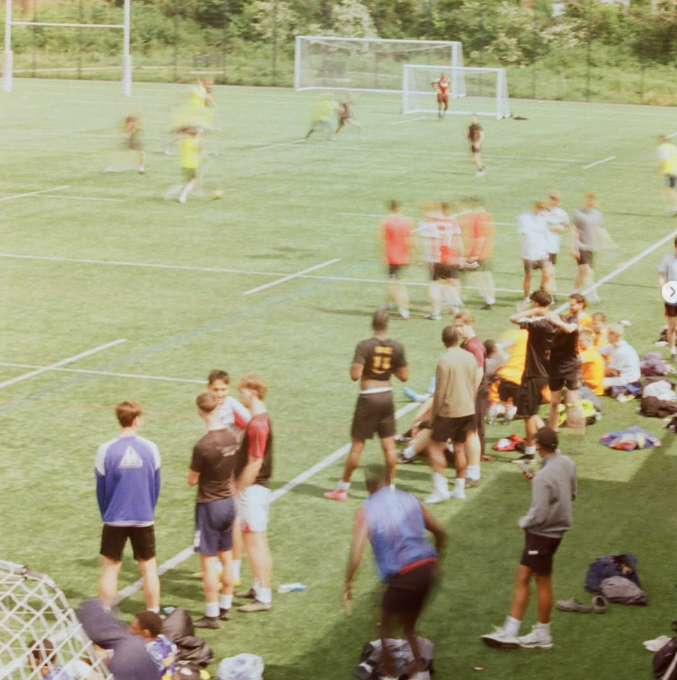
To the curious but nervous, Ore was direct. The society is "super non-competitive". You do not need to be sporty, and you do not need to be African or Caribbean. There is no discrimination, and international students and home students mix freely. Most people first meet ACS through its netball, and he liked that fact.
Look past the touchline, though, and the society begins to carry more weight than a fixture list suggests.
Black History Month has run in Britain every October since 1987. This is the 39th. The 2026 theme is “Honouring Our Communities”, which asks us to look at the ordinary people who hold a neighbourhood together, rather than the names already on the posters. The trouble is that ordinary work is often the first thing to be forgotten. Bristol should know. In June 2020 the Colston statue went into the harbour and the whole country seemed to be talking about this city. Organisations put out statements and made pledges. Six years on, it is hard to point to much that lasted, and I suspect many of the people those pledges were aimed at would agree.
That is where a society like ACS earns its keep. It has no campaign month. It turns up week after week and keeps the food, the music and the in-jokes going for people who would otherwise have to explain them.
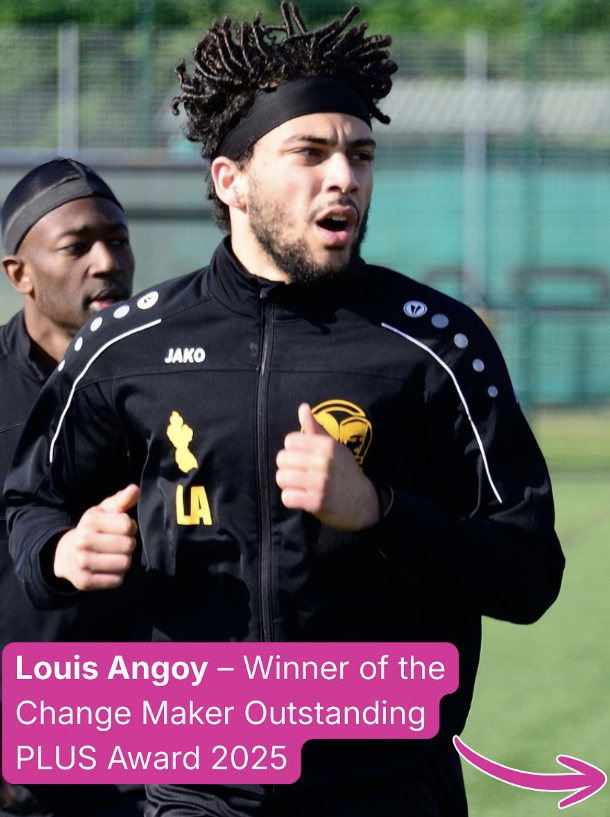
It matters more this year than most. Since March 2nd, anyone granted refugee status in the UK receives 30 months of leave instead of five years, followed by a review. Settlement now takes 20 years. The government says the change will put people off dangerous crossings. Refugee charities say it leaves families unable to plan beyond the next review. Reasonable people land on both sides of that argument, but only one side has to live with the result.
The mood in Bristol has hardened with it. On August 8th roughly 150 people took part in an anti-immigration march through the centre, met by about 300 counter-protesters. Around 300 officers kept them apart. Ten arrests followed.
Now imagine you are 18 and have just landed from Lagos or Kingston. You are watching this on your phone in a halls kitchen, and you do not know a single person in the city. Or imagine you are a refugee with 30 months of paperwork in your pocket, reading the same coverage and knowing it is about you. Then a message lands in a group chat: football, everyone welcome, no experience needed.
It sounds small, and it is small. But a person with somewhere to be has somewhere to belong, and in a city this on edge that counts for a great deal.
Ore wants more of it. He hopes to grow the society, build stronger ties with alumni and bring in black-owned business sponsors, so the next cohort starts with more than he did. Above all he wants a seat for everyone, including whoever is not playing.
ACS lost its first match 3-2 and finished the season as league winners. Ore admitted the people mattered much more than the score-lines, a message that should be carried throughout wider conversations.
Featured Image: Instagram / @bristolacssports