Luxury is a confidence trick that everyone involved in has agreed not to mention, and the diamond is a founding example. In 1947, De Beers gave a rock four words: “a diamond is forever”, and a mere mineral became a promise. Lab-grown stones are now chemically identical to mined diamonds and cost a fraction of the price. The stone itself has never changed; we are paying for the sentence.
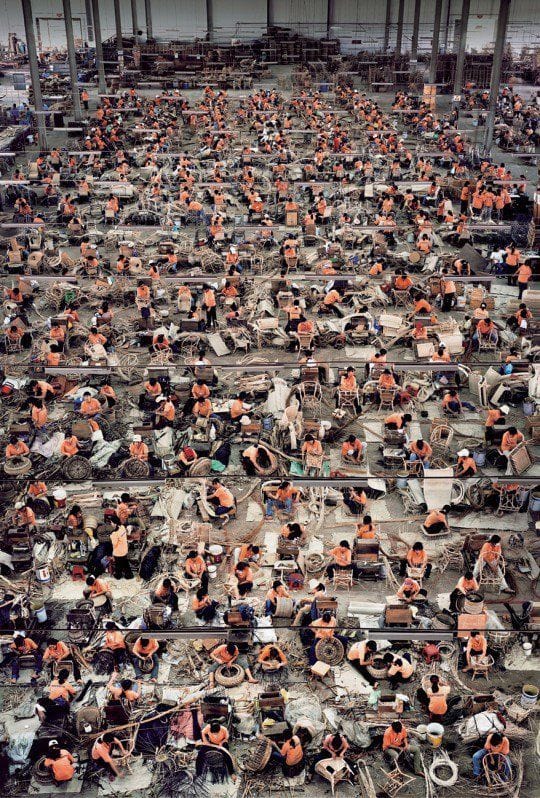
Fashion took notes. Milan prosecutors alleged in 2024 that a supplier charged Dior as little as €53 for a bag that retailed at €2,600, in workshops where staff were reportedly overworked and underpaid. Dior itself faces no criminal probe, and it disputes the reporting, saying its margins are in line with the luxury industry. Even so, the gap is difficult to unsee. Whatever fills the rest of that price, it is hard to call that craftsmanship. Rather, it is the cost of making you believe that the bag is rare, and of ensuring you feel lucky to be allowed one.
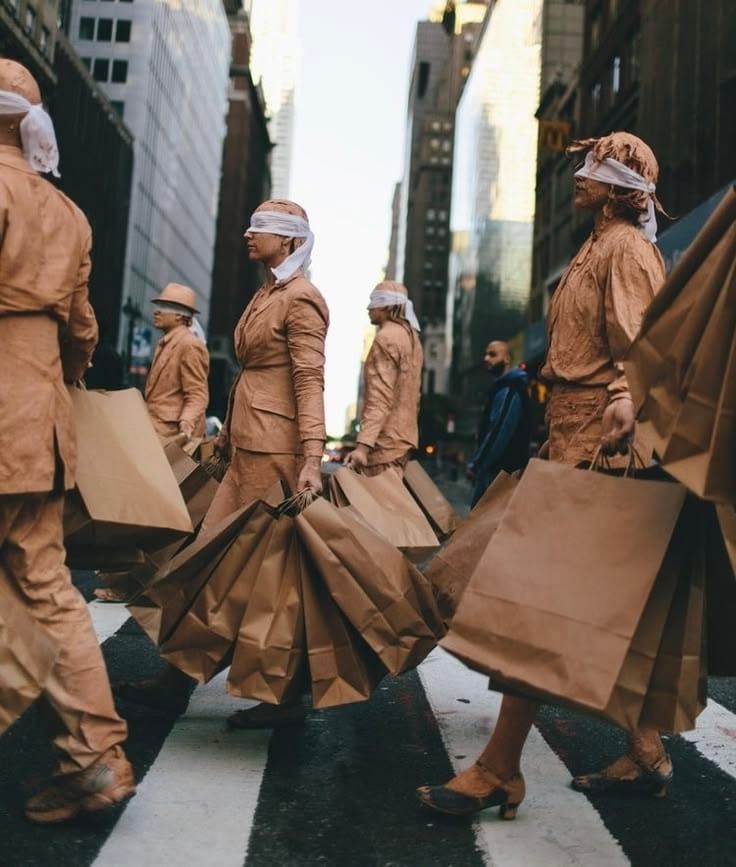
The Birkin bag is the perfect piece of theatre. Money alone is not sufficient to purchase one, you must first prove you deserve it. A waiting list, a purchase history, a sales assistant deeming your worthiness over a lone glass of sparkling water; it is scarcity as a performance piece, and we cough up extra for the privilege of auditioning. I would argue that no other industry gets away with charging customers for their own humiliation and dressing it up as desire.
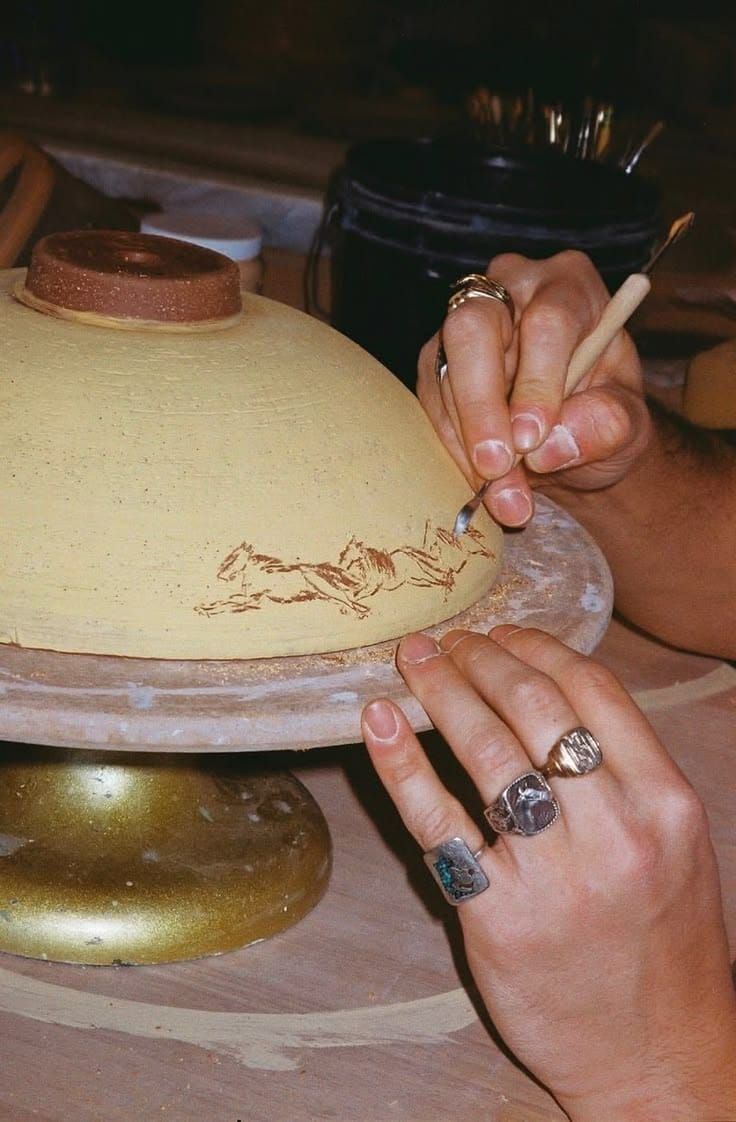
Meanwhile, the people who actually make the product are filed differently. The French call them petites mains, small hands, a phrase that somehow manages to be simultaneously affectionate and dismissive. When a designer signs the jacket, it is art. When someone else’s fingers produce it, it is labour. The label gets the museum retrospective and a hardback coffee table book. The hands get a subcontract and, if the allegations hold, a long shift.
The tempting response is to fold; to stop buying in and let the whole system go on without us. An easy out. Yet it is weaker than it sounds. Second hand now has its own pecking order, where the right vintage label does the work a logo once did. Owning almost nothing has become an aesthetic with a considerable budget behind it. Even the £40 dupe, which openly ignores the rules, is still queuing for the same fantasy. Walking away from the table gets you a seat at a different one. After all, refusing to play is easiest for the people who were never short of options.
So I will not pretend to be above it. I have stood in a fitting room and wanted something purely because of what it said about whoever wore it. That is the point of the trick: it works on people who know about it.
The answer I trust is the one I can hold. The jacket I inherited from my grandmother, the one I still reach for after any story about it has worn off. It has small stains I have never tried to remove, and a hole in the pocket just big enough for a lip liner to slip through. No label gave it that. A brand can sell you belonging, but it cannot sell you the years you wore something out.
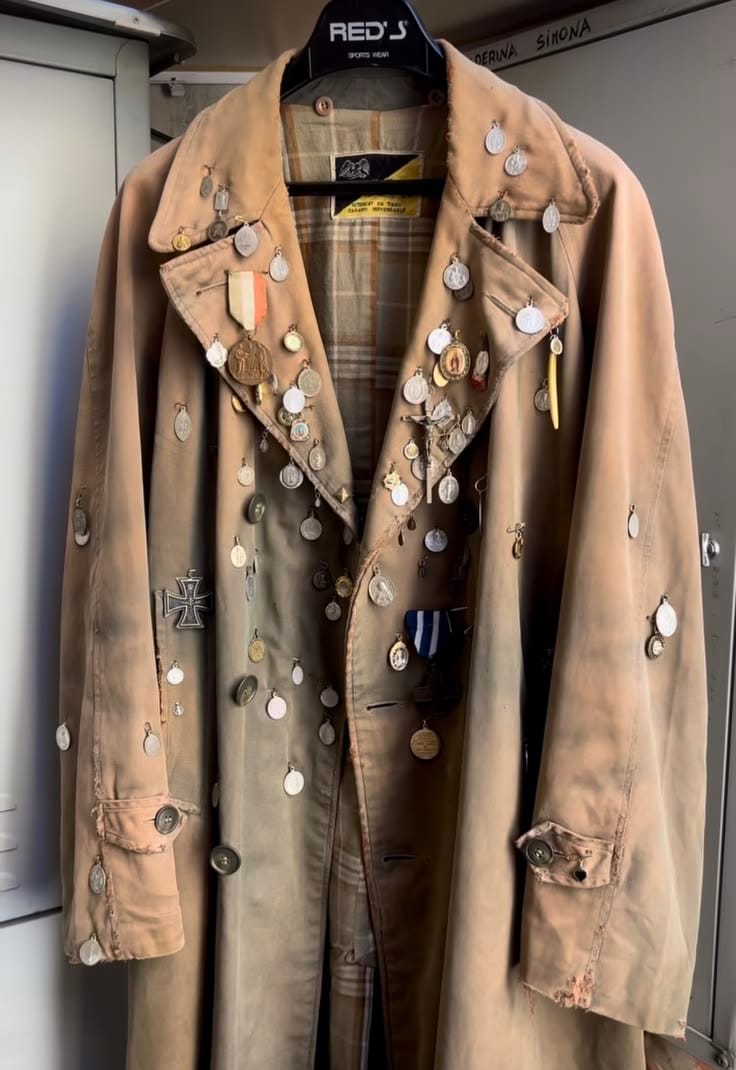
Nobody can mark that up.