By Rachael Fay, Sports Sub-Editor
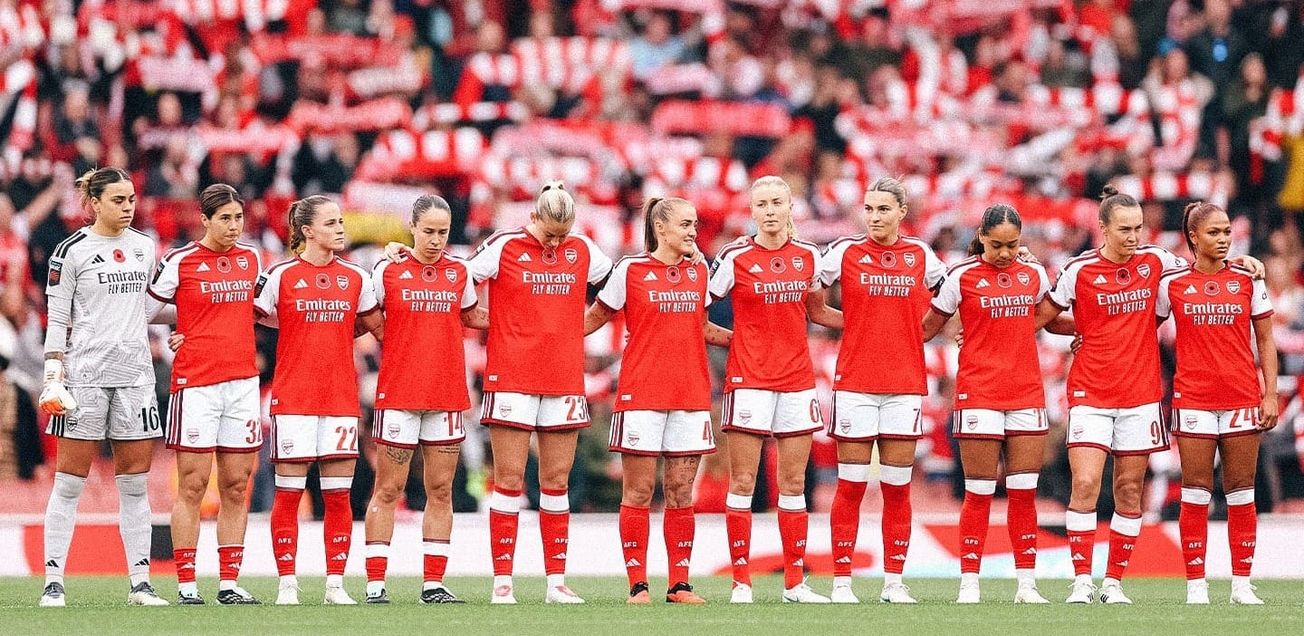
It's no breaking news that Arsenal Women's Football Club (AWFC) are, by a long margin, England's most successful women's football team, with an unbeaten trophy tally. Yet this season, Arsenal have had their worst start on record, ruling themselves out of the race for the Women's Super League (WSL) title. Whilst underwhelming domestically, we know how capable the Gunners are of special performances in Europe, fresh from their 2024/2025 victory. Epigram's Rachael Fay looks back at Arsenal's history and struggles; with the most revenue, the most trophies, and the longest history, it is easy to get lost in why now they are struggling. Although it is tough for me to admit it, Arsenal's struggles might be a good omen for women's football.
AWFC have a total of 63 major honours since the club was founded in 1987 by Vic Akers, who led the Gunners to 33 major trophies over her 22-year career as manager. Arsenal Women generate the most income in the WSL, and are fresh off their Champions League victory 18 months ago, remaining the only English club to lift the trophy. Yet, for the 2026/2027 season, Arsenal have had their worst ever start to the season on record. At the final whistle at the Emirates Stadium against newly promoted Birmingham, Gunners booed the 1-1 scoreline and Renée Slegers and her team as the devastation of Arsenal's continued winless WSL run set in. This was only broken after Russo's incredible performance against Benfica, but the Gunners still have a long way to go. Their winless WSL run was the club's longest winless run in WSL history.
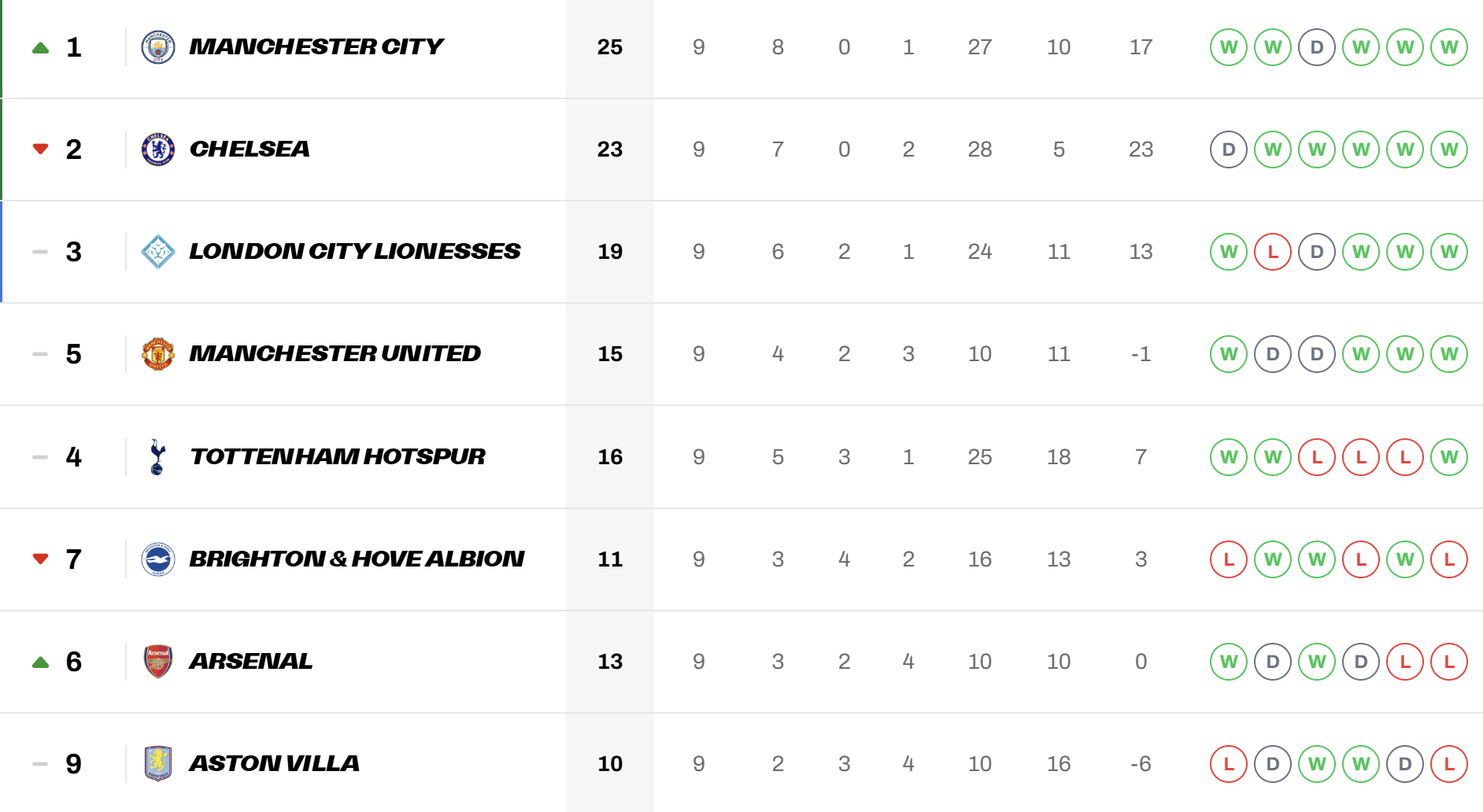
They still have secured no home victories out of the 4 WSL matches played at the Emirates, despite drawing the biggest home crowd compared to any other team in the WSL - more than three times the second highest crowd at Chelsea. Since then, Arsenal drew to Aston Villa, beat Liverpool and Tottenham Hotspur, and Russo dismissed Benfica with a legendary hat-trick 3-0. Although not completely back on track, the Gunners have clawed back to sixth place in the WSL, and third in the Champions League.
The first Gunner in my family was my great-grandfather, my Mum tells me as I write out the headline for this article in my kitchen on the outskirts of North London. When I started following Arsenal last year after the Lionesses' success, who knew my family had been Gunners for generations? My train of thought was to follow the club with my favourite Lionesses: Agyemang, Williamson, Kelly, Russo, Mead. It makes Arsenal's terrible start to the new WSL season a very difficult pill to swallow, especially following the men's rise in the Premier League. For a time, Arsenal as a club felt unstoppable.

A club boasting the most revenue in English women's football, cashing in £21.5m last year, and the biggest players (including Mariona Caldentey, England Captain Leah Williamson, Lisa Baum, Alessia Russo and Ona Batlle) is somehow coming away with the worst results out of the top clubs. Arsenal have never counted themselves out of the title race so early in the season. What is the missing piece? Or, what is the missing moment?
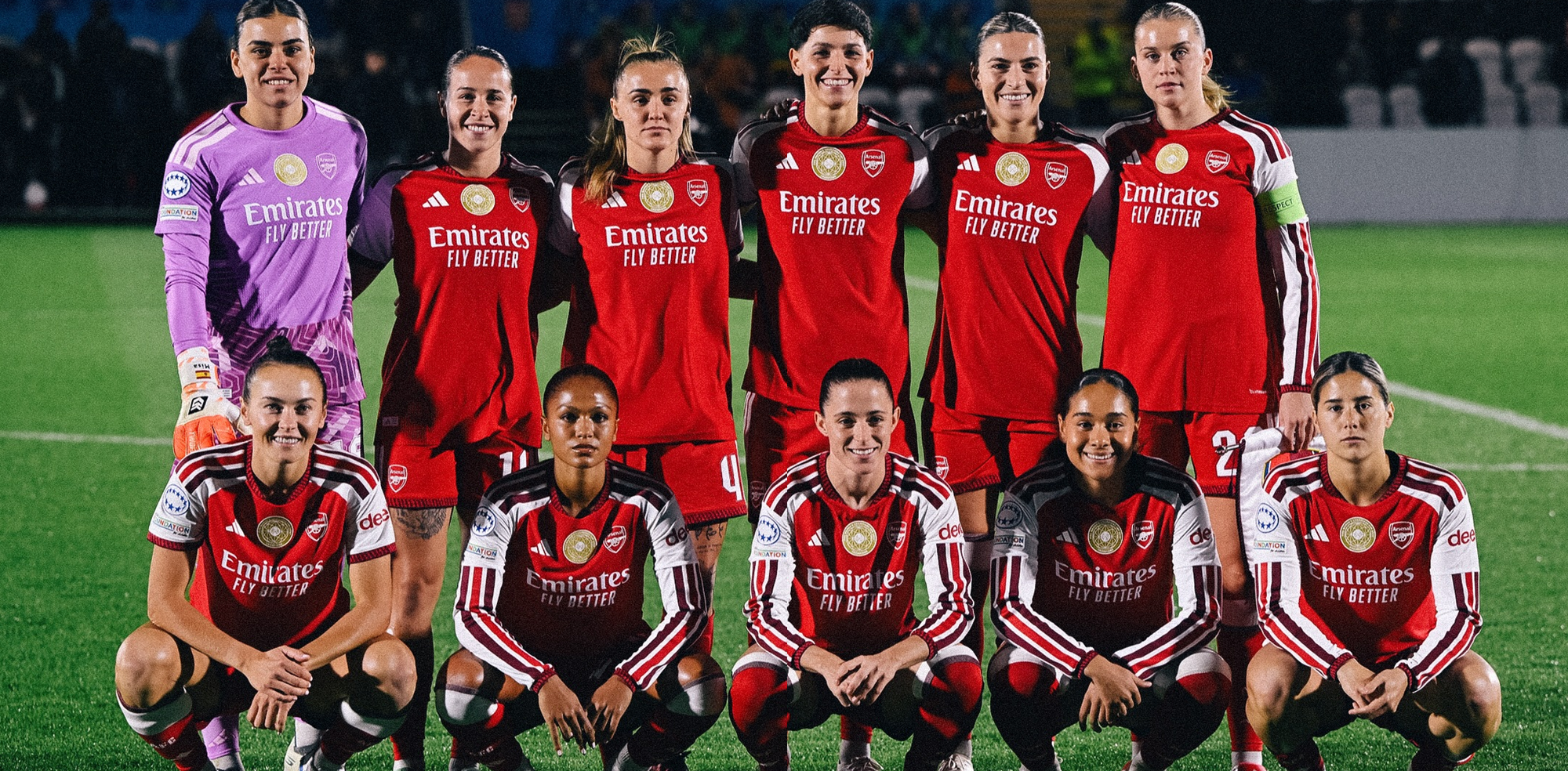
Renée Slegers, current AWFC manager, rescued the squad last season in a panic after the Gunners were without a manager following Jonas Eidval's exit, stepping up from her role as assistant coach. She led Arsenal to their second Champions League victory for the 2024/2025 season. At the 2025 Ballon d’Or ceremony, Arsenal Women were named Women's Club of the Year, in recognition of their performances across domestic and European competitions.
What it means for women's football
This season, the only home victories for Arsenal have been in Champions League matches. Even during this difficult spell, Russo's historic hat-trick against Benfica crowned her as the all-time top English goal scorer in the Champions League. Arsenal have the players, and they have the history. They have the momentum and memory of success across multiple generations. What else could there be?
For the longest time, AWFC was the club for women's football because of their success and Arsenal's dedication to their women's team and, for the longest time, that was enough. As the women's game grows, investment spreads out between the clubs in professional football as people such as Michelle Kang become involved in broadening investment, creating other big threats in the league, notably the London City Lionesses, who have become unprecedented contenders this season. Thus, simply having the resources is no longer good enough to secure a victory. Not that success was ever handed to Arsenal, but as the game grows, the bar gets higher and higher. Whilst it is fantastic that women's football is growing so quickly, it is resulting in overscheduling and too many matches, chaotic schedules oversaturated with tournaments, where facilitating growth is prioritised above the health and welfare of the players in return for not enough pay.
This summer, there have been some shocking exits from Arsenal's squad. Whilst long-time legends of the club such as Captain Kim Little and Vice Captain Leah Williamson remain, players such as Beth Mead and Katie McCabe (who have played a combined 20 years for the Gunners) have exited the club this summer, transferring to Manchester City and Chelsea respectively.
However tough it is for WSL fans to watch top players come and go from rival clubs - such is football. This thrill is the thrill of the game. The drama and intensity have been missing from WSL audiences, whilst no one would wish the toxicity to leak over, England Captain Leah Williamson remarked that she thinks a little more passion from audiences is a key element of the women's game that needs improvement.
Arsenal need to go back to the drawing board, re-assess their new team, and push in the WSL as they do on Champions League nights.
Renée Slegers
At this stage, it is not small tweaks that need to be administered but a huge upheaval both on and off the pitch to get the girls back where they were, even a few months ago. Arsenal are now struggling to have any nuance on the pitch and are suffering from creative paralysis, making desperate plunges at the goal, only scoring five times this season from 121 shots - only 14% of which were on target and found the back of the net before their match-up with Benfica.
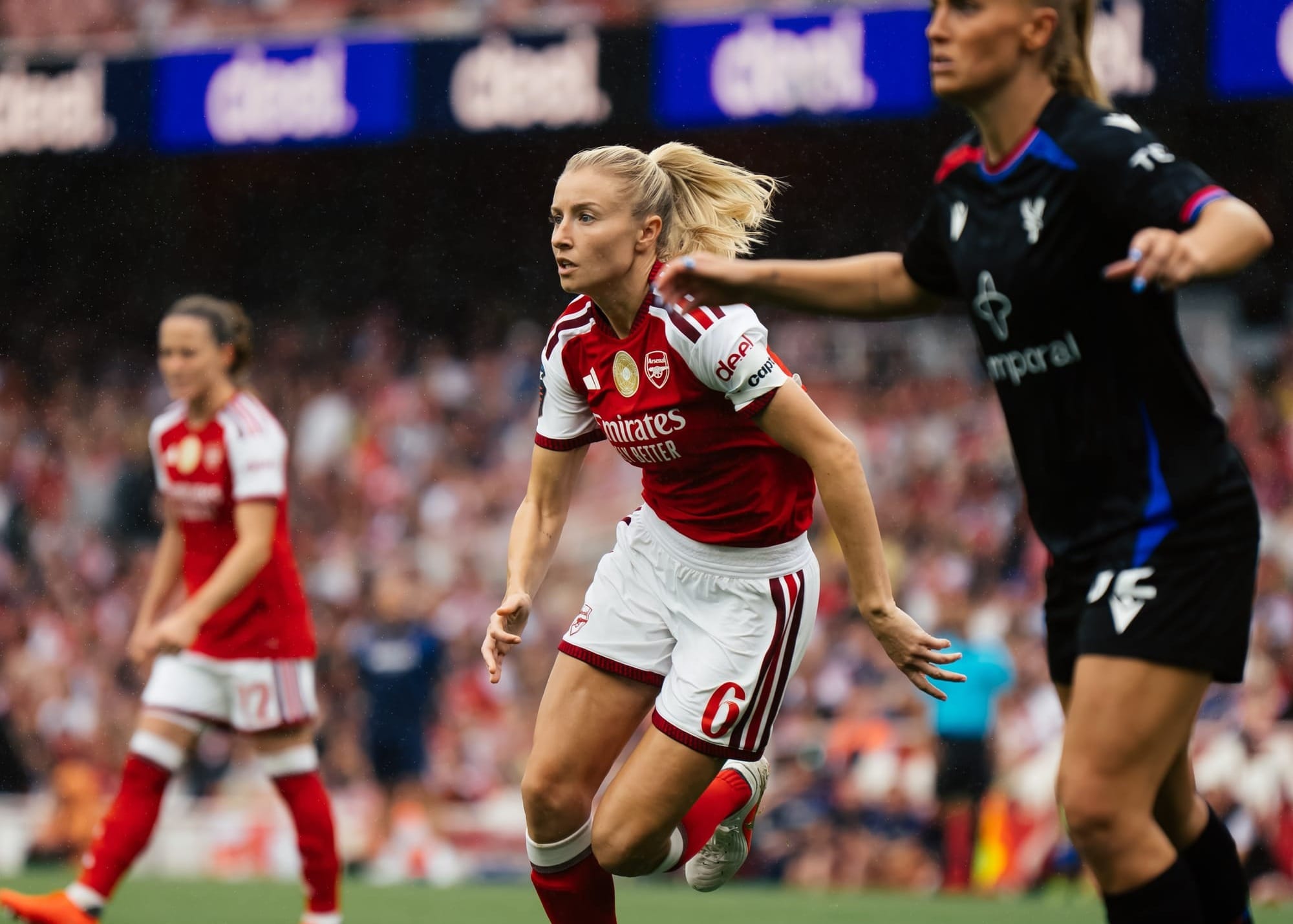
Slegers has shown a mix of futile attempts to justify the team's alarming league position, and an acknowledgement of the disappointment and frustration shown at the team's sub-par performance. The pressure mounts on the manager and club, resulting in sloppy mistakes, including England Captain Leah Williamson committing a handball foul.
Whilst it is difficult to see such an iconic, historic team struggle as they have done this season - it has not been a landslide against them. There are glimmers of hope, and they are not out of the running for another Champions League crown. Maybe, this will spur the top teams in women's football on to greater heights, as the tournaments go from strength to strength.
Featured Image: Instagram / arsenalwfc.
Will Arsenal be able to regain control this season?