
By Luke Beaumont, First year, Psychology and Neuroscience
You tell yourself it’s harmless - that cat which hangs out around St. Michael’s Hill. You give its fur a quick stroke. Maybe you are feeding your neighbour’s cat whilst they are on holiday.
But beneath the soft fur is something far less comforting: a parasite living in your brain.
Not metaphorically. Literally, living inside of your brain.
What is Toxoplasma Gondii?
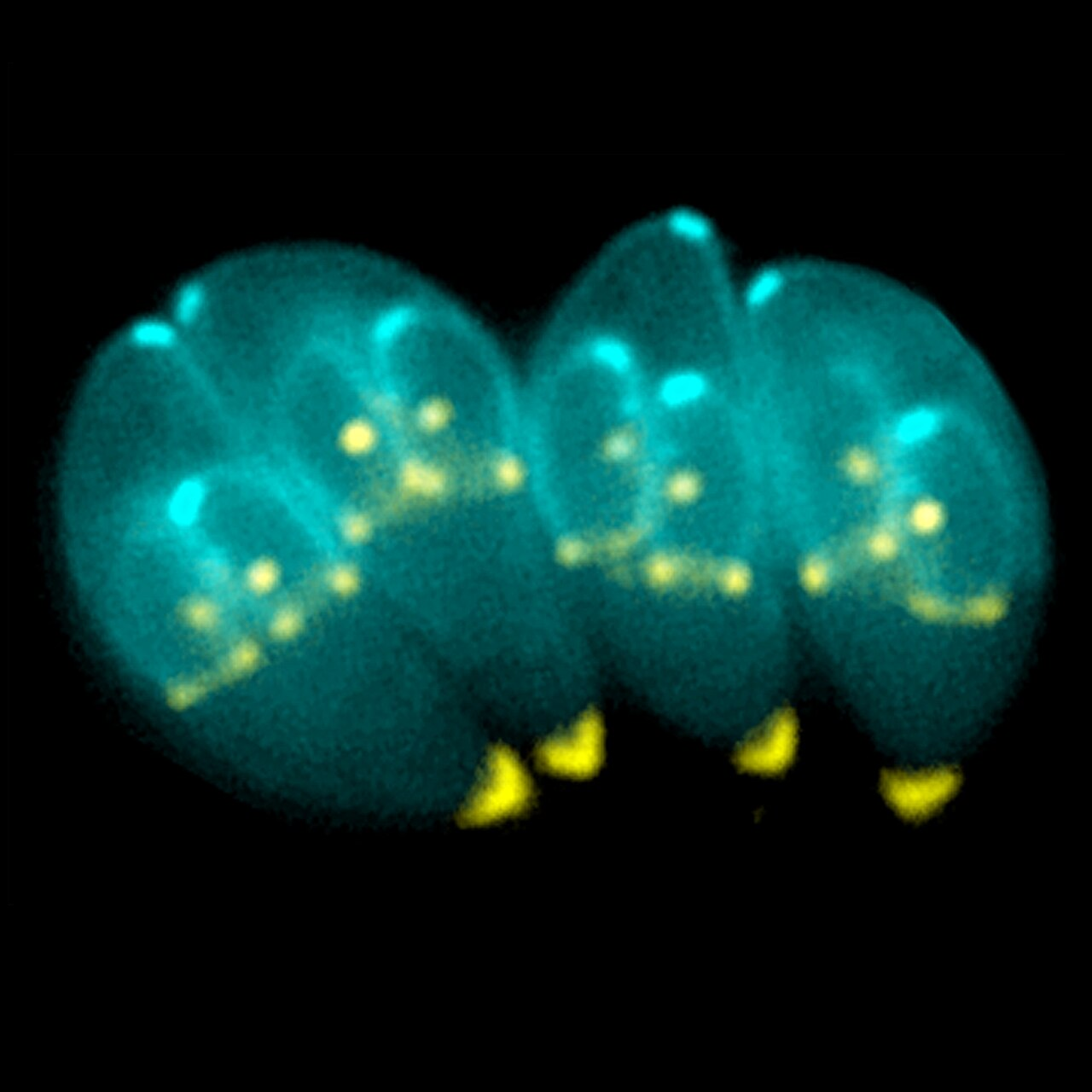
Toxoplasma gondii is a microscopic parasite that infects most warm-blooded animals, even humans. Its life cycle is oddly specific. Cats are its definitive host, meaning that the parasite can only reproduce inside a cat’s intestines.
After reproduction, the infected cat sheds the Toxoplasma gondii’s microscopic eggs (oocysts) in their faeces contaminating soil, water and food. Humans tend to pick it up through undercooked meat, unwashed vegetables, or practicing poor hygiene when handling cat litter.
Once inside the body, the parasite forms cysts (fluid-filled membranes) in muscle and brain tissue, where it can remain dormant for life. In most people, this infection – termed toxoplasmosis – causes no obvious symptoms.
You won’t feel it and you won’t know it’s there. But your brain may still be responding to it.
But cats are its final destination. The only place it can reproduce. So even when the parasite is inside of you it still has one built in objective: return to a cat.
So, does the parasite actually turn you into a crazy cat person?
In rodents, the evidence is much clearer.
Infected rats lose their fear of cat odour – some even become more drawn to it. The result is predictable: they get eaten, and the parasite completes its life cycle. This here is one of the clearest examples of a parasite manipulating the neuroscience of its host’s brain for its own survival.
However, humans are more complicated – but still we are not immune to its influence. In one study, people involved in traffic accidents were over twice as likely to be infected with Toxoplasma gondii, possibly due to slower reaction times and increased risk-taking.
One proposed mechanism involves dopamine. Toxoplasma can increase dopamine production in neurons (of infected cortical tissue), potentially altering reward and motivation systems. However, these effects are small and inconsistent. There is no solid evidence that the parasite turns people into the stereotypical ‘crazy cat people’. At most, it may subtly show behaviour in ways only visible across large groups.
What’s to say that you don't have it right now!
It’s very likely that you could have it right now! Globally, around 30-60 per cent of people are estimated to carry Toxoplamsa gondii. In the UK, it's lower – roughly around 10-40 per cent - but still common. That means in your flat, at least one of you is likely to be infected by this parasite.
So ask yourself: is your flatmate unusually cat-obsessed? Maybe keep your distance from them.
However, most of the time you will not notice this, nothing obvious happened. This highlights something important about our brains: it’s remarkably resilient.
Behaviour doesn’t come from a single cause. It emerges from complex interactions between biology, environment, and experience. A parasite might nudge the system slightly – but it doesn’t define who you are.
The myth of the ‘crazy cat person’
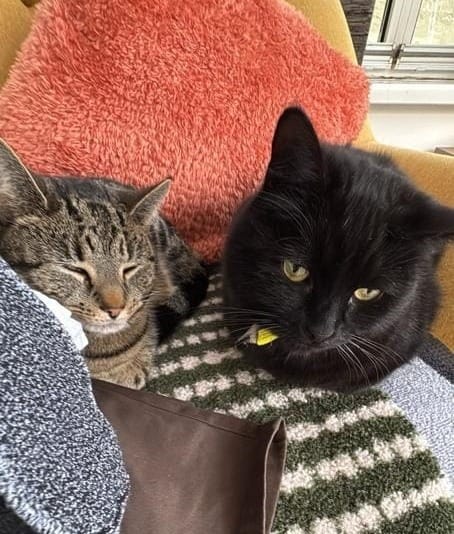
The idea that cats make people strange is culturally persistent – but scientifically weak. If anything, causality likely runs the other way. People who are more introverted or comfort-seeking may simply just prefer feline friends.
This reflects a broader psychological tendency: similar to emotion labelling we like neat explanations. A parasite controlling behaviour is a compelling story – but human psychology is rarely that simple.
As with diagnostic labels, the brain much prefers clear answers, even when reality is more complex.
Now that you know you are one with cat, what do you do now?
Lost in the parasite panic is a much simpler truth: cats are generally beneficial. Research shows that interacting with pets can:
- Reduce stress and cortisol
- Increase oxytocin, the love hormone which explains the bond you develop
- Lower feelings of loneliness and anxiety
There is even some evidence that the frequency of the cat’s purr (around 25-150 Hz) may support bone healing, although this is heavily debated. From a neuroscience perspective, pet interaction activates the same reward and attachment systems involved in human relationships.
So, while a parasite might be along for the ride, your brain is also getting a psychological boost.
Now you can use this as an excuse to check out a local cat café!
If you are currently feeling the urge to test this yourself, Bristol has options:
If you find yourself in Hotwells, you might notice a strange pull toward ‘Bag of Nails’ – a famously cat-filled pub. Or if you are feeling like a good Samaritan and maybe want an excuse to get away from studying - go volunteer at a local cattery or shelter. Or even foster a whole feline family from The Moggery, a local cat rehoming charity.
These give you the benefits of interacting with cats – without the long-term commitment, and with proper hygiene in place. Hopefully you don’t develop Toxoplasmosis from this though.
So, overall should you be worried?
Realistically, No.
For most people, Toxoplasma Gondii is harmless. The behavioural effects, if they do actually exist, are subtle – not life-changing or personality-defining. The real takeaway isn’t that a parasite is controlling your brain. It’s that biology can influence behaviour in ways we don’t even notice.
But influence is not control. Your choices, habits and identity are shaped by far more by your environment and experiences than by a microscopic organism.
So go ahead – pet that cat. Maybe even adopt it, if your landlord lets you.
Just make sure you wash your hands after.
Featured Image: Epigram / Jemima Choi
Could you be infected with Toxoplasma gondii?