By Izzy Geddes, Epigreen Columnist
Have you ever truly considered how your food reaches your table? While there is a growing awareness, do we fully understand the extent of exploitation required to get it there? The hidden operations of the food industry establish a need for comprehensive education, hard implementation of sustainable scale, and a revision of individual mindsets.
There is a concerning lack of education surrounding the global food system and the sacrifices entailed to produce our food. It can feel that unless you have read a certain book or watched a particular documentary, information on the true mechanics of the food system is sorely lacking. For example, I didn’t understand the true scale of exploitation and degradation inherent with much of our food until I took a voluntary unit in third year university. While bits and pieces had reached my ears, it wasn’t until the full extent of these injustices were exposed that I was finally incentivised enough to become entirely vegetarian.
‘Globally, 9.9 billion tonnes of food is produced each year - one third of this is wasted.’
This lack of transparency is what has enabled the food industry to become a behemoth drain on our natural resources. Globally, 9.9bn tonnes of food is produced each year – one third of this is wasted. The disconnect between what is on our table and how it gets there fosters a mentality of excess and waste, resulting in a colossal haemorrhage of valuable produce. This statistic becomes particularly painful when the level of global food insecurity remains incredibly high, with food deserts – areas of especially high malnutrition and food inequality – emerging across the globe. We need to re-establish our relationships with food, especially meat and animal products, so we can reduce our dependence on them and rediscover our sustainable farming and eating products that were maintained for centuries beforehand.
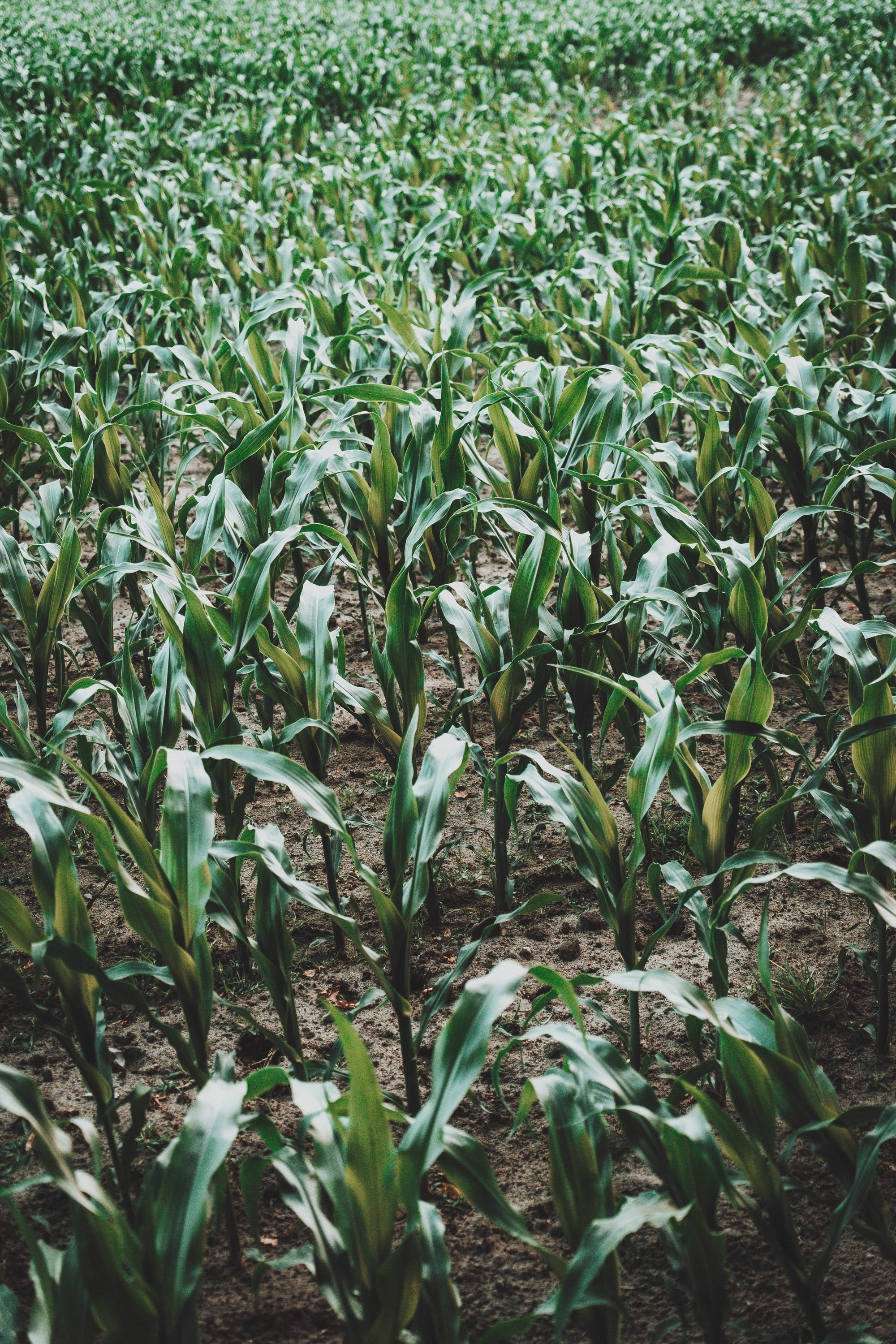
This is not an attempt to vilify meat-eaters, which has been a tendency within the sustainable food movement. As mentioned previously, humans have been eating meat without exceeding natural capital for millennia. The key issue is the scale of production, requiring inhumane conditions and treatment of animals. Alternatively, sustainable scale advocates for absolute limits to material throughput to remain compatible with established ecosystem thresholds. Applied to the food industry, this would entail operating within the limits, demands and resources afforded us by the natural environment. Instead of exhausting arable land with yearly monoculture harvests or genetically modifying animals for the highest yields, humanity would respect the needs of our natural resources.
However, it is not only the systems producing our food that would require a drastic change. The availability of food is taken for granted – from the variety of meat at our fingertips, the fact we could eat pineapple at all in Britain or buy chocolate-covered strawberries for Valentine’s Day. Through importing and exporting food, we have normalised such a high variety of food across the year that shouldn’t be possible. Through a lack of understanding, our naïve assumptions disguise a darker system of injustice and exploitation that enables this variety throughout the year. Subverting these assumptions constitutes the core of the sustainable food movement, characterised by the mantra of eat local and eat seasonal. Therefore, a change to our individual relationships with food will become inevitable in a truly sustainable future.
There are already many social media profiles focused on promoting vegetarian alternatives and demonstrating how it is economically feasible to transfer to a plant-based diet.
Yet, there remains a complicated level of nuance involved in decisions surrounding food. It has been established that reducing meat consumption and overall waste must be the real objective of sustainable food movements. For example, preparing vegetarian alternatives for even one day a week can reduce a person’s carbon footprint by 100kg in a year. What is not discussed, however, is the hidden emissions associated with sustainable alternatives such as soy protein and legumes. From production, to supply chains, to transportation from supermarkets to homes, it is now rare for a product to be able to claim full sustainability and carbon neutrality. For example, cheese can have a drastic environmental footprint that is widely understated but is often a significant protein source within vegetarian diets.
 Grace Golby
Leading on from this, there is the additional challenge of ensuring people maintain a certain level of healthy protein. No one is asking people to sacrifice their health in the name of sustainability. This nuance fuels the dissuasive notion that sustainability is all or nothing, that unless you are 100 per cent climate-conscious you might as well not have tried. But this only discourages people from even trying to make more sustainable choices.
Ultimately, the most sustainable choices we can make are those which are incorporated and maintained easily within our daily lives. This could be having a vegetarian meal a couple of times a week, to starting a compost bin or simply educating yourself and those around you on the hidden operations of the food industry. It does not require a complete overhaul of your diet, but could potentially start the journey to a more plant-based life. After all, choosing a vegan or vegetarian alternative can not only greatly improve your environmental profile, but also expand your taste palette.
Featured image: Epigram / Isabelle Geddes
Who knows what is out there to tempt your tastebuds?