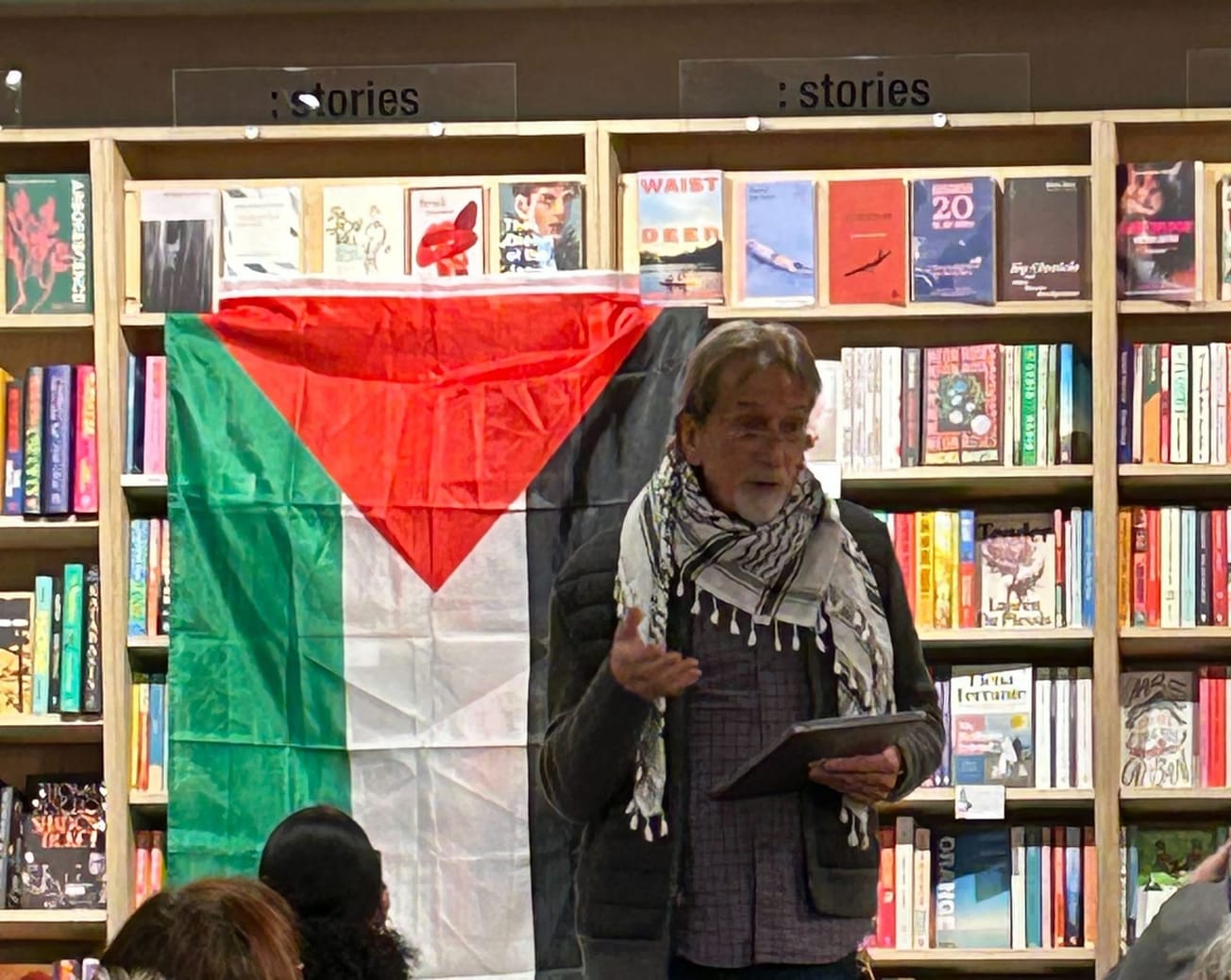
As I browsed through the Headfirst app looking for things to fill my week, I encountered a type of event I’d naively forgotten existed: a political middleman between inaction and street protest. Nestled unpretentiously amid open jams at Mr Wolfs and exhibitions at Watershed, a public reading of the poetry anthology ‘From Bristol to Palestine’ quickly stook its claim on my attention. The anthology’s publication of poems in support of Palestinian liberation was catalysed by ardent demand from the protest community, who wanted to have the poems they’d heard at rallies immortalised in print.
Walking into Wapping Wharf’s bookhaus for the event, I expected to hear a repetition of what most of us already want: a ceasefire in Gaza that decisively ends the conflict. What I left with was a reminder of how social media overexposure can actually radicalise our response to the genocide, and how such relentless devastation can creatively unite us in indignity at our undeserved geopolitical luck.
As my eyes initially scanned the room, I was shocked by the age demographic of the audience, which seemingly mainly consisted of baby boomers and millennials. As leaflets were handed out detailing plans for a strenuous 16-day hunger march from Bristol to Parliament, I inwardly cringed at the omission of my own generation. This feeling was cemented by the activists’ gentle urges for me to come along and utilise my youth to safeguard such exertions, disproportionately undertaken by the older generations. When the reading began, however, any consternation I felt was immediately assuaged by the poems, behind many of which lie inspiring stories of Bristol’s fiercely insubordinate youth.
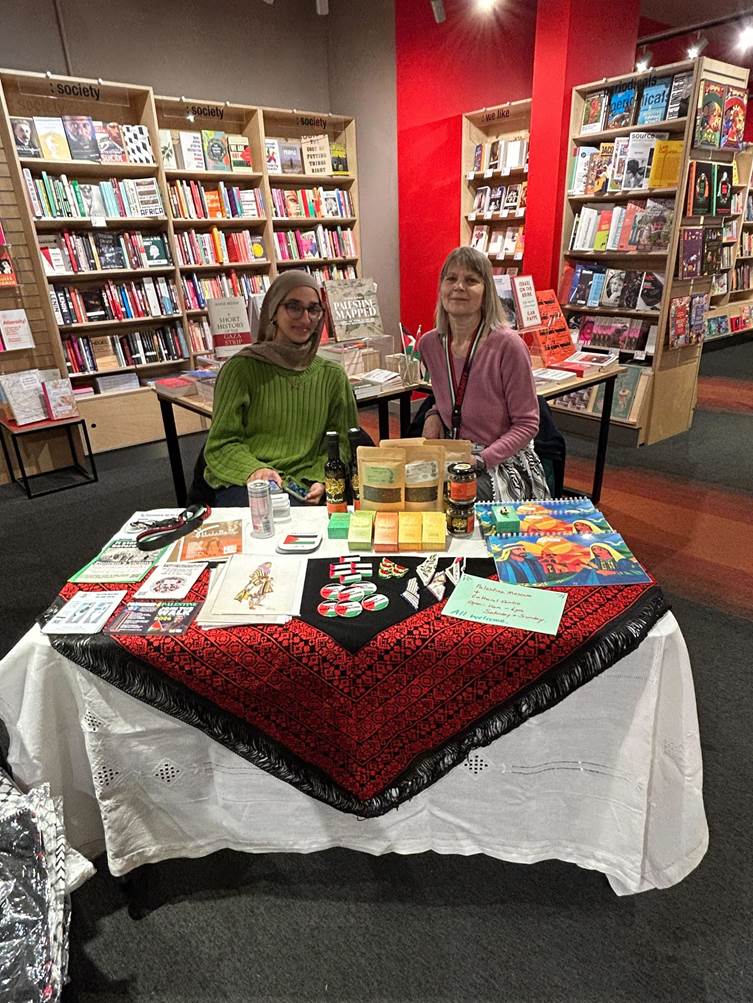
‘Their poetry’s survival is a testament not only to the vitality of their words, but to the willingness of the community to step in and read them in their absence’
Whilst editor and poet Dave Peck prefaced by humbly questioning the means of celebration amid ongoing genocide, the collection’s themes of protest and solidarity should not be understated. They shine like liquid gold, coursing through the veins of the entire collection and constructing it into a powerful vehicle of political dissonance. The youngest speaker was 16, but she first performed at a protest rally when she was 14. Rejecting the political lenience proffered to her by her age, she inserts herself into a written relationship with Gaza through constant inquiry, like a worried friend fretting over the wellbeing of a loved one. The collection also features the work of Fatema Rajwani and Zoe Rogers: activists involved in The Filton Trial that took place in November 2025. Having suffered ongoing incarceration in their early twenties, they haven’t hesitated to leave their precious youth at the disposal of the British justice system. Their poetry’s survival is a testament not only to the vitality of their words, but to the willingness of the community to step in and read them in their absence.
Hearing the poems read aloud, overloaded with emotion, reminded me of how indispensable community is to justice and change. The poets showed the increasingly rare quality of extending a hand not just to those around us, but to strangers across oceans, united by nothing more salient than our shared existence as humans. Pleading with the rules of history to take our equality seriously, to let us carry even an ounce of the cumbersome weight forced upon Palestinian people as they are mutilated and incinerated and left for dead. The question I was subsequently left with wasn’t why no one in my generation participates in Bristol’s political sphere – this clearly isn’t true – but why so many of us may feel hesitant.
‘These poets have taken this collective feeling of helplessness and radicalised it into anger, not just at the genocide, but at how the internet programs us to treat it with indifference’
I think that the answer lies in social media overexposure. When videos of starving children begging for our attention share an algorithm with student-friendly dinner recipes and ‘6 7’ brain rot, it’s easy to become desensitized. Not because we’re horrible, genocide-aiding people, but because when we can swipe off a video and move on to the instant gratification of something mindless, we aren’t devoting the time it takes to register something as real. Instead of succumbing to this, these poets have taken this collective feeling of helplessness and radicalised it into anger, not just at the genocide, but at how the internet programs us to treat it with indifference. Dave talked about the concept of writing as a therapeutic process, externalising the endless mind chatter and giving it a place to live, but there was something pacifying about listening, too.
‘Making the conscious decision to turn your phone off and become consumed with someone’s work for an hour or two is an act of political engagement’
 Ruby Wright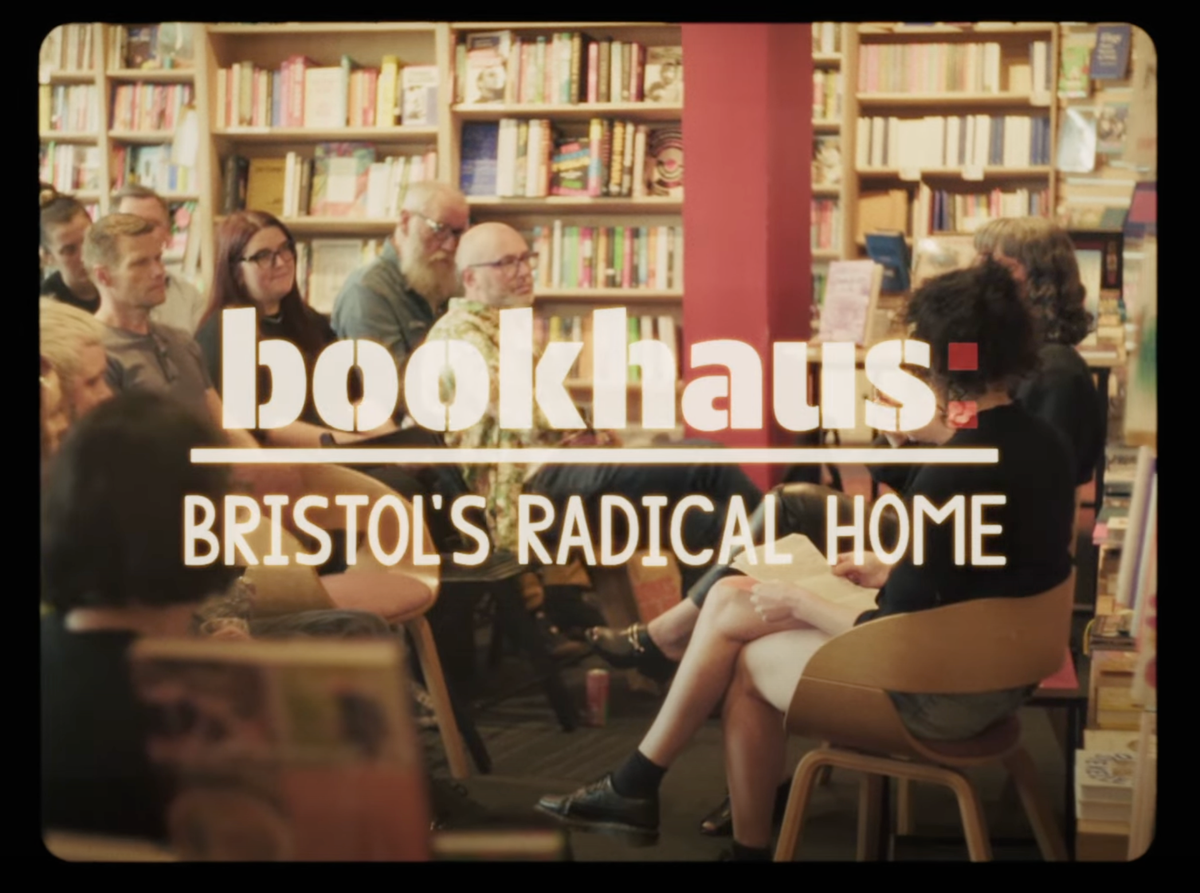
As students, the nagging voice in our brains asking, ‘what can we do?’ can easily get lost beneath deadlines, budget constraints, and (lets be honest) mind-numbing hangovers. Rather than capitulating to political overwhelm, I recommend devoting a few hours here and there to something meaningful. Even just making the conscious decision to turn your phone off and become consumed with someone’s work for an hour or two is an act of political engagement.
Tickets for the poetry reading were £7, and all the proceeds went to Gaza via The Sameer Project and The Ghassan Abu Sittah Children’s Fund.
Featured image: Chris Bradley
Do we all need to delegate a part of ourselves to this cause?