By Katie Asha, Music Deputy Editor
To be a “modern woman” could mean several different things at once, depending on where you’re standing and who you ask. How does a specific person define modernity? Further, how do they define something as contested and porous as being a woman?
Two generations ago, the criteria for being a modern woman was more skeletal; the ability to independently open a bank account, purchase property under your own name, and live a life free from marriage. For someone born closer to the new millennium, perhaps the ability to maintain a polycule while working an office job, the freedom to have sex or romance with whoever you want and on your own terms, the freedom to express femininity without it inviting scorn (although I believe society as a whole is still working on that one). Being a modern woman is having the freedom of choice to willingly give up your freedom, as argued by some. To Sophie Harris, it means starting your own band in London inspired by her local pub’s community poetry night.
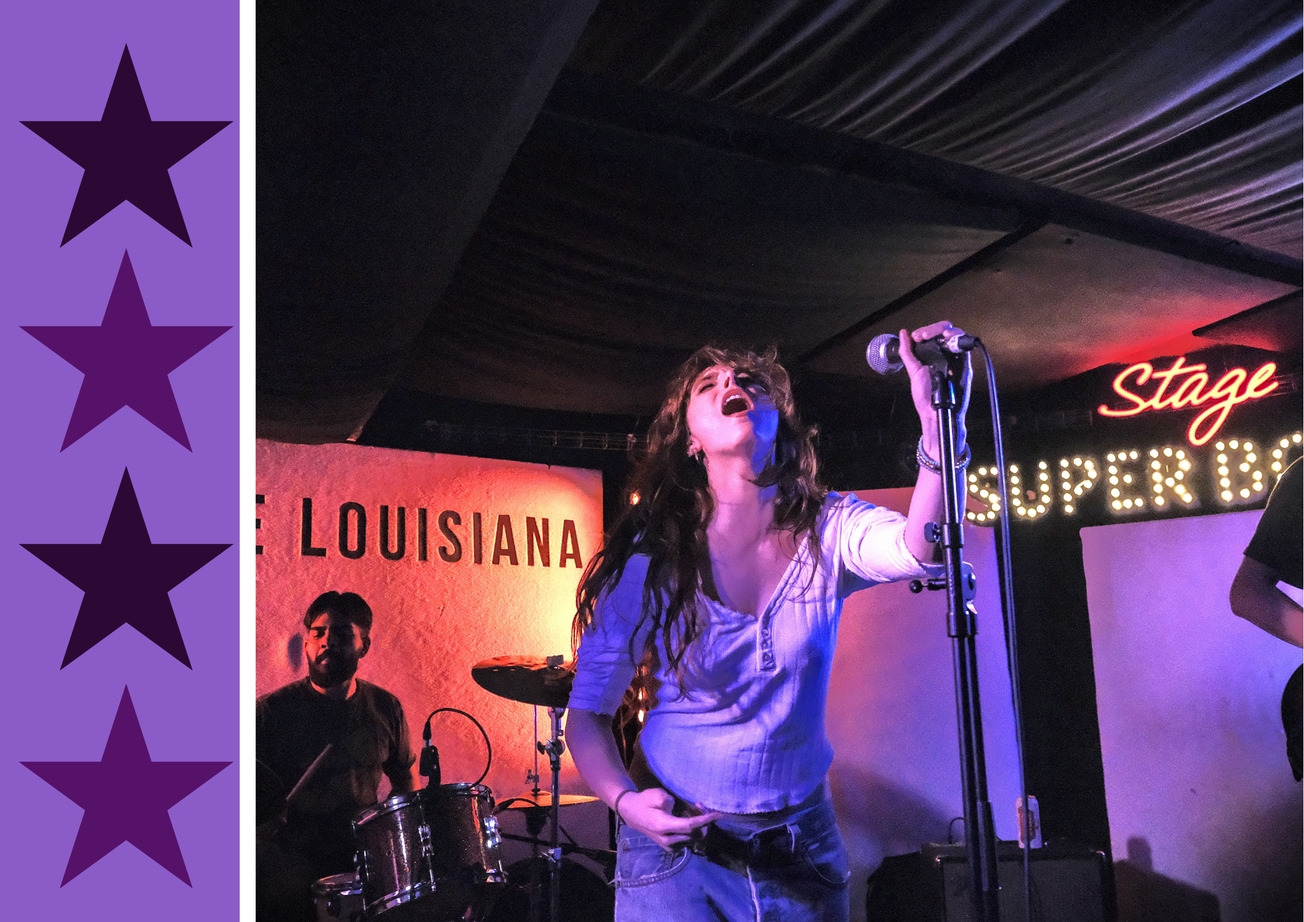
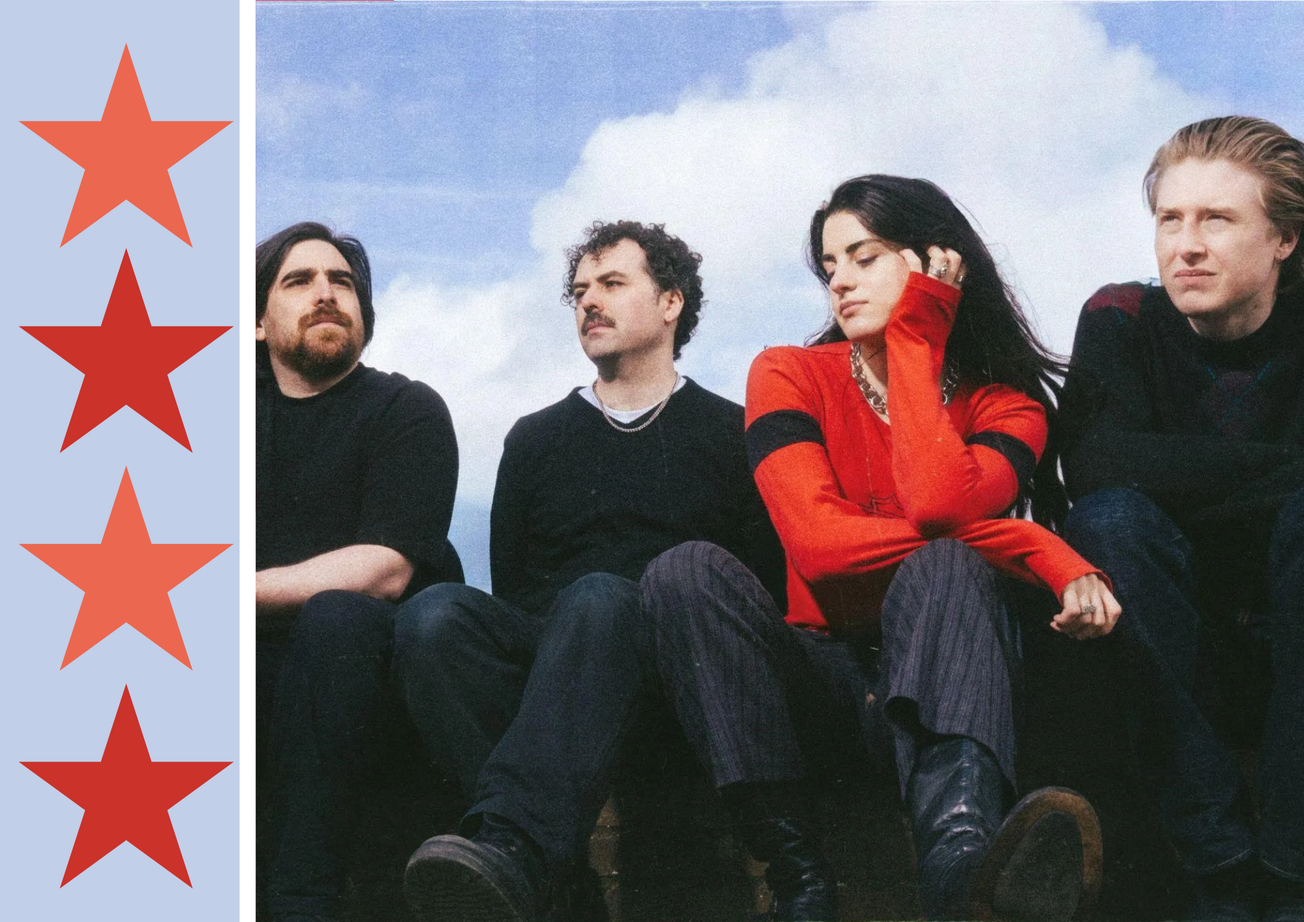
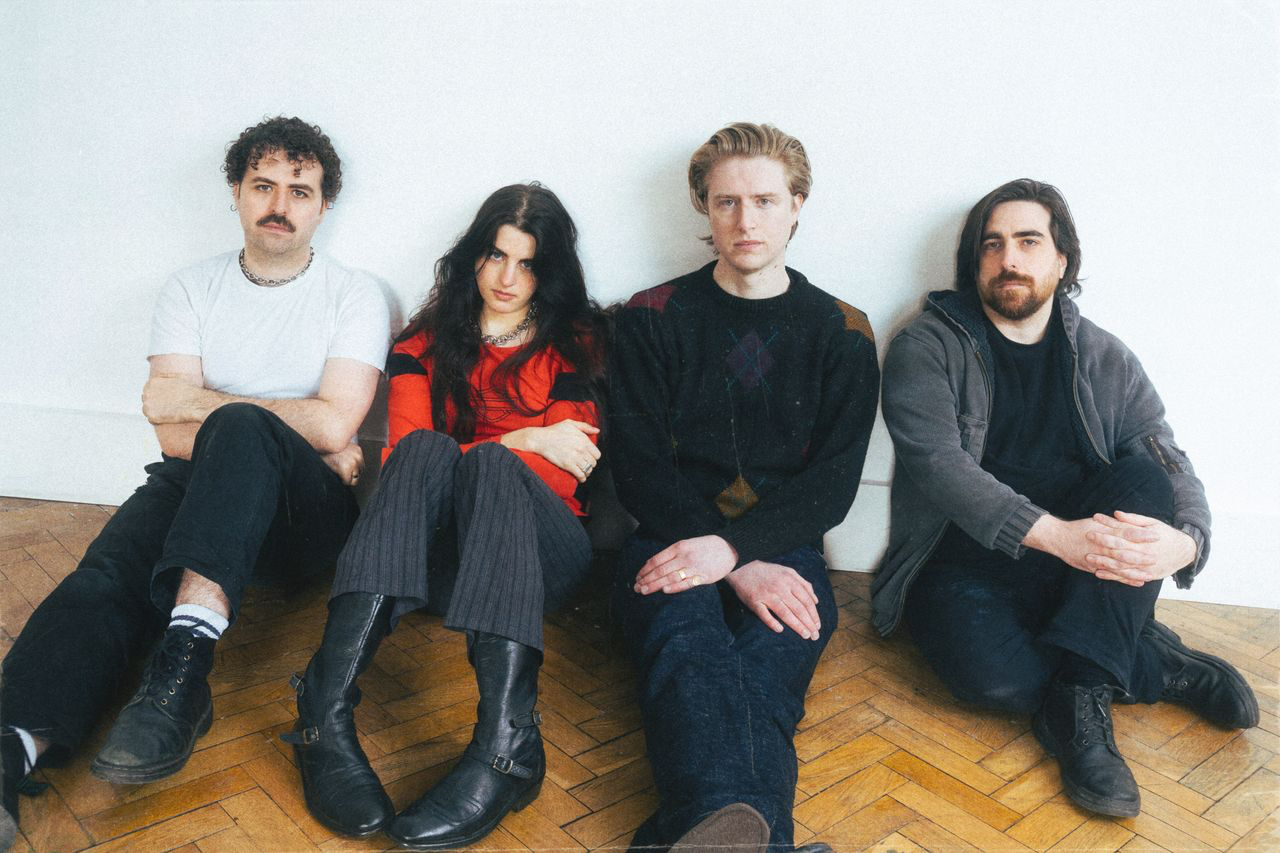
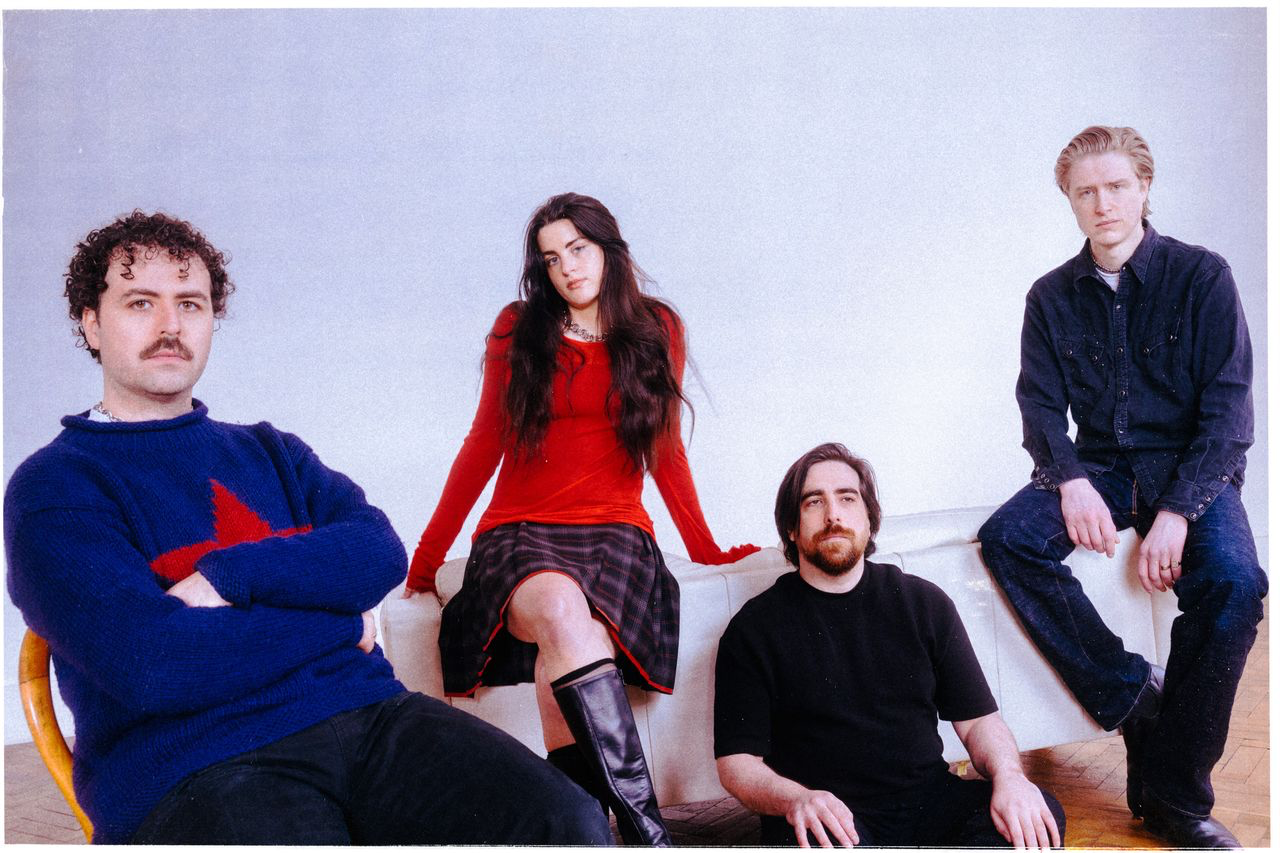
Modern Woman began as a solo project of Sophie Harris in 2019, and is now composed of the latter as the frontwoman, Juan Brint-Gutiérrez as the bassist/ saxophonist, Adam Blackhurst as the drummer, and David Denyer as multi-hyphenated percussionist/ keyboard-player/ violinist. Despite its status as a majority male band, due to Harris’s songwriting their music explores the underbelly of what it means to be a woman – as phrased by Harris herself, “the edge of femininity you don’t normally present to people,” (so, perhaps being a “modern woman” means the freedom to be ugly and still granted humanity).
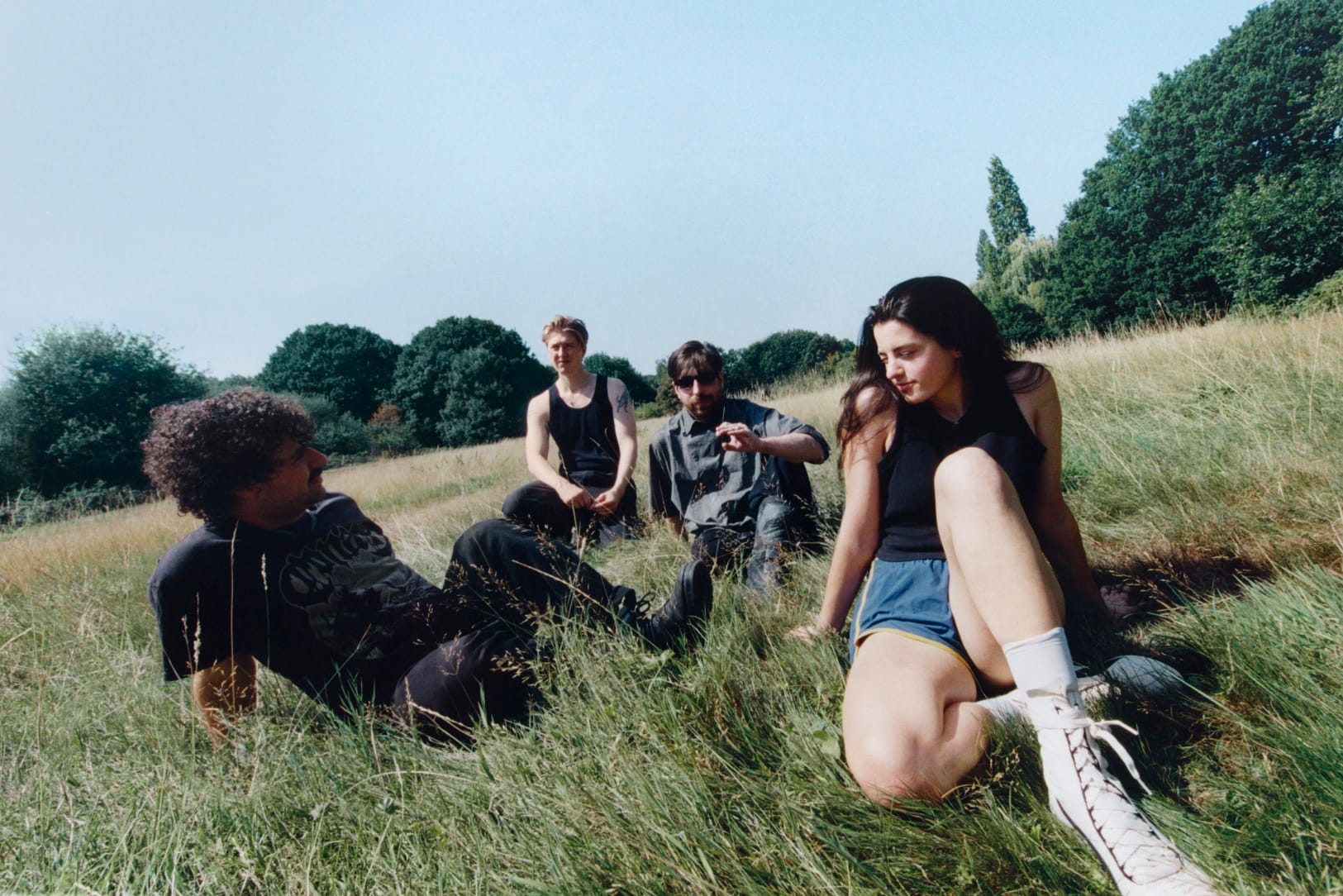
Their debut album Johnny’s Dreamworld was released on the 1st May 2026. As the title suggests, it is a hazily cinematic journey through the inner mind of a fictional character – “Johnny”. Standouts include Dashboard Mary, Offerings, and the title track itself.
Johnny’s Dreamworld received a warm critical welcome upon its release, publications praising the record's theatrically-inclined sound and cinematic sonic universe. Rolling Stone praised the sound as a “literary-musical collage of post-punk, noise rock, folk, and avant-garde”, with The Times referring to them as “a new underground band of real conviction”.
In the white-water wake of Johnny’s Dreamworld’s long-anticipated release, Modern Woman are completing a victory lap of Europe, performing sets everywhere from Paris to Leeds. A week shy of the band’s arrival in Bristol, I interview Harris about her love for poetry, beauty in art, and being the main character of a dream world.
You have a big interest in poetry and specialised in it during your English degree, something which you said impacts your songwriting. Do you have a favourite poem, either right now or of all time?
I recently read one that I loved called 'The Orange' by Wendy Cope.
What about that poem makes it resonate with you?
It’s really beautifully written. I don’t really like poetry when it uses super flowery language: people like Frank O’Hara, Wendy Hope, they write very everyday, conversational poetry. I think it’s incredible to see how much certain people can say in such small spaces. My favourite poet of all time, or of the decade, is probably Sharon Olds. She wrote this poem called 'Stag’s Leap', which was about her divorce from her husband, and it is absolutely incredible – she’s very good at having this punch in such a small amount of words, and I think that’s a marker of a really amazing poet.
I know that before starting Modern Woman, you founded and ran a poetry night at one of your local pubs, The Windmill. What gives you such an urge to share your art and self-expression with other people – whether through poetry or songwriting?
So I’m incredibly shy, although it doesn’t really seem that way… I think I’ve gotten better at being less shy over time. At the time I set up the poetry night, it was less for me to share my own poetry and more for me to hear other people’s – I wanted to foster a bit of a community and connect with other people who liked to write.
I was interested in poetry, and I knew there was a lot of overlap between poetry and music: so it was cool to focus on that overlap in the poetry nights. There would be a lot of people reading spoken-word poetry with a live band underneath, and a lot of very rhythmic readings. Modern Woman’s first show was at The Windmill’s poetry night; before the proper set began, I read out some of my own poetry over the band’s instrumentals.
I think the drive to share things with people is... I would still make music and still write even if I knew no one was going to listen to or read it, but I think sharing art is half the point of making it. Half the point is gaining catharsis through making it, but also the other half is being able to share it with other people, for them to relate to things and communicate with other people through it, because that’s what makes us human. People like art because it allows you see similarities between people and relate to common experiences with people who would be otherwise complete strangers to you; when otherwise the world would be quite lonely.
What came first for you, poetry or music?
Music, I would say. I got very into music when I was like fourteen. I’d always read, my mum always took me to the library, so that was always preset – but in terms of what I first took 'seriously', it was music. After I got into music, I realised that a lot of the musicians I loved were very lyric-focused and primarily influenced by lots of authors: Leanord Cohen, for example. I thought the worlds and images he built in his lyrics were unbelievable. I would read what all of my favourite music artists were influenced by, and fell in love with reading through that… so music and poetry are definitely intertwined in that way for me, its hard to pinpoint or separate one from the other.
Do you think music-making helps to get experiences out of your head and into your body, or can songwriting about difficult experiences lead to rumination just as easily as poetry?
I think both. It took me a while to realise that it is possible to sit in things too much. For me, I like to process things through music, but I do that in different ways… In some songs I enjoy writing very honestly, and in others I find a form of escapism: the same kind of enjoyment I would get from a really good movie or a book.
I don’t always consciously want to write something really baring – often, the music I make as a result of something comes years after the actual event: it starts bleeding into the lyrics a long time after I’ve processed it and put it to bed. There’s a drive to get things out of your mind and translate your experiences to someone else that I think everyone has, and some people express that through art.
So I think processing things through art is productive, but I do agree that you can end up ruminating too much on something. I think that’s actually why a lot of creatives struggle with mental health issues or low mood. I think your whole world becomes yourself in some ways, and you’re constantly sitting in your own experiences and trying to think of them from every possible angle, which is destructive.
I find it interesting that your music is a lot about you articulating your experiences as a woman, but when articulating the inner workings of a person’s mind through the album you referenced it through a male voice, 'Johnny'. Was there a specific reason for that choice? Is Johnny someone in real life?
When I really really fancy someone, or in the past when I was a teenager and I was crushing hard on them, I would think about them all the time in all these different settings. You know, you go to the shop and think about them in the shop with you. You think about what they’d be like in an airport, you think about sitting on a plane next to them.
I named it Johnny’s Dreamworld because I wanted to reverse the situation, and write it from the point of view of someone infatuated with me, picturing me in all these different situations, doing all these different things. I wrote it to be the protagonist in someone else’s dream world.
Will you be going to see Modern Woman on the 30th?
Your violinist, David, scores horror films, which partly explains the cinematic feeling of the Modern Woman sonic universe. Just like a great film, you’ve stated that Modern Woman’s music cannot be consumed in the background. If Johnny’s Dreamworld was a film, what would its blurb or plot summary be?
I can give you three words, maybe: I hope it would be raw, a bit chaotic, and scary. I wanted to get that in the record… We were very interested in horror films when we were making it and doing the album campaign. I used to hate horror films, and then as I got older I loved them because I was so fascinated with what we find scary and uncomfortable. I wanted to talk on the record about things that people don’t talk about, things that might seem embarrassing or shameful, things that people have a knee-jerk reaction to shut their eyes to.
You’ve mentioned how in Johnny’s Dreamworld, you’re exploring the “edge of femininity that you don’t necessarily present to people,” elaborating “That’s not making a statement of any kind. It’s just a fact. I’ve personally experienced things that aren’t always pretty and aren’t always nice”. Do you think truly beautiful things are beautiful as a result of their ugliness?
I think people have always been really fascinated with female rage. Women are pushed into a certain shape and pressured to act a certain way, but even historically, people have always been fascinated with the “ugliness” of femininity, with female rage and the metaphorical underbelly of the female form.
For me personally, I find things beautiful when they are the realest and truest version of themselves. I think that’s probably the most touching state for someone to be, even if it’s not the easiest to swallow. Something is beautiful when I’m seeing the core of it, and if that’s anger in one instance its anger in one instance, and if that’s rage in another its rage in another, if its complexity then its complexity.
 Hannah Jeffreys
You previously chatted in an interview about how the band are “drawn to shock in music, and major shifts that demand attention – I don’t think our music is that listenable in the background”. What are your thoughts on film character Sean O’Connel’s famous statement that 'beautiful things don’t ask for attention'?
I think I agree in some ways. I think, however, people aren’t always searching for beauty… sometimes people find a different kind of joy in art if it’s invigorating, or makes you angry, or makes you uncomfortable. So maybe beautiful things don’t ask for attention, but those things do.
I agree that some of the best songs of all time, and my personal favourite songs, hold their beauty in their restraint or simplicity. But I also think a loud, elaborately arranged, theatrical song can still hold simplicity and restraint in certain ways: each instrument and each element can be kept simple and true, and then layered one after the other.
I think there’s lots of different ways to look at it. I think beauty isn’t the only thing worth getting out of art. But I also think beauty appears in lots of different ways, some less obvious than others.
Tickets for Modern Woman's Bristol show at The Croft on October 30th are available here.
Featured image: Sal Redpath 2026
Will you be going to see Modern Woman live?