By Maia Roose, Third Year, Law
When CD sales overtook vinyl in 1988, they became so popular and profitable it seemed ludicrous that the music industry ever survived without them. Cleaner sound, more durability and greater convenience are a handful of reasons why it seemed CDs were the much better way to listen to music. ‘The music you could take anywhere’ through portable players like Sony’s Walkman was soon pushed aside by the rise of the internet and subsequent streaming platforms. Now, listeners can have access to 100 million tracks in their pocket for less than a price of a new CD each month... So why were 7.6 million vinyl sold last year in the UK?
One reason we may have seen such a steep incline of vinyl collectors is because of the experience of listening to a record. With access to so much choice online, it can sometimes be difficult to pause and appreciate what you’re listening to rather than the music simply acting as white noise for your sprint to your 9am. Granted, vinyl is not the choice for those looking for the most sonically pleasing listening experience; the sound quality on a record doesn’t compare to that offered by streaming platforms or even CDs, and if you’re buying second hand it’s likely they’ll be a Rice Krispies style collection of snaps, crackles and pops.

Sitting down and holding a physical piece of media is an incomparable feeling. Scanning through the book in the inner sleeve, sticking the poster on your wall with the credits and lyrics peeping through the back: these experiences are lost when we only stream our music. You can’t skip the track on the album that you’re not a fan of, forcing you to really engage and pay attention to what you’re listening to. CDs arguably offer the same physical experience, but the novelty and nostalgia elements disappear when you can rewind your favourite chorus over and over. Vinyl shapes the way we listen to music and can ultimately help discover new aspects to musical worlds you think you already knew.
It’s argued there is an element of bragging culture surrounding record collecting, especially relating to the intense rise of fandom and stan culture. Records did not come back cheap. If you walk into HMV Broadmead, you’d be lucky to pick up a new LP for less than £30. Many of these will have a limited variant sticker, with the record itself being a different colour or sleeve than the standard pressing. Taylor Swift’s recent album was the UK’s biggest vinyl album in 2025, selling 147,000 copies. The Life of a Showgirl had eleven vinyl variants, nine of which included unique items or bonus content. A great success for her, but how many of the records were bought an already complete the extensive collection and evidence buyers as the ultimate fans?
These limited runs have been used by artists recently to incentivise album sales and squeeze the most out of a marketing campaign. Labels have capitalised on the younger generation and their want for physical media, and have begun to price out real fans for those who treat their music collection like Funko Pops.
Their CD counterparts can be picked up for often less than half the price, but the new norm of variant collecting doesn’t apply as well in this case. Companies like Blood Records offer limited edition, exclusively pressed records with some notable records having moving parts, holographic designs or even records filled with liquid or ‘white powder’, as seen in Charli XCX’s BRAT remix album. I must admit, I own a couple of the releases myself, and they offer a talking point when having friends around that you just wouldn’t get with CD. There’s not much to show for sticking a CD in and pressing play, and even CD players are now being made to look like turntables just for some visual appeal.
When music costs this much to own, it’s no wonder records still dominate the purchasing charts. I’d much rather a nice art piece over a cheap plastic case if I’m sacrificing a food shop to nip to Rough Trade. It’s not a secret that the music industry is struggling. For many picking up a vinyl is a way to support smaller artists’ passion project and the record shops that stock their shelves with them. Bristol champions independent more than most and niche-interest record shops help to keep the lights on for both artists and business owners. The experience of buying a record, popping it in your tote and heading home to play it is quite the opposite to your third Daily Mix 4 listen of the week.

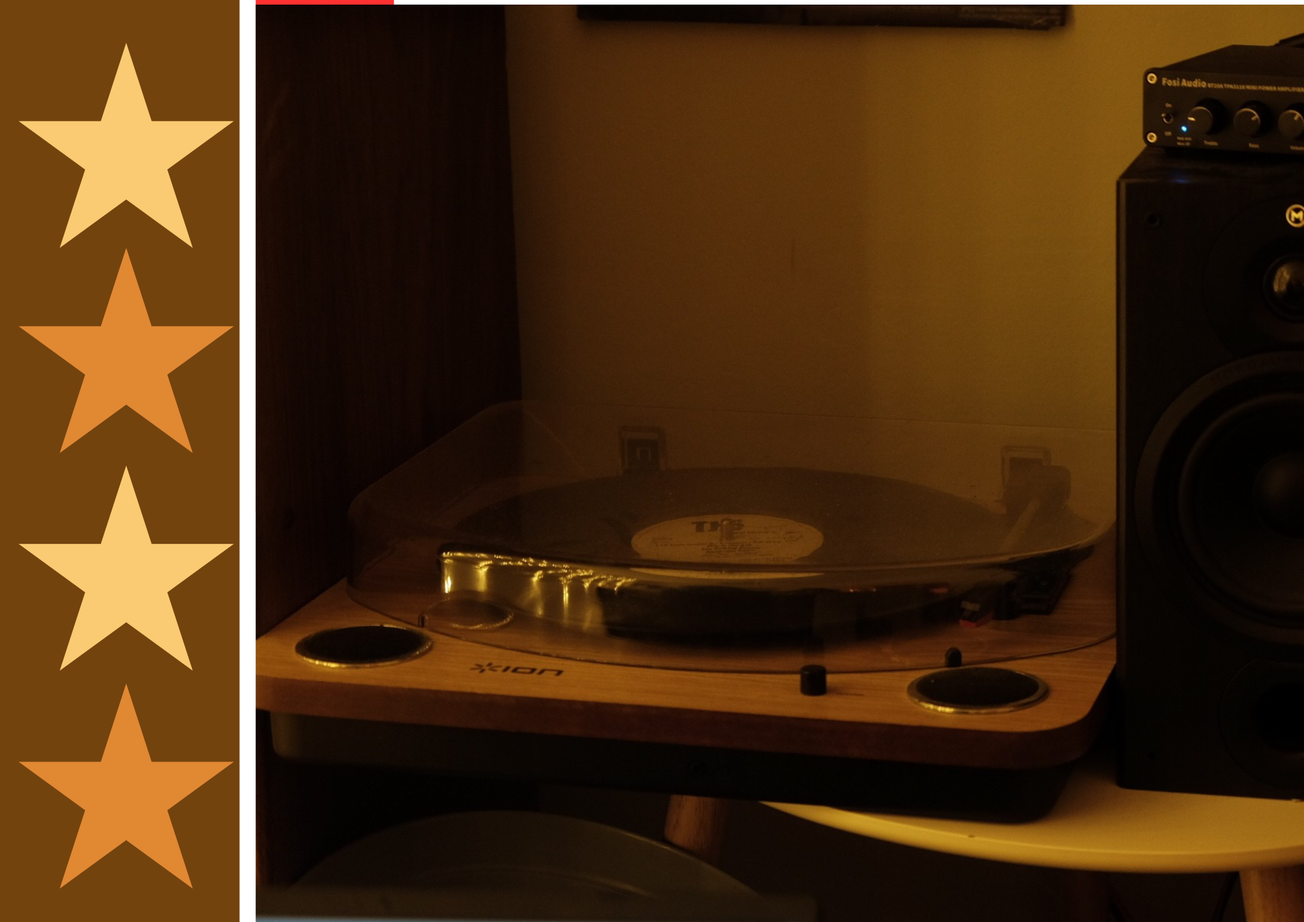
If you’re thinking about getting back into vinyl, Audio-Technica do some great entry level turntables, including this one which is part of my own set up at uni. If you want to get ahead of the trends and dip back into CDs, quality Denon players pop up on eBay for less than £100 from time to time. Paul Roberts HiFi on Gloucester Road specialise in good quality kit, and even have a little music shop themselves.
 Elsie King
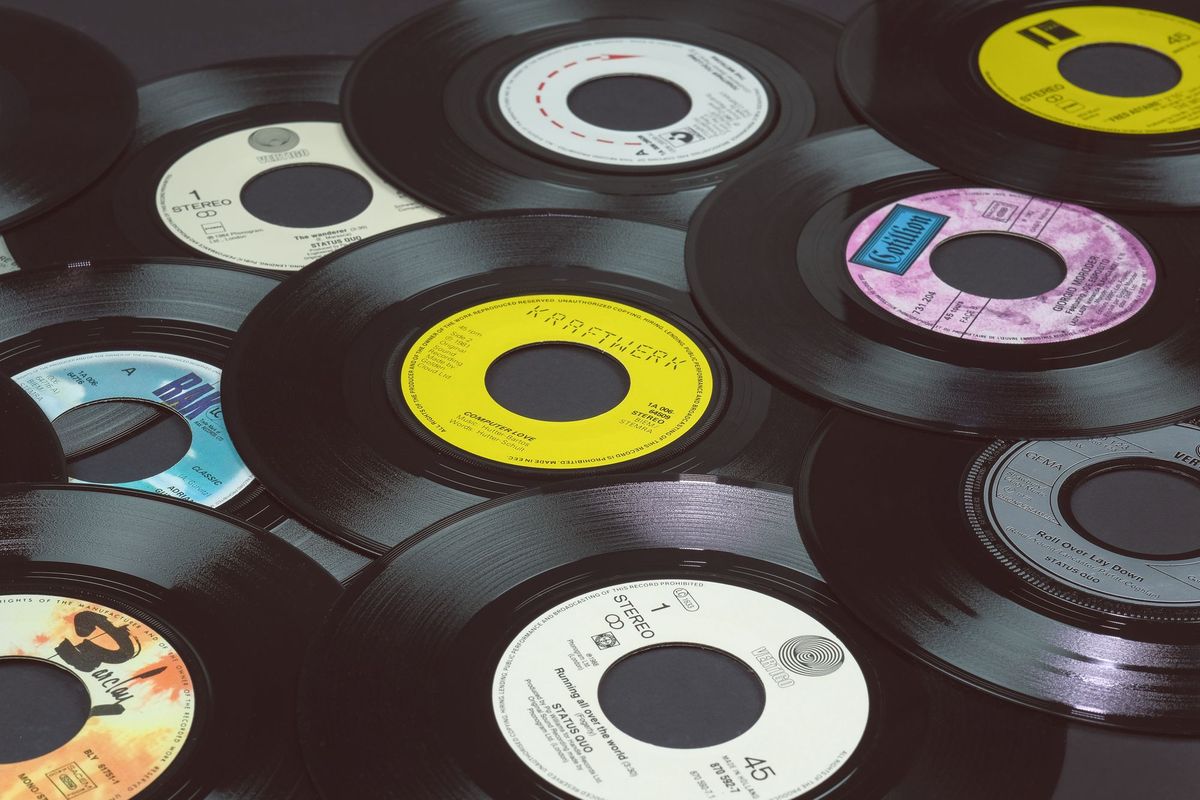
Both Rough Trade Bristol and Specialist Subject will sell Record Store Day exclusives on Black Friday if you’re looking to lean into the rarity of music collecting. Meanwhile Alta Loma and Idle Hands off of Park Row offer more niche picks in experimental and dance respectively.
Ultimately, vinyl has become a conversation starter. Whether you collect vinyl to wear the fan badge of honour or to elevate your listening experience (or CDs are your bag), switching off your phone and enjoying good music is never a bad idea.
Featured image: Harriett Sanderson
Which do you think is better, vinyl or CDs?