
By Hannah Jeffreys, Second Year, History
From performing in the West End to selling out Wembley Stadium, being involved in musical theatre seems to be a recipe for success: these characteristics might be exactly what sells in the entertainment industry. So why do so many pop stars and award-winning actors begin their careers in musical theatre?
The stigma around theatre kids often involves criticising their intense passion and loud self-expression; however, these traits have proven to be highly valued within the world of show business. Musical theatre encourages performers to be enthusiastic about their skills, and that culture builds stamina and work ethic. Broadway performers typically give eight shows a week, often delivering the same emotional scenes night after night. What others may mock as over the top is, in practice, the resilience that sustains a professional career in entertainment.
Ariana Grande is recognised as one of the world's most famous female singers, and the success of her career began during the time she spent in musical theatre. She made her Broadway debut as Charlotte in the musical 13 when she was just fifteen years old. Shortly afterwards, she was cast in Nickelodeon's Victorious alongside her 13 co-star Elizabeth Gillies.
Her pop career took off during her time in the show, and she signed with Republic Records in 2011. Her pathway from Broadway to television to pop stardom illustrates how stage training can open doors beyond the stage.
Musicals require the triple threat of singing, dancing, and acting. Training in all three builds adaptability, opening opportunities within film, television, live performance, and even commercial work. The theatre kid to global superstar pipeline is a well-worn route across the entertainment industry.
Tom Holland is a prime example, having transitioned from playing the role of Michael in a West End production of Billy Elliot the Musical to being Marvel's Spider-Man. He made his theatre debut at the age of just twelve years old and later accelerated into the world of film. His film debut was four years later in the critically acclaimed disaster drama The Impossible (2012). The speed at which he was able to transition into a famous actor was clearly helped by his time as a theatre kid.
Sharing the stage with other performers requires cooperation and trust, which is part of why the theatre training environment is important. On being appointed Vice-President of the Royal Academy of Dramatic Art (RADA) in 2024, Cynthia Erivo, a RADA graduate, stressed the importance of a strong support system in arts education.
She said at a RADA Q&A that "the training on stage readied me for being able to sing on a set" while discussing how her stage work prepared her for the role of Elphaba in Wicked.
Bristol has its own link to this route. Famous actor Simon Pegg studied Theatre, Film and Television at the University of Bristol, and during his studies he took part in a comedy troupe called David Icke and the Orphans of Jesus. The students at the University of Bristol went on to name a flexible performance space after him to honour his time there.
 Henry Griffiths
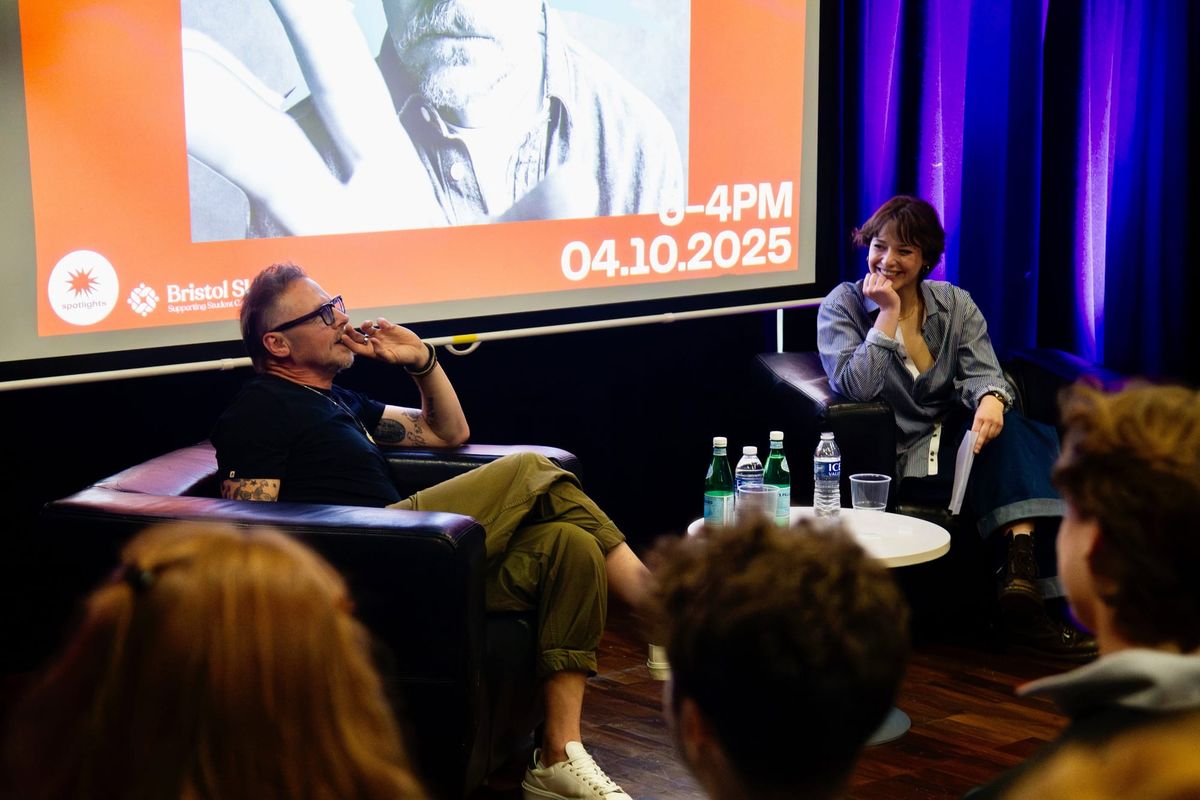
This space, located inside the Richmond Building, has been successful in encouraging students to set up theatre performances, musicals, and comedy sketches. Pegg also went on to star in many major films such as Hot Fuzz (2007) and Star Trek (2009).
Although not all theatre kids end up as stars, many of the entertainment industry's best-known names began in theatre, where they built the skills and discipline that suit film and music production. The unapologetic expression and dedication that are often mocked are the same qualities that show business rewards. So, the next time you're tempted to laugh at a friend for blanking on a line in the school show or for being obsessed with Hamilton, think twice, because you might end up watching them on the big screen one day.
Featured image: Unsplash / Liam McGarry
What is your opinion on 'theatre kids'?