By Skye Cox, Third Year, Film & English
As another year of study begins, we may find ourselves confined to the same, white-washed classics being thrust upon us. In this article I hope to combat this oppression as I delve into the psychological importance of consuming literature representative of yourself. I urge everyone to take action towards diversifying your bookshelves.
“Do we seriously need another film dedicated to documenting a white man’s hardships and triumphs?”
A friend spoke to me of their frustrations and disappointment concerning Christopher Nolan’s recent adaptation of ‘The Odyssey’. Certainly, representations of a male’s experience still dominate the mainstream; it only takes one glance at your streaming services’ most recommended films to see this remains the case.
I remiss similar frustrations regarding the optionality of my own English degree; an exhaustive list of androcentric topics lay before me. Modules focused entirely on Chaucer, Shakespeare and Dickens. Celebrations and dedicated research to men so deeply studied, they are already rooted as pillars of the literary world and figureheads of our society. I can’t help but feel hopeless at the thought of dedicating my academic life to a literary landscape so irrelevant to my own livelihood as a young, queer woman.
Dr Rudine Sims Bishop (1990) coined the terms ‘mirrors, windows and sliding doors’ as analogies for the self-fulfilling and influential opportunities generated through representation in literature; particularly in reference to the natural benefits of children seeing themselves reflected on the page. Representations of gender, race, disability and sexuality in literature offers an immense sense of personal power as well as providing education that facilitates understanding and empathy for experience of others.
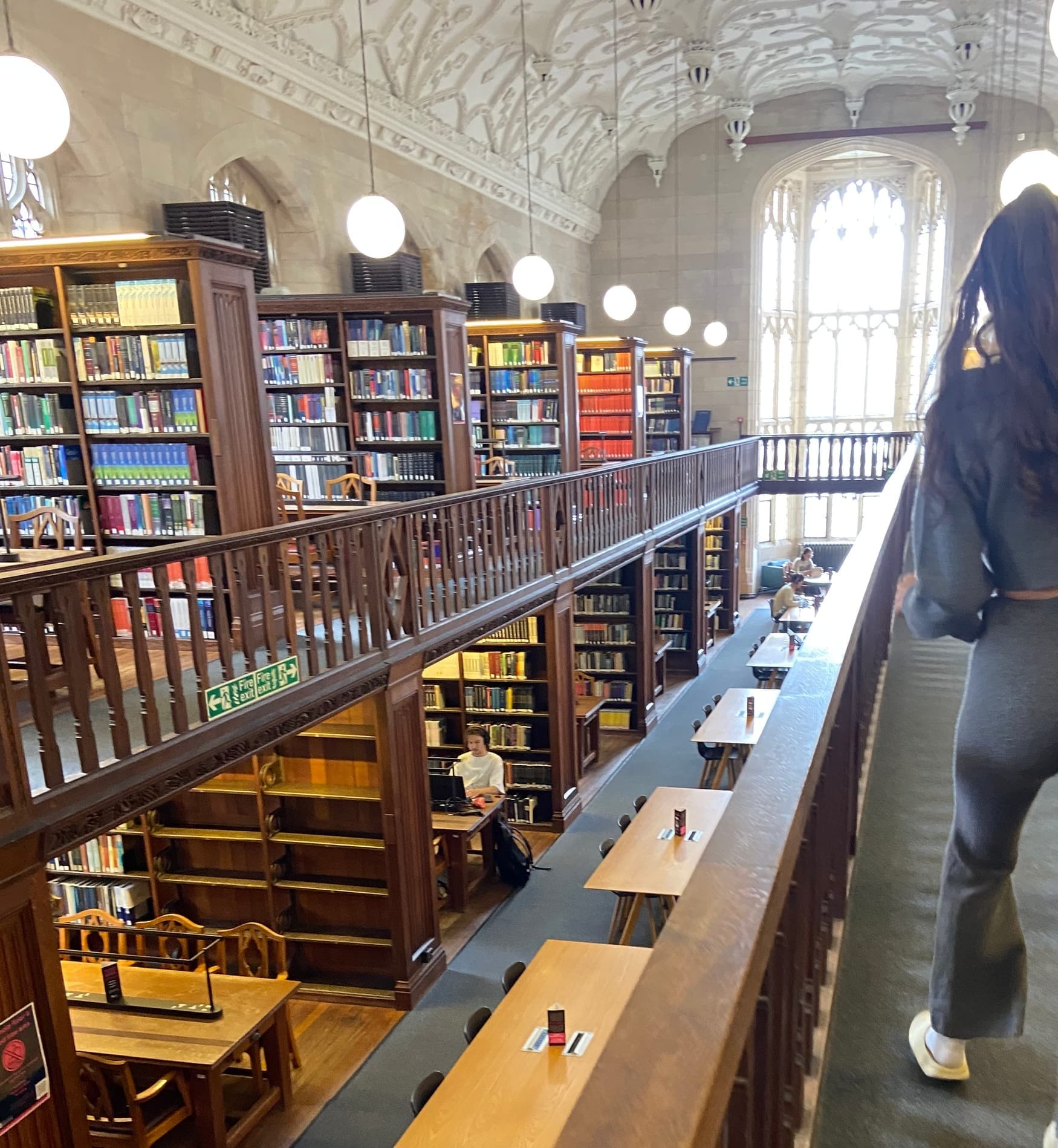
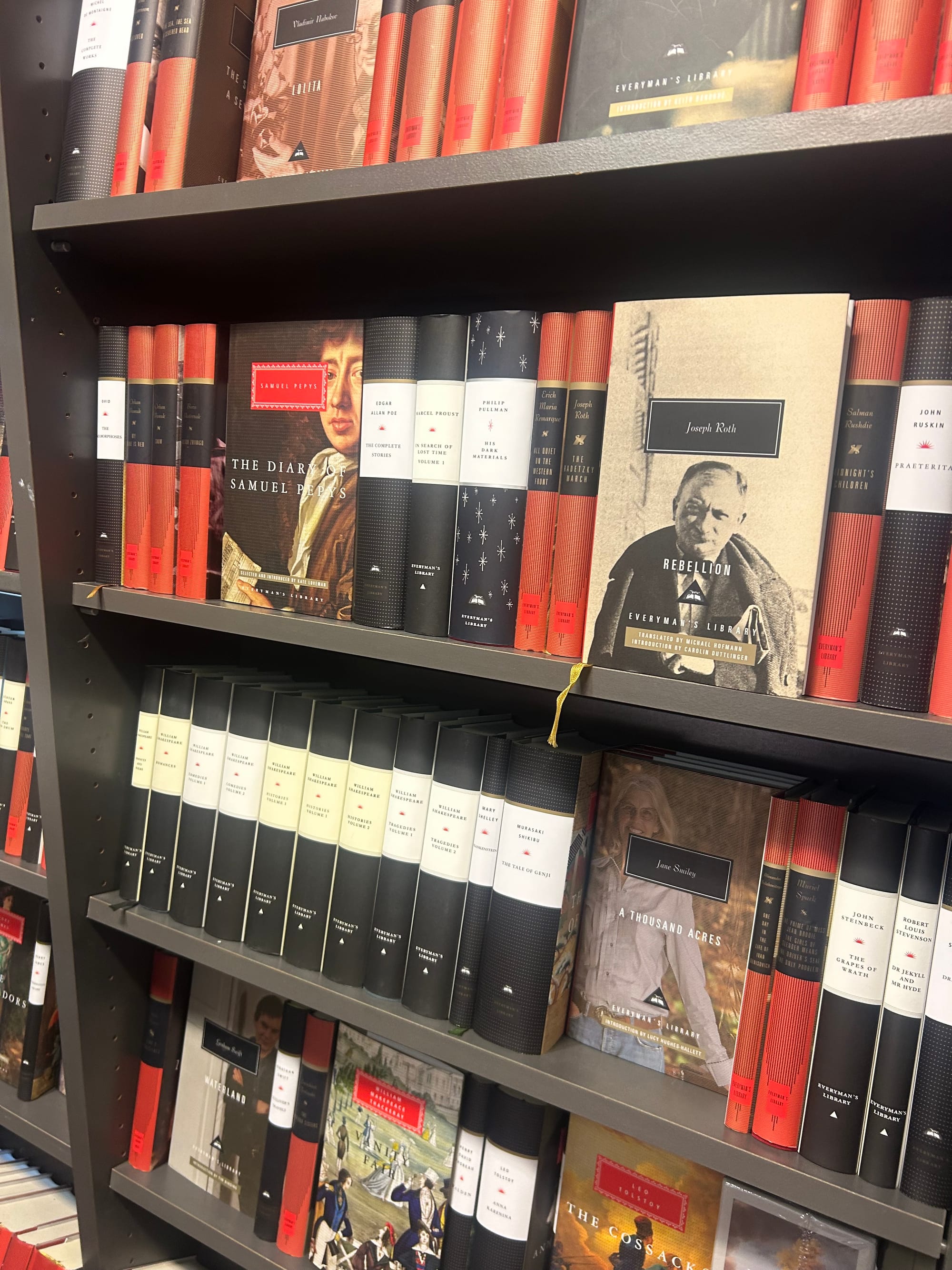
But why should self-growth stop after childhood? Once you finish high school, you are left to navigate the vast minefields of a book shop without the slightest guidance of what story may speak to you; a never-ending list of faceless author names with no sense of who represents you. And so, I warn of a third literary analogy, imbedded in higher education, the figurative ‘cages’ of representation that our academia confines us within.
This year, 3000 Guardian readers voted on the top 100 books of all time. 75 of these were written by male authors, with 66 of those authors also being white. This proves that even as a culturally rich, politically conscious nation, these patriarchal patterns continue to pervade both our bookshelves and our minds. Living in such a colourful, diverse world, we must question why our global understanding and relationship with art doesn’t systematically reflect this.
For Centuries, literature and the arts have proven to be influential upon generation after generation. We go to literature for guidance, for inspiration, and for the knowledge learned from another’s experience. Society continues to be formed as a living reflection of what came before. The most influential, the most world changing of these literary devices are often those which deliberately defy the norm, offering diverse and unspoken takes on society as a whole.
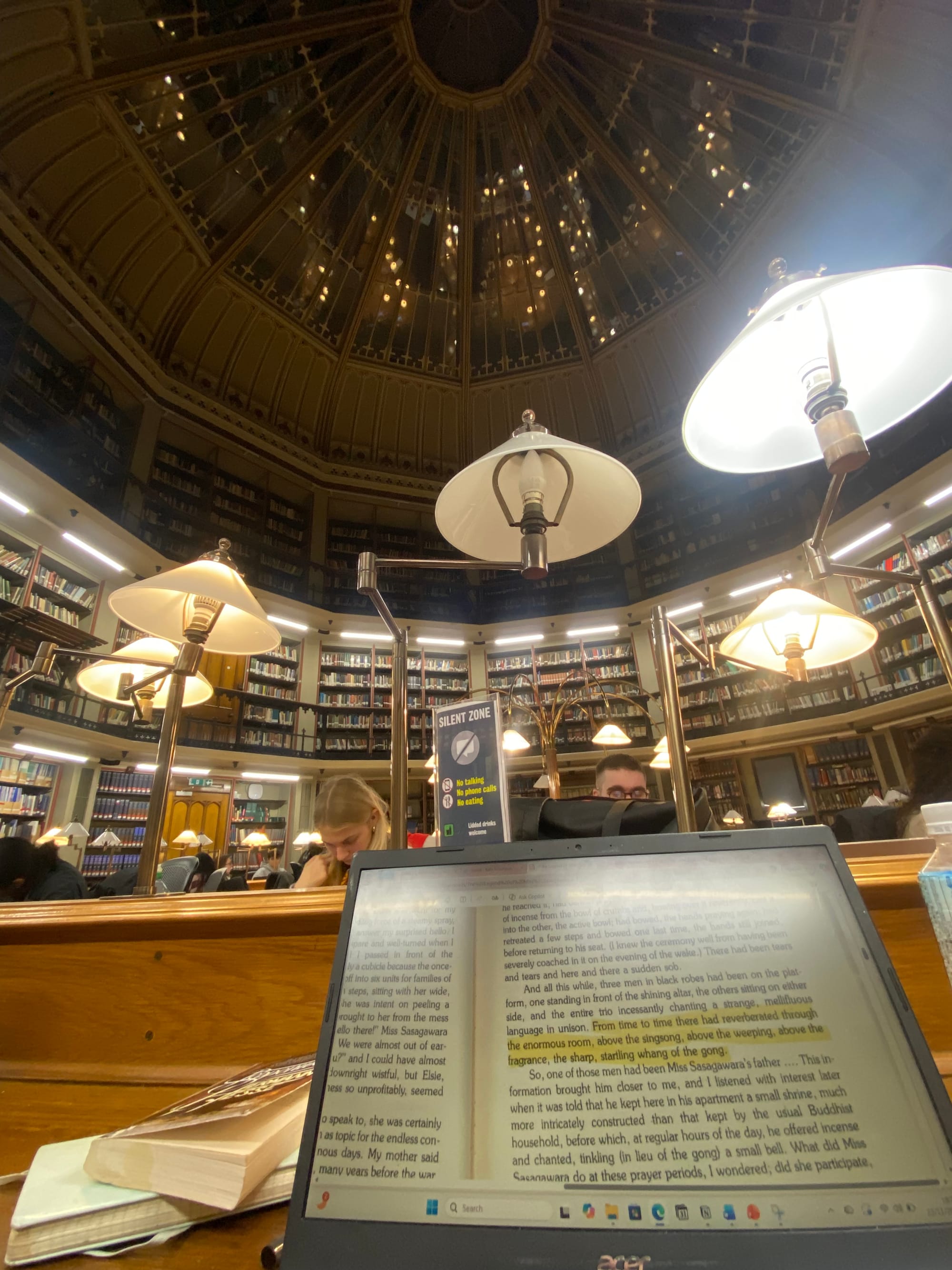
But what about the literature written by those of minority groups, those who hold the power to change perspectives and offer unique insight, are they ever given the same breadth of influential space as our worshipped classics? These are the stories we must study in order to create a better world.
We embark on an arts degree hoping to be inspired, hoping to be guided towards literature which changes our lives, changes our perspectives. And with those ambitions of hearing the voices of minorities, I have instead developed fluency in patriarchal tongues.
With prejudice and discrimination continuing to live within the walls of our University, the art we consume and create can change that.
I still find myself having to purposefully seek out diverse authors to study and mindfully select modules which actually offer something new and relevant. It is shamefully easy to ignore and stay oblivious of such diversity as we progress through our undergraduate degree. We all deserve to be represented by our teachings, and the University must uphold this responsibility.
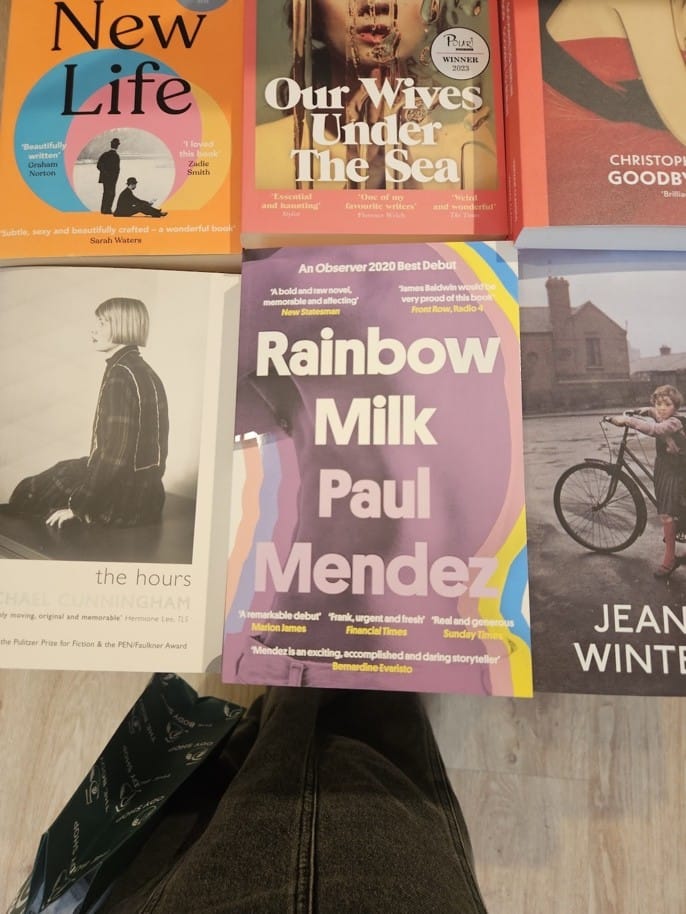
With that said, the solution cannot be to group all non-white, non cis male literature into one optional ‘diverse’ module. Diversity is not simply a category, it should never be restricted by labels such as political or controversial, it must be embraced and incorporated with the same grace as any classic. With time, the works of marginalised artists will translate to the formation of a generation of global, empathetic thinkers.
 Anonymous
And finally, I offer you a personal recommendation which speaks volumes to me, and I hope will diversify your reading lists this year too…
‘Paradise Rot’ – Jenny Hval.
A recent summer discovery led me to this unsung novel; a grotesquely beautiful, fantastical exploration of queer desire.
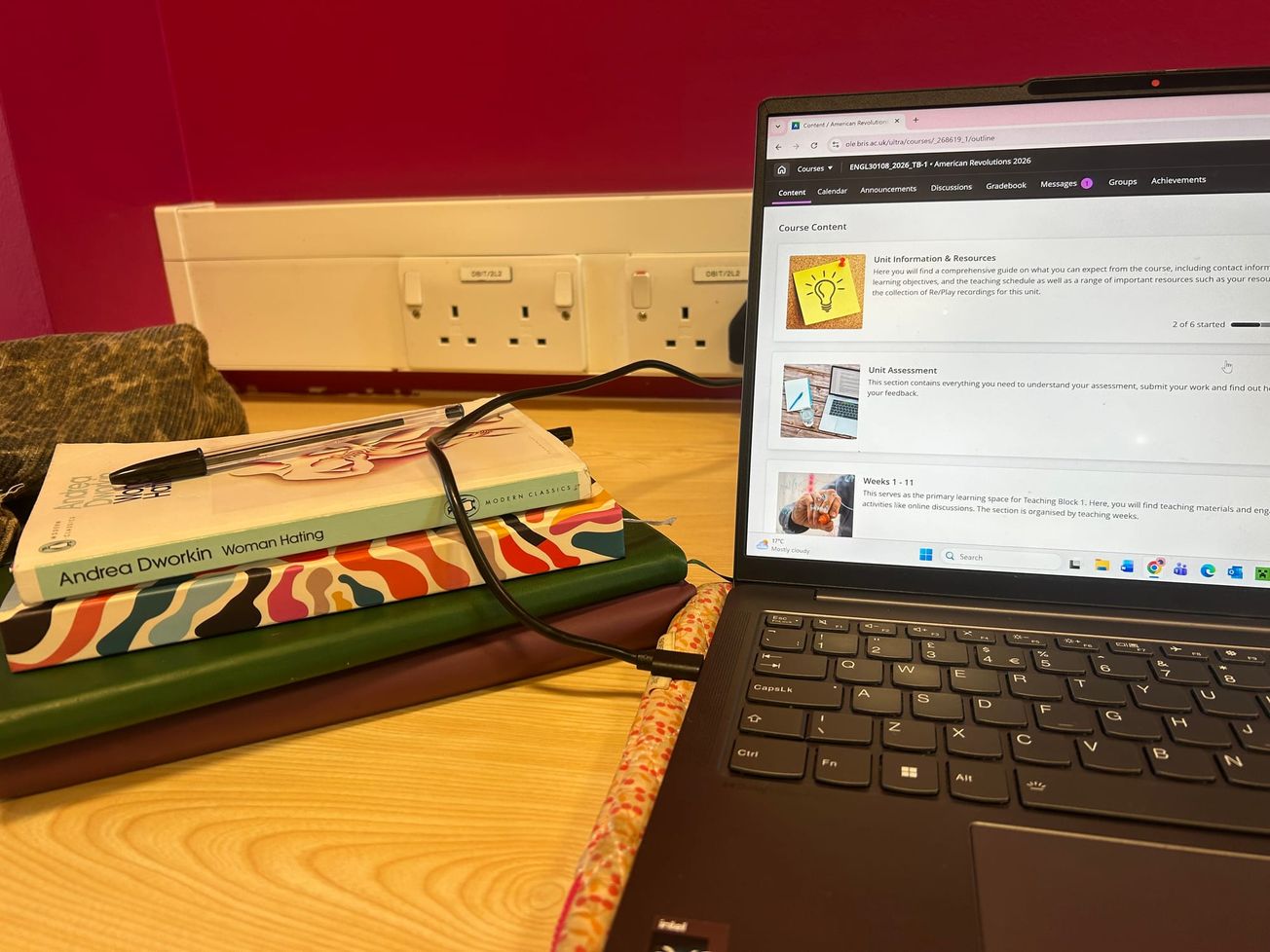
Featured image: Course content for a university module | Epigram / Mary Allen
Do you think you are represented by your university reading list?