By Bethan Parry-Jones, Third Year, History and Spanish
Here in Spain on my year abroad, I went to see La Bola Negra (2026) with some friends just the day after its release. While we had experienced much of the build-up to the film’s release, we were not entirely sure what we were going to see.
What exactly was La Bola Negra? Two and a half hours later, we, like every other person in the theatre, left tear-stained and afflicted by what we had seen. It turns out that the phrase ‘la bola negra’ has several meanings. The literal translation is ‘the black ball’, and it is the title of an unfinished play written by the Spanish poet and playwright Federico García Lorca.
There is also an expression in Spanish - ‘dar la bola negra’ - that means ‘to give the black ball’, which refers to an anonymous system of voting used in exclusive clubs or societies. The white ball signified entry, while the black ball meant rejection. The audience comes to understand the multi-faceted meaning of the film’s title early on when Carlos (Milo Quifes), one of the protagonists, is rejected from an exclusive bourgeois circle in Granada on account of being gay.
La Bola Negra is the most recent work of creative (and previously romantic) duo ‘Los Javis’ - Javiera Calvo and Javier Ambrossi. Their other works include La Llamada (2017) and the acclaimed comedic series Paquita Salas (2016-2019). Their newest film received the People’s Choice Award at Toronto International Film Festival and they won the Best Director prize at the Cannes Film Festival. The film has also been selected as Spain’s official entry for Best International feature Film at the 2027 Academy Awards.
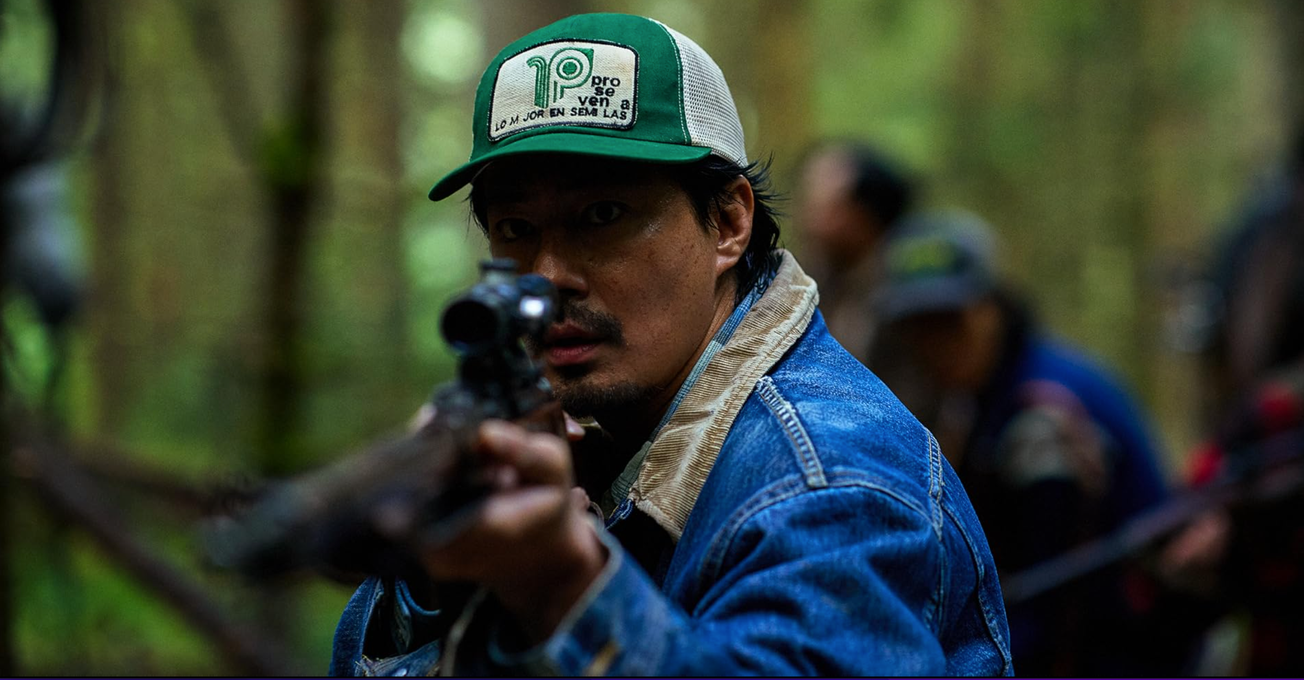
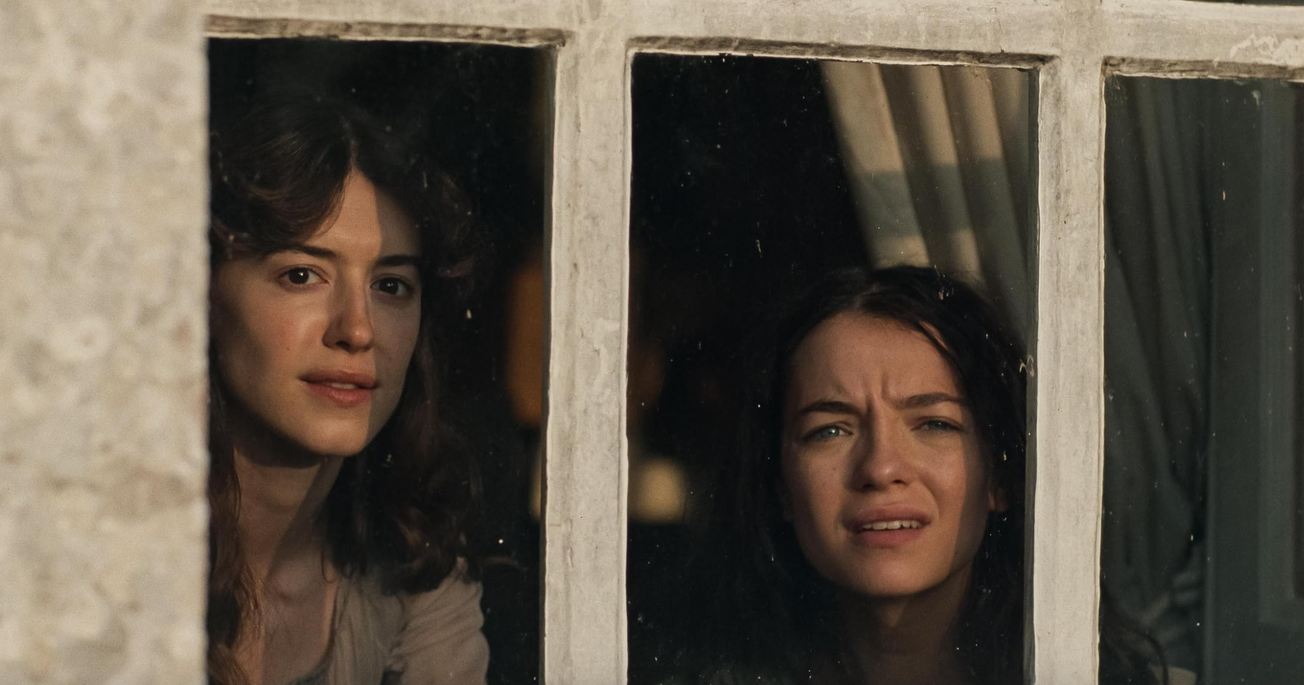
In terms of genre, La bola Negra could be described as a queer epic or work of historical fiction. It is partially based on a 2013 play by one of the film’s co-writers, Alberto Conejero. However, unlike the play, it is a triptych piece moving between three distinct eras: Republican Spain in 1932, Spain in the midst of the Civil War in 1937 and 2017.
Across these periods, we follow the lives of three men, who are described as being ‘intimately connected through desire, pain and inheritance’. While we only see the character of Lorca briefly, his presence is felt throughout the film as his motifs and verses are used throughout the film, such as the line, ‘Equivocar el camino es llegar a la nieve’, translated as ‘To take the wrong path is to reach the snow’.
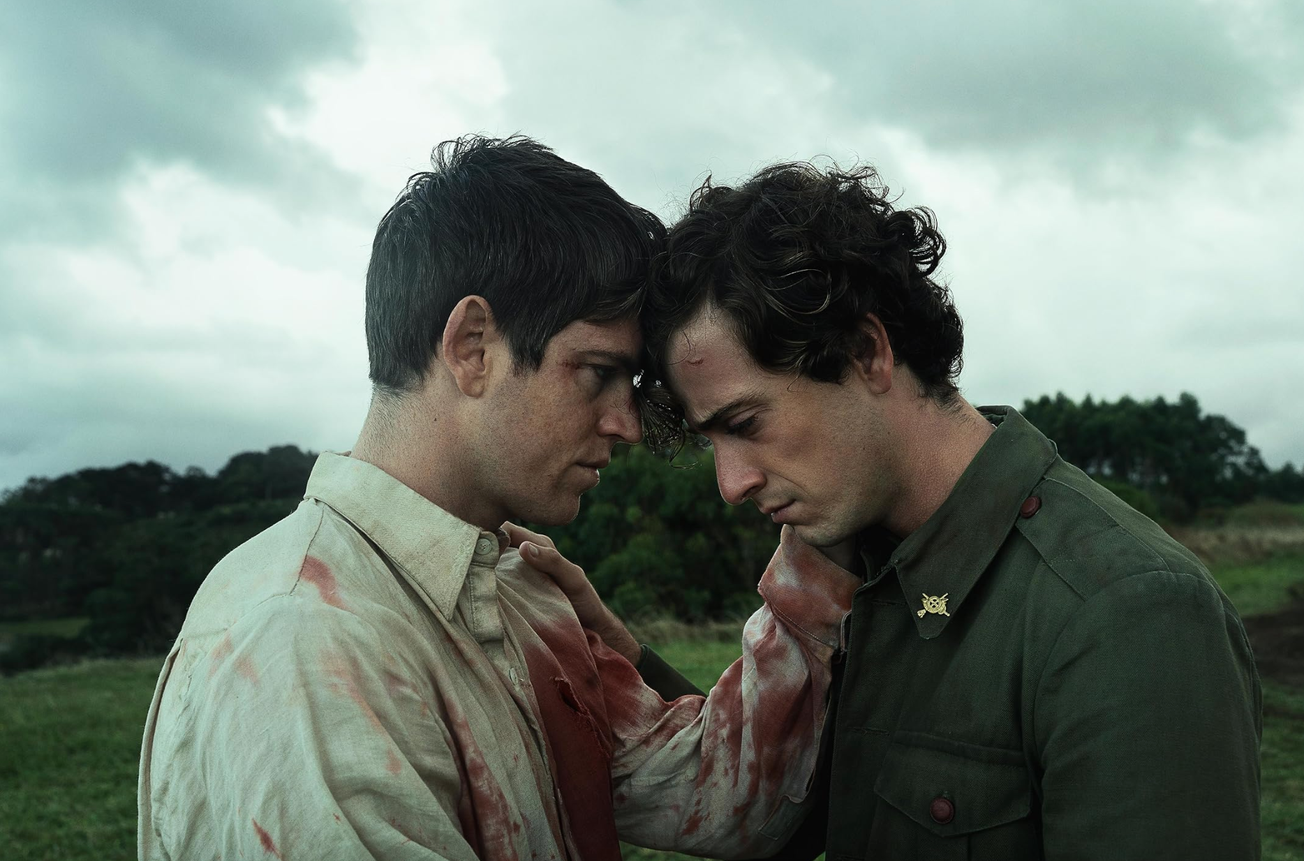
La Bola Negra offers some outstanding acting performances from Quifes and Carlos González as Alberto. Miguel Bernardeau also gives life to a real historical figure Rafael Rodríguez Rapún - a Spanish footballer, engineer and actor in Lorca’s travelling theatre group ‘La Barraca’. He was the lover of Lorca and murdered at the hands of nationalist soldiers exactly one year after Lorca himself was assassinated on 18th August 1936.
The film also functions as the acting debut for Álvaro Lafuente Calvo (known as Guitarricadelafuente). The Spanish singer-songwriter plays a Sebastián - a young trumpet player who witnesses the death of his mother (amongst many others) before finding himself behind the lines of the nationalist camp. As pointed out in a recent press interview by Penélope Cruz, who herself contributes a dynamic and deceptively simple performance, Sebastian’s line ‘I don’t know, they put a rifle in my hands’ demonstrates the reality of many young people caught up in the Spanish Civil War whose side in the conflict was largely determined by the area in which they lived.
Described by Spanish film critic Mariona Borrull as a ‘maximalist piece’, La Bola Negra is an incredible piece of cinematography. The dance scene with Carlos, set in a dimly lit club in Granada and choreographed by Belén Martí Lluch, has replayed in my mind since watching the film. However, it is the film’s score, written by Guitarricadelafuente and Raul Refree, is what, in the words of film critic Lee Marshall, will give you a ‘battering’. Guitarricadelafuente’s performance of the song ‘La Nieve’ is truly devastating.
 James Hattan
Film critic Andrea Zamora defines La Bola Negra as a ‘journey that must be climbed’. At the start of the film, we are thrown into multiple storylines that can be difficult to follow but, in Zamora’s words, ‘once you find your rhythm’, it is enchanting. Passing the two-and-a-half-hour mark, I would agree with Zamora that the film could have perhaps benefited from some streamlining of its conclusion. Nevertheless, La Bola Negra remains one of the most moving films I have witnessed and prevails in its ambition of unearthing some of the many stories buried in the fields of Spain.
Featured image: IMDb / La Bola Negra
Do you think La Bola Negra deserved its plaudits?